The Bedrock:
English Identity
Forging the English: Pillars of a Civilisation
The preservation of the English identity encompasses an unbroken, multi-century lineage built on shared memory, ancestral continuity, and an exceptional impact on global development. This historic identity does not rely on abstract civic concepts, but on the physical record of a distinct people who claimed a fractured island, bound its regional territories into a single kingdom, and looked outward to shape the course of the modern world.
By tracing this heritage from deep prehistory to the contemporary era, the archive maps the defining elements that constructed our civilisation, exploring the ancient genetic markers of the population, the native evolution of common law, the spiritual traditions of the shires, and the enduring physical landscape that forged our national character.
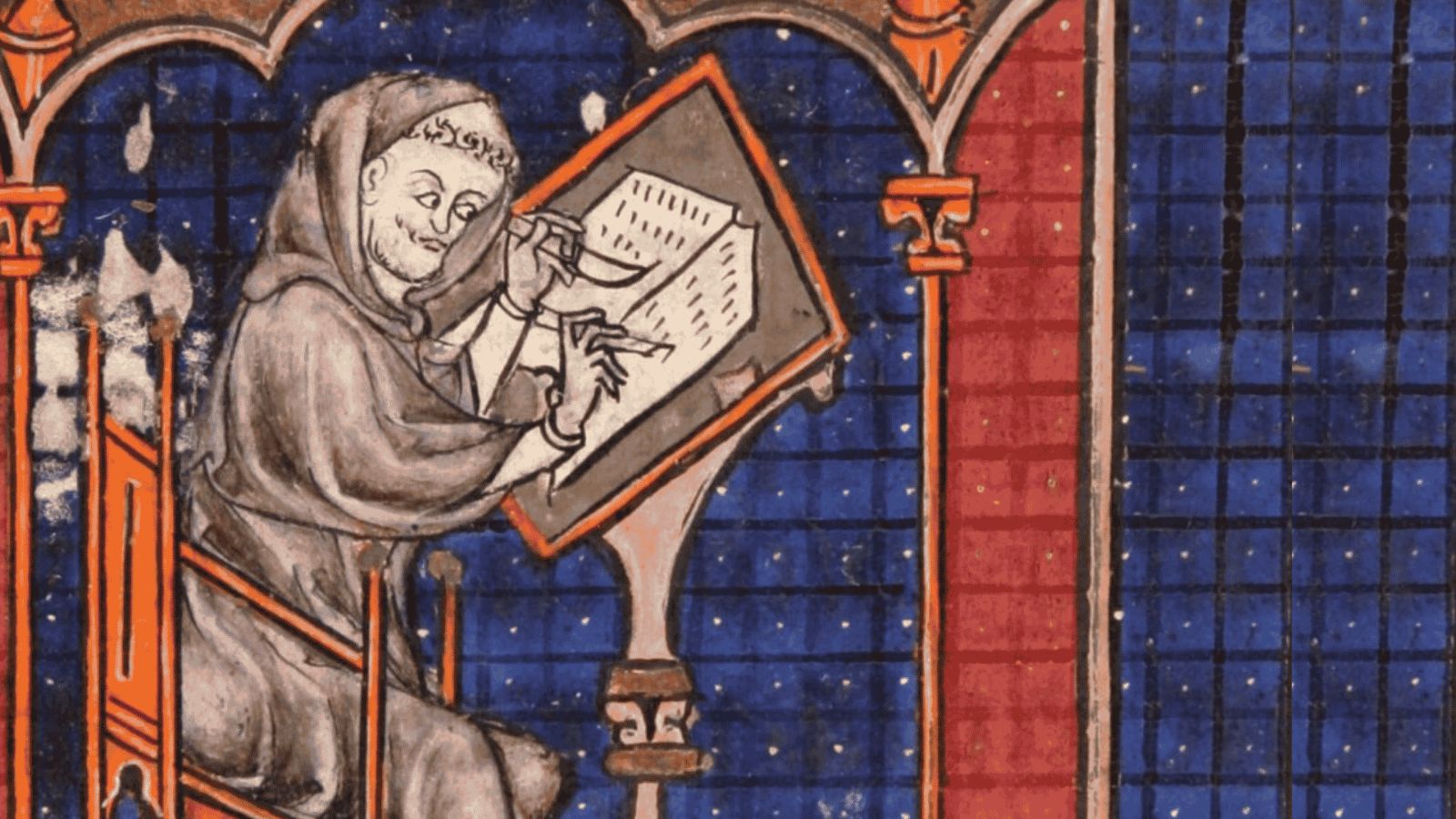
The Genetic History
of the English People
A scientific record of the deep, organic bloodlines of the English population, tracking an unbroken biological lineage from prehistoric explorers down to the continental Germanic tribes.
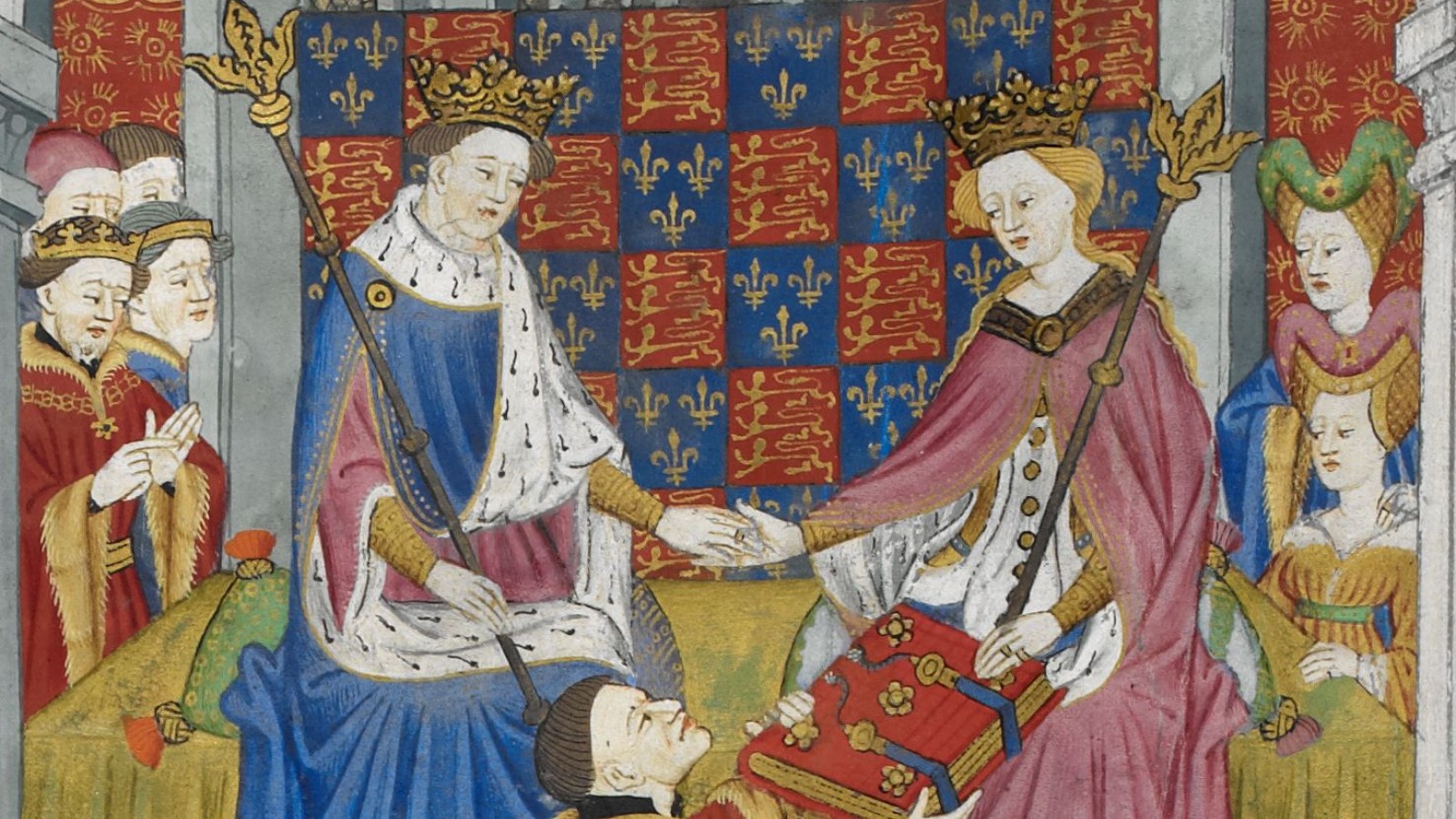
Evolution of English
Law and Governance
A legal architecture built on ancient customs, kinship traditions, and judicial precedents that developed organically to protect individual liberties against arbitrary power.
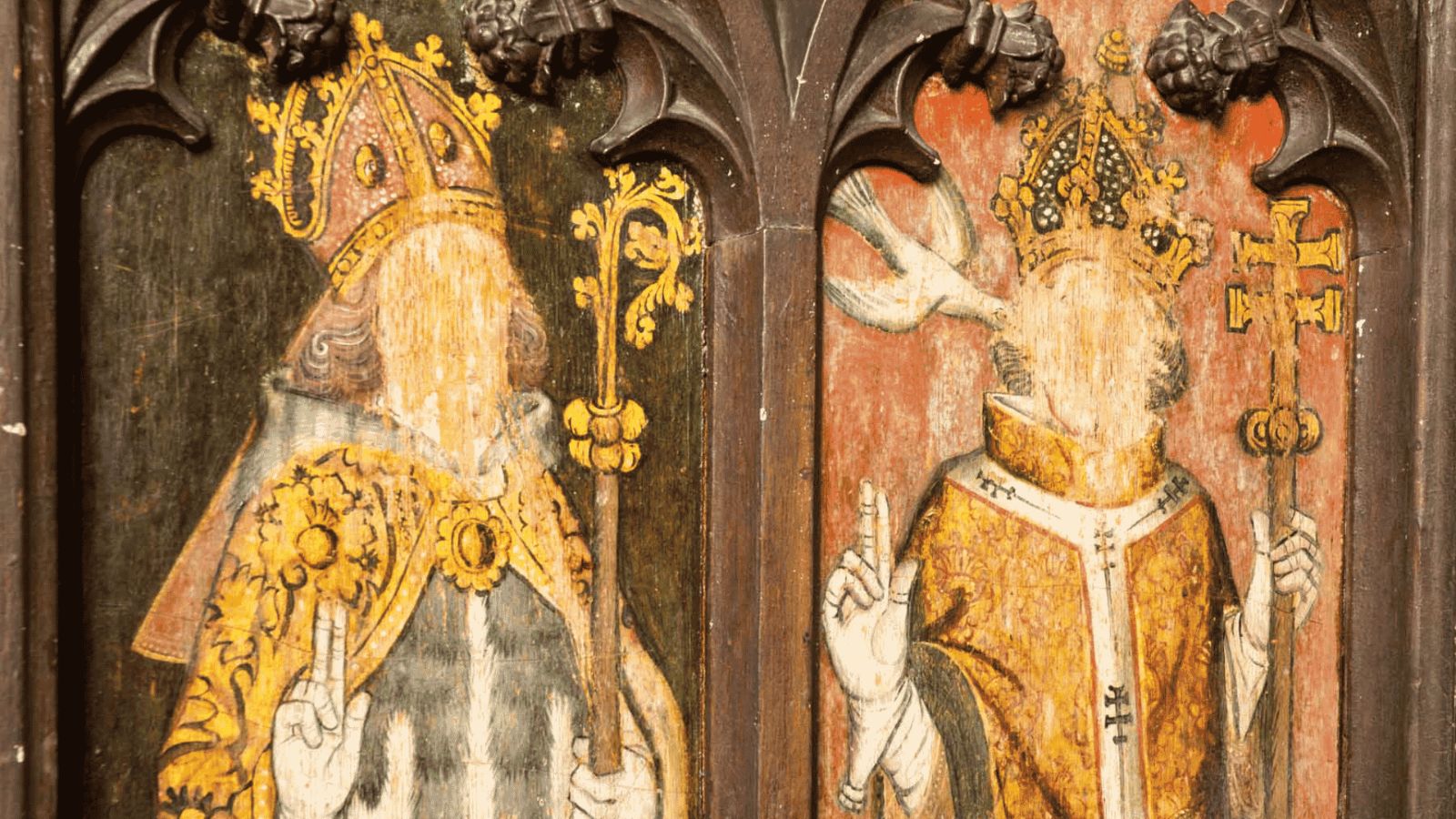
The History of the
Church in England
Moving from papacy to primacy, the Church in England grew from Roman Catholic roots before the chaos of the Reformation broke with Rome, fusing spiritual power with the state.
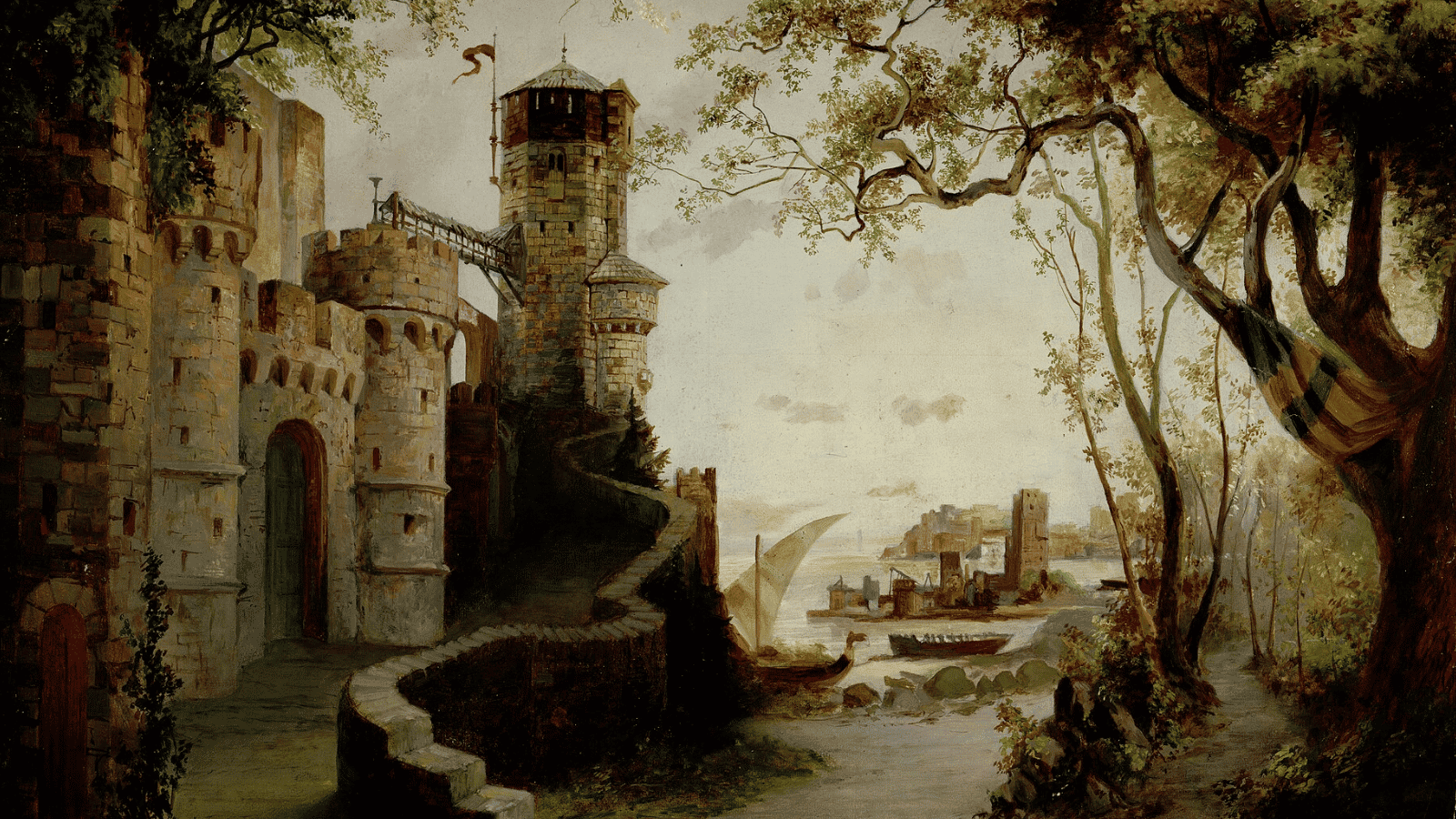
The Matter of Britain
A legendary history of the island's earliest dynasties and chronicles, tracking the stories from the Trojan foundations and the prophecies of Merlin, down to King Arthur and the Round Table.
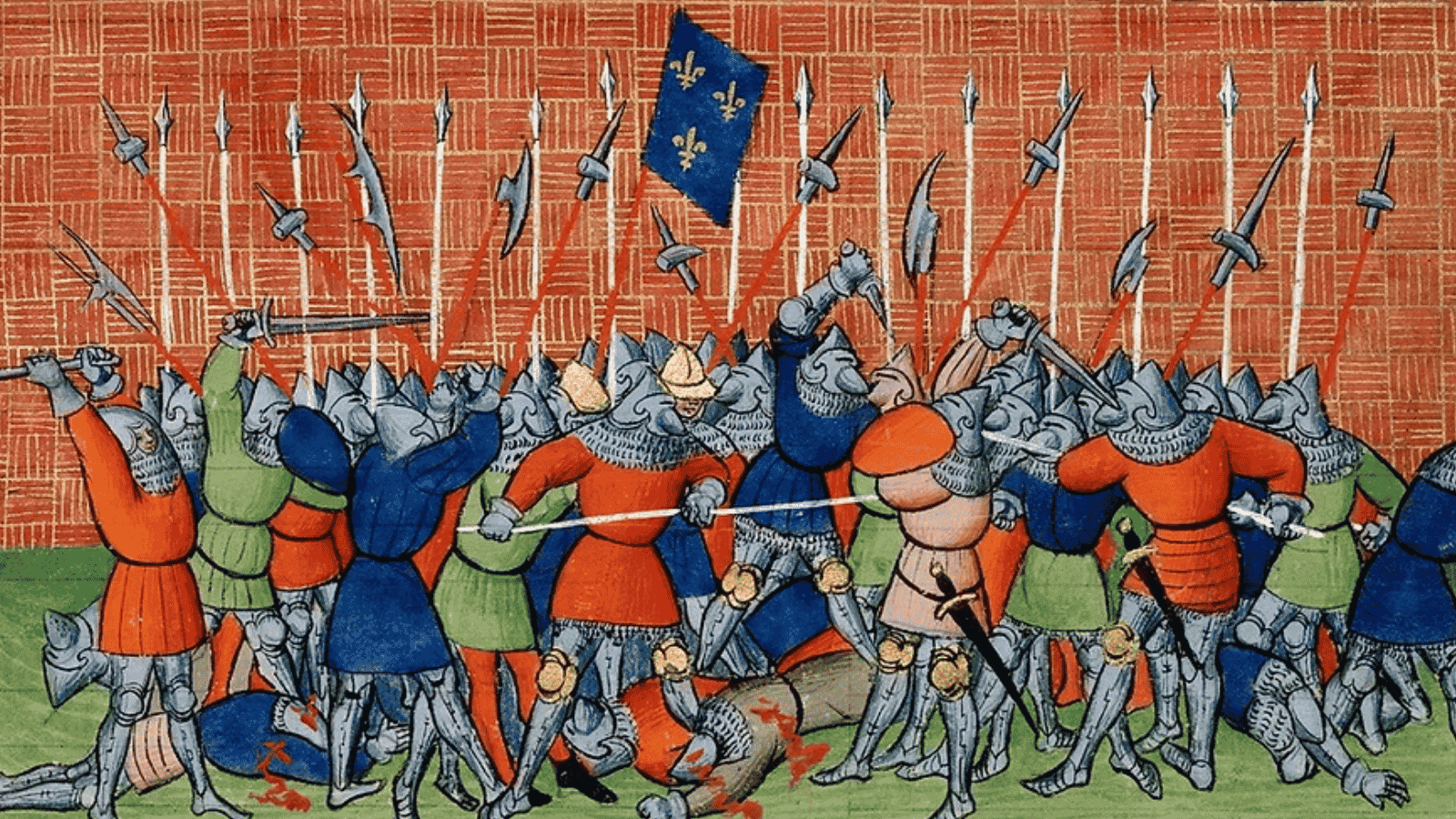
The Chronicles of Britain
The oldest surviving eyewitness accounts from pioneering monks and court scholars, tracking early barbarian invasions to build the first written records of our ancestral history.
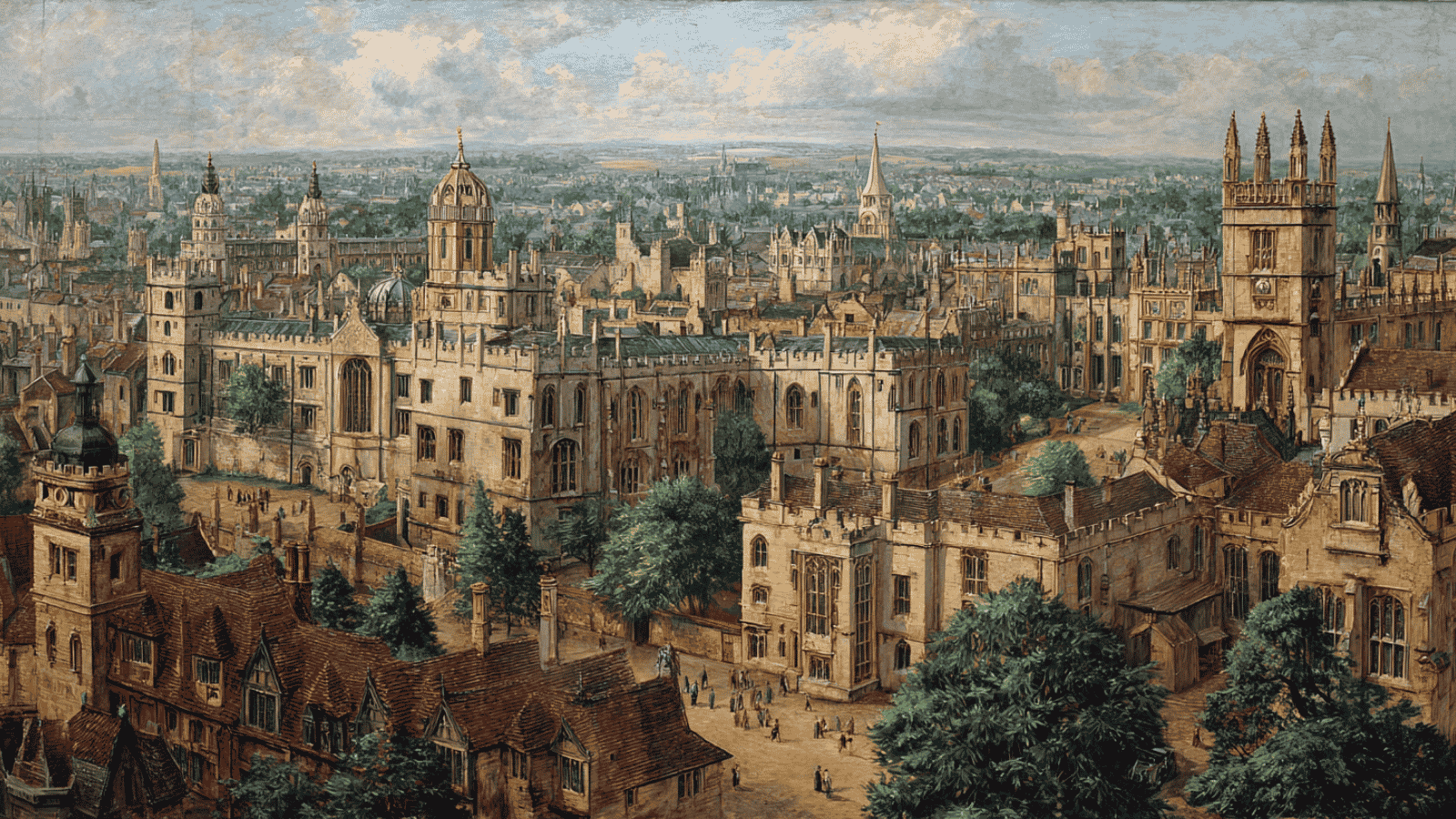
Evolution of the English Language
The Evolution of the English language, tracking ancient Indo-European lineages and the migration of early Germanic tribes, through centuries of warfare, to its triumph as the global lingua franca.
Bloodline over Bureaucracy: Nationalism Versus Civic Identity
True English identity cannot be reduced to a superficial collection of modern symbols, flags, or folklore; it is an organic inheritance built directly upon ancestral foundations that remained unbroken through centuries of continuity. This civilisational heritage rests upon three distinct pillars that grew naturally from one another over a thousand years of history, rooted fundamentally in a shared genetic lineage.
First is ancestral identity, the biological bedrock of the population who physically cultivated the land and from whose specific kinship every native institution emerged. Built directly upon this genetic foundation is institutional identity, encompassing unique structures like English Common Law and the Church of England, followed by the broader cultural achievements of the national mind, including the global expansion of the language and the breakthroughs of the scientific revolution.
This ancestral history stands in direct contrast to modern civic statehood, where British identity functions primarily as an artificial legal status defined by a shared passport, political union, and administrative citizenship. While an individual can become civically British through state paperwork, true English identity represents an exclusive, ancient accumulation of genetic, legal, and cultural developments that was fully formed centuries before the British state was legally created in 1707. Legal statehood or a passport may confer administrative citizenship, but a bureaucratic document can never recreate a deeply rooted generational history.
Ultimately, state institutions do not define a people; rather, an unbroken genetic lineage defines the state, proving that the inheritance of Alfred the Great belongs solely to those truly of this land and people, unaffected by the arbitrary passing of legal decrees or administrative paperwork.
Stay Connected
Island Geography as a Shield
Since the ancient flooding of Doggerland and the physical separation of Britain from mainland Europe, the geographic isolation of the island has dictated the survival and development of the English people. Lacking land borders, the English Channel functioned as a natural moat, protecting the population from the continental invasions that repeatedly disrupted other European cultures. While this maritime boundary was breached on key occasions during deep prehistory and early antiquity—altering the genetic foundations of the island—the channel eventually stabilized into a permanent protective barrier.
This isolation allowed a distinct ancestral lineage, native legal systems, and a unique national character to develop in stability. Eventually, forced to look outward to the sea for security and trade, the population transformed this defensive boundary into a global gateway, forging a seafaring lineage rooted in maritime supremacy and independence.
Rural Roots of the English
The English character was not conceived in the stone corridors of Westminster or within the sprawl of industrial cities, but grew directly from the clay and soil of the shires. Long before a centralized state existed, the foundations of national life were bound to a physical landscape that the population claimed, cleared, and cultivated over deep centuries.
For generations, the land dictated the habits, laws, and survival strategies of the people, while the population carved their very kinship and history into the topography of the island, preserving this relationship within small, self-sufficient agricultural villages that organized around the local parish network to foster a highly distinct agrarian mentality.
Within these ancient farming communities, justice, kinship, and law were never abstract philosophies, but physical facts bound entirely to the earth. The English language itself evolved with a vocabulary heavy with names for specific hills, woods, and soil conditions, mirroring a population that knew their territories with intimate, generational precision.
Through centuries of such continuity, the land became an extension of the people, and the people an extension of the land.
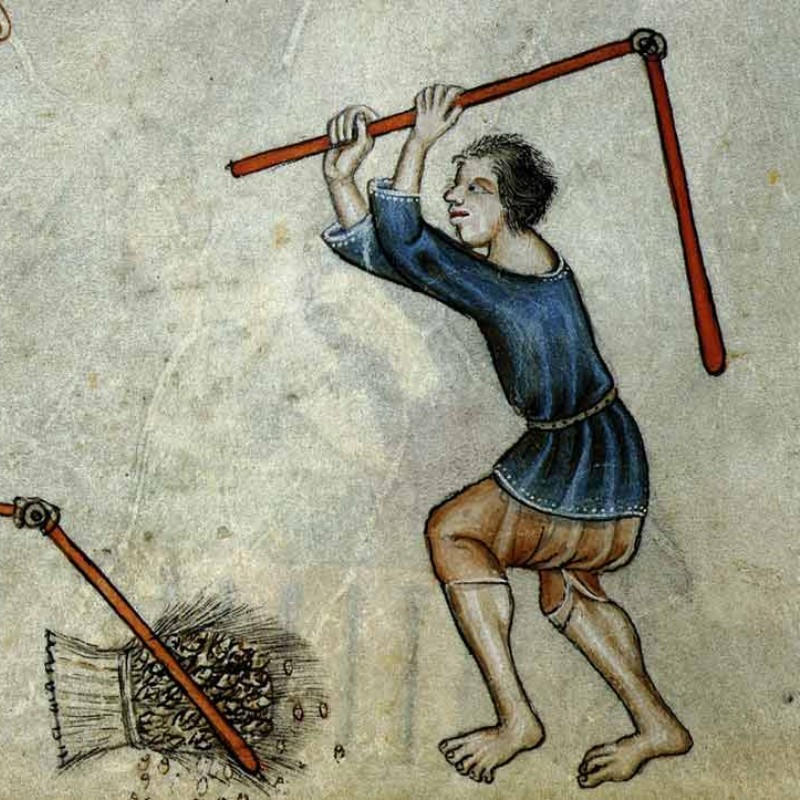
Medieval peasants threshing wheat, depicted in the Luttrell Psalter
Exporting English Civilisation
The story of English identity does not end at the coastlines of the island; through centuries of maritime exploration and global commerce, the cultural and institutional pillars forged throughout the shires were projected directly across the globe. This expansion created the modern Anglosphere, exporting English Common Law, parliamentary architecture, and the native language to entirely new continents to achieve a vast dispersal of English civilisational power and bloodlines.
Today, the frameworks that guide global commerce stand as a permanent monument to the unique legal, linguistic, and industrial structures engineered by a single island people. By scattering its legal traditions and speech across every ocean, the English population created a global network of shared values, ensuring that the legacy of a small medieval realm became the definitive foundation for the modern world.
Related Topics:
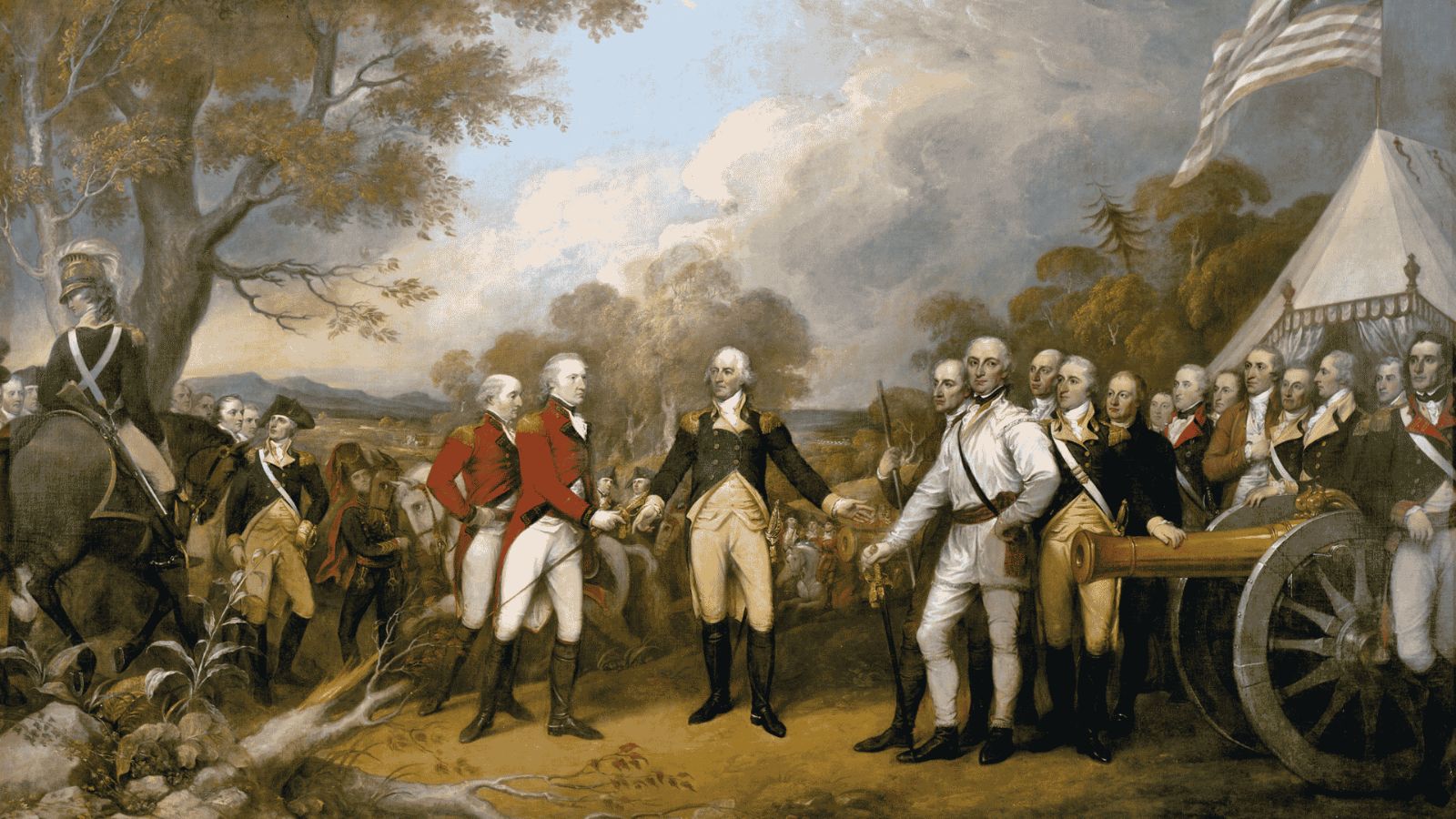
The first British Empire
1583 - 1783 AD
Early global expansion characterized by unmatched maritime daring, aggressive mercantile growth, and the planting of native institutional roots that permanently transplanted English laws and language across the Atlantic.
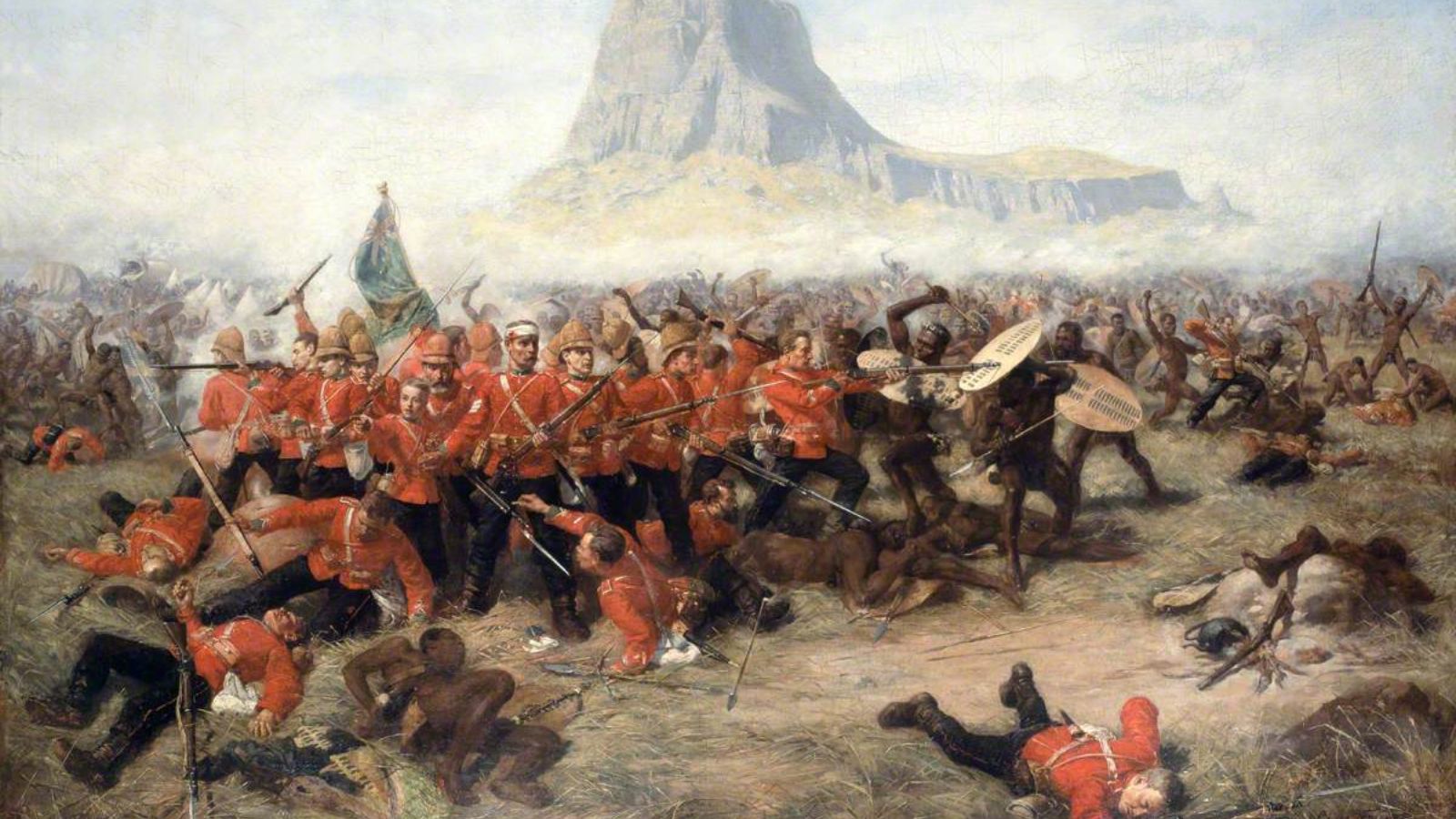
The Second British Empire
1783 - 1945 AD
A shift characterized by territorial conquest, the projection of corporate state power under the EIC, and the systematic dispersal of English administrative systems and civilisational influence across Asia and Africa.

The Age of Migration
1990 - Present
The current chapter of our history, characterized by rapid technological advancement, the historic legislative process of Brexit, and devastating levels of unwanted immigration that have transformed modern British society.
English Identity FAQs