
The History of the
Church in England
The Ecclesia Anglicana
The story of the Church in England covers a long journey across many centuries that deeply shaped the culture, laws, and identity of the British people. This spiritual path grew out of a constant struggle for power, turning the scattered missionary outposts of a divided island into a national church that became a central part of the country's government.
Starting with the early Romano-British communities and the small networks of monks during the Anglo-Saxon era, the country built a unified church system that brought rival kingdoms together under a shared moral code. The Tudor Reformation completely transformed this setup, replacing Latin masses with English services and placing the King, rather than the Pope, at the head of the faith. This shift turned local parishes into the frontline offices of the state, where the Book of Common Prayer and the English Bible became the daily cultural fabric of everyday life.
Across this chronicle, we will follow the long, changing history of this spiritual tradition, exploring how the early traditions of monks and local parishes grew into a national church that backed the power and legitimacy of the throne.
Page Contents:
Romano-British Foundations: Early Martyrs and Imperial Councils
300 – 410 AD
Additional Information: Roman Britain
Christian worship in Roman Britain developed from a clandestine movement into a robust, legally recognized institution with structured leadership by the early fourth century AD. Spreading rapidly along maritime trade routes and the paved military highways of the Western Roman Empire, the faith passed from traveling Mediterranean artisans, merchants, and legionaries directly to the native Brythonic population.
This early presence was sealed in blood through the execution of Saint Alban, a pagan Roman soldier living in the municipal center of Verulamium. Alban was beheaded around 304 during the Diocletianic Persecution for swapping garments with and sheltering a fleeing Christian priest named Amphibalus, an act of defiance that established him as Britain's first Christian martyr. This era of imperial suppression also claimed the lives of Saint Julius and Saint Aaron at the legionary fortress of Isca Augusta, proving that the faith had deeply penetrated the high-security frontier garrisons of the Roman military command.
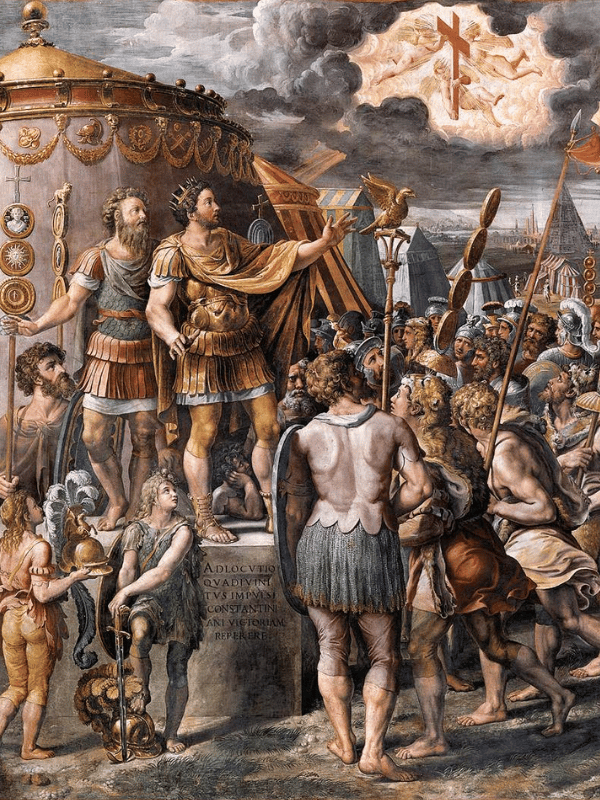
When the Emperor Constantine the Great legalized Christian worship across the empire via the Edict of Milan in 313, the British church emerged into the public sphere with an organized episcopal hierarchy. Throughout the fourth century, British churchmen actively participated in the great theological debates shaping Western Christendom. Records confirm that three British bishops—Eborius of York, Restitutus of London, and Adelphius of Lincoln—traveled to southern France to attend the Council of Arles in 314, accompanied by a priest and a deacon. This attendance marked the first time the British church was officially integrated into the universal Christian administrative system, a presence later maintained at the Councils of Nicaea, Sardica, and Ariminum, where cash-strapped British prelates accepted imperial travel subsidies while helping to formulate Catholic orthodoxy against the Arian heresy.
By the turn of the fifth century, the intellectual maturity of the British church triggered a major international theological crisis through the teachings of Pelagius, a highly educated British theologian and ascetic who achieved immense fame in Rome. Pelagius ignited a fierce, empire-wide debate by rejecting the doctrine of original sin and arguing that humanity possessed the absolute free will to achieve salvation through moral effort without the assistance of divine grace, a stance that drew the furious condemnation of Saint Augustine of Hippo.
The heresy found deep institutional support among the wealthy Romano-British aristocracy, spreading so rapidly across the island that the Gallic bishops dispatched Saint Germanus of Auxerre on an emergency diplomatic mission to Britain in 429. Germanus defeated the Pelagian champions in a massive public debate at Verulamium, combining theological arguments with practical leadership by guiding the native British forces to a bloodless victory over invading Picts and Saxons during the famous Hallelujah Victory. This highly developed, civic-minded Christian society served as the absolute crucible for Saint Patrick, who was born into a wealthy, aristocratic Romano-British family around the beginning of the fifth century at Bannavem Taberniae.
His father, Calpurnius, served as a church deacon and a municipal decurion, while his grandfather, Potitus, was a priest, demonstrating how thoroughly the faith had integrated with late Roman urban administration and local wealth. At the age of sixteen, Irish sea-raiders captured Patrick during a brutal assault on his family’s coastal estate, stripping him of his aristocratic luxury and selling him into slavery in Ireland. During six years of forced isolation as a herdsman on Slemish Mountain, his nominal childhood faith transformed into a fierce evangelical devotion. Following a dramatic escape back to the British mainland, where he received rigorous theological training under monastic mentors, Patrick experienced a powerful visionary command to return across the Irish Sea to spearhead the permanent conversion of the Gaelic tribes.
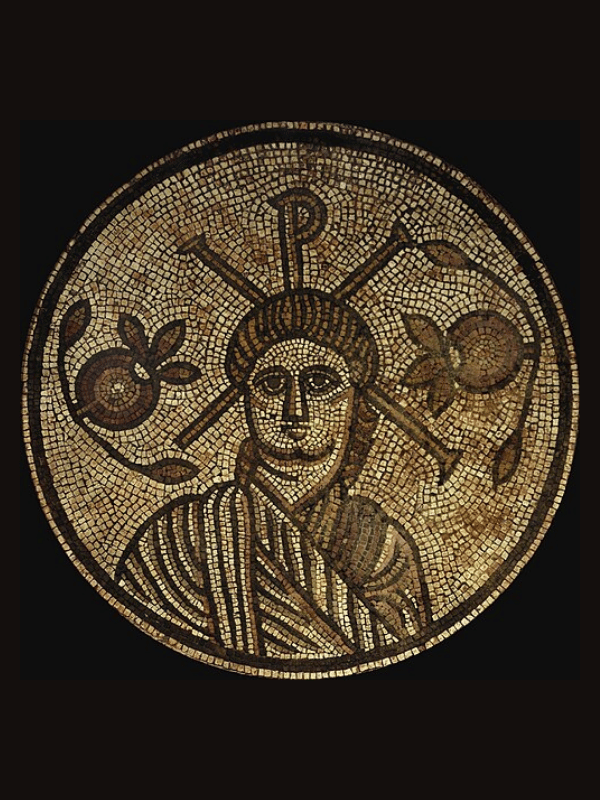
The economic strength and material culture of this early church are verified by extraordinary archaeological discoveries across the English countryside. Excavations uncovered the Water Newton Treasure in Huntingdonshire, a magnificent cache of fourth-century silver chalices, jugs, and votive plaques bearing the Chi-Rho monogram, representing the earliest known Christian liturgical silver in the entire Roman Empire. Similarly, the spectacular fourth-century Hinton St Mary Mosaic in Dorset displays one of the earliest surviving depictions of Jesus Christ anywhere in the world, flanked by imperial pomegranates and embedded directly into the floor of a wealthy villa.
Even when the Roman legions abandoned the island in 410, leaving the population exposed to pagan Anglo-Saxon invasions, this native Romano-British Christian tradition survived in the western hills. Refusing to succumb to the pagan influx, British churchmen maintained their Latin liturgies and episcopal structures in Cornwall, Wales, and Cumbria, incubating the unique monastic traditions that would later define the Celtic Church and fuel the spiritual reclamation of the post-Roman West.
Further Information: Romano-British Foundations: Early Martyrs and Imperial Councils
Saint Augustine and the Conversion of Kent
597 – 604 AD
Additional Information: Anglo-Saxon England / The Conversion of Kent, The Evolution of the English Language / The Gregorian Mission and Christianization of Old English
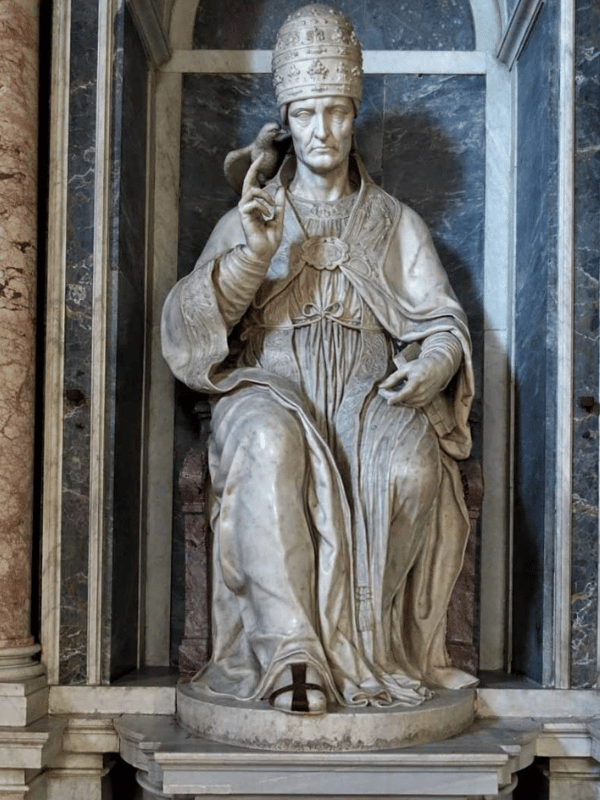
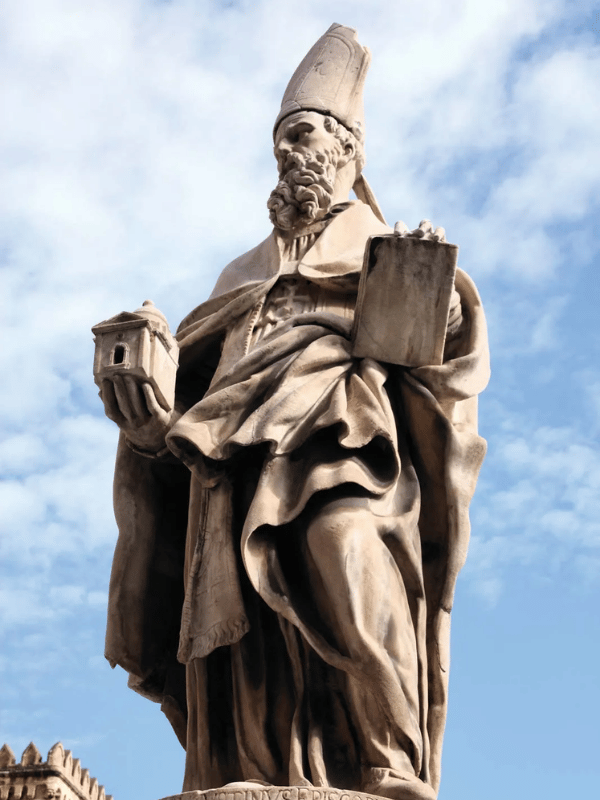
The institutional reintroduction of Christian orthodoxy to the pagan Anglo-Saxon kingdoms began in 597 when Saint Augustine of Canterbury landed in Kent, initiating a profound transformation of the island's political and spiritual architecture. Pope Gregory I the Great chose Augustine—then serving as the prior of the prestigious Benedictine Monastery of Saint Andrew on the Caelian Hill in Rome—to spearhead a dangerous diplomatic and evangelical embassy composed of forty monks.
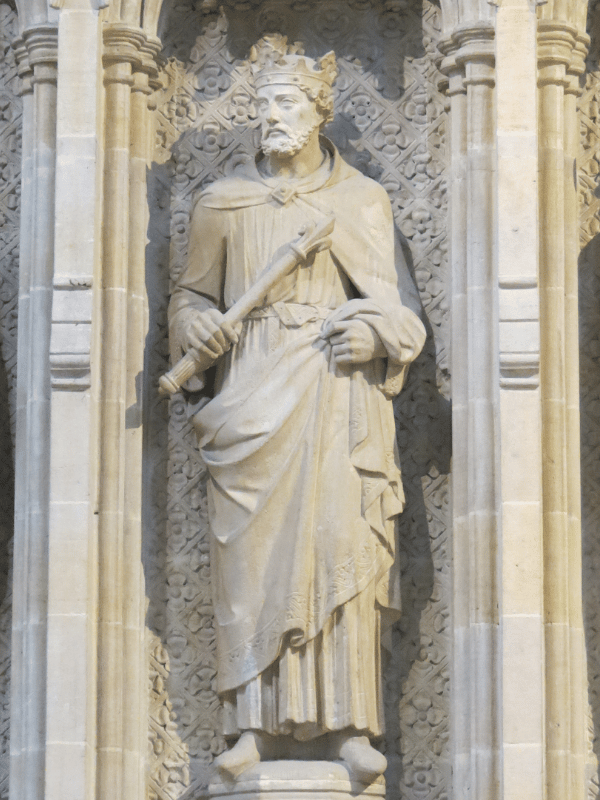
This papal mission made landfall at Ebbsfleet on the Isle of Thanet, intentionally targeting the wealthy southeast realm of King Æthelberht of Kent, who held the supreme political status of Bretwalda over the southern Anglo-Saxon kingdoms. The king was uniquely receptive to the continental embassy because his Frankish queen, Bertha of Kent, was a devout Merovingian princess who had married him on the strict constitutional condition of religious freedom. She had brought her personal chaplain, Bishop Liudhard, across the English Channel, maintaining a vibrant Christian presence and utilizing the ancient, sub-Roman Church of Saint Martin in Canterbury as her active royal chapel long before the Roman monks arrived.
Supported by this existing court presence, Augustine rapidly expanded his operations, baptizing King Æthelberht on Whitsunday in 597 amidst mass public celebrations. The monarch granted the mission extensive royal lands and an old Roman basilica within the city walls, which Augustine restored and consecrated as Christ Church Cathedral, establishing the permanent administrative and ceremonial heart of the English church.
Outside the city gates, Augustine founded a secondary monastic house dedicated to Saint Peter and Saint Paul—later renamed St Augustine's Abbey—to serve as a primary burial place for Kentish kings and archbishops, anchoring the sacred topography of the capital. In recognition of these rapid institutional milestones, Pope Gregory transmitted the pallium to Augustine, officially confirming him as the first Archbishop of Canterbury and providing a comprehensive administrative blueprint that envisioned partitioning Britain into two distinct metropolitan provinces at London and York, each managing twelve suffragan sees.
Leveraging the supreme political authority of King Æthelberht, the Roman mission pushed resolutely across regional borders to absorb neighboring pagan territories. In 604, Augustine consecrated Saint Mellitus as the first Bishop of London to evangelize the Kingdom of the East Saxons, leading to the conversion of King Sæberht of East Saxons and the construction of a grand cathedral dedicated to Saint Paul on the site of an old pagan temple. Simultaneously, Augustine established a secondary defensive see within western Kent at Rochester, consecrating Saint Justus to manage the frontier lines along the Medway.
The momentum of this Roman network expanded dramatically northward when Saint Paulinus was dispatched to the Kingdom of Northumbria as a protective court chaplain to Princess Æthelburh of Kent upon her strategic marriage to the pagan King Edwin of Northumbria. Paulinus executed a masterclass in sovereign persuasion, culminating on Easter Day in 627 when he baptized King Edwin alongside the entire Northumbrian nobility inside a temporary wooden church erected at York, initiating the foundations of York Minster.
Despite these high-speed conversions, the Roman mission encountered severe structural limits when Augustine attempted to assert absolute papal authority over the native Brythonic prelates of the west. At a series of tense summits on the borders of Wales—historically branded as the Aust Conferences—the surviving Romano-British bishops flatly rejected Augustine’s demands to alter their traditional calculation of Easter, adopt the Roman tonsure, and submit to his metropolitan jurisdiction. The British churchmen, who had maintained their faith in isolation since the collapse of Roman rule, refused to take dictation from an archbishop who had failed to rise to greet them at their arrival.
While this initial encounter exposed deep liturgical fractures that would paralyze the island's church for sixty years, the Augustinian mission successfully reconnected southern Britain to the legal, literary, and architectural infrastructure of Western Europe, laying down the permanent structural blueprints for the unified Church of England.
Further Information: Saint Augustine and the Conversion of Kent
The Gaelic Monastic Network and North Frontier
563 – 635 AD
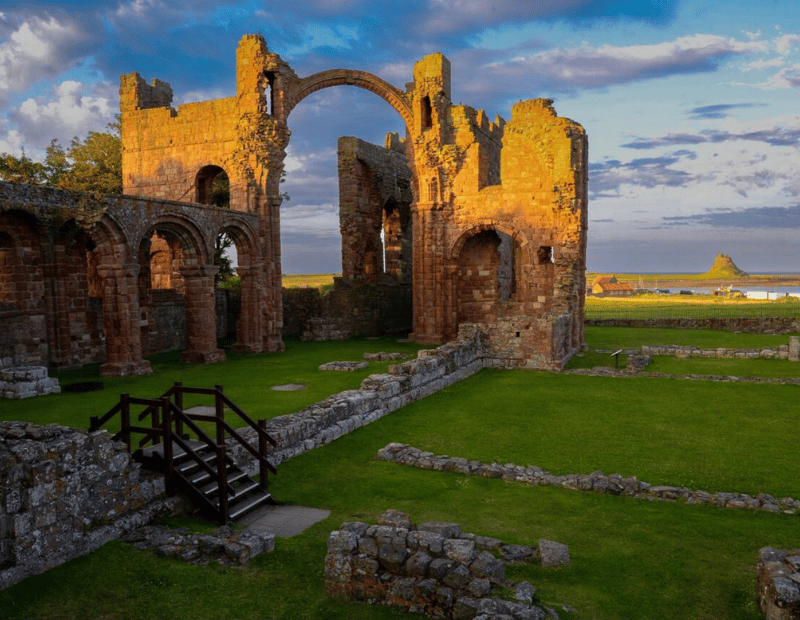
The permanent conversion of northern Anglo-Saxon Britain was driven by a powerful, highly distinctive Celtic Christian movement that spread from the island of Iona, establishing its primary English base at Lindisfarne in 635. While the southern kingdoms were being reached by Roman missions, this northern enterprise was anchored on the isolated Hebridean island of Iona, where the Irish prince and monk Saint Columba had founded a monastery in 563.
The monks of Iona practiced a distinct form of Celtic Christianity focused on personal isolation, intense ascetic monastic life, and a deep reverence for nature, completely separate from the legal style and urban administrative layout of the Roman Church. When the exiled Prince Oswald of Northumbria returned to claim the throne after his victory at the Battle of Heavenfield, he turned to Iona for help, bringing the monk Saint Aidan to plant the faith across the northern wilderness.
Saint Aidan arrived in Northumbria in 635 and chose the tidal island of Lindisfarne to serve as his episcopal see, constructing a simple wooden monastery that became known as the Holy Island. Rather than staying behind stone walls, Aidan and his monks traveled on foot through remote valleys, waterlogged marshes, and peasant villages to preach the gospel to commoners and nobility alike. King Oswald often traveled alongside Aidan to translate his Gaelic sermons for the English court, creating an unyielding partnership between the crown and the church that facilitated the construction of royal monasteries like Melrose and Coldingham. This missionary network spread out from Lindisfarne to establish new outposts across the north, building a custom-based spiritual system that rivaled the Roman mission in Canterbury, and cultivating a visual culture that culminated decades later in the creation of the magnificent Lindisfarne Gospels.
The Lindisfarne network expanded its geopolitical reach when Saint Finan succeeded Aidan in 651, constructing a larger cathedral built of hewn oak and thatched with reeds to handle the growing numbers of converts. Finan actively projected Northumbrian spiritual influence southward into the midland shires, baptizing King Peada of Mercia and King Sigeberht II of the East Saxons at the royal estate of At-Wall. Finan subsequently consecrated Saint Cedd as Bishop of the East Saxons, who established influential monastic beachheads at Bradwell-on-Sea and Tilbury, while Saint Diuma was dispatched to govern the expansive Mercian diocese.
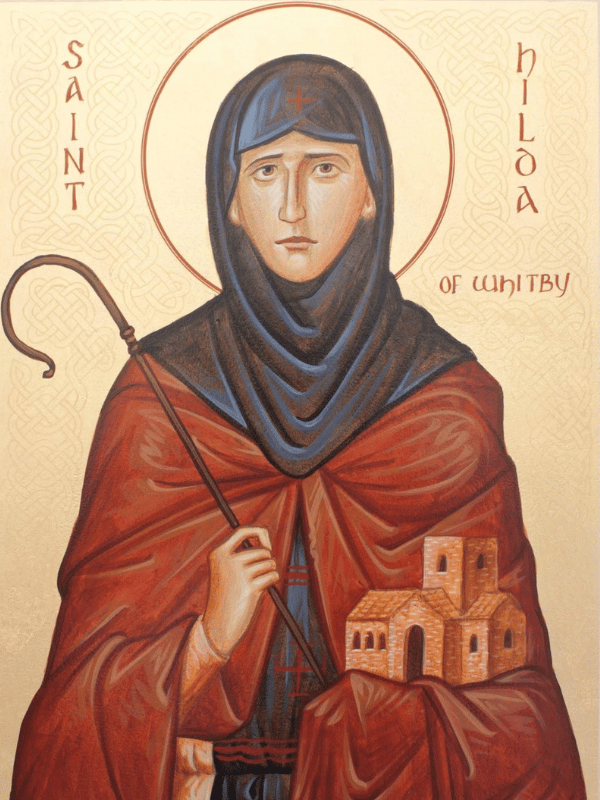
Simultaneously, the holy woman Saint Hilda of Whitby established the double monastery of Streoneshalch (Whitby) around 657, which became a premier center of learning, literature, and political assembly. By planting these highly active, autonomous Celtic outposts straight into the heart of England, the Lindisfarne network successfully converted the majority of the Anglo-Saxon heptarchy, setting up a major structural and liturgical confrontation with the Roman hierarchy over the religious future of the island.
Further Information: The Gaelic Monastic Network and North Frontier
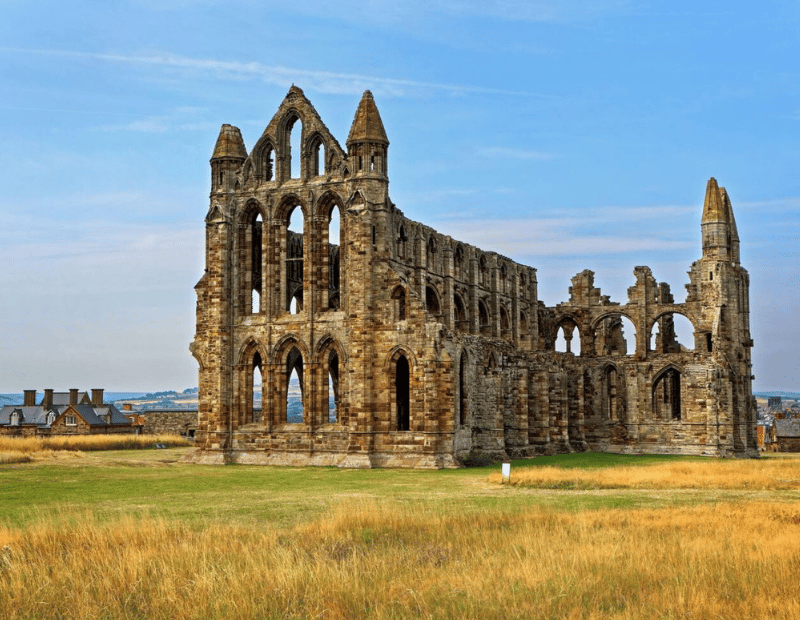
The Synod of Whitby
664 AD
Additional Information: Anglo-Saxon England / The Synod of Whitby
The Synod of Whitby in 664 resolved the deep structural and liturgical division between the Roman and Celtic Christian traditions by permanently binding the English Church to the calendar, theology, and administrative authority of Rome. The primary catalyst for this historic confrontation centered on how the two movements calculated the correct date for Easter.
Because the Roman Church used an updated Alexandrian paschal cycle while the Celtic churches adhered to an outdated 84-year lunar cycle, the royal court of Northumbria was thrown into absolute liturgical chaos. King Oswiu of Northumbria celebrated Easter Sunday according to Celtic calculations while his queen, Eanflæd of Kent, who had been raised under the Roman system, was still fasting for Palm Sunday. Recognizing that this domestic deadlock threatened the administrative stability of his kingdom, Oswiu summoned the leading churchmen of the realm to settle the matter at a grand ecclesiastical assembly at Whitby Abbey, then a highly influential double monastery of men and women known as Streoneshalch overseen by the royal Abbess Saint Hilda of Whitby.
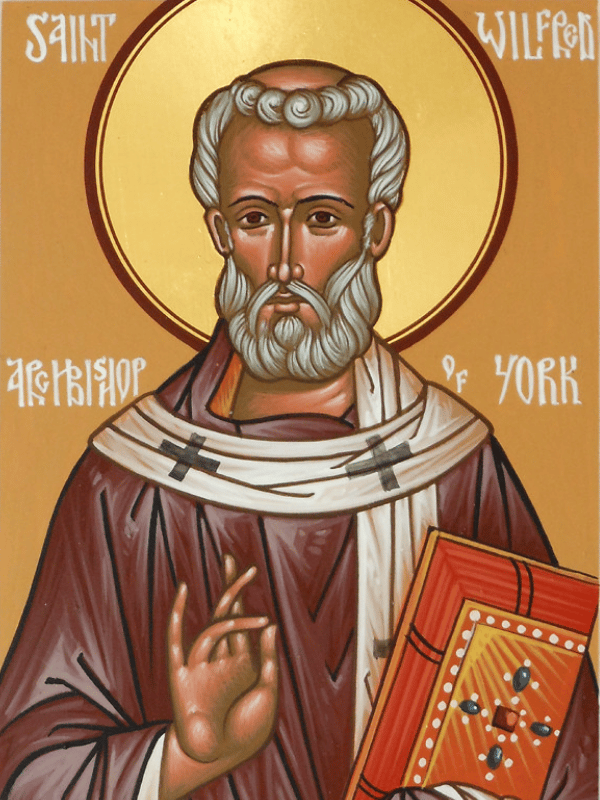
The intense debate at Whitby was spearheaded by the ambitious Northumbrian churchman Saint Wilfrid, then serving as the Abbot of Ripon, who argued aggressively for the Roman system on behalf of Agilbert, the Frankish Bishop of the West Saxons. Wilfrid pointed out that Roman customs were backed by the supreme apostolic authority of Saint Peter and followed universally across France, Italy, Africa, Greece, and the wider Christian world.
The Celtic defenders, led by Saint Colman, the Bishop of Lindisfarne, stood up for the ancient, local traditions of Saint Columba, arguing that their custom had been validated by generations of holy men who had defended the northern wilderness against paganism. King Oswiu brought the rhetorical battle to a sudden, decisive end by asking both sides if they agreed that Christ had granted the keys of heaven to Saint Peter. When Colman admitted this was true, the king declared that he would obey the rules of the celestial gatekeeper to avoid being locked out of paradise when he arrived at the gates.
This watershed decision established the Roman method for calculating Easter and mandated the Roman coronal tonsure across the island, bringing a swift end to decades of localized administrative friction. The immediate achievement of the synod was the structural unification of the fragmented Anglo-Saxon heptarchy under a single, uniform system of church law and calendar alignment, paving the way for the sweeping structural reforms of Archbishop Theodore of Tarsus.
While the ruling caused Bishop Colman and a committed group of Irish and English monks to resign their offices and retreat to Iona in protest, it ensured that the nascent English Church grew up as an integrated part of mainstream Western European culture, facilitating the rapid influx of continental art, stone architecture, book production, and legal infrastructure into the northern shires.
Further Information: The Synod of Whitby
The Reforms of Theodore of Tarsus
668 – 690 AD
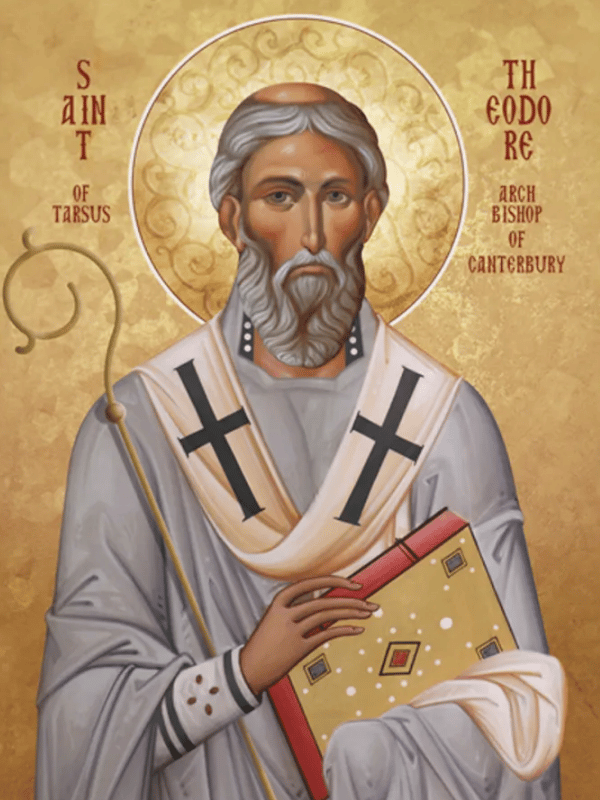
Theodore of Tarsus established the uniform administrative layout of the English Church between 669 and 690, dividing vast tribal bishoprics into smaller territorial dioceses and laying the blueprints for the modern parish system.
Appointed as Archbishop of Canterbury by Pope Vitalian in 668 following the sudden plague death of the previous candidate, the seventy-year-old Greek scholar and native of Cilicia arrived on a fractured island where many bishop seats sat vacant due to a devastating epidemic and local church customs remained deeply divided. Accompanied by his close advisor, the North African scholar Hadrian the Abbot, Theodore recognized that spiritual unity required an orderly administrative system that could operate across rival Anglo-Saxon borders. He toured the country, filling empty bishoprics, establishing a uniform code of church law through his Poenitentiale Theodori, and introducing advanced Greek and Latin scholarship to the influential school at Canterbury.
To codify this structural transformation, the Archbishop summoned the landmark Council of Hertford on 24 September 673. This historic assembly marked the first time that church leaders from every rival Anglo-Saxon kingdom gathered to pass joint canonical decrees, establishing the legal unity of the English Church decades before the political unification of the country under the West Saxon kings. The council passed ten binding canons, which legally prohibited bishops from interfering in neighboring dioceses, protected monastic property from episcopal extraction, enforced the Roman calculation of Easter, and strictly regulated the mobility of wandering monks and clergy. This legislative baseline provided the church with a powerful constitutional autonomy, allowing it to function as a coherent national body that transcended the volatile frontier lines of the heptarchy.
Theodore's most enduring achievement was the systematic division of the vast, sprawling tribal bishoprics into smaller, manageable territorial districts known as dioceses. Instead of allowing a single bishop to rule over an entire sovereign kingdom, he carved out precise boundary lines around central towns, placing each district under a local prelate who answered directly to the metropolitan see of Canterbury. For instance, he split the enormous East Anglian see into the dioceses of Elmham and Dunwich, and partitioned the massive midland kingdom of Mercia into five separate sees at Lichfield, Leicester, Worcester, Hereford, and Lindsey.
This aggressive administrative centralization triggered a fierce constitutional clash with the ambitious Saint Wilfrid, the Bishop of Northumbria, who flatly refused to allow his sprawling northern see to be carved up. Theodore successfully bypassed Wilfrid's resistance by securing the military backing of King Ecfrith of Northumbria, creating separate dioceses at York, Hexham, Lindisfarne, and Whithorn, while forcing Wilfrid into a bitter cycle of continental exile.
To support this hierarchy at the grassroots level, Theodore encouraged local landowners and thegn aristocrats to construct permanent stone chapels on their rural estates. By assigning a resident priest to each estate and granting them the right to collect local agricultural tithes—a compulsory ten-percent tax on crops and livestock—these reforms embedded the church into the daily life of every rural village. This operational shift created a network of local parishes that outlived the Anglo-Saxon heptarchy, transforming the church from an elite itinerant mission into an enduring territorial network that anchored English society for over a thousand years.
Further Information: The Reforms of Theodore of Tarsus
Feudal Restructuring After the Norman Conquest
1070 – 1089 AD
Additional Information: Norman England / Norman Feudalism and the Destruction of the Native Elite / William II and Conflict with the Church, The Evolution of the English Language / The Norman Conquest and French Court Vocabulary
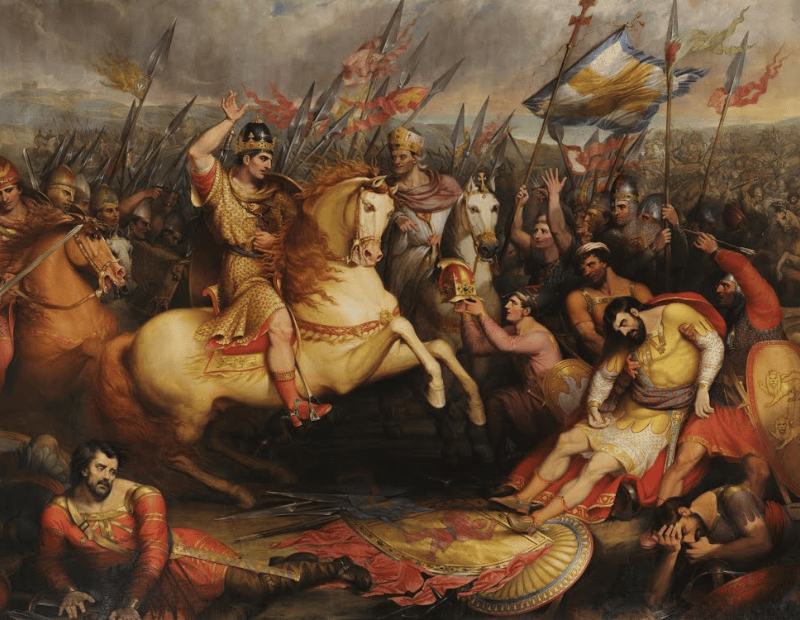
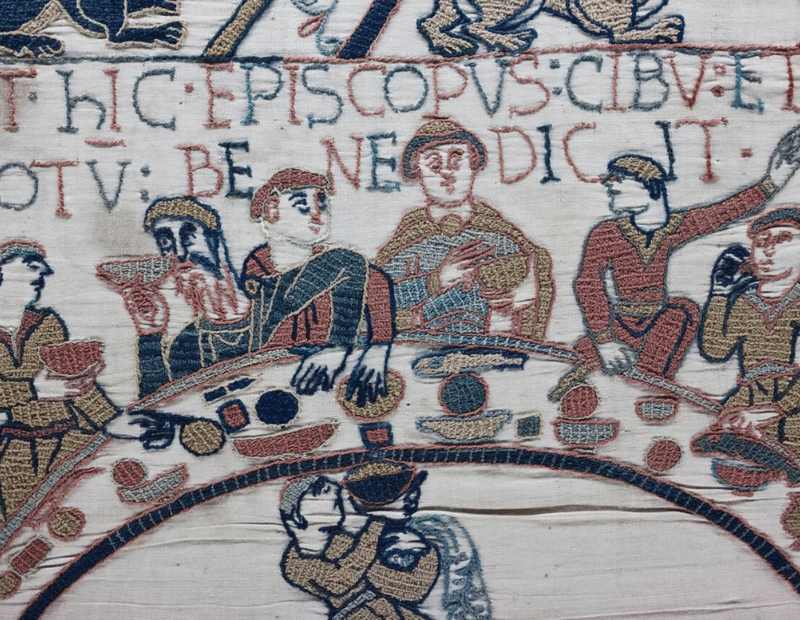
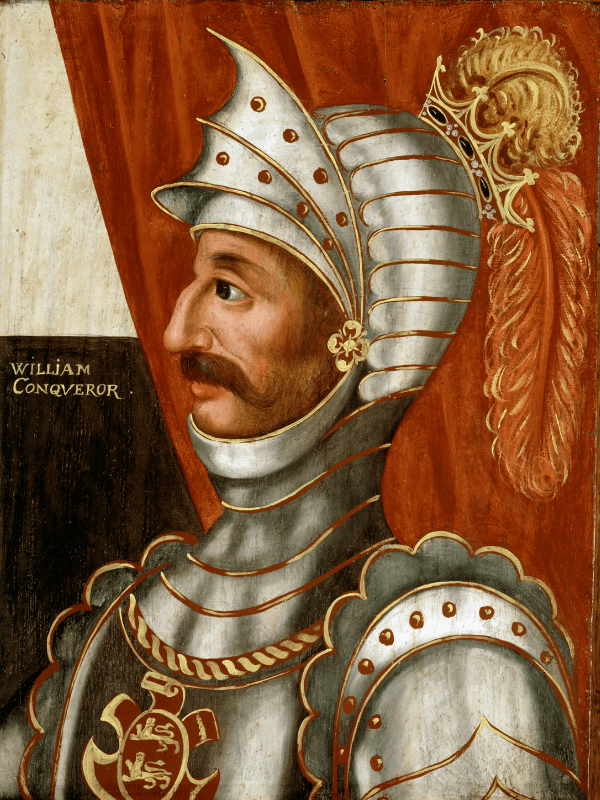
The comprehensive reorganization of the English Church after 1066 systematically transformed the native Anglo-Saxon institution into a highly centralized, feudal pillar of the Norman state under the joint command of King William I the Conqueror and his primary administrator, Lanfranc.
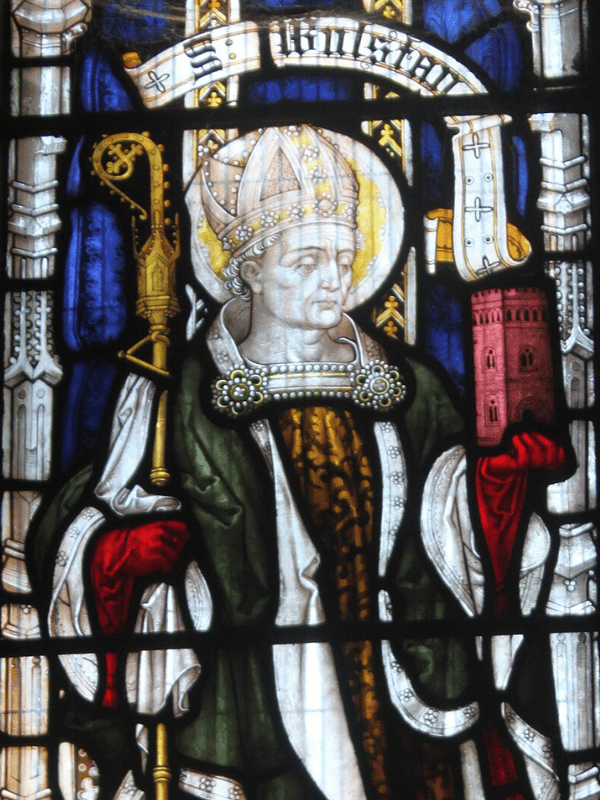
Recognizing that the long-term security of his newly conquered nation depended on replacing the native Anglo-Saxon leadership with loyal continental supporters, the King utilized visiting papal legates to forcefully depose the uncanonical pluralist Archbishop of Canterbury, Stigand, at the Council of Winchester in 1070. In his place, the monarch appointed Lanfranc, a brilliant Italian scholar, theologian, and legal expert who had previously served as the Abbot of the newly founded Abbey of Saint-Étienne in Caen, Normandy.
Lanfranc launched a systematic program to strip native English bishops and abbots of their positions, utilizing a series of specialized church synods to investigate their lack of Latin literacy, non-continental marriage customs, and alleged canonical irregularities. By 1080, Saint Wulfstan, Bishop of Worcester, was the only native English prelate left in possession of his see; nearly every other senior seat in the church was occupied by an aggressive Anglo-Norman noble, cementing continental control over the wealth of the English church.
Under Lanfranc’s rigorous legal direction, the church was integrated into the Norman feudal hierarchy, forcing bishops and abbots to hold their vast agricultural estates directly from the King as tenants-in-chief. In exchange for these extensive land holdings, senior churchmen were legally compelled to provide the crown with a fixed quota of fully armed knights (servitium debitum) to serve for forty days of military service per year and swear solemn oaths of fealty directly to the monarch at the royal court.
To separate spiritual matters from secular politics, Lanfranc issued a royal ordinance separating the church courts from the traditional hundred and shire courts, establishing a distinct system of ecclesiastical tribunals to try religious offenses under Roman canon law and expanding the jurisdictional authority of the clergy. Simultaneously, Lanfranc asserted the absolute supremacy of Canterbury over York, forcing Thomas of Bayeux, Archbishop of York, to submit to his metropolitan authority after a bitter administrative battle, ensuring a single, centralized hierarchy that could efficiently communicate royal edicts to the parishes.
Concurrently, the administration systematically moved rural Anglo-Saxon bishop seats into fortified urban centers where new royal castles were being constructed to secure the territory. Under the canonical decrees of the Council of London in 1075, the remote see of Dorchester-on-Thames was moved to Lincoln, the see of Elmham was moved to Thetford and subsequently to Norwich, and the see of Sherborne was moved to Old Sarum, placing church authority directly within the new networks of royal military control. Similarly, the see of Lichfield was moved to Chester and later to Coventry, while the see of Selsey was relocated to Chichester.
By building massive, stone Norman cathedrals—such as Durham, Ely, Winchester, and the completely rebuilt Canterbury—that physically towered over the conquered Anglo-Saxon populations, these reforms broke the isolation of the old native church. These monumental building projects introduced Romanesque architecture and the strict Monastic Constitutions of Lanfranc, turning the clergy into the primary administrative, financial, and legal engine of the Anglo-Norman state.
Further Information: Feudal Restructuring After the Norman Conquest
Crown Courts vs Church Tribunals
1164 – 1170 AD
Additional Information: The Plantagenet Era / The Constitutions of Clarendon
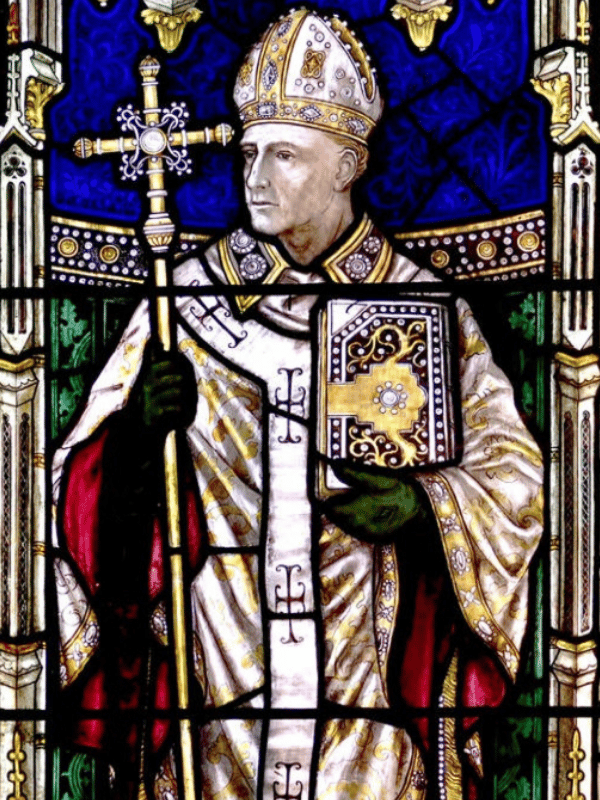
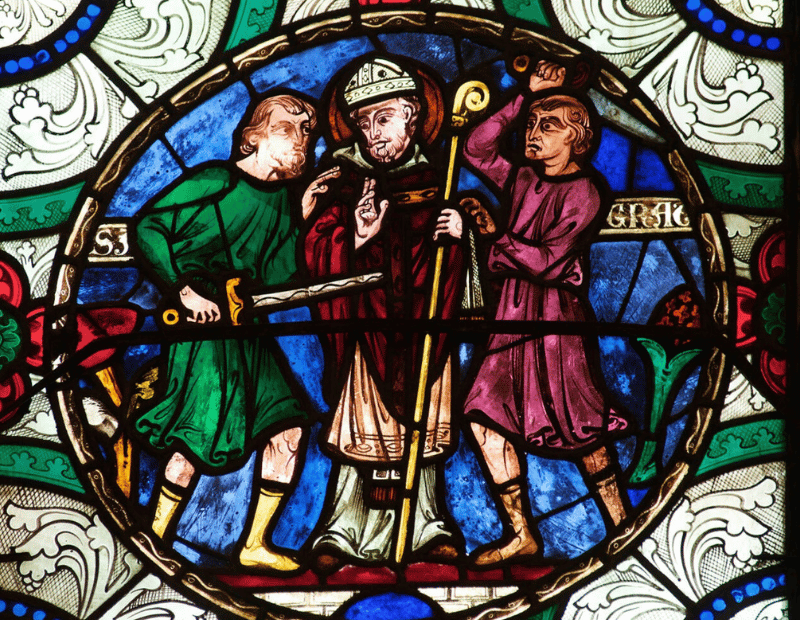
The murder of Archbishop Thomas Becket on 29 December 1170 marked the catastrophic climax of a bitter constitutional battle between King Henry II and the Church, forcing the crown to abandon its attempts to subordinate criminal clerics to secular justice.
Under laws established during the Norman Conquest, anyone holding even minor orders in the church—amounting to roughly one-sixth of the adult male population, including tonsured clerks, door-keepers, and cooks—could claim the privilege known as the benefit of clergy. This legal mechanism allowed them to have their criminal trials heard exclusively in independent church courts rather than standard royal courts. Because these ecclesiastical tribunals could not hand down punishments that shed blood under Roman canon law, a clerk guilty of murder, rape, or theft was merely stripped of his clerical rank and given a spiritual penance, completely escaping public execution, hanging, or mutilation by the royal sheriffs and creating a parallel justice system that deeply undermined the absolute authority of the crown.
King Henry II determined to crush this jurisdictional loophole, issuing the Constitutions of Clarendon in January 1164. This legislative document consisted of sixteen specific articles designed to compel church courts to hand over convicted, defrocked clerics to royal sheriffs for secular execution, while outlawing any appeals to the Pope in Rome without explicit royal permission.
This expansion of royal power was fiercely resisted by Thomas Becket, whom Henry had strategically appointed Archbishop of Canterbury in 1162 in the absolute belief that his old companion and former chancellor would help him subordinate the church to the state. Instead, Becket transformed into an uncompromising defender of church privileges, fleeing into a six-year European exile after refusing to sign the royal decrees. Operating from continental sanctuaries, the Archbishop used his spiritual authority to excommunicate the King’s loyal ministers and bishops, effectively paralyzing the administrative chancellery of the Angevin Empire.
Though a temporary peace brokered at Fréteval allowed the archbishop to return to Canterbury in early December 1170, his immediate actions shattered the fragile truce. Before even setting foot on the English coast, Becket dispatched cross-Channel messengers to excommunicate the three high-ranking prelates who had flagrantly violated Canterbury's ancient monopolies by crowning the King's heir, young Prince Henry, at Westminster Abbey. These targets were Roger de Pont L'Évêque, Archbishop of York, Gilbert Foliot, Bishop of London, and Jocelin de Bohon, Bishop of Salisbury.
When these humiliated prelates traveled to Henry II's winter court at the castle of Bur-le-Roi in Normandy to report the censure, their accounts drove the monarch into a furious rage. The King unleashed his legendary outburst, shouting to his crowded hall: "What miserable drones and traitors have I nourished and promoted in my household, who let their lord be treated with such shameful contempt by a low-born clerk!"
Four powerful royal knights of the household—Reginald FitzUrse, Hugh de Morville, William de Tracy, and Richard le Breton—interpreted this public condemnation as a direct executive mandate. Slipping away from the Norman court, they crossed the English Channel independently and converged at Saltwood Castle in Kent to plan their assault. On the afternoon of 29 December 1170, the armed assassins forced their way into the archiepiscopal palace, confronting Becket in his private chambers before tracking him into the cathedral transept where the monks were singing vespers. Refusing to bolt the doors to the sanctuary, Becket stood before the altar of Saint Benedict. The knights struck him down with four successive sword blows, split the crown from his skull, and scattered his brains across the stone floor, instantly transforming the cathedral transept into a crime scene that shocked Western Christendom.
The atrocity turned Becket into an instant global saint, forcing a humiliated Henry II to perform public penance at Avranches in 1172 and Canterbury in 1174—where he was stripped naked and whipped by monks—permanently preserving the independent jurisdiction of the church courts for centuries.
Further Information: Crown Courts vs Church Tribunals
Innocent III, the Five-Year Interdict, and Submission of John I
1208 – 1213 AD
Additional Information: The Plantagenet Era / King John and the Loss of Normandy, King John and the Magna Carta
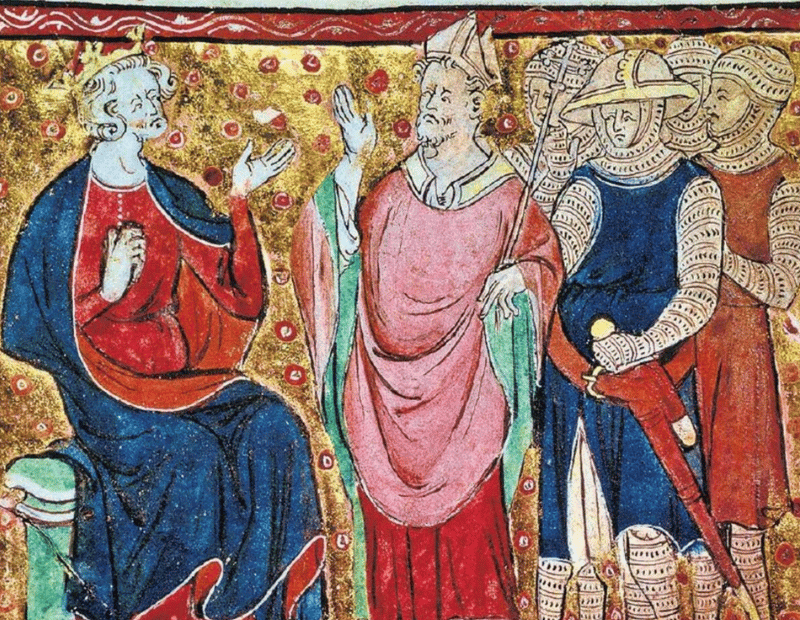
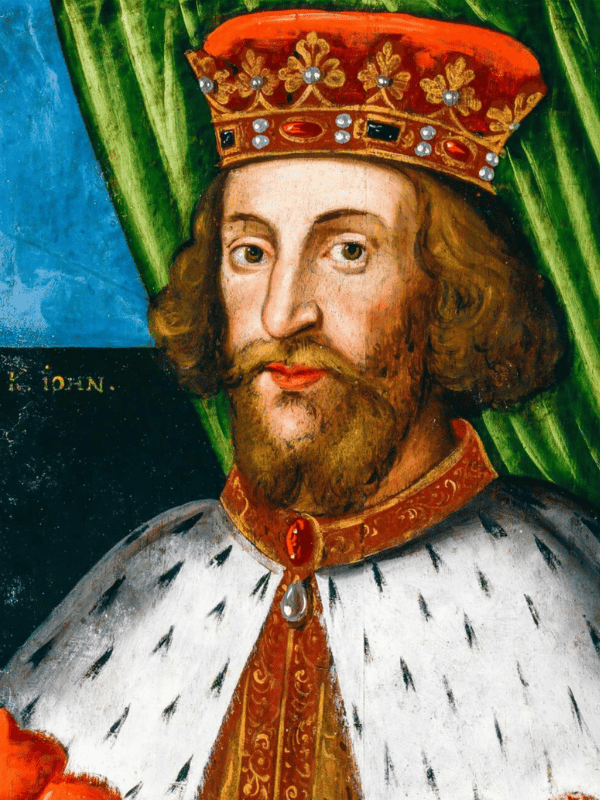
The fierce appointment dispute over the see of Canterbury led to Pope Innocent III placing England under a devastating five-year papal Interdict in March 1208, ultimately forcing John I to surrender his sovereign kingdoms to the papacy as a feudal fief in 1213. The structural conflict began following the death of Archbishop Hubert Walter in July 1205. The cathedral monks of Canterbury secretly elected their junior sub-prior, Reginald, and smuggled him across the English Channel to secure rapid papal confirmation. Upon discovering this betrayal, an enraged king marched on Canterbury with an armed force, threw out the monks, and forced a separate, rigged election of his loyal royal favorite, John de Gray, Bishop of Norwich, completely fracturing the canonical baseline of the church.
Pope Innocent III rejected both candidates at the papal court in Rome. Asserting the absolute legal right of the papacy to fill vacant sees, he appointed Stephen Langton—an English scholar, theologian, and cardinal living in Rome—to the vacant seat, personally consecrating him in June 1207. When the monarch flatly refused to let Langton land on the English coast, banned his letters, and confiscated the vast agricultural lands of the Canterbury monks, the Pope retaliated by placing the entire kingdom under an Interdict on 24 March 1208.
The Interdict forcefully halted the daily spiritual life of the country for over five years, closing church doors, locking up the sacraments, and banning public religious services. Church bells remained silent across the shires, the dead were buried without Christian prayers in unconsecrated ditches or town dump heaps, and marriages could only be performed outside on church porches. King John exploited the crisis to boost his finances, systematically seizing the revenues, manors, and properties of all bishops, abbots, and monasteries that obeyed the Pope, filling the royal treasury with over £100,000 in confiscated church assets. The Pope escalated the conflict by formally excommunicating the monarch in November 1209, releasing his subjects from their oaths of loyalty and declaring his crown vacant.
Facing a massive French invasion fleet assembled by King Philip II of France and a domestic rebellion by his own barons, the monarch performed a tactical surrender in May 1213. At the Templar Church in Ewell, near Dover, the King submitted to the papal legate, Pandulf Verraccio. John knelt before the legate, handed over the kingdoms of England and Ireland to Innocent III, and took a solemn oath of fealty to receive them back as a papal fief. This submission forced the King to pay an annual tribute of one thousand marks to Rome, accept Langton as archbishop, and repay £27,000 to the exiled bishops, but it secured the papal support he required to navigate the upcoming crisis of Magna Carta.
Further Information: Innocent III, the Five-Year Interdict, and Submission of John I
John Wycliffe and the First English Bible
1377– 1415 AD
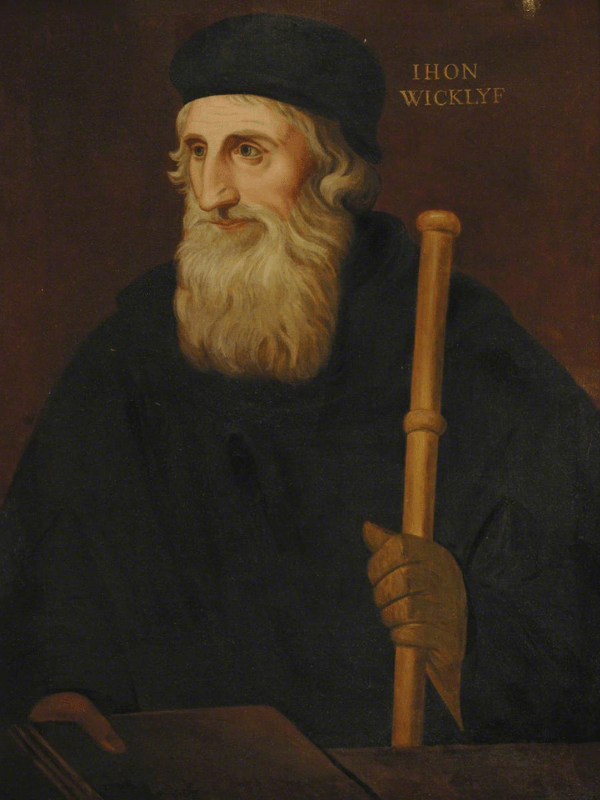
The translation of the Bible into the English vernacular around 1382 by John Wycliffe and his followers launched the Lollard movement, triggering a severe crown campaign that criminalized the possession of English scriptures. The challenge to the authority of the Latin Church emerged during the late fourteenth century through an underground movement that sought to dismantle the wealth and power of the clergy.
This insurgency was sparked by John Wycliffe, an Oxford theologian and rector of Lutterworth who criticized the wealth of the bishops, rejected the doctrine of transubstantiation, and attacked papal supremacy. He argued that the Pope was the Antichrist and that the secular state held the absolute legal right to confiscate the corrupt financial property of the monasteries.
Believing that every individual should have access to the word of God, Wycliffe and his academic followers at Oxford—including Nicholas of Hereford and John Purvey—undertook the translation of the entire Bible from the Latin Vulgate into the English vernacular for the first time, completing the initial drafts around 1382 AD. Because the traditional church hierarchy viewed an English Bible as an existential threat to its monopoly over salvation, the authorities launched a campaign to eradicate Wycliffe's preachers, who were mockingly branded as Lollards (literally "mumblers").
Following Wycliffe’s death from a stroke, the crown reinforced the power of the bishops by passing the statute De Heretico Comburendo in 1401 under the newly crowned King Henry IV. This legislation made heresy and the possession of unapproved English scriptures a capital crime punishable by being tied to a wooden post and burned alive in public. Archbishop Thomas Arundel tightened this legal lockdown by issuing the Constitutions of Oxford in 1407, which outlawed any new translations of the Bible and made it illegal to read any vernacular scripture produced in Wycliffe's time without explicit diocesan approval.
Despite intense state persecution and the execution of high-ranking Lollard leaders like Sir John Oldcastle, 1st Baron Cobham, who was hung in chains and burned suspended over a fire in 1417 following his failed rebellion, the underground network survived in small, secret communities across the Chiltern Hills, West Midlands, and Kent. These secret cells copied fragments of the English Bible by hand under the cover of night, preserving the anti-clerical sentiment that would ignite the English Reformation a century later.
Further Information: John Wycliffe and the First English Bible
The Act of Supremacy: Nationalisation of the Faith
1534 AD
Additional Information: The Tudor Period / The Royal Supremacy and the Break from Papal Rome
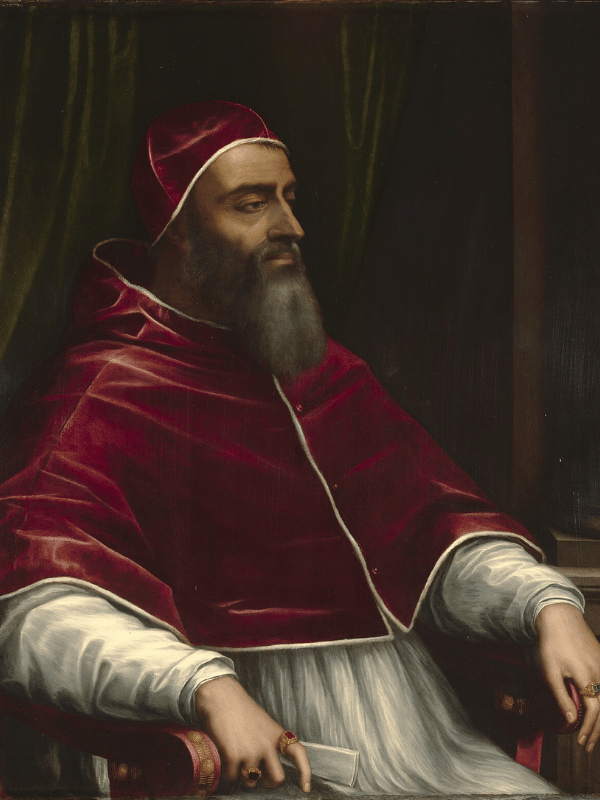
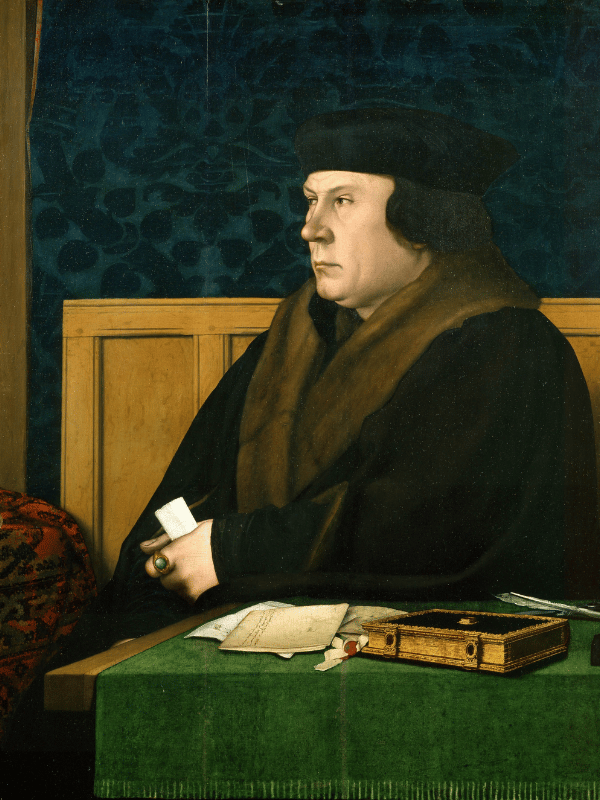
The passage of the Act of Supremacy in November 1534 severed all financial and legal ties between England and the Holy See, declaring Henry VIII to be the sole Supreme Head of the Church of England. Driven by the necessity to invalidate his marriage to Catherine of Aragon and secure a male heir with Anne Boleyn, Henry VIII spent years attempting to extract an annulment from Pope Clement VII.
When the papacy delayed a final decision due to pressure from the Holy Roman Emperor, Charles V, the King and his chief minister, Thomas Cromwell, chose to bypass Rome entirely. They deployed the Westminster Parliament to pass a sequence of statutory laws, including the Act in Restraint of Appeals in 1533, which criminalised any further legal appeals to the Pope as acts of treason against the state, famously declaring that "this realm of England is an empire."
The climax of this legislative offensive arrived in November 1534 with the passage of the Act of Supremacy. The act did not seek to alter traditional religious doctrine, but used the absolute authority of Parliament to declare that the reigning monarch was the sole Supreme Head on Earth of the Church of England. This legal shift concentrated all power over appointing bishops, auditing church wealth, and defining heresy inside the hands of the King, absorbing the independent operations of the clergy into the royal state machinery.
By forcing every priest, bishop, and public official to swear a binding oath recognizing this royal supremacy on pain of death under the Treasons Act 1534, Henry VIII destroyed the universal authority of the Latin Church. This transformed a transnational spiritual estate into a nationalised institution bound to the political will of the crown, leading directly to the trial and execution of prominent dissenters like Bishop John Fisher of Rochester and the former Lord Chancellor Sir Thomas More on Tower Hill in the summer of 1535.
Further Information: The Act of Supremacy: Nationalisation of the Faith


Dissolution of the Monasteries
1535 – 1540 AD
Additional Information: The Tudor Period / The tyranny of Thomas Cromwell
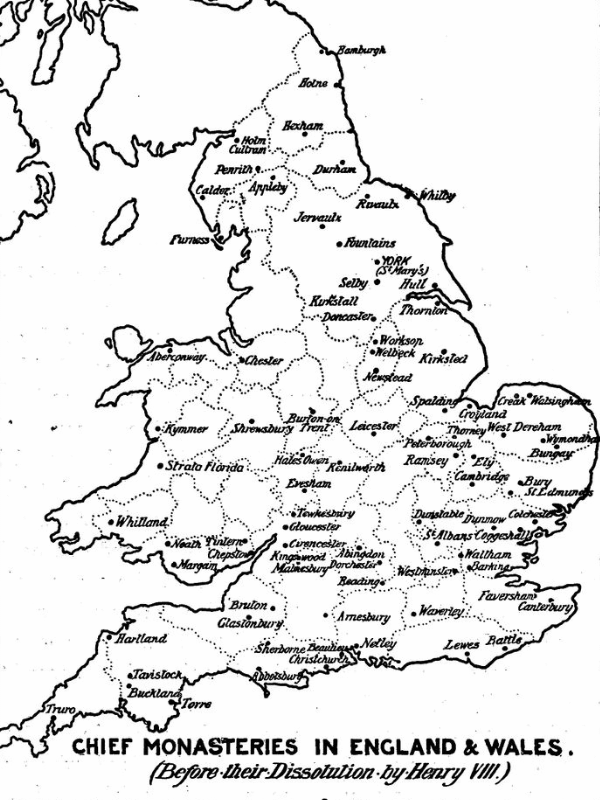
The Dissolution of the Monasteries between 1535 and 1540 dismantled over 800 monastic houses and transferred over one-quarter of England's cultivated land to the crown, marking the largest redistribution of landed wealth since the Norman Conquest.
Driven by severe financial pressure following heavy military spending on border defenses and naval expansion, Henry VIII authorized his chief minister, Thomas Cromwell, to conduct a comprehensive wealth survey of all church properties, recorded as the Valor Ecclesiasticus in 1535. The records unmasked a staggering reality: the monastic houses generated a gross annual income of over £130,000, a sum more than three times the total regular revenue of the royal crown.
Equipped with this ledger, Cromwell sent out teams of highly aggressive secular commissioners to conduct swift visitations of every house, compiling reports that exposed real and manufactured accounts of sexual vice, superstition, and financial fraud to provide a moral justification for state confiscation.
Backed by this survey, Parliament passed a series of statutory suppression acts that dissolved the ancient monastic foundations across England. The Act for the Dissolution of the Lesser Monasteries in 1536 targeted houses with an annual income under £200, such as the priories of Lanercost and Brinkburn.
This act ignited the major armed uprising known as the Pilgrimage of Grace in October 1536, which saw over thirty thousand rebels led by the lawyer Robert Aske march across Yorkshire and the north under the banner of the Five Wounds of Christ. After crushing the rebellion with ruthless executions and using the threat of treason to force the larger institutions into submission, the government passed a second act in 1539, codifying the surrender of the grandest houses in the realm, including Waltham, Glastonbury, and Westminster Abbey.
The physical dismantling and asset tracking of these properties was overseen by the Court of Augmentations, a state department created specifically to handle the influx of confiscated wealth.
Royal officers systematically stripped the properties, melting down over 65,000 ounces of gold and silver plate for the royal mint, tearing the lead roofs off libraries for ammunition, smashing stained glass, and seizing lands that pushed the capital value of the haul past £1 million. Rather than retaining these vast estates to secure long-term revenue, the crown rapidly sold the lands to local gentry and merchants to fund immediate naval projects and coastal fortifications against France. This fire sale created a new class of loyal, landowning Protestant families whose personal wealth was bound directly to the survival of the reformation.
Further Information: Dissolution of the Monasteries


Thomas Cranmer and the Book of Common Prayer
1549 – 1552 AD
Additional Information: The Tudor Period / Edward VI and the Radical Reformation
The passage of the first Act of Uniformity in January 1549 made Thomas Cranmer’s Book of Common Prayer the sole legal text for public worship, replacing Latin services with a uniform English liturgy across all parishes. Following the death of King Henry VIII in 1547, the regency government of the young King Edward VI—led by Edward Seymour, 1st Duke of Somerset—moved away from Henrician Catholicism to embrace full-scale continental Protestantism.
To enforce this radical religious shift, the Archbishop of Canterbury compiled the Book of Common Prayer, drawing from a specialized committee of bishops and Tudor humanists known as the Windsor Commission. Cranmer executed a masterpiece of rhetorical engineering; to replace the sensory power of the Latin Mass, he utilized specific linguistic devices like balanced doublets—pairing phrases to create a driving rhythm, such as "acknowledge and confess" or "sins and wickedness"—adopting a majestic prose cadence that anchored the rhythms of the English language for centuries. Written entirely in the vernacular, this single volume distilled medieval ritual into plain English easily understood by the common people.
The legislature mandated this countrywide switch by passing a strict penal statute, the Act of Uniformity 1549. This law laid down severe punishments for any parish priest who refused to use the English service, while imposing escalating financial fines on citizens who criticized the new liturgy. This national standard provoked immediate opposition, culminating on Whitmonday in 1549 in the Devonshire village of Sampford Courtenay, where traditionalist villagers forcefully compelled their priest to put back on his medieval vestments and perform the old Latin Mass according to the Sarum Missal.
When a local Protestant gentleman, William Hellyons, attempted to enforce the statutory commands of Westminster, the angry crowd cornered him on the church steps and pitchforked him to death. The incident sparked the armed uprising known as the Prayer Book Rebellion across Devon and Cornwall, where traditionalist rebels marched under banners demanding the restoration of the Latin Mass, the Catholic doctrine of transubstantiation, and the traditional Latin rites, famously declaring that the new English service read like a Christmas play.
The government deployed foreign mercenaries under John Russell, 1st Earl of Bedford, to crush the rebellion with ruthless field executions, subsequently issuing a revised, explicitly Protestant version of the prayer book in 1552. This second edition removed all remaining Roman sacramental language and structural remnants. It triggered a systematic, state-sponsored campaign of iconoclasm that physically erased medieval art; churchwardens were legally compelled to whitewash vibrant wall paintings, smash stained-glass windows representing the saints, and physically hack down the Rood screens that historically separated the chancel from the nave.
The 1552 edition replaced traditional stone altars with simple wooden communion tables and introduced the controversial Black Rubric to clarify that kneeling at communion did not imply the physical or real presence of Christ in the elements. Backed by a secondary piece of legislation, the Act of Uniformity 1552, these structural reforms established a state-controlled, uniform Protestant liturgy as a core component of the national identity before the King's sudden death in July 1553 temporarily halted the Protestant advance.
Further Information: Thomas Cranmer and the Book of Common Prayer
Marian Persecutions and the Oxford Burnings
1553 – 1558 AD
Additional Information: The Tudor Period / The Catholic Restoration and Marian Persecutions
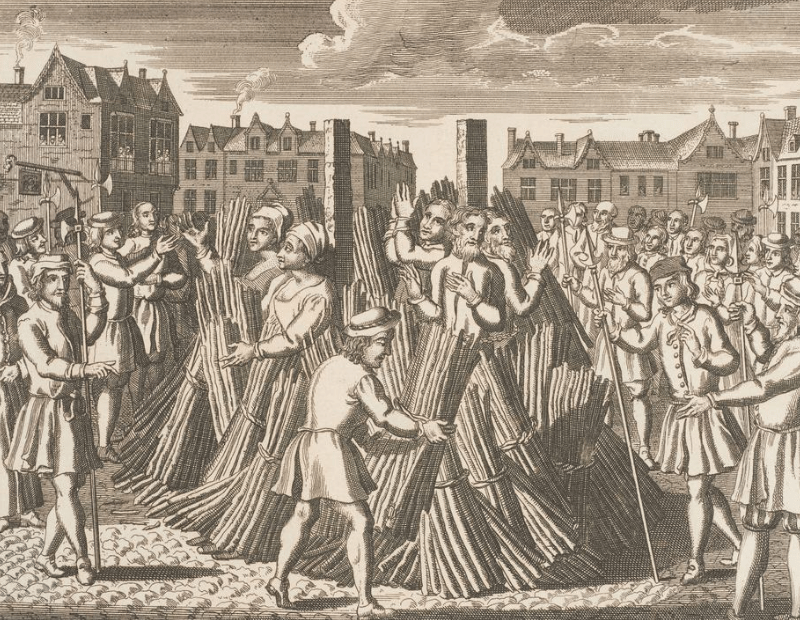
The accession of Queen Mary I in July 1553 reversed the English Reformation, repealing all Protestant legislation and initiating a campaign of public executions that resulted in nearly 300 individuals being burned at the stake for heresy. A devout Roman Catholic, Mary I used her royal prerogative to release imprisoned Catholic bishops, arrest Protestant reformers, and open negotiations with Rome.
In late 1554, Parliament passed the Heresy Acts, which formally revived the ancient medieval statutes De Heretico Comburendo and repealed all Edwardian and Henrician religious laws, ending the royal supremacy and subjecting the Church of England back to the jurisdiction of the Pope. To reinforce this return to Rome, Mary welcomed her cousin, Cardinal Reginald Pole, as papal legate to formally absolve the realm of its schism and subsequently appointed him as Archbishop of Canterbury.
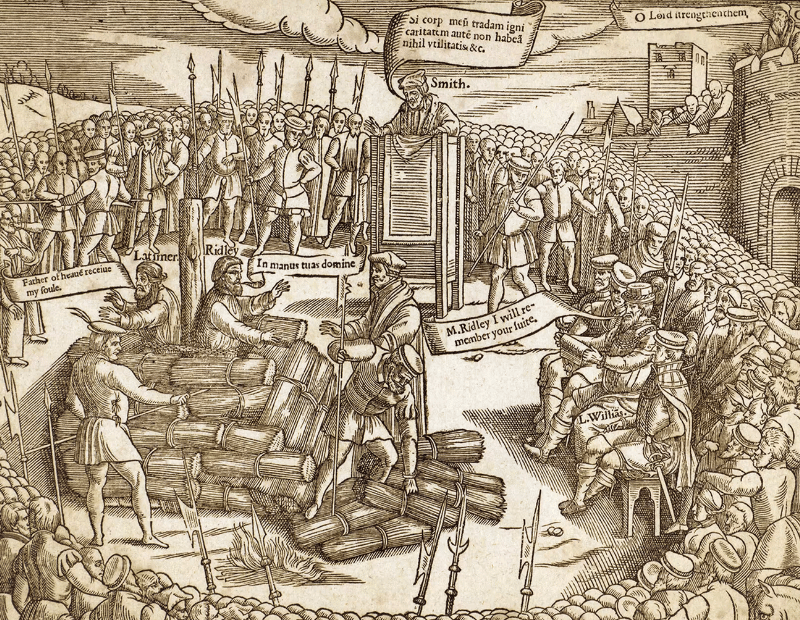
To cleanse the country of Protestant theology, the crown launched a campaign of state persecution that earned the monarch the historical title of "Bloody Mary." Over four years, royal officials burned alive 284 Protestants at the stake for refusing to accept Catholic doctrines like transubstantiation and the authority of the Pope. The details of these executions were later documented by John Foxe in his famous text, Actes and Monuments, commonly known as Foxe's Book of Martyrs. This systematic persecution disproportionately targeted the southeast of England, with high-density executions centered across the dioceses of London, Canterbury, and Norwich, turning public execution grounds into theatres of intense religious resistance.
The climax of this campaign occurred in Oxford, where the chief architects of the reformed church—including Bishop Hugh Latimer, Bishop Nicholas Ridley, and the former Archbishop of Canterbury, Thomas Cranmer—were executed. Latimer and Ridley were burned outside Balliol College in October 1555, prompting Latimer to utter his famous final words: “Be of good comfort, Master Ridley, and play the man; we shall this day light such a candle, by God's grace, in England, as I trust shall never be put out.” Cranmer was forced to watch their deaths before being burned at the same site in March 1556, dramatically thrusting the right hand that had previously signed recantations directly into the flames first. Rather than terrifying the population into submission, these high-profile burnings shocked the public.
The courage shown by the victims transformed them into national martyrs and provoked a deep social hatred of papal authority across England that lasted for generations, securing the immediate return to Protestantism upon Mary's death in November 1558.
The Elizabethan Settlement: The Via Media
1559 AD
Additional Information: The Tudor Period / Elizabeth I: The Elizabethan Religious Settlement
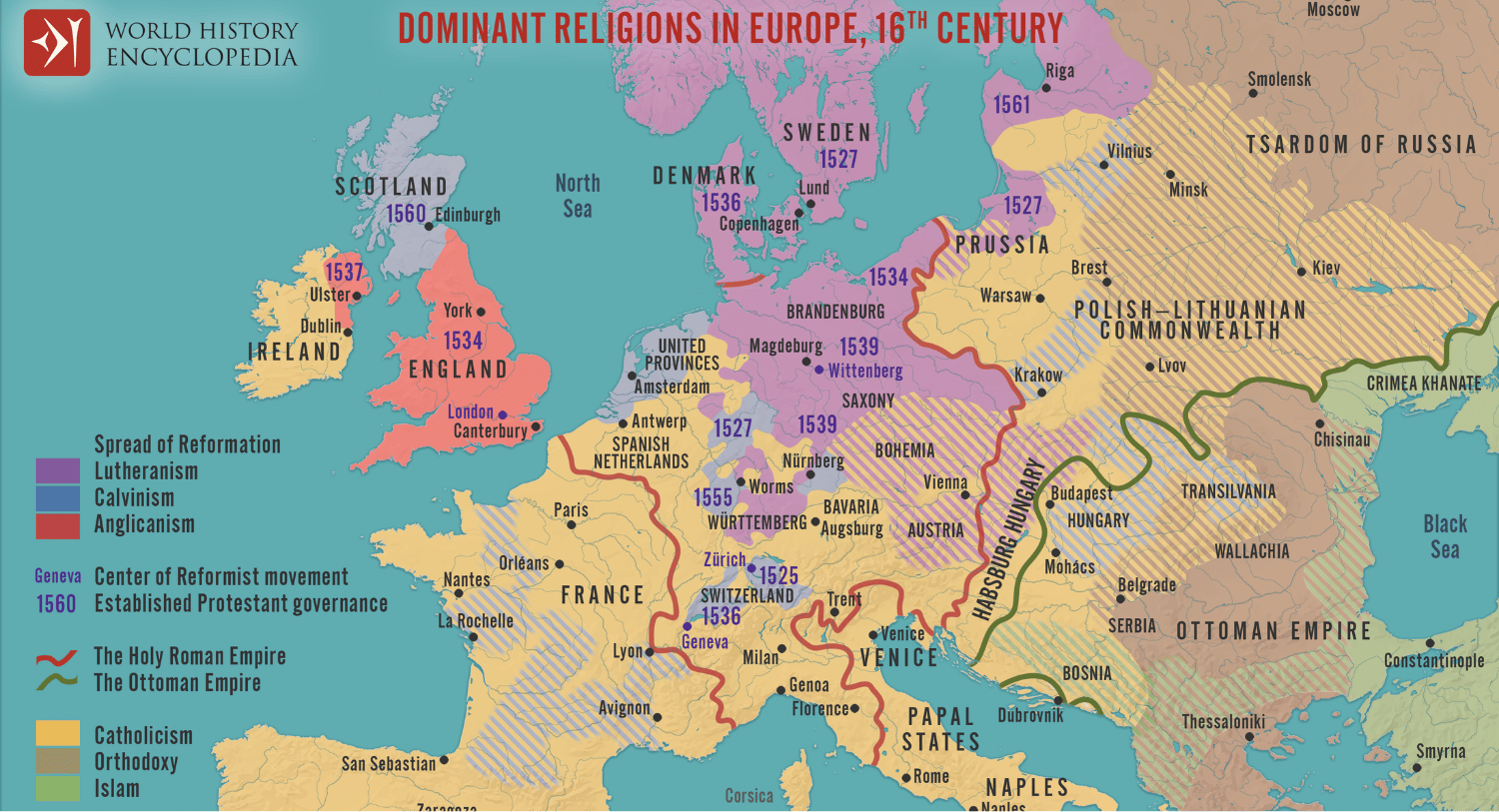
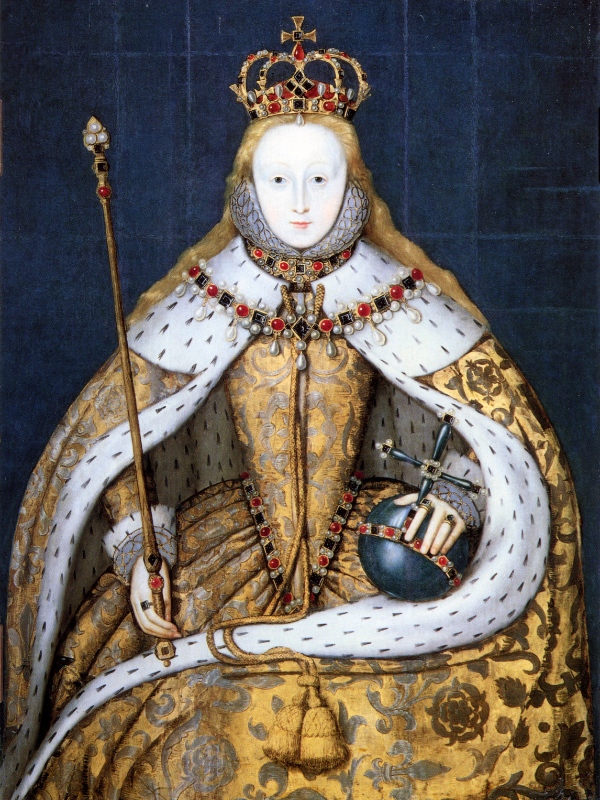
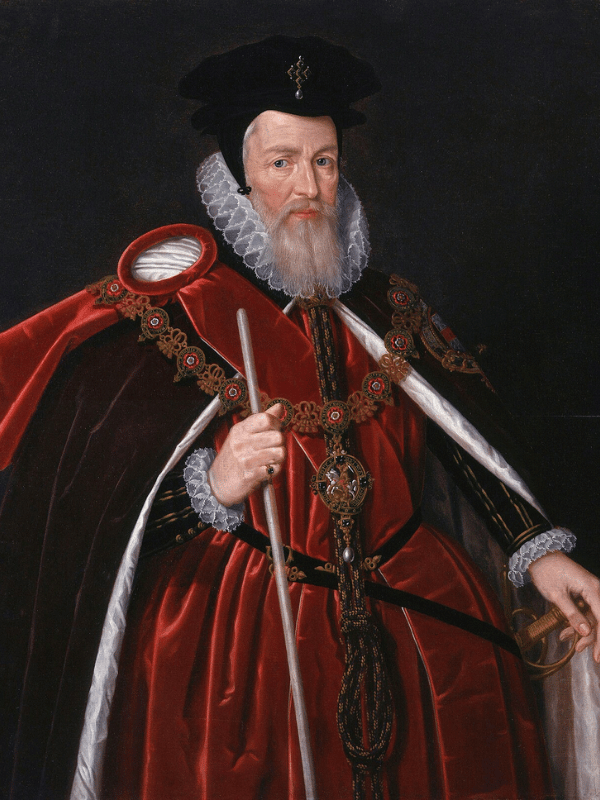
The Elizabethan Religious Settlement of 1559 established the permanent legal identity of the Church of England through a compromise that blended reformed Protestant theology with traditional church hierarchy, creating a middle way known as the Via Media. Seeking to end the destructive cycles of alternating Protestant and Catholic reigns, Queen Elizabeth I and her principal Secretary of State, Sir William Cecil, used the parliament of 1559 to construct a national church capable of unifying a deeply divided population.
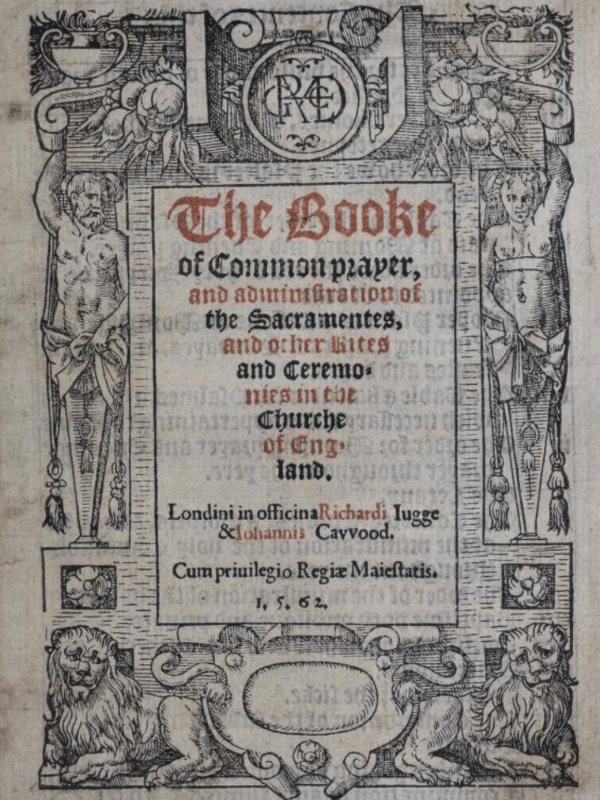
This settlement was delivered through two foundational statutes: the Act of Supremacy 1559, which permanently severed ties with Rome by naming the Queen the "Supreme Governor" of the national church—a tactical title shift designed to soothe those who believed a woman could not be Supreme Head—and the Act of Uniformity 1559, which made a slightly modified version of the 1552 Book of Common Prayer the sole legal liturgy for every parish in the kingdom.
The brilliance of the Elizabethan Settlement lay in its deliberate ambiguity, combining an explicitly Protestant doctrinal core with a conservative, traditional ceremonial appearance. While the church adopted a Protestant theology that rejected papal power, outlawed the invocation of saints, and dismissed monastic vows, it retained the ancient medieval hierarchy of archbishops, bishops, archdeacons, and localized parish boundaries. Church services were conducted entirely in the English vernacular, yet priests were still required to wear traditional vestments, such as the surplice, and congregations continued to kneel to receive the sacrament. This hybrid arrangement was designed to win the outward, patriotic conformity of the conservative Catholic gentry without alienating moderate Protestant reformers.
To enforce this compliance, the Act of Uniformity introduced a twelve-pence fine for recusancy—the crime of failing to attend Sunday service—a financial penalty collected by parish churchwardens that successfully secured the institutional and financial future of the Church of England while avoiding the public executions of the previous reign.
Archbishop Laud, Arminian Uniformity, and the Puritan Backlash
1625 – 1640 AD
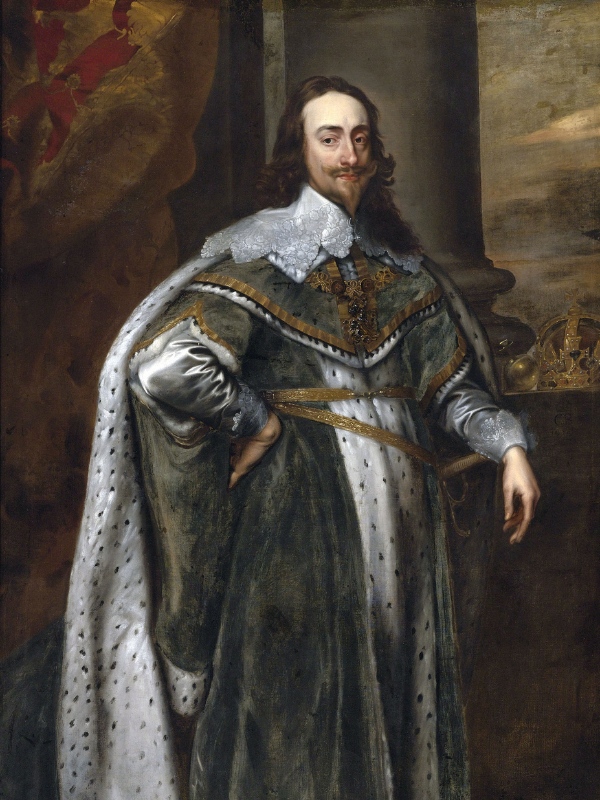
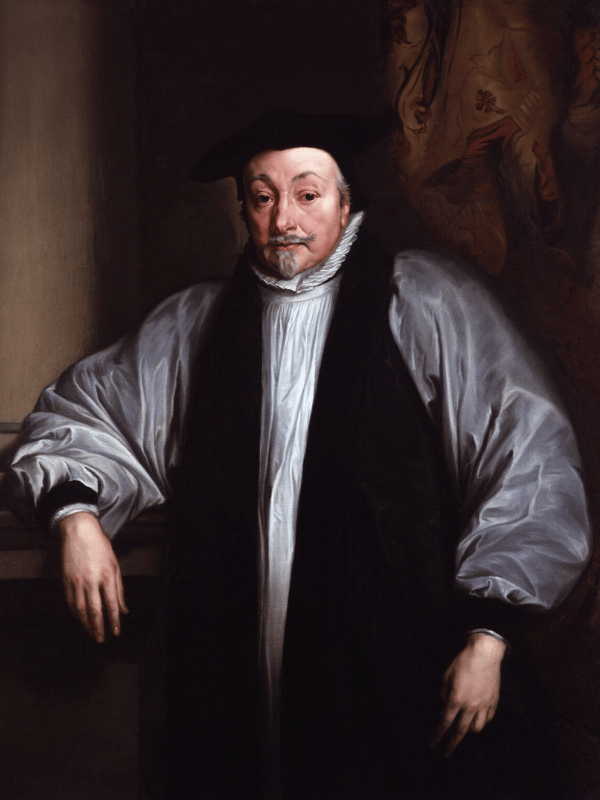
The appointment of William Laud as Archbishop of Canterbury in 1633 triggered an intense religious conflict by aggressively enforcing a ceremonial, Arminian style of worship that alarmed the Puritan establishment and led to the Bishops' Wars. Laud belonged to the Arminian faction of the church, which rejected strict Calvinist ideas about double predestination, asserting instead that God's grace was universally available. He sought to restore pre-Reformation ritual, physical beauty, and administrative order to English parishes through a policy he termed the "Beauty of Holiness".
Operating with the support of the royal prerogative under King Charles I during the era of Personal Rule, Laud launched a program to standardize public worship. He forced ministers to bow at the name of Jesus, wear traditional surplice vestments, and move the communion table from the center of the nave to the eastern end of the chancel, permanently fixing it as a sacrificial altar behind protective wooden rails—a physical layout that many ordinary people viewed as a covert return to Roman Catholicism.
To enforce this ceremonial uniformity, Laud deployed the arbitrary prerogative courts of the Court of High Commission and the Star Chamber, bypassing the protections of the common law. These tribunals systematically arrested, fined, and publicly mutilated radical Puritan critics. A famous example occurred in June 1637 when the lawyer William Prynne, the clergyman Henry Burton, and the physician John Bastwick were stood in the pillory at Westminster, publicly whipped, had their ears cropped, and had their cheeks branded with the letters "S.L." (Seditious Libeller) for publishing anti-episcopal tracts. This state coercion provoked widespread fury across the country, as the Puritan gentry, provincial magistrates, and London merchant classes came to view the King's religious policies as a direct assault on both their Protestant faith and their parliamentary liberties.
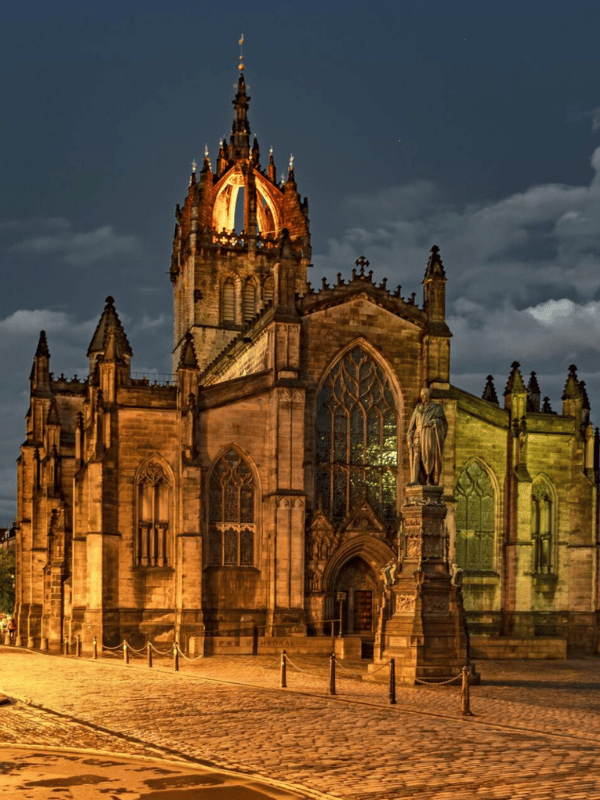
When Charles I and Laud attempted to expand this conformity in July 1637 by forcing a new, unapproved Scottish Book of Common Prayer onto the Presbyterian Church of Scotland, they triggered an immediate riot at St Giles' Cathedral in Edinburgh, famously initiated when a market-trader named Jenny Geddes hurled her folding stool at the Dean's head. This resistance quickly escalated into an armed rebellion, leading to the signing of the National Covenant in 1638. The resulting Bishops' Wars bankrupted the crown, forcing the King to end his eleven-year personal rule and summon the Long Parliament in November 1640.
This retreat handed his domestic enemies the legislative leverage they needed to launch an assault on the hierarchy of the church, leading directly to Laud's immediate impeachment for high treason, his multi-year imprisonment in the Tower of London, and his eventual execution by beheading on Tower Hill on 10 January 1645.
The Great Abolition
1641 – 1646 AD
The political triumph of the Long Parliament over the crown in the 1640s resulted in the statutory abolition of the Church of England's episcopal hierarchy and the total banning of the Book of Common Prayer. Backed by its control over national taxation and a surging ideological alliance with the London merchant classes, the legislature targeted the bishops and high-church advisors who had driven the country into the catastrophic Bishops' Wars.
By late 1641, William Laud, Archbishop of Canterbury, was securely imprisoned inside the Tower of London, and parliament passed the Clerical Disabilities Act 1642 to legally bar bishops from sitting in the House of Lords. As regional friction escalated into the English Civil War, the House of Commons viewed the traditional church layout as the primary institutional source of royalist sentiment, making the absolute dismantling of the episcopal system a key strategic war objective to break the king's domestic authority.
In September 1643, the legislative assembly entered into the Solemn League and Covenant with the Scottish Covenanters. This critical military alliance required England to reform its church layout along strict Presbyterian lines in exchange for twenty-one thousand veteran Scottish soldiers to turn the tide against King Charles I. Following through on this pact, parliament ordered the public execution of the aging Archbishop Laud—who was decapitated on Tower Hill on 10 January 1645 via a Bill of Attainder—and outlawed the offices of archbishop and bishop.
This systemic purge was finalized by the Bishops' Abolition Ordinance in October 1446. The crown’s vast church lands and cathedral revenues were confiscated by commissioners and sold off to wealthy merchants to finance the parliamentary war effort, while the Book of Common Prayer was legally banned from public use, with escalating penalties and imprisonment introduced for anyone reading it even in private.
In its place, the state enforced the Directory for Public Worship, a Presbyterian manual compiled by the Westminster Assembly of Divines at Westminster Abbey. This strict manual stripped parishes of their traditional organs, baptismal fonts, stone altars, and remaining medieval stained-glass windows, sparking a widespread wave of iconoclasm where parliamentary captains like William Dowsing systematically smashed church art across East Anglia. The traditional church calendar was abolished, making the celebration of Christmas, Easter, and Whitsun a punishable criminal offense and replacing them with strict Sabbath enforcement.
This operational shift converted the national church into a decentralized, elder-based system subordinate to the statutory authority of Westminster. The old hierarchy was driven underground, forcing traditionalist priests to read the banned prayer book in secret forest conventicles and private manor houses until the Restoration of 1660 returned the traditional episcopal hierarchy to the shires.
Further Information: The Great Abolition
Stay Connected
The Act of Uniformity and Great Ejection
1662 AD
Additional Information: The Stuart Era / Personal Rule and the Eleven Years' Tyranny
The passage of the Act of Uniformity in May 1662 restored the traditional Anglican hierarchy and forced over two thousand Puritan ministers out of their parishes in a mass resignation known as the Great Ejection. Following the restoration of King Charles II in 1660, the newly elected Cavalier Parliament was dominated by conservative Anglican gentry determined to crush nonconformity and reverse the religious legacy of the republican interregnum.
Bypassing the crown's initial promises of religious toleration outlined in the Declaration of Breda, this assembly passed a strict cluster of penal statutes known as the Clarendon Code to systematically exclude anyone who had supported the Commonwealth. The primary tool of this Anglican counter-offensive was the Act of Uniformity 1662, which made a newly revised edition of the Book of Common Prayer the sole legal liturgy for the country. The statute required every minister, schoolmaster, and university fellow to publicly declare their unfeigned assent to its contents, while explicitly ordering that any priest who had not received episcopal ordination by a valid bishop must submit to the rite by St. Bartholomew’s Day or face immediate eviction.
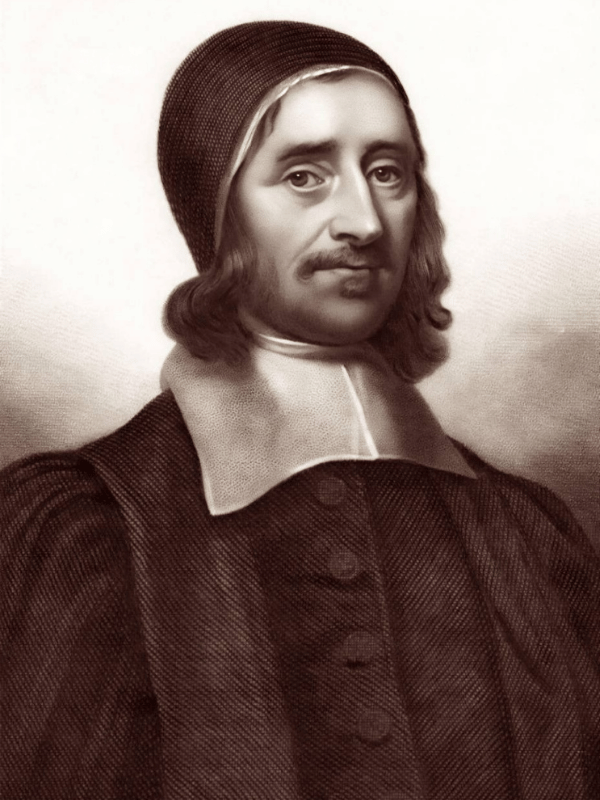
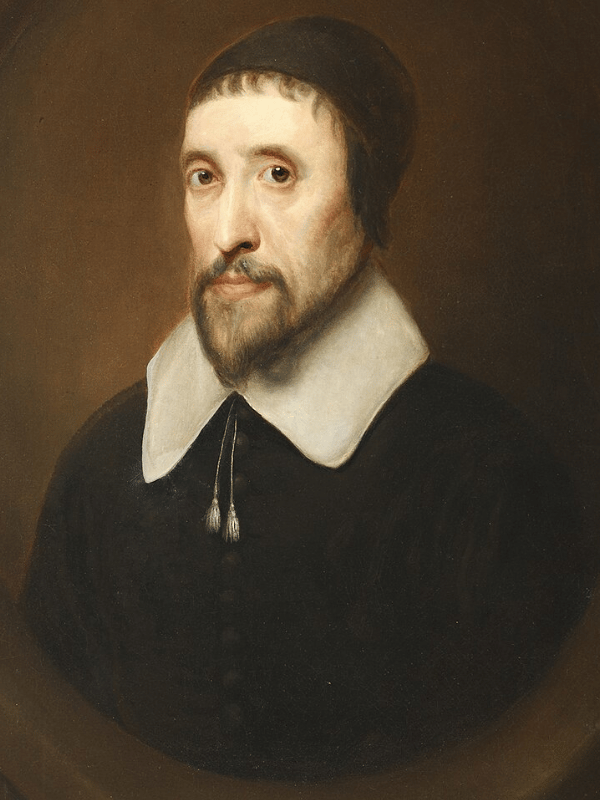
On 24 August 1662, this statutory deadline triggered the Great Ejection. Rather than violate their consciences by swearing oaths to an episcopal system they rejected, over two thousand Puritan ministers—representing roughly one-fifth of the entire English clergy—resigned their livings, abandoned their homes, and walked away from their parish incomes. Led by prominent theologians like Richard Baxter and Edmund Calamy, this group formed the permanent foundation of the "Nonconformist" or "Dissenting" movement. The long-term impacts of this purge permanently fractured English Protestantism into a dual demographic reality: the dominant, politically privileged established Church of England, and a restricted underclass of religious dissenters, including Presbyterians, Congregationalists, Baptists, and Quakers.
Under the subsequent statutes of the Clarendon Code, these dissenting families were barred from voting, holding public office, serving in municipal corporations, or attending the universities of Oxford and Cambridge, generating a deep-seated social divide that lasted for generations.

The Act of Settlement 1701
1701 AD
Additional Information: Evolution of English Law and Governance / The Act of Settlement and Isolation of Judicial Power, The Stuart Era / The Act of Settlement 1701
The passage of the Act of Settlement 1701 permanently anchored the British crown to the Protestant faith, making communion with the Church of England a strict statutory requirement for royal legitimacy. Following the Glorious Revolution of 1688 and the deposition of the Catholic King James II, the Bill of Rights 1689 had explicitly barred Roman Catholics from inheriting the throne. However, a major dynastic crisis emerged in July 1700 when the eleven-year-old Prince William, Duke of Gloucester—the last surviving child of the future Queen Anne—died of a sudden fever at Windsor Castle.
This tragic death left the kingdom facing an immediate vacuum, threatening the return of the exiled Catholic Stuart line across the Channel upon the deaths of King William III and Princess Anne. To resolve this constitutional emergency, the Westminster Parliament passed the Act of Settlement 1701, a sweeping piece of dynastic engineering that bypassed exactly fifty-seven senior Catholic relatives who held superior hereditary rights under traditional dynastic custom.
Instead of following traditional hereditary lines, the statute designated Princess Sophia of the Palatinate—a granddaughter of King James I and Electress of Hanover—and her Protestant heirs as the rightful successors to the crown. Crucially, the act inserted an unyielding legal mechanism stating that whosoever should hereafter come to the possession of the crown must join in communion with the Church of England as by law established.
By transforming the crown into a statutory office that could only be held by a Protestant, the 1701 act locked the defense of the national church directly into the constitutional laws of the land. Furthermore, the statute significantly limited the monarch's independent executive power, decreeing that the sovereign could not leave the British Isles without parliamentary consent, engage the nation in foreign wars to defend overseas territories like Hanover, or pack the royal council with foreign-born advisors.
This statutory boundary made it legally impossible for a monarch to switch allegiances to Rome or marry a Roman Catholic without instantly forfeiting their right to rule, a dynastic arrangement that brought King George I and the House of Hanover to the British throne upon the death of Queen Anne in August 1714. The act also secured the absolute independence of the judiciary by ensuring that royal judges could only be removed by an address of both houses of parliament rather than by the arbitrary whim of the monarch, transforming the Church of England from an institution vulnerable to royal manipulation into a co-equal, legally fortified pillar of the constitutional state.
The Oxford Movement
1833 – 1906 AD
The launch of the Oxford Movement in July 1833 challenged the Protestant identity of the Church of England, attempting to reclaim its pre-Reformation Catholic roots and triggering an era of conflict over parish ritual. The movement began as a protest against the British government's decision to suppress ten Irish bishoprics under the Irish Church Temporalities Act 1833.
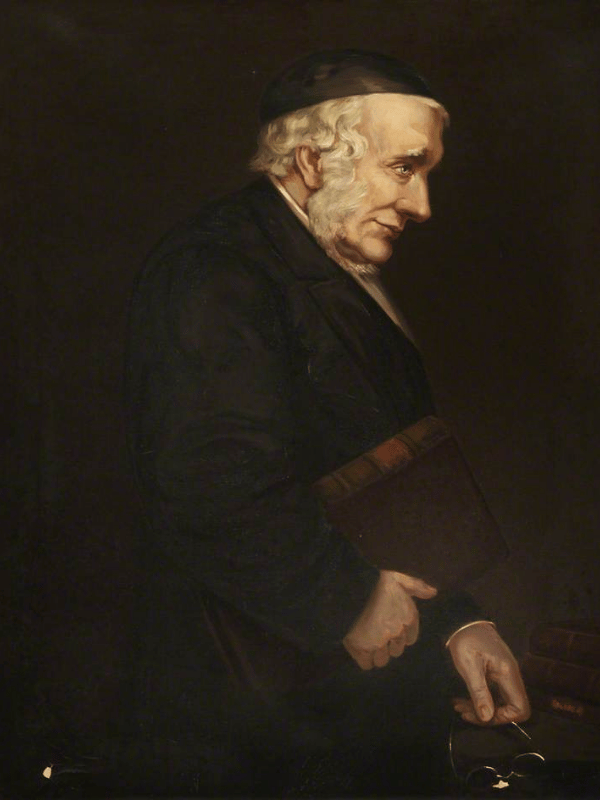
Oxford scholars—including John Henry Newman, John Keble, and Edward Pusey—viewed this political move as a secular assault on a divinely ordained institution. This prompt led them to publish a series of ninety pamphlets titled the Tracts for the Times. Through these writings, they argued that the national church was an unbroken branch of the historic, universal Christian church rather than a political invention of the Reformation.
This academic movement transformed into a practical shift within local parishes, giving rise to Anglo-Catholicism. A new generation of priests altered the appearance of local churches and the style of public worship, introducing customs like burning incense, lighting altar candles, using wafer bread, and wearing traditional vestments. This ritualism provoked a backlash from low-church Protestants, who viewed the changes as a betrayal of the Reformation.
The tension grew so severe that Parliament passed the Public Worship Regulation Act 1874 to outlaw these ritual practices. This law led to court battles where five defiant Anglo-Catholic priests—including Arthur Tooth and Sidney Faithorn Green—were imprisoned for refusing to obey the secular courts.
While the legal crackdowns failed to suppress the movement, the crisis permanently transformed the Church of England into an institution split between Evangelical low-church and Anglo-Catholic high-church traditions.
Colonial Bishoprics and the Global Anglican Communion
1787 – 1920 AD
Additional Information: The Evolution of the English Language / Colonial Expansion and Global Reach
The appointment of Charles Inglis as Bishop of Nova Scotia in 1787 launched the expansion of the Church of England beyond the British Isles, transforming a domestic state institution into a voluntary network of self-governing churches known as the Global Anglican Communion. As imperial trade routes, commercial corporate ventures, and colonial settlements spread across India, Africa, Australia, and the Americas, the state deployed missionary groups—such as the Society for the Propagation of the Gospel in Foreign Parts (SPG) and the Church Missionary Society (CMS)—to establish parishes, build schools, and fund cathedrals. This vast mobilization anchored colonial settlement directly to the spiritual traditions of Great Britain, attempting to duplicate the English parish model on a global scale.
The legal turning point for this international network occurred during the mid-nineteenth century, following the landmark Judicial Committee of the Privy Council rulings in Long v. Bishop of Cape Town (1863) and In re Bishop of Natal (1865). These monumental decisions established that the crown had no legal power to grant coercive judicial authority or enforce English ecclesiastical law within colonies that possessed their own independent legislative institutions.
This created an immediate institutional crisis: Robert Gray, the Metropolitan Bishop of Cape Town, attempted to depose John William Colenso, the controversial Bishop of Natal, for heresy after Colenso published radical biblical criticism that questioned the literal historical truth of scripture. The secular British courts ruled that Gray’s sentence was legally void, establishing that overseas dioceses were merely voluntary associations rather than state-backed legal monopolies. Forced to adapt, these overseas dioceses organized themselves into independent, self-governing provinces that maintained a voluntary, creedal bond with the mother church while generating their own local canons.
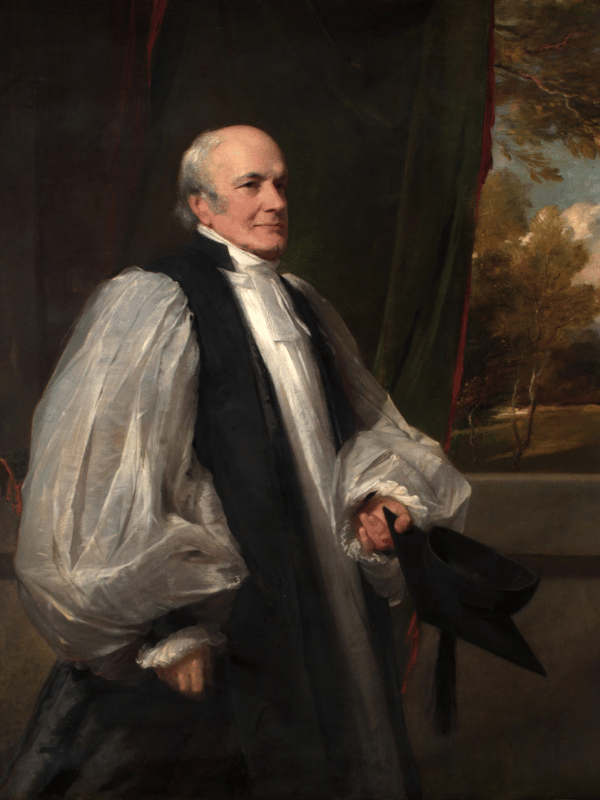
To prevent this rapidly expanding network from fracturing over regional theological disputes and legal challenges, Archbishop Charles Longley summoned the first Lambeth Conference in 1867, bringing seventy-six bishops from across the globe together to London. This summit established the modern administrative architecture of the Global Anglican Communion, creating an international family of autonomous national churches that looked to the Archbishop of Canterbury as their symbolic focus of unity while operating entirely outside the legislative control of the British Parliament.
This voluntary framework was solidified at the third Lambeth Conference in 1888 with the adoption of the Lambeth Quadrilateral, a concise document that defined the non-negotiable theological terms required for global Anglican unity—specifically the Holy Scriptures, the Apostles' and Nicene Creeds, the two Sacraments of Baptism and Holy Communion, and the Historic Episcopate—ensuring that from the Canadian prairies to the African savannah, independent churches shared a single historical identity.
Further Information: Colonial Bishoprics and the Global Anglican Communion
Prayer Book Crisis: Parliamentary Sovereignty & Church Autonomy
1927 – 1928 AD
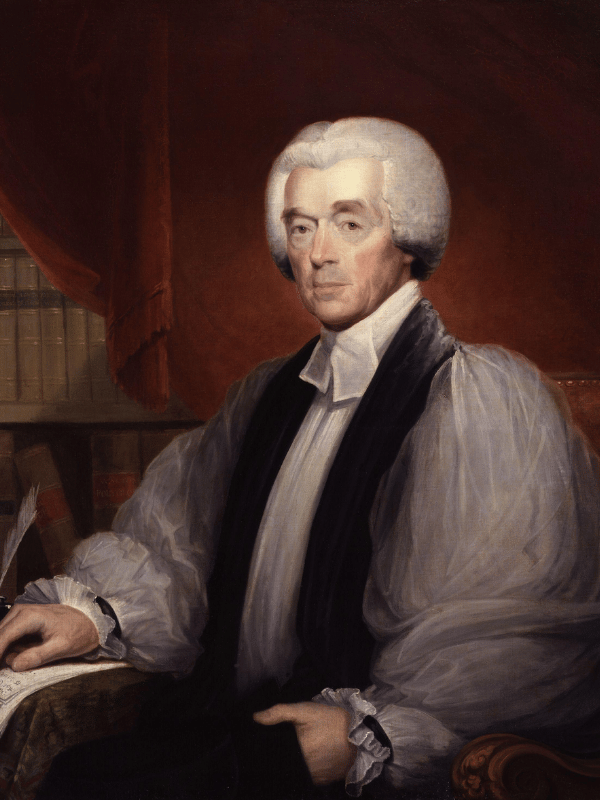
The rejection of the revised Book of Common Prayer by the House of Commons in December 1927 and June 1928 exposed the uncodified reality that the spiritual liturgy of the established Church of England remained subordinate to the statutory authority of a secular parliament. Following decades of internal friction between low-church Protestants and Anglo-Catholics, the bishops and the newly formed Church Assembly spent over twenty years drafting an alternative prayer book.
This text aimed to restore harmony to fractured parishes by permitting specific Anglo-Catholic practices, such as the reservation of the sacrament and prayers for the dead, which had been illegal since the Elizabethan era. Confident that the Church held the right to dictate its own spiritual matters, the ecclesiastical hierarchy approved the book in 1927 and sent it to Westminster for formal approval under the terms of the Church of England Assembly (Powers) Act 1919.
The proposed revision met with resistance inside the House of Commons, where low-church Protestant MPs launched a campaign to defend the historic Reformation identity of the realm. Led by evangelical politicians like the Home Secretary, Sir William Joynson-Hicks, critics argued that the bishops were introducing Roman Catholic theology back into the established church, violating the statutory oaths that anchored the Protestant succession.
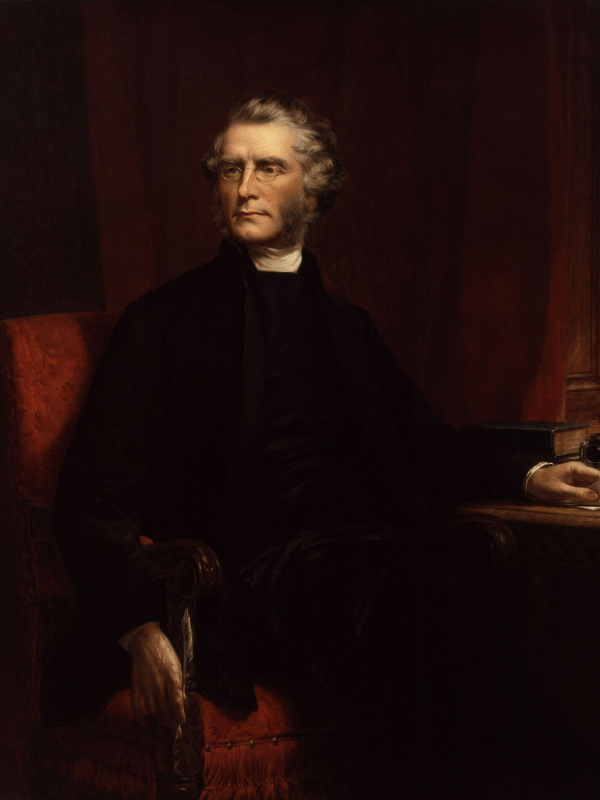
In a series of debates, Parliament asserted its legal supremacy by rejecting the revised prayer book in December 1927 (by 238 votes to 205), and then striking it down a second time following minor edits in June 1928 (by 266 votes to 220). This veto deeply shocked the church leadership. The crisis demonstrated that the Church could not alter its liturgy without the consent of a multi-faith parliament, prompting the Archbishop of Canterbury, Randall Davidson, to seek a compromise where the bishops authorized the text for local use anyway. This event generated calls for total disestablishment that continue to echo into the modern era.
Institutional Decline, Secularisation, and Erosion of the Parish
1960 - Present
Additional Information: Post War Britain
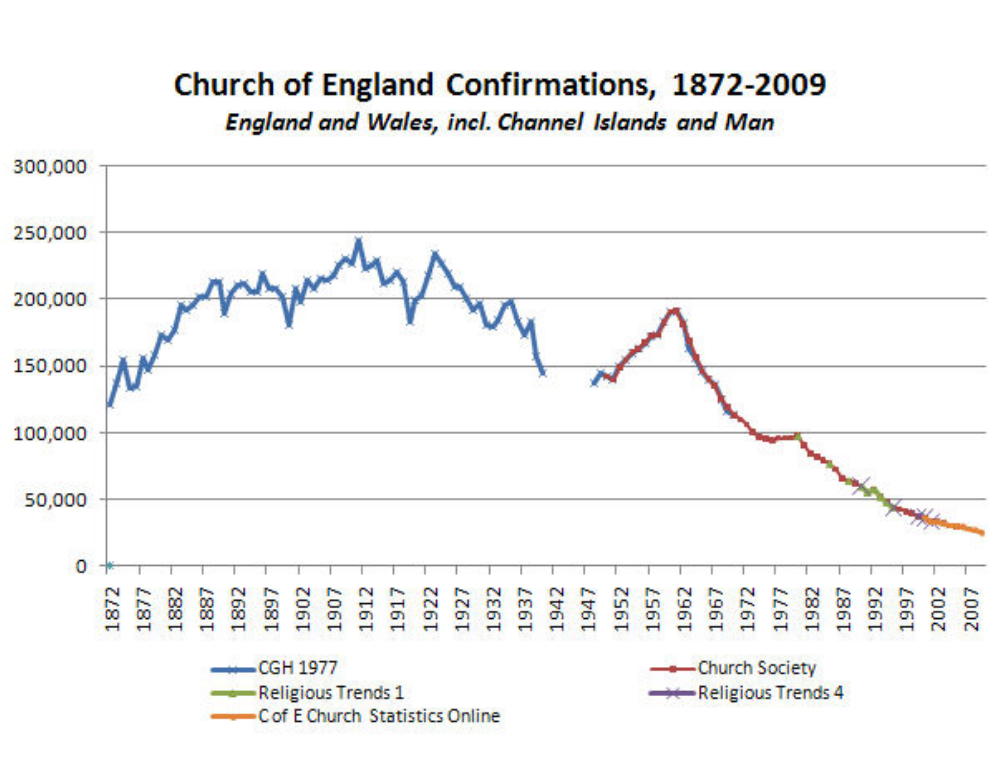
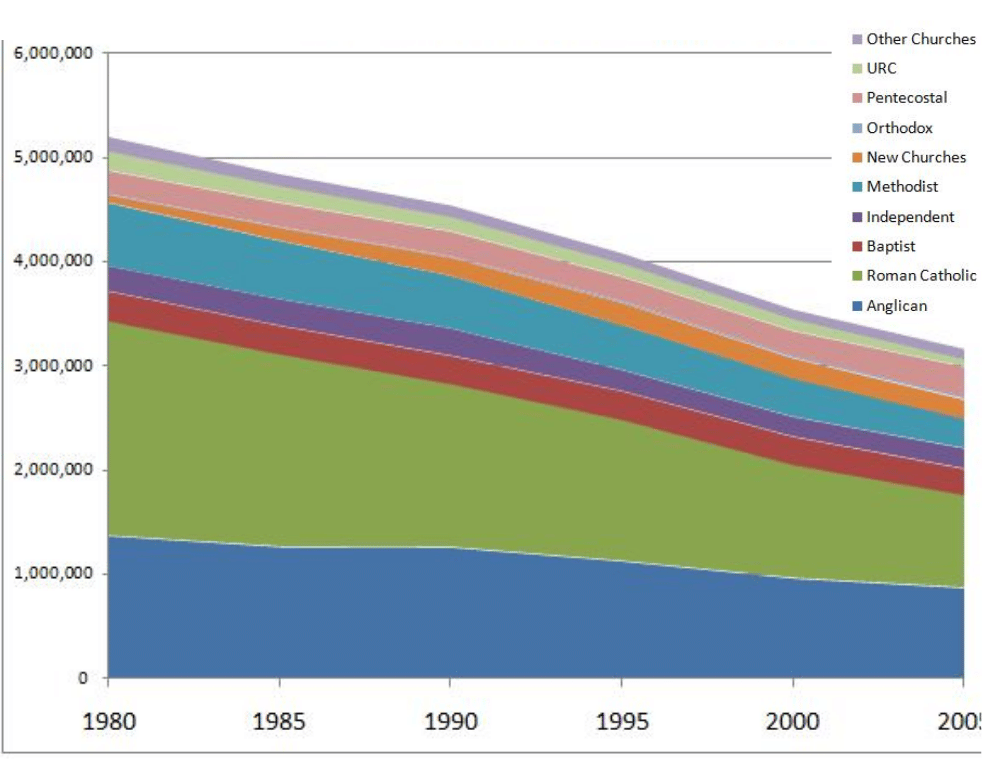
Rapid secularisation during the late twentieth and early twenty-first centuries uncoupled the daily life of the British population from Christian traditions, reducing Sunday church attendance from a standard civic custom to a minority practice. Across generations, regular church attendance collapsed, leaving thousands of medieval parish churches with aging, dwindling congregations. This shift was accompanied by a wider movement away from institutional religion, prompting Parliament to pass legislative reforms that removed the traditional Christian moral baseline from national laws. These changes included the Abortion Act 1967, the Divorce Reform Act 1969, and the Criminal Justice and Immigration Act 2008, which abolished the common law offences of blasphemy and blasphemous libel, leaving the church increasingly isolated from mainstream culture.
This sharp decline in active membership triggered a financial and administrative crisis that eroded the ancient parish network that had anchored rural and urban communities for over a thousand years. Facing a shortage of ordained clergy and rising maintenance bills for historic stone cathedrals, diocesan authorities were forced to merge multiple parishes under single, multi-church ministries, effectively ending the presence of a resident priest in every English village.
To survive this institutional contraction, the church leadership shifted its focus away from traditional parish layouts. Diocesan boards sold off historic rectory houses, trimmed down local choir traditions, and adopted evangelical management techniques that critics argued diluted the liturgical heritage of the nation. By 2026, this contraction left the Church of England facing ongoing questions about its future role as an established state church, as its traditional place at the heart of national life continued to diminish.
Further Information: Institutional Decline, Secularisation, and Erosion of the Parish
Multi-Faith Liturgy and the Coronation of Charles III
2023 AD
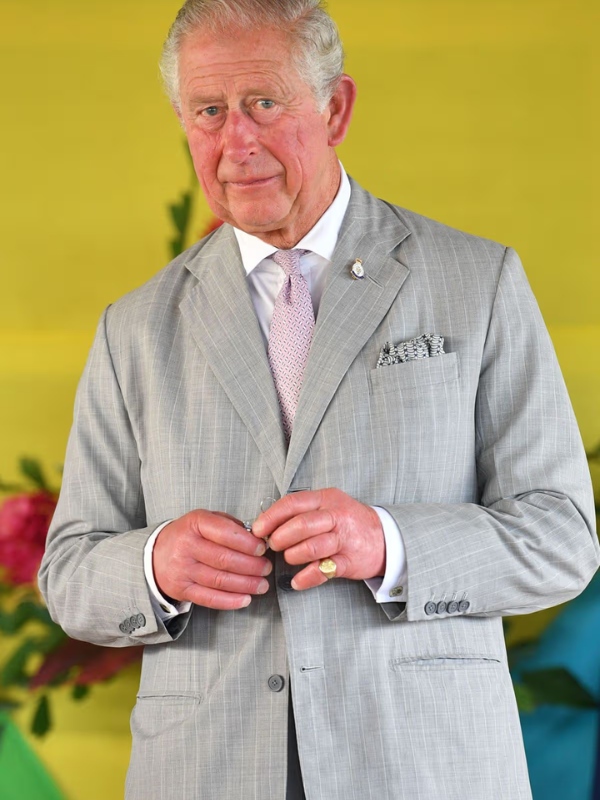
The coronation of King Charles III on 6 May 2023 modified the traditional Westminster Abbey ritual to introduce multi-faith elements, balancing the statutory Protestant oaths of the Act of Settlement 1701 with the religious diversity of modern Great Britain.
Since the constitutional settlements of the late seventeenth century, the crowning of a British monarch had functioned as an exclusive Protestant sacrament. Under these national laws, the sovereign was required to swear a solemn vow to maintain the Protestant reformed religion and protect the privileges of the Church of England clergy. While King Charles III recited the mandatory statutory text of the Accession Declaration and the coronation oath, the royal administration worked alongside Archbishop of Canterbury Justin Welby to incorporate non-Christian faith leaders into the official service.
This liturgical shift introduced representatives from the Jewish, Muslim, Hindu, Sikh, and Buddhist faiths into the procession. Non-Christian peers presented pieces of the sacred royal regalia—such as the armills, robe, and ring—and faith leaders delivered a joint greeting to the monarch at the conclusion of the service. Furthermore, the liturgy included a Greek Orthodox chant in memory of the King's father and a multi-lingual performance of the Veni Creator Spiritus in English, Welsh, Scottish Gaelic, and Irish Gaelic.
This symbolic inclusion sparked debate among traditionalist factions and constitutional scholars. Critics argued that introducing non-Christian religious representatives into an Anglican sacrament conflicted with the legal spirit of the coronation oath, while defenders viewed it as a necessary evolution of the crown's role to reflect a multi-cultural society.
By adapting the ancient service, this event demonstrated the institutional flexibility of the established church, positioning the monarch as a defender of all faiths while maintaining the legal baseline of the Protestant succession.
The Church during the English Ethnocide
2004 - Present
Additional Information: The Age of Migration
The early twenty-first century has witnessed an unprecedented convergence of demographic shift, institutional scandal, and theological division within the Church of England, driving the established church into a severe crisis of authority and social relevance. The rapid transformation of the United Kingdom into a globalised state has significantly altered the national religious landscape, accelerating the displacement of traditional English spiritual traditions.
Net migration patterns have introduced millions of new residents into the country, drawing from regions across Sub-Saharan Africa, South Asia, and the Middle East. Because these arriving populations bring their own religious heritages, the domestic spiritual map has fractured, witnessing a surge in active Islamic communities, independent Pentecostal ministries, and diverse non-Christian worship centers. This demographic shift has taken place at the moment that native English membership within the established Church of England has plummeted to historic lows, causing the traditional, village-based parish network to experience a rapid decline in both attendance and social influence.
This domestic contraction is heavily driven by a catastrophic, long-term membership decline that represents a demographic time bomb for the institution. Regular Sunday attendance across the country has fallen sharply, with nearly a third of all remaining worshippers now over the age of seventy. Traditional milestones of parish life have eroded, as infant baptisms and marriages have cratered over recent decades, with statistical trends indicating that traditional Anglicanism faces functional extinction in the West within a generation. Public polling indicates that over 70% of Britons feel the Church has little to no influence on their daily lives, a widespread sense of irrelevance that has fueled loud public calls for disestablishment to formally strip the church of its ancient state privileges, its guaranteed seats in the House of Lords, and its constitutional role.
Faced with the permanent unwinding of its historic congregation base, the leadership of the Church of England has taken few pastoral steps to preserve the traditional heritage of the ancestral population that built and funded the parish network for over a millennium. Instead, church authorities have actively championed multicultural diversity and open-border policies, shifting the institutional focus toward secular political topics like climate change and diversity quotas rather than scriptural teaching or evangelism.
The moral authority of the church hierarchy has been shattered by a sequence of systemic child abuse and safeguarding failures, mirroring the historic crises seen in the Roman Catholic Church. Independent reviews, culminating in the Makin Review, revealed that senior Church of England officials actively ignored, minimized, or denied horrific physical and sexual abuse for nearly forty years. This crisis peaked with the historic resignation of the Archbishop of Canterbury, Justin Welby, after the independent probe found he had failed to properly report the prolific abuser John Smyth to the police.
Over recent decades, hundreds of church personnel—including high-profile figures like Peter Ball, former Bishop of Gloucester—have been convicted of abuse, while global probes like the Australian Royal Commission exposed widespread historical sexual abuse within multiple overseas dioceses. The crisis remains active at the highest levels, with serving leaders frequently stepping back from office due to ongoing sexual assault and safeguarding investigations, completely undermining public trust in the episcopal bench.
This institutional decay is accompanied by a widening theological rift driven by controversies over inclusivity and biblical authority. Traditionalists and conservative evangelicals frequently criticize the leadership for abandoning orthodox scripture to align with progressive secular culture. The consecration of openly gay bishops—initiated by the Episcopal Church in the United States in 2003—sparked immense pushback, a division that deepened dramatically when the Church of England approved the Prayers of Love and Faith to officially bless same-sex couples in ordinary services.
Similarly, the introduction of female priests and bishops remains highly controversial for traditional Anglo-Catholics, and while Sarah Mullally became the first female Bishop of London, the push toward altering traditional ministry lines has accelerated internal divisions. Traditionalists also argue that the leadership is actively desecrating historic cathedrals by using sacred spaces for gimmicky, secular events to attract younger crowds or generate cash, pointing to raves, silent discos, mini-golf courses, and giant slides placed inside ancient shrines like Norwich Cathedral as evidence of corporate entertainment prioritizing profit over reverence.
These domestic alterations have shattered the unity of the Global Anglican Communion, triggering a massive international schism and a total breakdown of central Canterbury authority. Roughly 80 percent of the world's practicing Anglicans live in the Global South—primarily in Africa and South America—and maintain highly conservative theological views. Rebellious over the liberalizing drift of Western leaders, these provinces formed the Global Anglican Futures Conference (GAFCON). Multiple African provinces representing tens of millions of active believers have formally declared a break from Canterbury, declaring that they no longer recognize the Archbishop of Canterbury as their spiritual head and leaving the international communion permanently fractured.
Internally, critics note that the domestic church has developed a top-heavy, corporate-style managerial bureaucracy that consumes vast financial resources to fund centralized administrative structures at the direct expense of supporting struggling local parishes and overstretched rural clergy, leaving the historic, grassroots framework of the English Church abandoned to the forces of secularization and decay.
Further Information: The Church during the English Ethnocide
The Church in England FAQs