
The Stuart Era:
Divine Right and Civil War
Absolutism, Religious Revolution, and Global Horizons
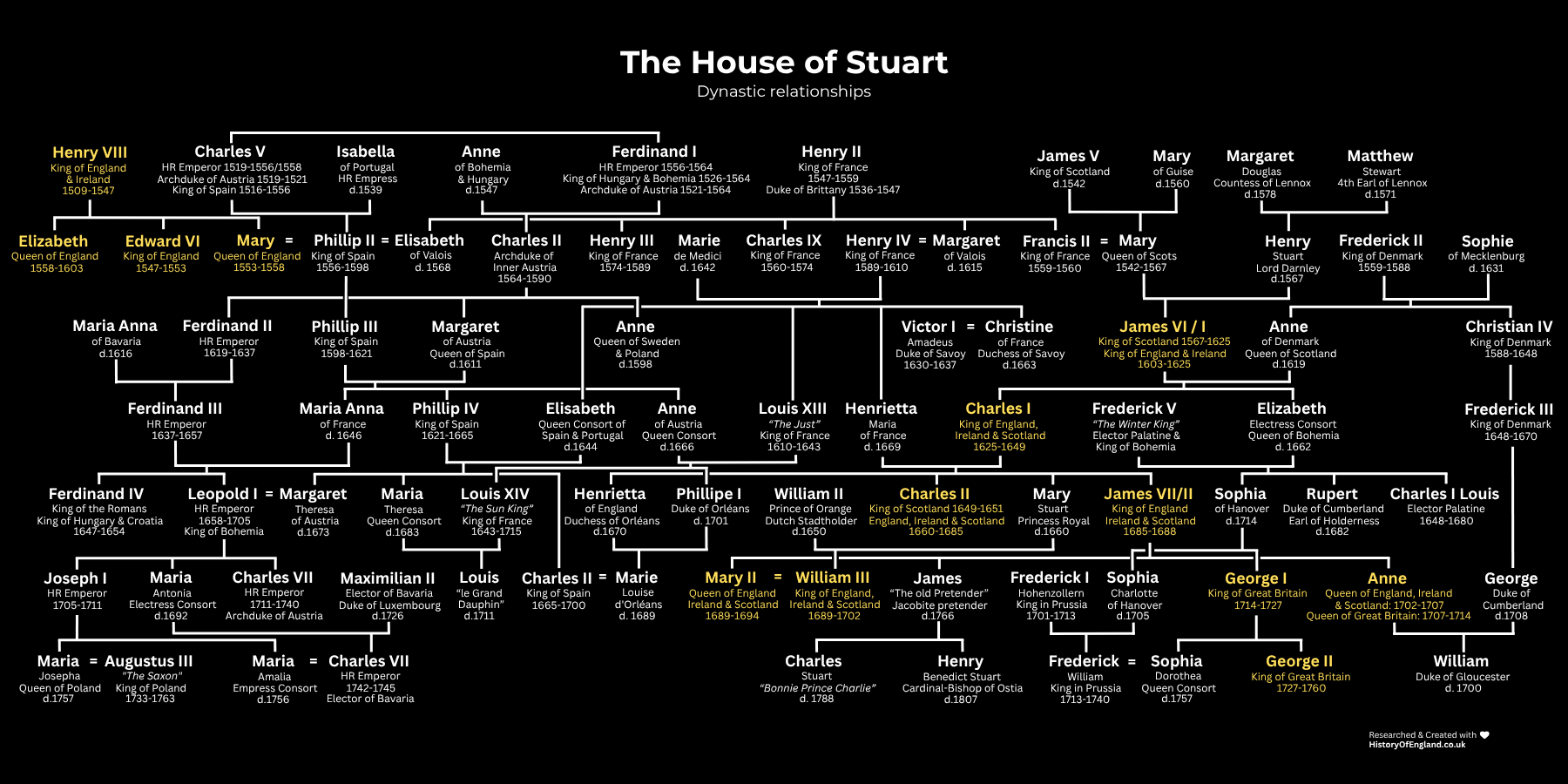
Additional Information: The House of Stuart
The quiet passing of Elizabeth I in 1603 triggered a monumental shift across the realm, uprooting the Tudor state and binding the administration of the Kingdom to an ambitious northern line. With the ascension of James I, the Scottish House of Stuart claimed the English throne, establishing a volatile personal union that forced two traditional enemies to share a single monarch while maintaining separate parliaments, legal systems, and ancestral borders. This new dynasty operated on an unyielding belief in the Divine Right of Kings, a concept of absolute royal authority that instantly set the Crown on a direct collision course with the legal privileges and financial tax-granting powers of Parliament.
Through the following era, we chronicle explore the deep internal friction that fractured the nation. The narrative details the rise of explosive religious radicalism, the execution of an anointed king on a London scaffold, and the complete re-engineering of the English constitution under the Glorious Revolution.
Page Contents:

James I and the Union of the Crowns
1603 - 1625 AD
Additional Information: The Tudor Period / The Death of Elizabeth and Union of the Crowns
The seventeenth century opened with a bloodless dynastic transition on 24 March 1603 AD when Queen Elizabeth I died at Richmond Palace. Her principal secretary, Sir Robert Cecil, immediately enforced the pre-arranged succession, reading public proclamations across Whitehall and Cheapside that declared King James VI of Scotland as the legitimate King of England under the dynastic title of King James I. This peaceful transition marked the historic Union of the Crowns, bringing the Scottish House of Stuart south to inherit the wealth and centralized state machinery of England, permanently closing the Tudor era.
The union instantly pacified the northern border, turning a volatile war zone into a peaceful internal territory. James I immediately disbanded the ancient frontier garrisons, stripped the Border Reiver clans of their private military privileges, and re-designated the Anglo-Scottish borders as the Middle Shires. To enforce this new order, the King appointed George Home, 1st Earl of Dunbar, to lead a specialized joint border commission that successfully suppressed the lawless reiver networks through mass hangings and banishments. However, as James settled into the lavish court life of London, his administration quickly collided with the legal and parliamentary traditions of the English ruling class. This clash was driven by the King's unyielding belief in the Divine Right of Kings, an ideology holding that the monarch answers exclusively to God and sits completely above all human laws. This assertion deeply alienated the common lawyers, led by the formidable Attorney General Sir Edward Coke, alongside the wealthy gentry who dominated the House of Commons.
These ideological tensions were intensified by the deep religious divisions of the era, which collided at the Hampton Court Conference in January 1604 AD. During these debates, James I fiercely rejected the petitions of English Puritans who sought to dismantle the traditional church hierarchy, famously declaring "no bishop, no king" to demonstrate that royal authority was bound straight to the power of the Church.
To establish a uniform standard of worship across the realm, James commissioned a massive new translation of the scriptures. This project standardized the religious language of the state through the publication of the Authorized King James Bible in 1611 AD, creating a uniform vernacular text that successfully bound the daily worship of the populace to the spiritual authority of the Stuart Crown.


The Gunpowder Plot
1605 - 1606 AD
The internal tensions between the Crown and traditionalists exploded into a massive national security crisis in the autumn of 1605, when a small group of radical English Catholic gentry planned a catastrophic conspiracy. Disillusioned by the King's refusal to suspend the Elizabethan penal laws, the conspirators aimed to wipe out the Protestant government in a single day. The principal architect of the plot was Robert Catesby, who assembled a tight cell including Thomas Wintour, Thomas Percy, and the battle-hardened military engineer Guy Fawkes, a veteran who had spent a decade fighting for Catholic Spain in the Low Countries.
The conspirators successfully leased a deep vaulted cellar directly beneath the House of Lords, using coal deliveries to conceal thirty-six heavy barrels of industrial-grade gunpowder, which amounted to over five thousand pounds of explosives. The plan was timed for 5 November 1605, the formal state opening of Parliament, where the explosion was timed to kill King James I, his eldest son Prince Henry, the entire executive council, the bishops, and the elected commons.
The plot was foiled on the night of 4 November 1605, following the interception of an anonymous warning letter delivered to William Parker, 4th Baron Monteagle, on 26 October. This intelligence prompted the Earl of Salisbury to deploy his network of security agents to conduct a swift midnight sweep of the Westminster vaults. Led by Sir Thomas Knyvet, Keeper of Whitehall Palace, the search party caught Guy Fawkes red-handed inside the cellar, dressed in a cloak and spurs, carrying a lantern, matches, and a pocket watch directly alongside the hidden gunpowder casks. Fawkes was immediately locked inside the Tower of London and subjected to severe torture on the rack under a direct royal warrant from King James I. Though he initially gave a false name, the agony broke his physical resistance, forcing him to surrender the identities of his co-conspirators.
The remaining rebels fled rapidly into the West Midlands to spark a Catholic rising, but their campaign evaporated when local sheriffs and county militias surrounded them on 8 November 1605 at Holbeche House in Staffordshire. A chaotic shootout erupted where Catesby and Percy were killed by a single musket ball, while the surviving plotters were captured and dragged back to London in chains.
In January 1606, the state launched a major public trial at Westminster Hall, resulting in the execution of the conspirators, including Fawkes, who were hanged, drawn, and quartered in Old Palace Yard at Westminster. Parliament capitalized on the widespread panic to pass the Popish Recusants Act of 1606. This legislation tightened the anti-Catholic laws, imposing severe financial penalties of £20 per month on recusants, while forcing citizens to swear a mandatory Oath of Allegiance that explicitly denied the Pope's authority to depose the King.
---------------------------------------------------------------------------
The thirteen core plotters, their roles in the conspiracy, and their fates document the complete elimination of the cell behind the 1605 treason attempt:
Robert Catesby:
The paramount architect and leader of the plot, who orchestrated the leasing of the Westminster cellars and was shot dead during the final siege at Holbeche House on 8 November 1605.
Guy Fawkes:
A battle-hardened military engineer and explosives expert who was caught red-handed alongside the casks, tortured on the rack, and publicly hanged, drawn, and quartered outside the House of Lords on 31 January 1606.
Thomas Percy:
A wealthy gentleman-at-arms and close cousin to the Earl of Northumberland, who secured the official lease on the vaulted cellar beneath the lords and was shot dead by a single musket ball alongside Catesby at Holbeche House.
Thomas Wintour:
A highly educated diplomat and veteran soldier who managed the early conspirator recruitments across Europe, wounded in the arm during the Holbeche House shootout, and publicly executed at Westminster.
Robert Wintour:
The eldest brother of Thomas Wintour and a wealthy Worcester squire, who provided safe houses for the fleeing plotters until his capture, resulting in his public execution at St Paul's Churchyard on 30 January 1606.
John Wright:
The premier swordsman of the English gentry and one of the initial three plotters, who helped pack the gunpowder barrels beneath the timber flooring and was killed during the final siege in Staffordshire.
Christopher Wright:
The younger brother of John Wright and a fanatical Catholic convert, who joined the core cell in March 1605 AD to fortify the Midlands rising and was shot dead alongside his brother at Holbeche House.
Francis Tresham:
A wealthy Northamptonshire cousin to Catesby, who joined late and is widely suspected of writing the anonymous Monteagle warning letter, arrested in London and died of an illness inside the Tower of London in December 1605.
Everard Digby:
A prominent courtier and close companion to King James I, who was raised to a knighthood in 1603 AD and financed the Midlands cavalry mobilization, publicly hanged, drawn, and quartered at St Paul's.
Ambrose Rookwood:
A wealthy Catholic gentleman who maintained a stable of elite warhorses used to establish the high-speed relay network between London and the Midlands, captured at Holbeche House and executed at Westminster.
Robert Keyes:
A trusted gentleman-at-arms who was placed in direct charge of guarding the initial gunpowder stockpiles at Lambeth before they were rowed across the river, captured and executed outside the House of Lords.
Thomas Bates:
A loyal personal servant to Robert Catesby, who accidentally discovered the conspiracy in his master's parlor and was sworn into the cell on parchment, captured and executed at St Paul's Churchyard.
John Grant:
A fiercely devout Warwickshire squire who fortified his home at Norbrook to act as a weapons depot for the planned Catholic uprising, blinded by an accidental gunpowder fire at Holbeche House before his execution.

The Plantation of Ulster
1609 AD
Additional Information: The First British Empire / The Ulster Plantation
Following the pacification of the Irish frontier at the end of the Nine Years' War, the Jacobean state launched its most radical colonization project: the Plantation of Ulster. Initiated in 1609 following the sudden flight of the native Gaelic leaders—most notably Hugh O'Neill, 3rd Earl of Tyrone, and Rory O'Donnell, 1st Earl of Tyrconnell—across the sea, King James I used charges of high treason to seize over 3.8 million acres of land across six northern counties. The blueprint of the plantation was designed to replace the local population and break any future Gaelic resistance.
The royal administration completely carved up the ancestral lands, bypassing the native Catholic population to grant the seized territory to a new class of English and Scottish Protestant landowners, known as Undertakers. Under the strict terms of their state contracts, these undertakers were barred from renting land to native Irish tenants; instead, they were required to import thousands of loyal, Protestant farming families from the lowlands of Scotland and the north of England.
The plantation transformed the landscape of Ulster, as the new settlers drained bogs, cleared forests, and divided the land into farming systems based on British agricultural models. To secure these frontier farming communities against native raiders, the Undertakers constructed over a hundred fortified stone bawns and new garrison towns, most notably the heavily fortified city of Londonderry, funded and engineered directly by the wealthy merchant guilds of London.
This project created a massive shift across the north of Ireland, building a highly productive Protestant stronghold that functioned as a military buffer zone for the Stuart Crown, while planting the deep ethnic and religious fractures that would dictate the future history of the British Isles.
---------------------------------------------------------------------------
The six counties and their assigned lands:
County Armagh:
Divided into five large land areas, the crown installed wealthy English undertakers alongside veteran crown servitors who built fortified houses to secure the border passes. The Barony of Oneilland was reserved exclusively for English undertakers, including prominent settlers like Francis Sacheverell and John Brownlowe, while the Barony of Orior was handed to military servitors like Sir Charles Poyntz who constructed strong bawn fortresses to guard the critical mountain gaps.
County Tyrone:
Settled primarily by prominent Scottish lords and their tenants, these planters took control of traditional O'Neill lands and built centralized market towns at Strabane and Omagh. James Hamilton, 1st Earl of Abercorn, served as the chief Scottish undertaker in the Barony of Strabane, orchestrating a massive influx of Lowland settlers, while other districts like Clogher were allocated to English war veterans such as Sir Thomas Ridgeway.
County Fermanagh:
Split between English corporate groups and selected native Gaelic chieftains who swore oaths of feudal loyalty to the Stuart crown, this region created a patchwork of small fortified farms. The Barony of Lurg was handed to an organized syndicate of English undertakers led by Thomas Blennerhassett and John Archdale, while significant portions of land were intentionally left in the hands of cooperative Maguire clan chiefs to secure local peace.
County Cavan:
Placed under the direct charge of wealthy English undertakers alongside native Irish freeholders, this county saw dense woodlands cleared to introduce new agricultural infrastructure. The Barony of Loughtee was granted to a wealthy cluster of English undertakers, including Sir Stephen Butler who established the primary plantation hub at Belturbet, while substantial tracts in Castlerahan were left to the native O'Reilly lords who chose to cooperate with the crown.
County Coleraine:
Completely renamed as County Londonderry, this territory was handed directly to the corporate management of The Honourable The Irish Society to build heavy stone city walls and timber cloth factories. The crown coerced the Twelve Great Livery Companies of London—including the Goldsmiths, Grocers, and Merchant Taylors—into pooling their immense financial resources to divide the county into corporate estates and fund the defensive walls of Londonderry and Coleraine.
County Donegal:
Handed to a tight cell of Scottish Presbyterian undertakers, these planters cleared the highland clans out of the valleys to establish large sheep farms and wool networks. The coastal Barony of Boylagh and Bannagh was allocated to the powerful Scottish magnate Sir Robert McClellan, while the fertile lands of Portlough were managed by Sir James Cunningham, both bringing over thousands of industrious families from the Scottish Borders.


Jamestown, Virginia, and the Birth of Empire
1607 - 1619 AD
Additional Information: The First British Empire / The Virginia Company and Chesapeake Settlement / Plymouth Colony and the Expansion of New England
The stabilization of national finances and maritime commerce under James I allowed the English merchant class to take its first permanent steps toward overseas settlement. In April 1606, King James I issued a historic royal charter to the Virginia Company of London, a joint-stock enterprise granted an exclusive monopoly to colonize the eastern coast of North America, moving English maritime power from privateering to land ownership.
In May 1607, three ships dispatched by the company—the Susan Constant, the Godspeed, and the Discovery—landed a force of 104 settlers on a swampy peninsula along the James River, establishing the settlement of Jamestown, Virginia. The early years of the colony were a horrific struggle for basic survival, marked by administrative corruption, violent military conflicts with the local Powhatan Confederacy, and a catastrophic winter known as the "Starving Time" in 1609–1610, which reduced the population from five hundred to just sixty survivors through starvation and cannibalism. The colony was saved from total collapse by strict military discipline enforced under the "Divine, Moral, and Martial Laws" and a shift in its domestic economy.
The economic breakthrough occurred in 1612 when the settler John Rolfe imported high-quality, sweet-scented tobacco seeds from the Spanish Caribbean, successfully cross-breeding them to create a premium cash crop that grew flawlessly in the virgin soil. The massive commercial demand for tobacco across the markets of London made Virginia a highly profitable colony.
To maximize production and clear the massive forests, the company introduced the "headright system" in 1618, granting 50 acres of land to any investor who funded the passage of a new laborer across the Atlantic, launching a continuous flow of indentured servants. The plantation system expanded dramatically in August 1619 when a privateer ship, the White Lion, landed the first documented group of twenty enslaved Africans at Point Comfort. This pivotal year also witnessed the establishment of the House of Burgesses at Jamestown, the first representative legislative assembly in North America, firmly locking in the dual foundations of corporate wealth and racial slavery that would dictate the future history of the British Empire.
---------------------------------------------------------------------------
The early transatlantic colonies and their founding methods:
Jamestown, Virginia: 1607
Founded as a commercial venture under a royal charter granted to the Virginia Company of London, utilizing joint-stock capital to establish a tobacco trading outpost where Captain John Smith enforced strict labor rules and the first House of Burgesses met in 1619.
Plymouth, Massachusetts: 1620
Established by a group of religious Separatists, famously known as the Pilgrims, who sailed aboard the Mayflower under a private corporate patent from the Virginia Company, signing the Mayflower Compact to form a self-governing farming settlement.
Massachusetts Bay: 1629
Founded by a wealthy syndicate of puritans operating under a royal corporate charter granted by King Charles I, triggering a migration of twenty thousand English families who built a church-governed colony centered on Boston under Governor John Winthrop.
Maryland: 1632
Established as a proprietary colony through a direct personal land grant from King Charles I to Cecilius Calvert, the 2nd Baron Baltimore, who held feudal ownership of twelve million acres designed specifically to serve as a refuge for English Catholic gentry.
Rhode Island: 1636
Formed as a breakaway settlement by the religious dissident Roger Williams, who fled puritan banishment in Massachusetts to purchase tribal land from the Narragansett sachems, establishing the settlement of Providence with complete religious toleration and separate church and state.
Connecticut: 1636
Founded by Thomas Hooker and a band of one hundred puritan families who migrated out of the Massachusetts Bay territory due to cattle pasture shortages, establishing Hartford and drafting the Fundamental Orders of Connecticut in 1639 as an independent frame of government.

The Accession of Charles I and the Cadiz Expedition
1625 AD
The seventeenth-century transition of March 1625 brought the twenty-four-year-old King Charles I to the throne, inheriting a massive national debt and a fracturing relationship with his subjects. Driven by a desire to enter the Thirty Years' War and defend his brother-in-law, the Elector Palatine, the young King and his closest favourite, George Villiers, 1st Duke of Buckingham, committed England to an expensive naval war against Spain. Mobilizing a massive fleet required an immediate injection of cash, forcing Charles to summon his first Parliament to Westminster under the shadow of a severe financial deficit.
This wartime assembly instantly locked into a bitter constitutional standoff. Rather than granting the traditional lifetime customs duties known as Tonnage and Poundage—a revenue stream that had sustained every English monarch at their accession since the fifteenth century—the suspicious House of Commons voted to grant the duties for a restrictive period of only one year. This vote was designed to force the King to remove the Duke of Buckingham from the royal administration. Infuriated by this challenge to his sovereign authority, Charles abruptly dissolved Parliament without securing the funds to pay his naval crews. Instead, he collected Tonnage and Poundage without parliamentary consent and issued a Forced Loan to fill the void, deeply alienating the landowning classes.
This financial scramble led directly to a military disaster that destroyed the King's martial prestige. In October 1625, an underfunded, ill-equipped fleet of over eighty vessels sailed south under the tactical command of the inexperienced Edward Cecil, 1st Viscount Wimbledon, to launch a surprise assault on the vital Spanish port of Cadiz. The expedition unraveled immediately. The raw, undisciplined troops landed on the coast without basic food or water provisions and rapidly discovered vast cellars of Spanish wine, causing a massive, drunken breakdown of discipline across the entire army.
Realizing his disorganized forces were defenseless against a Spanish counter-attack, Viscount Wimbledon ordered a hasty retreat back across the Bay of Biscay. The return voyage turned into a nightmare of disease and starvation, costing the lives of over 7,000 men before the battered ships crawled back into English ports. This humiliation left Charles with an empty treasury and a hostile political nation, setting the pattern for the domestic conflicts of his early reign.
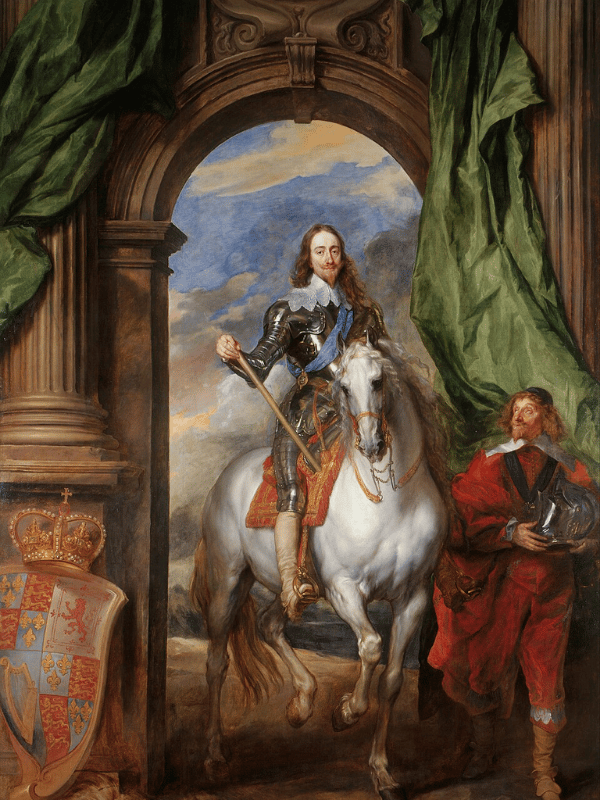


The Assassination of the Duke of Buckingham
1628 AD
The disastrous military collapse of the 1627 La Rochelle expedition left the English Crown bankrupt and facing an immediate domestic crisis. Having sacrificed over four thousand soldiers out of an initial force of seven thousand, depleted the royal reserves, and accumulated a massive national debt, the newly vulnerable administration of Charles I was confronted with the abrupt refusal of Parliament to grant standard tax revenues in the spring of 1628. To secure the necessary subsidies, King Charles I was forced to accept the restrictive terms of the Petition of Right on 7 June 1628, which compelled the court to halt arbitrary tax extractions and unlawful imprisonments.
Despite this constitutional compromise, Charles I prepared a third fleet to relieve the besieged Huguenots at La Rochelle under the command of his unpopular favourite, George Villiers, 1st Duke of Buckingham. The Duke of Buckingham travelled to the southern port town of Portsmouth in August 1628 to assemble a relief fleet of seventy vessels, extensive landing equipment, and marine companies to reoccupy the French coast. The expedition unraveled before the ships could leave harbor due to a sudden act of assassination.
John Felton, a disgruntled army lieutenant who had been severely wounded and left with a crippled left hand during the previous defeat at the Isle of Ré, was owed £80 in long-overdue back pay by the royal exchequer. Living in extreme poverty in London and deeply influenced by parliamentary declarations branding the favourite as a public enemy of the state, Felton purchased a ten-penny hunting knife and walked seventy miles from London to Portsmouth.
On the morning of 23 August 1628, he slipped undetected into the crowded hallway of the Greyhound Inn, where the Duke of Buckingham was dining with his military staff. As the Duke stepped through the crowd, Felton lunged forward, stabbing the Duke in the chest with a single blow that severed his vena cava. The Duke gasped "Villain!" before collapsing dead on the floor.
The murder triggered immediate reactions across the country. While Charles I collapsed in grief in his bedchamber, public crowds across London openly celebrated the Duke's death, drinking toasts to Felton in the streets and hailing him as a national liberator. Felton surrendered calmly to the local garrison, was locked inside the Tower of London, and was condemned at the King's Bench in November 1628. He was publicly hanged at Tyburn on 29 November 1628, before his corpse was taken south and hung in iron chains from a gibbet at Portsmouth market as a grim warning to the populace.
This murder forced Charles I to govern without his closest companion, deeply hardening his personal distrust of the political classes and accelerating his decision to suspend representative government entirely the following year.
Personal Rule and the Eleven Years' Tyranny
1629 – 1640 AD
The sudden dissolution of Parliament on 10 March 1629 left the English monarchy bankrupt and politically isolated. Having sacrificed his traditional legislative subsidies, depleted the royal reserves, and accumulated a national debt of over £1,000,000 across years of failed maritime campaigns—most notably the catastrophic Siege of Saint-Martin-de-Ré—Charles I was confronted with the abrupt termination of parliamentary tax grants.
To prevent an outright collapse of the government and maintain his independent authority, the King decided to rule without Parliament, a period known as the Personal Rule or the Eleven Years' Tyranny. He relied on a tight-knit inner circle of advisers to manage this experiment, principally Richard Weston, 1st Earl of Portland, who served as Lord High Treasurer, alongside William Laud, Archbishop of Canterbury, and Thomas Wentworth, 1st Earl of Strafford.
Archbishop Laud and the Earl of Strafford enforced a strict policy called "Thorough" to govern the realm without legislative interference. This system centralized royal authority by aggressively expanding the jurisdictions of the prerogative courts, specifically the Court of Star Chamber and the Court of High Commission. These central tribunals completely bypassed common law protections, operating via inquisitorial methods to enforce swift royal justice directly over the wealthy gentry and provincial landowners who traditionally dominated local county governance.
The Crown coupled this judicial offensive with strict censorship. In June 1637, the Star Chamber prosecuted three prominent Puritan critics—William Prynne, Henry Burton, and John Bastwick—who were convicted of seditious libel for writing pamphlets attacking the episcopacy. They were sentenced to stand in the Westminster pillory, have their ears publicly hacked off by executioners, and be branded on both cheeks with the letters "S.L." (for Seditious Libeller) before being committed to indefinite confinement in isolated border castles.
Concurrently, Archbishop Laud ordered a controversial rearrangement of every parish church in England. His "Altar Policy" mandated that communion tables—which had sat in the center of the chancel as simple wooden tables since the Elizabethan Reformation—must be permanently moved to the eastern wall, raised on a dais, and railed off with a protective stone or timber chancel rail. This innovation, coupled with a mandatory requirement for parishioners to kneel when receiving the sacrament, sparked deep-seated resentment across the country, as millions of Puritans viewed the changes as an illegal return to Roman Catholic practices.
To counter this strict Puritan Sabbatarianism, Charles I reissued his father's Book of Sports in October 1633, legally authorizing ordinary citizens to engage in traditional Sunday recreations—including archery, dancing, and May-games—immediately following the conclusion of official church services. The King ordered every parish priest in England to read the proclamation aloud from the pulpit on pain of immediate suspension, forcing hundreds of conscientious Puritan ministers to choose between total obedience to the Crown or the immediate loss of their livelihoods.
The severe religious pressures of the Laudian regime, combined with the lack of legislative redress, triggered a mass migration across the Atlantic, historically recorded as the Great Puritan Migration. Between 1630 and 1640, more than 21,000 Puritan settlers—comprising wealthy gentry families, artisans, and farmers—abandoned their homes in East Anglia and the West Country to sail to New England, building self-governing communities beyond the reach of the Westminster government. While the provinces simmered with this resentment, the royal court at Whitehall transformed into a premier center of European Baroque art. Charles I used his authority to build a magnificent royal art collection, appointing the Flemish master Sir Anthony van Dyck as Principal Painter in 1632 to shape the public image of the Crown. Van Dyck’s highly idealized portraits projected the image of a divinely ordained, serene king ruling over a tranquil paradise, intentionally masking the deep political and spiritual fractures splitting the kingdom.
Personal rule collapsed when this aggressive uniformity was forcefully extended to the northern frontier. Faced with a widespread religious rebellion in Scotland over the forced imposition of the 1637 Laudian Book of Common Prayer, the Scottish Covenanter army routed the King's forces at the Battle of Newburn, crossed the River Tweed, and seized Newcastle, cutting off London's vital winter coal supply. Under the humiliating terms of the Treaty of Ripon in October 1640, the King was forced to pay the invading Scottish army a staggering daily maintenance fee of £850.
Realizing that the treasury was completely empty and could no longer sustain the £300,000 required to raise and equip a reliable army to defend the northern borders, the administration was forced to abandon personal rule and summon the legislature back to London. This hurried return to traditional governance resulted in a catastrophic squeeze for the Crown, forcing Charles I to face a furious, vengeful assembly of the lords and commons in what became the Long Parliament, ensuring that the sovereign inherited a hostile legislature that would immediately impeach his chief ministers and eventually plunge the country into a bloody civil war.
---------------------------------------------------------------------------
The extra-parliamentary levies and their yields:
Distraint of Knighthood: 1630
A revived feudal law that forced any country gentleman earning over £40 per year to pay a severe fine if he had failed to attend the King's coronation to be knighted, raising over £170,000 for the treasury
Forest Laws: 1634
An aggressive expansion of old royal forest boundaries that allowed the crown to fine elite landowners, including James Howard, the 3rd Earl of Suffolk, for encroaching on ancient, forgotten hunting grounds.
Soap Monopoly: 1634
A lucrative exclusive license granted to the Society of Soapmakers of Westminster, which banned independent manufacturers and injected over £30,000 annually into the royal exchequer.
Ship Money : 1634
A traditional defense levy sent strictly to coastal towns during wartime to finance the building of warships, netting £104,000 for the navy in its initial deployment.
Ship Money Expansion: 1635
A controversial extension of the maritime tax to every inland county across England and Wales during peacetime, generating over £200,000 annually to completely bypass parliamentary tax grants.
Wine Import Subsidy: 1635
An extra-parliamentary customs duty levied on all imported French wine barrels through a specialized syndicate of merchant vintners, yielding £30,000 per year straight to the King's household ledger.
The Bishops' Wars and Bankruptcy of the Crown
1637 - 1640 AD
Personal Rule collapsed in the summer of 1637, driven by a campaign to enforce uniform worship across the northern kingdom. Under the direct guidance of Archbishop William Laud, the King commanded the universal adoption of a new Scottish Book of Common Prayer. This Anglican-style liturgy completely disregarded the Presbyterian heritage of the local population and threatened non-compliant ministers with immediate outlawry.
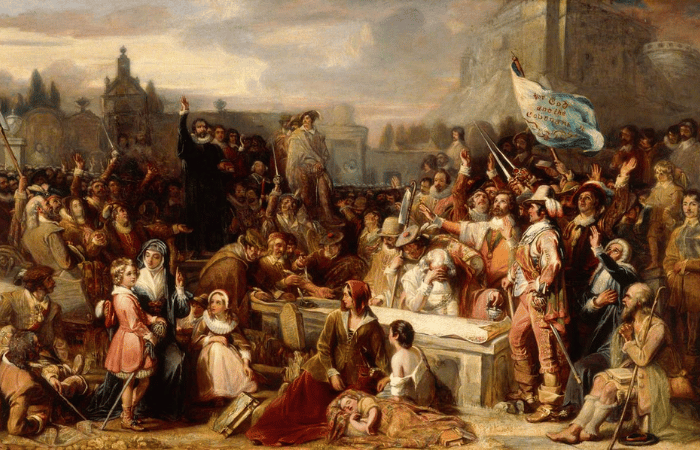
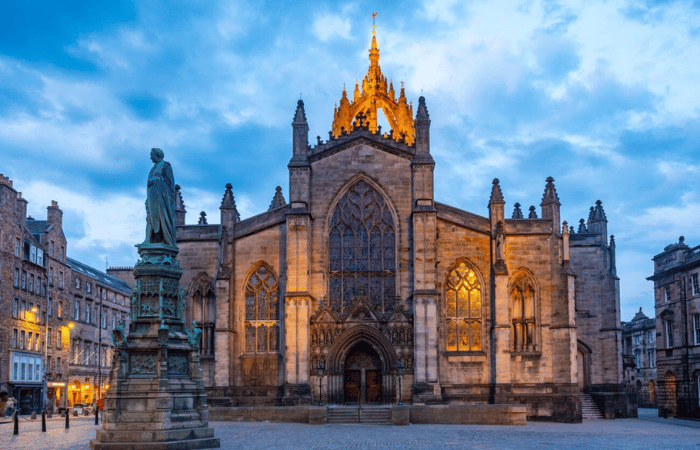
This new liturgy sparked immediate riots, opening on 23 July 1637 inside St Giles' Cathedral in Edinburgh—where a market woman named Jenny Geddes reputedly hurled her folding stool at the Dean's head—before rapidly expanding into a national resistance movement. By February 1638, a vast coalition of Scottish nobles, clergymen, and common citizens unified inside Greyfriars Kirkyard to sign the National Covenant, swearing a collective oath to defend their religious independence by force of arms. The Covenanters rapidly assembled a highly efficient, professional army under the supreme command of Alexander Leslie, an experienced general and veteran officer who had returned from the continental battlefields of the Thirty Years' War alongside thousands of Scottish mercenaries.
This massive military mobilization initiated the First Bishops' War in the spring of 1639, a confrontation that exposed the bankruptcy of the Crown. Lacking the parliamentary subsidies required to raise a disciplined force, Charles I was forced to rely on ill-equipped, underpaid, and mutinous county militias who harbored deep ideological sympathies with the Scottish cause. Advancing to the border, the King realized his forces were completely outmatched by Leslie's disciplined lines encamped at Dunse Law. To avert a military disaster, Charles I signed the bloodless Pacification of Berwick on 18 June 1639, agreeing to disband his army and convene a free Scottish General Assembly and Parliament.
However, the truce was merely a tactical stall. When the Scottish Parliament defiantly voted to abolish episcopacy entirely, the King determined to crush the Covenanters once and for all. To finance a second campaign, Thomas Wentworth, 1st Earl of Strafford, advised the King to abandon personal rule and summon a Parliament to London in April 1640. Historically remembered as the Short Parliament, this session dissolved after just three weeks when the Commons, led by John Pym, adamantly refused to grant a single penny of supply until their deep-seated domestic grievances against the Personal Rule were fully addressed.
The collapse of the legislature unleashed the Second Bishops' War in August 1640. Capitalizing on the King's total lack of liquid capital, General Leslie launched a swift preventative invasion of northern England. The Covenanter forces crossed the River Tweed and easily routed an unprepared royal vanguard on 28 August 1640 at the Battle of Newburn, using superior artillery positioning to clear the fords along the River Tyne. By instantly seizing Newcastle, the Scots captured the primary coal supply that fueled the hearths and manufacturing industries of London, establishing an unyielding economic stranglehold over the southern capital. Entirely bankrupt and unable to prevent a further advance on York, the King was forced to sign the humiliating Treaty of Ripon on 26 October 1640.
This desperate truce required the Crown to pay the occupying Scottish forces an astronomical maintenance indemnity of £850 per day to remain in place until a definitive peace could be ratified. This crushing financial imposition destroyed the King's independent authority, leaving Charles I with no viable alternative but to summon the legislature back to Westminster, a historic capitulation that permanently concluded his eleven-year experiment in non-parliamentary government and opened the doors to the Long Parliament.
---------------------------------------------------------------------------
The Battle of Newburn (28 August 1640)
English Royalist Forces
Primary Commander: Edward Conway, 2nd Viscount Conway (Supreme Field Commander)
Secondary Commanders / Notable Officers: Sir Jacob Astley; Sir John Conyers; and Colonel Thomas Lunsford
Total Forces: Approximately 5,000 men deployed at the river crossing defenses (drawn from a larger regional army of 15,000 uncoordinated, poorly equipped conscripts, lacking seasoned training and sufficient gunpowder supplies, backed by 6 light artillery pieces)
Casualties: Moderate during the fight followed by a total tactical panic; roughly 300 men killed, wounded, or captured during the artillery bombardment and subsequent cavalry melee, leading to an immediate abandonment of the defensive sconces and the retreat of the entire force to Durham.
Scottish Covenanter Forces
Primary Commander: Alexander Leslie, 1st Earl of Leven (Supreme Allied Commander)
Secondary Commanders / Notable Nobles: James Graham, 5th Earl of Montrose; and Alexander Hamilton (General of Artillery)
Total Forces: Roughly 20,000 disciplined, veteran soldiers (comprising seasoned infantry blocks, expert light horsemen, and a specialized vanguard element, backed by a formidable train of leather cannons and modern iron field pieces)
Casualties: Light; fewer than 12 men killed on the field during the river crossing operations, as Hamilton's elevated artillery batteries successfully suppressed the English earthwork positions.


The Long Parliament and the Grand Remonstrance
1640 - 1641 AD
Additional Information: Evolution of English Law and Governance / The Long Parliament and Crisis of Sovereignty
The assembling of the Long Parliament in November 1640 immediately shifted the balance of power, forcing a vulnerable Charles I to confront an embittered legislature determined to end his independent rule. Operating under immense pressure to secure the funds needed to clear the Scottish border debt, the King was compelled to sign the Triennial Act, ensuring the regular summoning of Parliament, alongside an unprecedented statute that prevented the current assembly from being dissolved without its own consent. Parliament quickly turned its focus onto the King’s closest advisors, culminating in the impeachment and eventual execution of Thomas Wentworth, Earl of Strafford, under a bill of attainder in May 1641, alongside the permanent abolition of the controversial Courts of Star Chamber and High Commission.
Despite these sweeping legislative triumphs, the radical reformist faction within the House of Commons, spearheaded by John Pym, sought further guarantees to permanently restrict the Crown’s control over the military and the executive. In the autumn of 1641, triggered by a major Catholic rising in Ireland, Pym’s faction drafted the Grand Remonstrance, a sweeping manifesto containing over two hundred distinct indictments of the King’s domestic and foreign policies since his accession. Rather than presenting this document solely as a petition to the sovereign, the opposition took the aggressive step of publishing the text directly to the general populace, using popular support to pressure the King.
This appeal to the political nation outside Westminster fractured the fragile unity of the opposition, triggering a fierce parliamentary debate that culminated in the document narrowly passing on 22 November 1641 by a mere eleven votes. The radical nature of the Remonstrance, which demanded that Parliament possess a veto over the appointment of the King’s ministers, deeply alarmed moderate members who feared a complete subversion of the ancient constitution. Led by constitutional royalists such as Edward Hyde and Lucius Cary, 2nd Viscount Falkland, a powerful defensive coalition emerged to safeguard the traditional legal rights of the Crown against what they perceived as the populist tyranny of the Commons, splitting the political elite into two unyielding camps.
The ideological fracture turned into an outright coup attempt on 4 January 1642, when Charles I launched an armed raid to eliminate the leadership of the opposition. Armed with an arrest warrant for high treason, the King marched directly into the House of Commons accompanied by a heavily armed guard of eighty soldiers. His objective was the physical capture of five prominent Members of Parliament—John Pym, John Hampden, Denzil Holles, Sir Arthur Haselrig, and William Strode—alongside one peer, Edward Montagu, 2nd Viscount Mandeville. However, forewarned by court informants, the accused had fled via the River Thames minutes earlier to seek sanctuary within the independent, walled core of the City of London.
Stepping up to the Speaker’s chair to find the benches empty, Charles I famously remarked that he saw "all the birds are flown," forcing the Speaker, William Lenthall, to establish a historic precedent by declaring that he had neither eyes to see nor tongue to speak except as the House directed him. This flagrant breach of parliamentary privilege completely destroyed any remaining moderate support for the court.
Faced with massive riots by the London apprentices and the mobilization of the London Trained Bands to protect the legislature, a humiliated Charles I was forced to flee the capital with his family on 10 January 1642, abandoning the seat of government to the opposition and ensuring that an open military collision was entirely unavoidable.
---------------------------------------------------------------------------
The primary constitutional clauses and grievances from the 1641 document:
Ship Money:
A strict clause that invalidated the crown's inland ship money writs, declaring all extra-parliamentary maritime taxes levied during the Personal Rule to be completely illegal.
Abolition of Prerogative Courts:
A statutory demand that confirmed the total dismantling of the Court of Star Chamber and the High Commission, removing the monarch's ability to bypass common law courts.
Parliamentary Veto on Ministers:
A radical political constraint requesting that the King only appoint state ministers and privy counselors who maintained the explicit trust and approval of the legislature.
Removal of Catholic Bishops:
A specific religious clause demanding the immediate exclusion of all Roman Catholic prelates and bishops from holding seats or voting inside the House of Lords.
Condemnation of Royal Monopolies:
A sweeping commercial clause that attacked the crown's practice of selling exclusive trade patents for everyday items like soap, wine, and starch to private merchant syndicates.
Parliamentary Sessions:
A protective measure stating that the current assembly could not be adjourned, prorogued, or dissolved by royal decree without the explicit consent of its own elected members.
Stay Connected
The Outbreak of the Civil War and Stalemate at Edgehill
1642 - 1643 AD
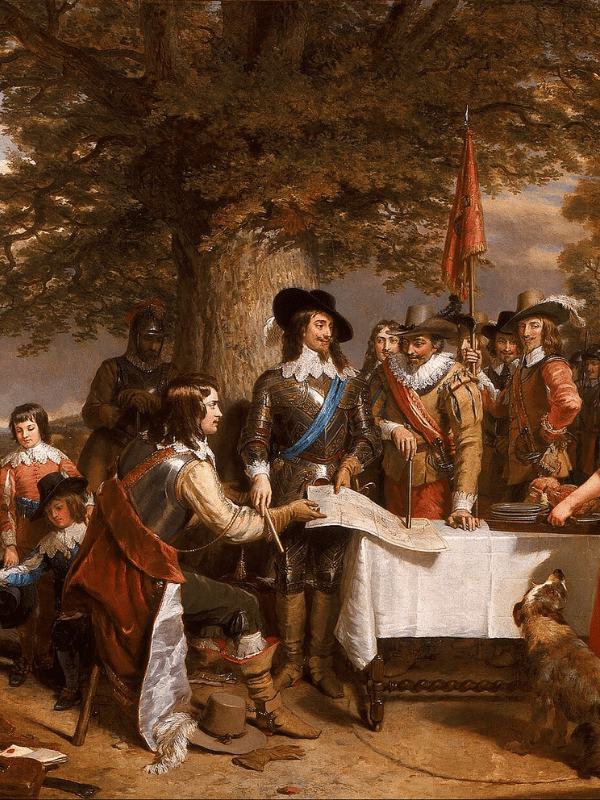
The sudden departure of the royal court from London in January 1642 left England politically divided and sliding toward conflict. Having lost control of the capital, the navy, and the central administrative offices to Parliament, King Charles I travelled north to Nottingham, where on 22 August 1642 he officially raised the royal standard, declaring open war against the legislature and forcing the political nation to choose its allegiance.
The King gathered the Cavaliers—a powerful alliance of the northern and western nobility, traditionalist gentry, and Anglican church elites—whilst Parliament used its own legislative ordinances to mobilise the Roundheads, drawing overwhelming financial support from the wealthy merchant oligarchs of London, the manufacturing cloth towns, and the radical Puritans. This rapid mobilization forced both sides to march their unseasoned soldiers toward the midlands to seek a decisive encounter before the onset of winter.
The opening campaign ended in a bloody draw that ended hopes for a quick resolution. On 23 October 1642, the opposing armies—encompassing over twenty-four thousand men—finally collided near Kineton on the steep ridgeline of Edgehill in Warwickshire. The battle turned into a chaotic clash of cavalry and infantry lines that tested the raw endurance of the untrained soldiers.
Whilst Prince Rupert’s Royalist horsemen launched a devastating opening charge that successfully routed the parliamentary cavalry, the tactical advantage fell apart when the charging troopers abandoned the field to plunder the enemy baggage train. This breakdown allowed the disciplined parliamentary infantry reserves to launch a fierce counter-offensive in the centre, resulting in a brutal hand-to-hand melee that claimed the lives of the royal standard-bearer, Sir Edmund Verney, and Robert Bertie, 1st Earl of Lindsey, before darkness forced a miserable, freezing standoff on the open downs.
The exhaustion of this initial encounter forced the under-supplied armies to break contact. Realising that his infantry lacked the momentum to force a passage to London after the high-attrition draw at Edgehill, Charles I withdrew his army to the Thames Valley, establishing his wartime capital and a dense network of garrison outposts inside the university city of Oxford. This strategic retreat stalled the campaigns for the winter, as both factions realised that their regional, locally bound militias lacked uniform tactical discipline and frequently refused to march outside their home counties.
---------------------------------------------------------------------------
The Battle of Edgehill (23 October 1642)
Royalists
Primary Commander: King Charles I (Supreme Commander)
Secondary Commanders / Notable Nobles: Prince Rupert of the Rhine (General of Horse); Robert Bertie, 1st Earl of Lindsey (General of Foot); and Sir Jacob Astley
Total Forces: Approximately 14,500 men (comprising roughly 2,800 cavalry, 10,500 infantry, and 1,200 dragoons, backed by 20 artillery pieces)
Casualties: Heavy attrition; estimated between 500 and 750 men killed on the field, with an additional 1,500 wounded. Notable losses included the 1st Earl of Lindsey, who was mortally wounded and captured during the infantry melee.
Parliamentarians
Primary Commander: Robert Devereux, 3rd Earl of Essex (Lord General of the Army)
Secondary Commanders / Notable Nobles: Sir William Balfour; Sir James Ramsay; and Captain Oliver Cromwell
Total Forces: Approximately 14,300 men (comprising roughly 2,200 cavalry, 11,000 infantry, and 1,100 dragoons, backed by 40 artillery pieces)
Casualties: Severe tactical shock; roughly 500 to 750 men killed in action, with over 1,000 wounded. Most cavalry units on the wings were entirely scattered during Prince Rupert's initial charge.


The Solemn League and Military Reformation
1643 – 1645 AD
The prolonged military stalemate of the early campaigning seasons left the parliamentary leadership facing a severe financial deficit. Having spent their initial treasury reserves and suffered crushing territorial losses across the north and west, the newly vulnerable authorities at Westminster were confronted with a multi-front Royalist advance toward London that threatened the Roundhead cause with complete collapse. To prevent a catastrophic breakdown of their defensive networks and secure a massive reinforcement of fresh troops, Parliament dispatched an urgent diplomatic mission to Edinburgh in the autumn of 1643 to negotiate a military alliance called the Solemn League and Covenant.
This cross-border alliance aimed to shatter the King's dominance in the north, under which the Scottish Covenanters agreed to march an experienced army of twenty-one thousand men across the border to alter the entire strategic balance of the war. Whilst this alliance transformed the theater of operations, the political unity of the parliamentary command fractured within months because traditional, aristocratic generals like Edward Montagu, 2nd Earl of Manchester, routinely refused to pursue the fleeing enemy. These commanders preferred cautious half-measures out of fear that a total destruction of the sovereign would destabilize the established social hierarchy.
This continuous hesitation forced a sweeping administrative overhaul in early 1645. Realizing that their regional, locally bound forces lacked uniform discipline and frequently mutinied when ordered to march outside their home provinces, radical reformists inside Parliament pushed through the Self-Denying Ordinance. This statute compelled all members of the House of Lords and House of Commons to resign their military commissions, clearing away the cautious aristocratic command.
This legislative clearing opened the way for the consolidation of a professional, centrally funded fighting force historically known as the New Model Army, placing uncompromised soldiers like Sir Thomas Fairfax and Oliver Cromwell at the helm of the parliamentary war effort.
---------------------------------------------------------------------------
The Monthly Tax System:
Parliament introduced a regular national tax system called the monthly assessment, levied proportionally across all counties under their control. This setup replaced unreliable voluntary donations with a steady revenue stream of £53,000 per month, allowing the government to pay soldiers directly from a central treasury rather than relying on local committee handouts.
Stopping Forced Billeting:
The new funding rules banned the practice of free quarter, which had allowed soldiers to take food and lodging from civilian homes without paying. Under the 1845 rules, officers had to pay for all supplies using government vouchers redeemable at the exchequer, reducing friction with civilians and protecting local farming assets.
Merging the Regional Armies:
The new law dissolved the separate regional forces led by the Earl of Essex, the Earl of Manchester, and Sir William Waller, combining the survivors into a single force of 22,000 men. The new force consisted of 14,400 infantrymen in twelve regiments, 6,600 cavalrymen in eleven regiments, and 1,000 dragoons, breaking the local loyalties that had previously stalled field operations.
The First Red Uniforms:
The reforms introduced a standard uniform, giving every infantryman a cheap, Venetian-red wool coat with specific regimental colors on the cuffs and collars. This step replaced a mix of blue, white, and green regional coats, cutting down on friendly fire incidents and projecting a unified appearance on the battlefield.
Close-Order Cavalry Charges:
The cavalry units, known as Ironsides, abandoned the old continental maneuver where horsemen rode up to fire their pistols and then wheeled away to reload. Under the new drills, troopers rode forward at a steady trot in tight, knee-to-knee formations, using their horses as a direct battering ram and firing their pistols only at the moment of impact to break enemy lines.
Promoting Men on Merit:
The new system separated military rank from noble birth, allowing ordinary soldiers to rise to high positions based on their bravery and skill rather than their family name. This policy opened officer spots to experienced veterans and working craftsmen, creating a highly motivated group of leaders determined to defeat the Royalist forces.


The Battle of Marston Moor
1644 AD
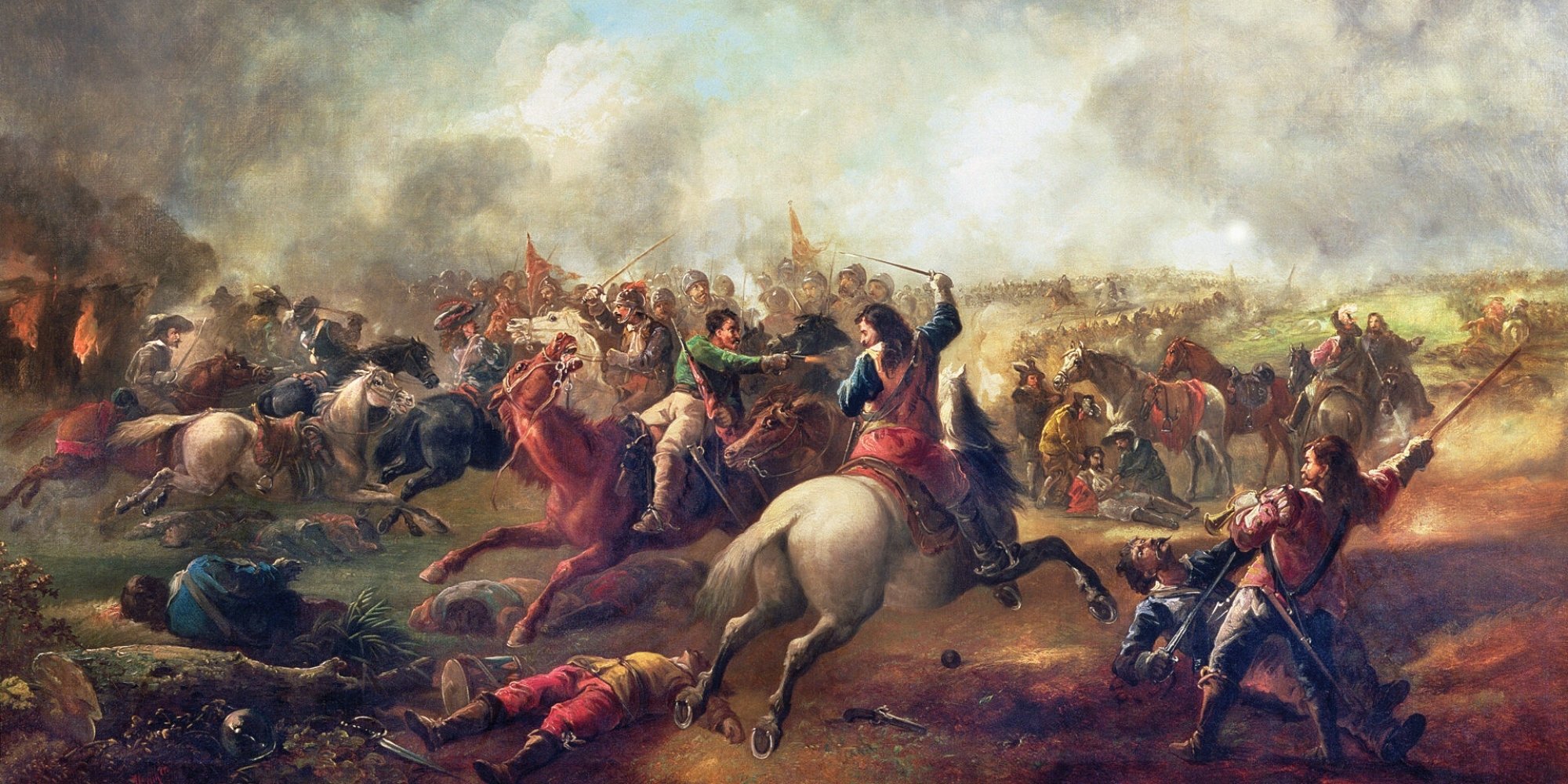
The combined forces of Parliament and the Scottish Covenanter army met on the fields of Long Marston on 2 July 1644 to break the King's control over the north. The allied army aimed to trap the Royalist northern forces and relieve the strategic city of York, which had been besieged for over two months. The allied command was directed by a joint committee of three senior generals: Alexander Leslie, 1st Earl of Leven, who commanded the Scottish forces; Edward Montagu, Earl of Manchester, leading the Army of the Eastern Association; and Ferdinando Fairfax, 2nd Lord Fairfax of Cameron, leading the Yorkshire parliamentarian levies.
The combined commanders launched a surprise evening infantry and cavalry assault at approximately 19:00 during a sudden thunderstorm. This advance caught the Royalist front lines completely off-guard as their soldiers were preparing supper, breaking the King's military control across the northern counties.
The engagement stands as the largest battle of the entire English Civil War, with over forty thousand combatants on the field, as twenty-eight thousand allied troops opposed eighteen thousand Royalists. The conflict was decided by a perfectly timed cavalry charge across a wet field of rye. On the allied left wing, Oliver Cromwell commanded more than three thousand heavy cavalrymen from the Eastern Association, supported by a reserve division of Scottish Covenanter horse under the tactical command of David Leslie, 1st Lord Newark.
While the Royalist white-coated infantry under William Cavendish, 1st Marquess of Newcastle, held their ground inside a ditch, Cromwell and the 1st Lord Newark routed the Royalist horse regiments commanded by Prince Rupert of the Rhine and John Byron, 1st Baron Byron, on the right wing. Simultaneously on the allied right wing, Sir Thomas Fairfax led a secondary cavalry charge that was initially broken by the Royalist horse under General George Goring, but Cromwell’s victorious regiments wheeled across the field to crush Goring's forces from the rear. This decisive breakthrough allowed the allied troops to surround and destroy the isolated Royalist infantry, forcing the remaining crown forces into contact.
The victory at Marston Moor ruined the Royalist cause in the north, forcing the immediate surrender of York on 16 July 1644 to the allied generals and driving the 1st Marquess of Newcastle, alongside his veteran general, James King, 1st Lord Eythin, into exile in Hamburg. The triumph turned the alliance with the Scots into a decisive battlefield victory, claiming the lives of over four thousand Royalist soldiers and resulting in the capture of their entire artillery train of twenty-five heavy cannons. It proved the value of a highly disciplined cavalry force and prepared the way for Parliament to pass the Self-Denying Ordinance and build a professional army.
---------------------------------------------------------------------------
The Battle of Marston Moor (2 July 1644)
Allied Parliamentarians and Scottish Covenanters
Primary Commanders: Alexander Leslie, 1st Earl of Leven (Supreme Allied Commander); Edward Montagu, 2nd Earl of Manchester; and Ferdinando Fairfax, 2nd Lord Fairfax of Cameron
Secondary Commanders / Notable Nobles: Lieutenant-General Oliver Cromwell (Commanding the Eastern Association Horse); David Leslie (Lieutenant-General of Scottish Horse); and Sir Thomas Fairfax
Total Forces: Approximately 27,000 men (comprising roughly 20,000 infantry, 7,000 cavalry and dragoons, backed by roughly 30 field artillery pieces)
Casualties: Light to moderate relative to the scale; estimated at roughly 300 to 500 men killed on the field, with an additional 1,000 wounded, primarily occurring during the initial collapse of the allied right wing.
Royalists
Primary Commanders: Prince Rupert of the Rhine (Supreme Commander); and William Cavendish, 1st Marquess of Newcastle
Secondary Commanders / Notable Nobles: John Byron, 1st Baron Byron; George Goring; and Sir Charles Lucas
Total Forces: Approximately 18,000 men (comprising roughly 11,000 infantry and 7,000 cavalry, backed by 14 field artillery pieces)
Casualties: Catastrophic; over 4,000 Royalist soldiers were killed on the field and an additional 1,500 were captured, completely destroying the Marquess of Newcastle's elite infantry regiment, the "Whitecoats", and breaking the King's military control over northern England.
The New Model Army and the Battle of Naseby
1645 – 1646 AD
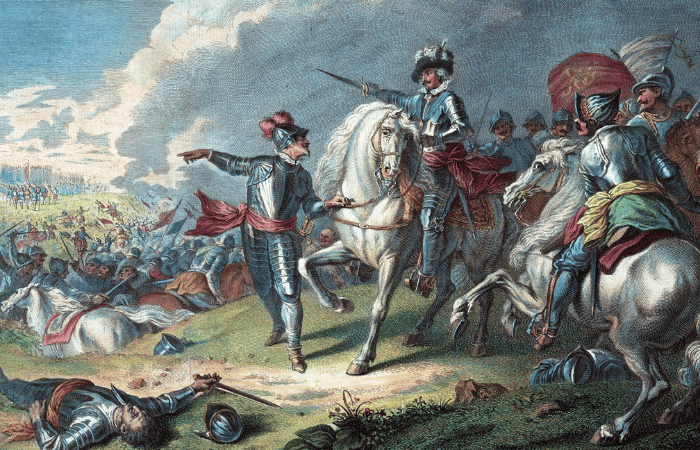
The creation of a professional standing force in the spring of 1645 prepared the parliamentary cause for a decisive confrontation in the midlands. The newly organised army under the command of Sir Thomas Fairfax and his cavalry general, Oliver Cromwell, functioned as a disciplined force where promotion was earned through merit rather than noble birth. Funded directly by national tax revenues, this fifteen thousand-man force marched rapidly north to hunt down the main Royalist field army, with the two sides finally colliding on 14 June 1645 near the village of Naseby in Northamptonshire to permanently decide the balance of power.
The battle opened with Fairfax deploying his infantry in the centre whilst Cromwell took command of the heavy cavalry on the right wing, facing an outnumbered Royalist host of roughly nine thousand men. When Prince Rupert’s Royalist horsemen launched a fierce opening charge that successfully broke the parliamentary left wing, the Royalist strategy fell apart because the charging troopers overextended their lines and abandoned the field to plunder the baggage train.
This breakdown allowed Cromwell’s cavalry to maintain strict tactical restraint, outmanoeuvring and routing the Royalist left wing before executing a high-speed wheeling movement to trap the enemy infantry in the centre. Caught in a vise between Cromwell's horsemen and devastating musket fire from Colonel John Okey's hidden dragoons on the flanks, the Royalist infantry lines collapsed into a chaotic retreat.
The engagement ended in the total destruction of the King's field army, a defeat that permanently broke the military capability of the Royalist cause. The parliamentarians captured over four thousand veteran infantrymen alongside the royal baggage train, which contained Charles I's private cabinet papers. The subsequent publication of these letters exposed the King's secret negotiations to bring foreign mercenaries and Irish Catholic troops into England, destroying his remaining moral legitimacy among the populace and rendering any future negotiated settlement highly improbable.
---------------------------------------------------------------------------
The Battle of Naseby (14 June 1645)
Parliamentarian New Model Army
Primary Commander: Sir Thomas Fairfax (Lord General of the Army)
Secondary Commanders / Notable Nobles: Lieutenant-General Oliver Cromwell (General of Horse); Commissary-General Henry Ireton; and Colonel Philip Skippon (General of Foot)
Total Forces: 15,000 professional, standardized soldiers (comprising roughly 6,500 cavalry and dragoons, and 8,500 infantry, backed by 11 field artillery pieces)
Casualties: Light; estimated at roughly 150 to 200 men killed on the field, though Colonel Skippon was severely wounded in the chest during the initial Royalist infantry push.
Royalists
Primary Commanders: King Charles I (Supreme Commander); and Prince Rupert of the Rhine
Secondary Commanders / Notable Nobles: Jacob Astley, 1st Baron Astley of Reading; Bernard Stuart, Earl of Lichfield; and Sir Marmaduke Langdale
Total Forces: Roughly 8,500 to 9,000 men (comprising approximately 4,000 heavy cavalry and 4,500 to 5,000 infantry)
Casualties: Catastrophic and definitive; roughly 1,000 soldiers killed on the field and over 4,500 captured, resulting in the total destruction of the King's veteran foot regiments and the capture of the royal baggage train containing his private correspondence.


The Second Civil War and Pride’s Purge
1647 – 1648 AD
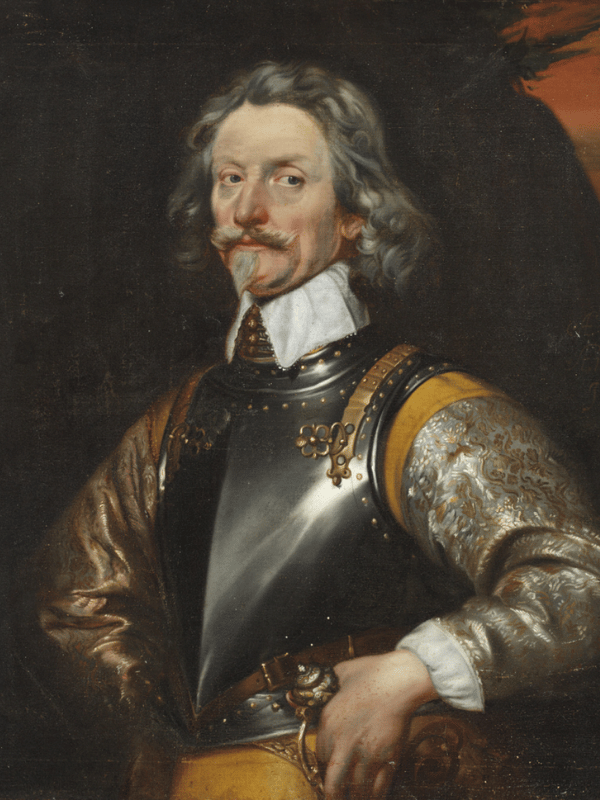
The military defeat of the Royalist cause failed to produce an immediate political settlement, as King Charles I spent his captivity exploiting the deep ideological fractures that emerged between the moderate Presbyterians in Parliament and the radical Independent grandees of the New Model Army. Hoping to turn his captors against each other, the King signed a secret treaty with the Scots to launch a fresh invasion of England.
This second betrayal triggered a brief, violent outbreak of hostilities in 1648 known as the Second Civil War, a multi-border insurrection that was rapidly crushed when Cromwell’s veteran forces defeated the invading Scottish army under James Hamilton, 1st Duke of Hamilton, at the Battle of Preston in August. This total victory broke the patience of the New Model Army, whose leadership recognized that as long as the King lived, he would continue to plot internal insurrections to reclaim his authority, making further negotiations impossible.
To stop the moderate majority within Westminster from making peace with the Crown, the army grandees launched a coup to purge the legislature. On 6 December 1648, Colonel Thomas Pride deployed troops to the entrance of the House of Commons, forcibly arresting forty-five members and turning away over a hundred moderate Presbyterian members who opposed the army's radical agenda. This coup left the House of Commons reduced to a small, radicalized remnant known as the Rump Parliament. This rapid contraction of the legislature permanently altered the constitutional landscape, leaving a single-minded minority in control of the government that was fully prepared to dismantle the ancient institutions of the land.
The immediate consequence of Pride's Purge shattered traditional legal authority, creating the platform needed to put the King on trial for his life. By reducing the House of Commons to an unrepresentative military dependency, the coup broke the traditional constitutional foundations of the state, triggering deep panic across London and the judiciary. Yet, this radicalized assembly moved with exceptional velocity, immediately passing a revolutionary legislative act creating a High Court of Justice to try the King.
On 4 January 1649, they passed a sweeping resolution declaring that the Commons of England possessed supreme sovereign power under God and could enact laws without the consent of either the King or the House of Lords, ensuring that the new republic inherited a single-minded legislative body that was ready to break the final barriers of sovereign immunity and bring the King to public execution.
---------------------------------------------------------------------------
The major battles and siege operations of the Second Civil War:
May 1648: Battle of St Fagans
Parliamentary Victory under Colonel Thomas Horton — 150 Parliamentary casualties vs 200 Royalist casualties, with 3,000 Royalist soldiers captured in South Wales
May 1648: Battle of Maidstone
Parliamentary Victory under Sir Thomas Fairfax — 40 Parliamentary casualties vs 300 Royalist casualties, with 1,500 prisoners captured after a fierce storming of the town streets.
June – August 1648: Siege of Colchester
Parliamentary Victory under Sir Thomas Fairfax — 500 Parliamentary casualties vs 1,000 Royalist casualties, ending in the execution of the Royalist commanders after a grueling eleven-week starvation siege.
June 1648 – March 1649: Siege of Pontefract Castle
Parliamentary Victory under Major-General John Lambert — A prolonged ten-month siege against a stubborn Royalist garrison that refused to surrender even after the King's execution, ending in the destruction of the fortress.
July 1648: The Skirmish at Kingston
Parliamentary Victory under Colonel Michael Livesey — A swift cavalry clash that crushed a minor Royalist rising in Surrey, resulting in the battlefield death of the young Lord Francis Villiers.
August 1648: Battle of Preston
Parliamentary Victory under Lieutenant-General Oliver Cromwell — 100 Parliamentary casualties vs 1,000 Royalist and Scottish Covenanter casualties, with 4,000 prisoners captured, completely destroying the Duke of Hamilton's invading coalition host.
The Trial and Execution of Charles I
1649 AD
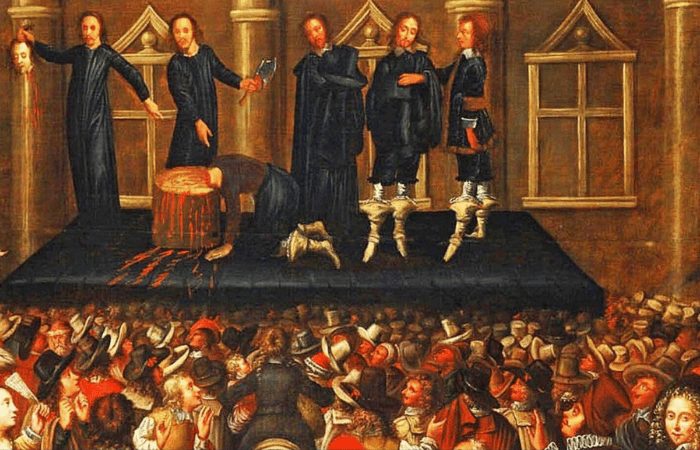
Pride’s Purge left the captive King Charles I isolated. Having lost the trust of his captors and exhausted all diplomatic avenues during his confinement at Carisbrooke Castle on the Isle of Wight, the King was confronted with a new High Court of Justice in January 1649. To try the monarch, the Rump Parliament appointed a panel of 135 commissioners, led by Lord President John Bradshaw. The court ordered them to assemble inside the stone walls of Westminster Hall to try the King for high treason against his own people. Of the appointed commissioners, fewer than eighty dared to attend the sessions, with prominent figures like General Thomas Fairfax deliberately boycotting the proceedings out of fear of the legal consequences.
The trial opened on 20 January 1649 with the prosecution led by Solicitor General John Cook. Cook drafted a radical charge asserting that the King was a trusted officer whose power was limited by a contract with the people, making him legally accountable if he turned that power against them. Before the assembly, the King rejected the legal authority of the court. He refused to enter a plea, wore his hat throughout to show his disdain, and interrupted the proceedings, maintaining that a monarch held power by divine right and could not be tried by any earthly power.
The silver tip famously fell off the King's walking cane during his protest, an event the watching crowd interpreted as an omen of his downfall. The court reached its verdict on 27 January 1649, finding him guilty and branding him a tyrant, traitor, murderer, and public enemy. Fifty-nine of the commissioners, including Bradshaw, Oliver Cromwell, and Henry Marten, signed the death warrant under heavy political pressure.
On the freezing afternoon of 30 January 1649, Charles I was led out onto a scaffold erected outside the Banqueting House in Whitehall. He walked beneath the ceiling painted by Peter Paul Rubens that celebrated his father's divine right. Dressed in two shirts so he would not shiver and appear afraid to the watching crowds, the King maintained his dignity, declaring himself a martyr for the people's liberties.
At approximately two o'clock, the King laid his head upon a low wooden block, and a masked executioner beheaded him with a single blow. The executioner held the severed head aloft to a groaning crowd, before the body was quietly transferred to St George's Chapel at Windsor Castle for burial. His execution destroyed the governance frameworks, plunging the country into a decade of republican experimentation under the Commonwealth.


The English Commonwealth and Protectorate Era
1649 - 1658 AD
The execution of Charles I on 30 January 1649 left the Rump Parliament in control of the state, moving quickly to dissolve the ancient constitutional framework. In March 1649, a depleted legislature containing fewer than eighty active members passed a definitive act that completely abolished the monarchy as dangerous to the liberty of the people. This was followed on 19 March 1649 by a parallel statute that dismantled the House of Lords as a useless obstacle to the common people. On 19 May 1649, Parliament formally passed the Act declaring England to be a Commonwealth, establishing a republican state governed exclusively by the elected representatives of the people in Parliament, without a monarch or an aristocratic estate.
This newly formed republic faced an immediate crisis of survival, surrounded by hostile Royalist coalitions and internal mutinies from radical factions like the Levellers. Oliver Cromwell was appointed Lord General of the republic’s forces, leading a series of brutal military campaigns to suppress all opposition. In August 1649, Cromwell landed in Ireland with an army of twelve thousand veteran New Model Army troops, slaughtering the garrisons at the Siege of Drogheda in September—where over three thousand defenders and Catholic priests were put to the sword—and at Wexford in October.
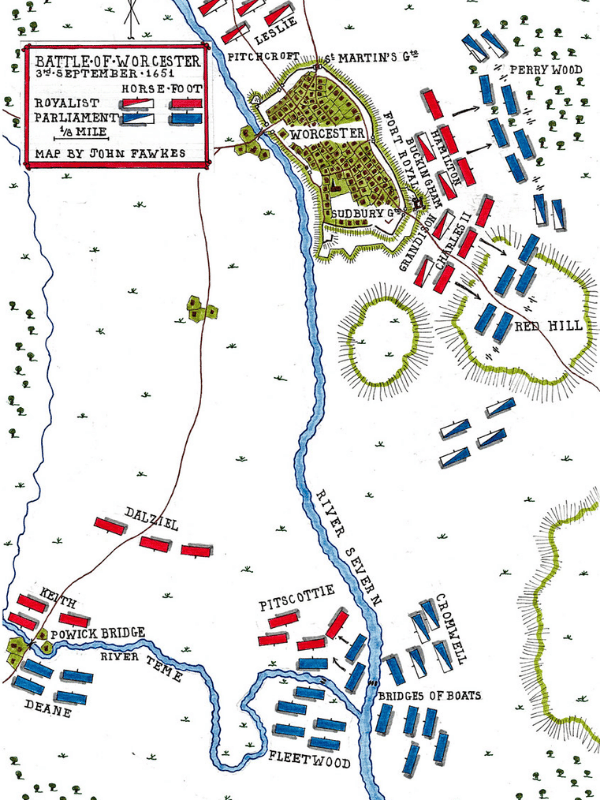
Pivoting north into Scotland, Cromwell defeated a larger Covenanter host at the Battle of Dunbar on 3 September 1650, before crushing the remaining Royalist field army under Prince Charles on 3 September 1651 at the Battle of Worcester. This victory forced the young prince into a decade of continental exile and brought the entirety of the British landmass under a single, centralized military command.
Cromwell ruled the three nations with centralized military force. In 1655, following the failed Royalist uprising known as Penruddock's Revolt, he divided England and Wales into eleven military districts. These zones were governed directly by hand-picked Major-Generals, including John Desborough in the South-West and Charles Fleetwood in the Eastern Counties. These military governors deployed local horse militias to collect a punitive ten percent "Decimation Tax" on known Royalist estates, shut down traditional alehouses, banned horse racing, and aggressively enforced strict Puritan moral laws across the country. This military rule maintained order through force but lacked popular support. Cromwell’s death from malarial fever on 3 September 1658 left the regime defenseless.
The sudden death of the Lord Protector left his son, Richard Cromwell, without the personal prestige or military record required to manage the state. Named Lord Protector on 4 September 1658, Richard Cromwell was immediately caught in a destructive factional war between the civilian Third Protectorate Parliament and the senior grandees of the New Model Army, led by Fleetwood. While the civilian members voted to heavily restrict the political influence of the military and curb the astronomical army debt exceeding £2,000,000, the army grandees fiercely resisted any parliamentary oversight. Defying the young protector's orders, the army grandees assembled their regiments at St James’s Palace in April 1659, surrounding Westminster and forcing Richard Cromwell to dissolve Parliament.
This administrative collapse completely stripped the new Lord Protector of his executive leverage. On 25 May 1659, Richard Cromwell submitted a formal letter of resignation to the newly restored Rump Parliament, abandoning his office in exchange for land grants and a state pension to pay off his personal debts. This collapse destroyed the Protectorate, earned him the derogatory nickname "Tumbledown Dick" across the country, and threw the three nations into a dangerous power vacuum. For the next nine months, civilian magistrates and competing army factions launched a series of chaotic internal coups to seize the state treasury, dragging the republic into institutional paralysis before the Scottish army vanguard under General George Monck began its march south to restore the traditional line.
---------------------------------------------------------------------------
The timeline of governance, conflicts, and constitutional eras tracks the collapse of the monarchy and the subsequent republican experiment:
1625 – 1649: Reign of Charles I
The period of traditional monarchical rule defined by escalating tax disputes, the eleven-year suspension of parliament, and an unyielding assertion of the divine right of kings.
1642 – 1646: The First English Civil War
The premier battlefield conflict between the royalist Cavalier forces and the parliamentary Roundheads, culminating in the military defeat and physical capture of the king.
1648: The Second English Civil War
A high-attrition, secondary conflict triggered by royalist insurrections and a parallel Scottish invasion to restore the monarch, rapidly crushed by the veteran New Model Army.
1649 – 1653: The Commonwealth Era
The initial republican government established following the execution of Charles I, characterized by the legal abolition of the monarchy and the House of Lords
1653 – 1658: The Protectorate under Oliver Cromwell
The authoritarian regime initiated by the forceful expulsion of the Rump Parliament, establishing the first codified constitution and installing the Lord General as head of state for life.
1655 – 1656: The Rule of the Major-Generals
A strict phase of centralized military dictatorship where England and Wales were divided into eleven operational zones governed directly by army commanders to enforce puritan law. (see below)
1658 – 1659: The Protectorate under Richard Cromwell
The brief, unstable tenure of Oliver Cromwell's eldest son, who inherited the supreme title but completely lacked the military backing required to survive the factional wars of the grandees.
1659 – 1660: The Republican Interregnum
A lawless, multi-front power vacuum following Richard Cromwell's forced resignation, defined by competing army coups and administrative chaos immediately before the restoration of the traditional line.
---------------------------------------------------------------------------
Throughout the rule of the Major-Generals the country was divided into the following zones:
The First District
(Berkshire, Oxfordshire, and Buckinghamshire): Governed directly by Charles Fleetwood, the 1st Major-General of the Eastern Counties, who managed this upper Thames zone through local deputy commanders.
The Second District
(Cheshire, Lancashire, and North Wales): Governed directly by Charles Worsley, the 1st Major-General of the North-West, who enforced strict puritan moral laws and closed down hundreds of local alehouses across the northern palatinates.
The Third District
(Devon, Cornwall, Somerset, Dorset, and Poole): Governed directly by John Desborough, the 1st Major-General of the South-West, who deployed horse militias to lock down the western peninsula following the suppression of Penruddock's Revolt.
The Fourth District
(Gloucestershire, Wiltshire, and Herefordshire): Governed directly by John Berry, the 1st Major-General of the South-East Marches, a veteran officer who systematically disarmed suspected Royalist gentry across the Severn valley.
The Fifth District
(Kent and Surrey): Governed directly by Thomas Kelsey, the 1st Major-General of the South-East, who centralized the collection of the punitive 10% Decimation Tax across the southern coastal approaches.
The Sixth District
(Lincolnshire, Nottinghamshire, Derbyshire, Leicestershire, and Rutland): Governed directly by Edward Whalley, the 1st Major-General of the East Midlands, who utilized a rigid network of parish overseers to suppress traditional horse racing and public assemblies.
The Seventh District
(London and Westminster): Governed directly by Philip Skippon, the 1st Major-General of London, who established an airtight security grid inside the capital walls to prevent urban assassination plots against the Lord Protector.
The Eighth District
(Northamptonshire, Bedfordshire, Hertfordshire, and Cambridgeshire): Governed directly by William Butler, the 1st Major-General of the South-East Midlands, who aggressively extracted revenues from known Royalist estates to fund the local militias.
The Ninth District
(Norfolk, Suffolk, and Essex): Governed directly by Hezekiah Haynes, the 1st Major-General of the Eastern Association, who acted as a strict administrative deputy for Charles Fleetwood to enforce religious conformity across East Anglia.
The Tenth District
(South Wales, Monmouthshire, Herefordshire, and Shropshire): Governed directly by James Berry, the 1st Major-General of the Welsh Marches, who centralized the judicial machinery of the border shires under direct military rule.
The Eleventh District
(Yorkshire, Durham, Cumberland, Westmorland, and Northumberland): Governed directly by Robert Lilburne, the 1st Major-General of the North, who utilized veteran New Model Army troop files to patrol the vast, volatile northern border counties.


The Whitehall Conference and Readmission of the Jews
1655 – 1656 AD
Additional Information: The Plantagenet Era / The Edict of Expulsion
The stabilization of the Protectorate administration allowed Oliver Cromwell to alter the kingdom's trade and immigration framework. In September 1655, the prominent Amsterdam rabbi Menasseh ben Israel arrived in London as an official guest of the state to present a formal petition, titled the Humble Addresses, directly to the Lord Protector. The petition requested the complete reversal of the Edict of Expulsion passed by King Edward I in 1290, a medieval decree that had legally banned Jewish populations from residing on English soil for over three and a half centuries. Cromwell threw his full support behind the initiative, driven by a combination of Puritan religious beliefs—which held that the global dispersal of the Jewish people was a necessary step before the Second Coming of Christ—alongside a practical desire to draw wealthy Dutch merchant networks into the port of London to boost maritime trade.
To resolve the legal and religious questions surrounding the petition, Cromwell called a council at Whitehall on 4 December 1655. This assembly brought together England's leading judges, theologians, and London merchants to debate the petition. During the opening sessions, two senior jurists, Chief Justice John Glynne and Chief Baron William Steele, delivered a historic ruling. They clarified that because Edward I's original 1290 expulsion had been executed via a personal royal decree rather than a formal parliamentary statute, there was no actual law on the books barring a Jewish return. This ruling cleared the legal path, shifting the debate away from legal barriers to focus purely on economic and religious policy.
Despite this legal clearance, the conference collapsed into a bitter deadlock when the public sessions opened in mid-December. A vocal coalition of London merchants fiercely opposed the petition due to fears of losing trade to new commercial competitors, while radical Independent clergymen preached against allowing non-Christian worship inside the country. Recognizing that the assembly was on the verge of voting to reject the petition, Cromwell stepped in on 18 December 1655. He openly rebuked the delegates for their financial jealousy and prejudice, then abruptly dismissed the conference entirely.
Bypassing formal legislation, the Lord Protector pursued a policy of quiet toleration. In 1656, Cromwell granted explicit verbal protection to London's existing, underground network of Spanish and Portuguese Sephardic merchants who had lived outwardly as Christians to escape the Inquisition. This verbal agreement allowed the community to purchase their first private burial ground at Mile End and open a discreet synagogue on Creechurch Lane, a practical arrangement that secured their permanent return to England without a controversial parliamentary vote.
---------------------------------------------------------------------------
The population estimates that show how the Jewish community in England grew from a small group of families into a major population over the centuries:
Early Settlement (1675)
Roughly 400 people. Twenty years after Cromwell's verbal agreement, the community consisted primarily of Sephardic merchants of Spanish and Portuguese origin who settled in London's Aldgate ward.
Expansion (1700)
Approximately 1,000 to 1,500 people. This era marked the opening of the Bevis Marks Synagogue in 1701 and the early arrival of Ashkenazi Jewish migrants fleeing persecution in Central and Eastern Europe.
Georgian Era Growth (1800)
Roughly 15,000 to 20,000 people. The population expanded beyond London into provincial trading and naval port cities like Portsmouth, Bristol, Birmingham, and Liverpool.
The Great Migration (1900)
Approximately 250,000 people. This massive demographic spike was driven by the flight of hundreds of thousands of Ashkenazi refugees escaping violent anti-Semitic pogroms in the Russian Empire and Poland
Post-War Influx (1950)
Roughly 450,000 people. The community reached its historical numerical peak following the arrival of Jewish refugees fleeing Nazi-occupied Europe before and during the Second World War.
Modern Demographics (2000)
Approximately 267,000 people. The decrease reflects a combination of post-war demographic stabilization, lower birth rates, and significant waves of emigration to Israel and the United States.


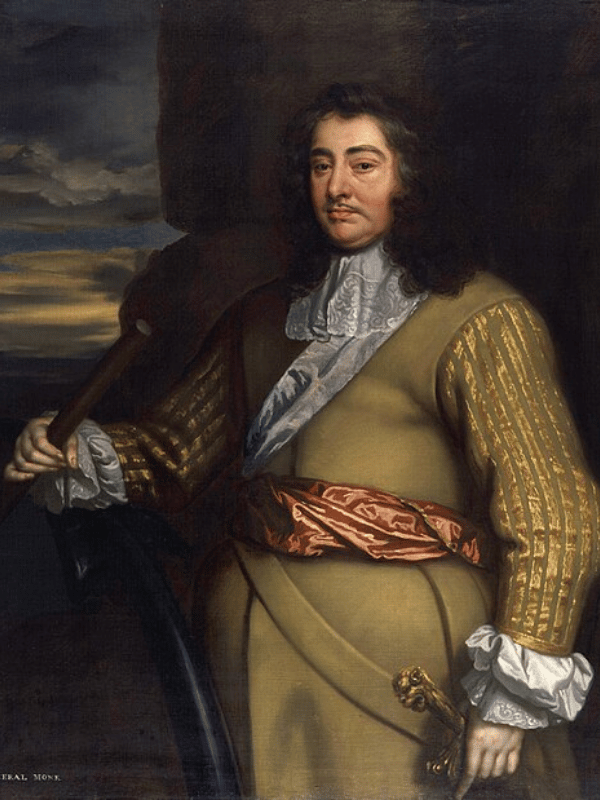
Charles II and the Restoration of the Monarchy
1660 AD
The resignation of the second Lord Protector in May 1659 left the republican state in complete chaos as competing military factions and radical religious sects fought for control of executive authority. To prevent a second civil war, General George Monck, the tactical commander of the professional army forces stationed in Scotland, intervened.
In January 1660, Monck marched his veteran forces south across the frozen River Tweed, crossing the border at Coldstream. He entered London completely unopposed on 3 February 1660, capitalizing on public anger against military rule. Moving with calculated timing, Monck used his troops to force the re-admission of the moderate, long-excluded Presbyterian members who had been violently expelled from Parliament during Pride's Purge in December 1648. Once restored, this expanded assembly voted to dissolve the Long Parliament for good and called for new elections to assemble a Convention Parliament to negotiate the return of the monarchy.
The exiled Prince Charles issued the Declaration of Breda on 4 April 1660. Drafted under the close guidance of his chief advisor, Sir Edward Hyde, this document promised a wide royal pardon for former rebels, a guarantee of religious toleration for tender consciences, and full cooperation with Parliament to settle outstanding army back-pay and disputes over seized land. Scribes and politicians eagerly accepted these sweeping concessions. On 8 May 1660, the newly elected assembly passed a historic resolution declaring that under traditional English common law, Charles II had been the legitimate, de jure King from the exact moment of his father’s execution.
On 25 May 1660, King Charles II landed at Dover to reclaim the throne, greeted by rapturous crowds on the beaches. He rode into a jubilant London on his thirtieth birthday, 29 May 1660, to reclaim his crown, restore the House of Lords, and re-establish the Church of England, bringing a definitive end to eleven years of republican rule. To cement this return to order and punish the regicides who had signed the death warrant of Charles I, the Cavalier Parliament passed the Indemnity and Oblivion Act in August 1660. This statute granted a blanket pardon to the vast majority of the population while systematically hunting down the surviving regicides.
Under this law, prominent figures who had participated in the trial—including Major-General Thomas Harrison and the judge John Cook—were arrested, tried at the Old Bailey, and publicly executed by hanging, drawing, and quartering at Charing Cross. Even the dead were not spared; the bodies of Oliver Cromwell, John Bradshaw, and Henry Ireton were exhumed from Westminster Abbey, dragged to Tyburn, and publicly hanged in chains before their severed heads were displayed on spikes outside Westminster Hall as a grim warning to the populace.

The Great Plague of London
1665 AD
The early years of Charles II’s restored court were suddenly disrupted by an emergency that completely crippled the capital. In the spring of 1665, a deadly bubonic and pneumonic outbreak, known as the Great Plague, tore through the overcrowded, timber-framed parishes of London. This was the worst recurrence of the disease since the Black Death of 1348, carrying a demographic collapse that was swift and horrific.
The initial cases were recorded in April 1665 inside the impoverished suburban parish of St Giles-in-the-Fields, before the high summer heat accelerated the devastation. Within less than six months, the epidemic killed an estimated 100,000 people—amounting to roughly 15–20% of the city’s entire population—with weekly mortality bills peaking at a staggering 7,165 deaths in September alone.
Charles II, his family, and his wealthy courtiers immediately fled the infection zones in July, moving the court to the safety of Salisbury and later the university colleges of Oxford. This mass evacuation left municipal authorities, led by Sir John Lawrence, Lord Mayor of London, to enforce desperate quarantine measures on the ground.
To prevent transmission, the Lord Mayor ordered the immediate slaughter of all domestic animals, resulting in the killing of over forty thousand dogs and two hundred thousand cats. This counter-productive measure inadvertently allowed the flea-carrying black rat population to multiply unchecked.
The commercial life of England's primary trading hub ground to a complete halt as ports and international markets placed a strict maritime embargo on all ships sailing from the River Thames. Under the cover of darkness, searchers and parish bearers collected the mounting bodies from the doorsteps, dumping them into vast, mass plague pits dug across suburban fields like Bunhill Fields and Tothill Fields.
The daily administration of the capital was sustained only by the courage of local constables, physicians like Dr Nathaniel Hodges, and the non-conformist clergy who remained to tend to the dying. The freeze of the winter of 1665 finally killed off the flea-carrying rodent populations that drove the transmission, causing the mortality numbers to drop sharply by February 1666, allowing a deeply traumatised court to return to a devastated, financially ruined city.
The Great Fire of London
1666 AD
The capital had barely recovered from the devastation of the Great Plague when a second disaster struck with immense velocity. In the early hours of Sunday, 2 September 1666, a commercial cooking fire erupted at Thomas Farriner’s bakery on Pudding Lane near London Bridge. Fueled by a severe summer drought that had turned the city's timber structures into tinder, and driven by a fierce easterly gale, the stray sparks rapidly expanded into a raging firestorm.
The fire found an ideal fuel source in the riverfront warehouses of Thames Street, which were packed with highly flammable pitch, tar, oil, brandy, and hemp. The primitive leather-bucket and hand-squirt defenses of the city were instantly overwhelmed. The Lord Mayor, Sir Thomas Bloodworth, fatally hesitated to order the immediate demolition of houses to create defensive firebreaks, famously dismissing the early danger with a crude insult before returning to sleep, allowing the flames to sweep completely unchecked through the dense, jetting timber tenements of the old medieval capital.
The Great Fire raged relentlessly for four consecutive days, turning London into a roaring volcanic furnace that cast a smoke shroud stretching for over fifty miles. By Monday night, the fire had consumed the financial heart of the city, destroying the Royal Exchange and threatening the Westminster administration. To halt the destruction and fill the leadership vacuum, King Charles II and his brother, James Stuart, 1st Duke of York, personally rode into the streets to take direct tactical command of emergency operations, establishing a ring of fire-fighting stations staffed by elite divisions of soldiers, sailors, and laborers. Bypassing the frantic objections of local property owners, the Duke of York ordered naval teams to use gunpowder to systematically blow up entire blocks of housing. This aggressive measure created massive, cleared gaps that successfully starved the westward advance of the flames just as the easterly gales began to subside on Wednesday evening.
The material losses were catastrophic, reducing four-fifths of the city inside the ancient Roman walls to a landscape of smoking ash and toxic rubble. While the verified human death toll remained remarkably low at fewer than ten recorded victims, the fire completely leveled 13,200 houses, eighty-seven parish churches, the Guildhall, the Custom House, and the ancient stone fabric of St Paul’s Cathedral, whose massive lead roof melted entirely, sending torrents of molten metal pouring down the streets. Over 100,000 displaced citizens were forced into squalid refugee camps in Moorfields and Highgate, triggering an immediate national security panic over potential foreign invasions or Catholic sabotage plots.
Yet out of this profound ruin, a clean slate emerged for the modernization of the capital. Parliament rapidly passed the Rebuilding of London Act 1667, which legally banned traditional timber framing and mandated that all future metropolitan buildings be constructed strictly of fireproof brick and stone with standardized wall thicknesses.
Under the architectural guidance of the newly appointed Surveyor-General, Sir Christopher Wren, the city was re-engineered. Wren orchestrated the comprehensive reconstruction of fifty-one parish churches and designed the magnificent new Baroque monument of St Paul’s Cathedral, ensuring that the resurrected capital emerged as Europe's premier, brick-built commercial metropolis.

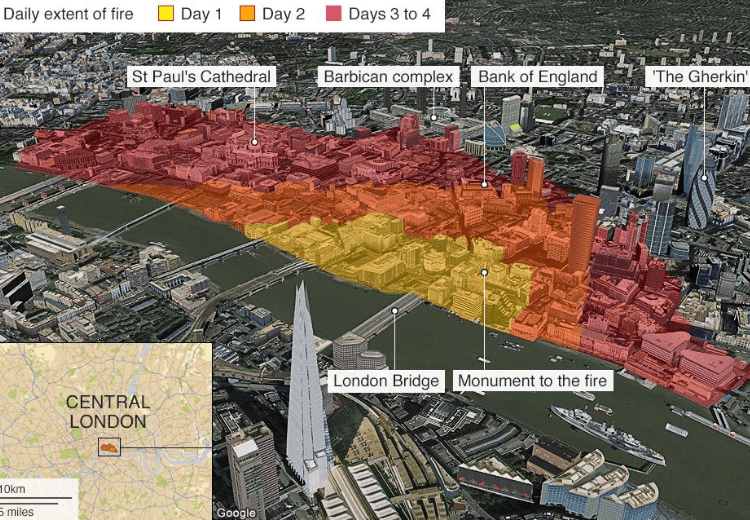
Anglo-Dutch Wars and the Raid on the Medway
1652 - 1674 AD
Additional Information: The First British Empire / The Anglo-Dutch Wars and the Struggle for Supremacy
The mid-seventeenth century was dominated by maritime trade conflicts known as the Anglo-Dutch Wars. Fought across three distinct phases between 1652 and 1674, these hostilities were not driven by dynastic successions or religious disputes, but by an unyielding commercial rivalry between England and the Dutch Republic for supreme dominance over global shipping lanes, East Indies spice monopolies, and the Atlantic slave trade.
The conflict was accelerated by the English parliament’s passage of the First Navigation Act in October 1651. This protectionist maritime statute was engineered to cripple the Dutch transit trade by mandating that all goods entering English ports must be carried exclusively on English ships or vessels from the country of origin, sparking the First Anglo-Dutch War.
The First Anglo-Dutch War erupted into open conflict in May 1652 following a tense naval skirmish off Dover between Admiral Robert Blake and Admiral Maarten Tromp over the mandatory striking of the Dutch flag to English vessels. This opening clash unleashed a series of brutal fleet engagements across the North Sea and the English Channel, including the Battle of Kentish Knock and the Battle of Portland, which tested both nations' maritime logistics.
Operating under the newly formed Commonwealth regime, Blake and General-at-Sea George Monck deployed the line-of-battle tactic to exploit the superior firepower of England's heavy state-built warships. The conflict culminated on 31 July 1653 at the definitive Battle of Scheveningen (Ter Heijde), where a devastating English broadside bombardment shattered the Dutch vanguard and resulted in the mortal wounding of Admiral Tromp. Commercially exhausted by an English naval blockade, the States-General of the Dutch Republic submitted to peace terms, signing the Treaty of Westminster in April 1654, which forced them to recognize the Navigation Act and respect the English flag in home waters.
These continuous engagements drove investments in naval technology and administrative reform. Moving away from converted merchantmen, the admiralties engineered massive standing navies composed of specialized, heavily armed ships-of-the-line, standardizing the tactical deployment of the line-of-battle formation to maximize broadside cannon efficiency under the direction of generals-at-sea like George Monck, 1st Duke of Albemarle.
The war reached its climax in June 1667 during the Second Anglo-Dutch War. King Charles II, facing financial bankruptcy following the combined economic devastation of the Great Plague of 1665 and the Great Fire of London in 1666, took the step of laying up his primary first-rate fleet at Chatham and dismissing his sailors to conserve capital during ongoing peace negotiations at Breda.
---------------------------------------------------------------------------
Battle of Goodwin Sands: 29 May 1652
Inconclusive opening clash, under the command of Admiral Robert Blake and Admiral Maarten Tromp, sparked by a hostile dispute over the mandatory striking of the Dutch flag in English waters.
Battle of Plymouth: 26 August 1652
Dutch victory, under the command of Admiral Michiel de Ruyter, who successfully defended a massive outward-bound merchant convoy from a persistent pursuit by English forces under Admiral George Ayscue.
Battle of Kentish Knock: 8 October 1652
English victory, under the command of Admiral Robert Blake, who utilized superior heavy broadside cannons to decisively shatter the Dutch fleet vanguard near the mouth of the River Thames.
Battle of Dungeness: 10 December 1652
Dutch victory, under the command of Admiral Maarten Tromp, who drove the English fleet into a disorganized retreat and temporarily seized complete control of the English Channel.
Battle of Portland: 28 February – 2 March 1653
English victory, under the command of Admiral Robert Blake and General-at-Sea George Monck, who used newly engineered line-of-battle tactics to intercept and heavily disrupt a returning Dutch merchant fleet.
Battle of the Gabbard: 12–13 June 1653
English victory, under the command of General-at-Sea George Monck, who deployed a highly disciplined, continuous firing line to aggressively out-range and bottleneck the Dutch fleet.
Battle of Scheveningen: 31 July 1653
English victory, under the command of General-at-Sea George Monck, which stands as the final, exceptionally bloody clash of the first war and resulted in the mortal wounding of the elite Dutch Admiral Maarten Tromp.
Battle of Lowestoft: 13 June 1665
English victory, under the command of James Stuart, 1st Duke of York, which opened the second war with a catastrophic explosion of the Dutch flagship Eendracht and the capture of seventeen enemy vessels.
The Four Days' Battle: 1–4 June 1666
Dutch victory, under the command of Admiral Michiel de Ruyter, who executed a brilliant four-day war of attrition that inflicted heavy ship losses on the divided English forces under the Duke of Albemarle.
St. James's Day Battle: 4–5 August 1666
English victory, under the command of Prince Rupert of the Rhine and the Duke of Albemarle, who successfully re-established English naval dominance by driving the Dutch fleet back to their home ports.
Raid on the Medway: 9–14 June 1667
Dutch victory, under the command of Admiral Michiel de Ruyter and Admiral Willem Joseph van Ghent, who executed a daring amphibious assault up the River Thames to burn the English fleet at anchor and capture the flagship Royal Charles.
Battle of Solebay: 7 June 1672
Tactical draw, under the command of the 1st Duke of York and Admiral Michiel de Ruyter, which opened the third war with a fierce, close-range surprise assault that left both flagship fleets heavily damaged.
Battles of Schooneveld: 7 and 14 June 1673
Dutch victory, under the command of Admiral Michiel de Ruyter, who successfully outmanoeuvred a combined Anglo-French fleet along the shallow coastal sandbanks of Flanders to protect the Dutch coast from invasion.
Battle of Texel: 21 August 1673
Dutch victory, under the command of Admiral Michiel de Ruyter, who definitively broke the combined Anglo-French naval blockade, forcing the English state to abandon its military ambitions and sign an immediate peace treaty.

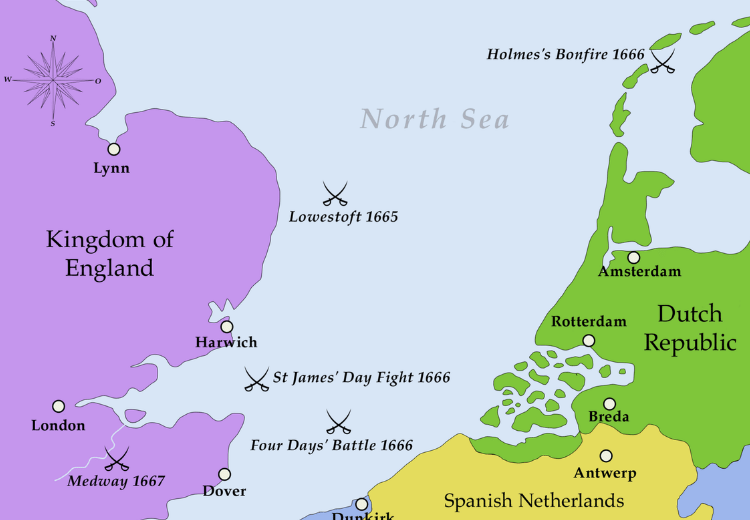
The Popish Plot and the Exclusion Crisis
1678 - 1681 AD
In the late 1670s, the Restoration court faced a major crisis over religious paranoia and dynastic uncertainty. The crisis erupted in August 1678 when a disgraced Anglican clergyman named Titus Oates fabricated an imaginary conspiracy known as the Popish Plot. Oates swore false legal depositions claiming that a vast network of Catholic saboteurs and Jesuit priests was plotting to assassinate King Charles II and install his openly Catholic younger brother, James, Duke of York, on the throne with the aid of a French invasion army.
The public panic turned into mass hysteria in October 1678 when Sir Edmund Berry Godfrey, the Protestant magistrate who had taken Oates’s initial depositions, was discovered murdered in a ditch on Primrose Hill. Treating this unsolved crime as proof of a conspiracy, Parliament launched a sweeping judicial purge. Over the subsequent three years, the courts tried and executed at least twenty-two innocent Catholics for high treason, while the capital was locked down by armed Protestant militias.
The panic allowed a political opposition bloc, led by Anthony Ashley Cooper, 1st Earl of Shaftesbury, to launch a coordinated legislative offensive to alter the succession line. Between 1679 and 1681, Shaftesbury’s faction introduced three consecutive Exclusion Bills into Parliament, designed to legally bar the Catholic James from ever inheriting the crown, proposing instead that the succession pass to Charles II’s illegitimate Protestant son, James Scott, 1st Duke of Monmouth. This constitutional battle created the two-party system: Shaftesbury’s anti-Catholic exclusionists were branded by their enemies as Whigs, while the King’s conservative loyalists, who defended the hereditary succession, were labeled Tories.
The crisis reached its breaking point in March 1681 when Charles II summoned his final Parliament to the loyal stronghold of Oxford. Backed by a secret financial subsidy from King Louis XIV of France that freed him from needing parliamentary taxes, Charles defiantly dissolved the assembly after just one week, ordered Shaftesbury arrested for high treason, and deployed royal forces to execute a nationwide purge of Whig magistrates.
By outmaneuvering the exclusionists, the King preserved his brother's heritable right to the crown, but left the political fabric of the country deeply divided as the nation moved toward the reign of James II.


The Rye House Plot and the Whig Purges
1683 AD
The instability of Charles II's late reign was brought to a violent climax by a severe crisis over the royal succession. Because the King had failed to produce a legitimate heir, the crown was on track to pass to his younger brother, James, Duke of York, who was a fiercely devout Roman Catholic. This prospect deeply divided the political classes and sparked the Exclusion Crisis of 1679–1681, where the emerging Whig faction, under the leadership of Anthony Ashley Cooper, Earl of Shaftesbury, attempted to pass a legislative bill to legally bar James from inheriting the throne. When Charles II dissolved three consecutive Parliaments to block the Exclusion Bill, a radical cell of Whig extremists and former Cromwellian soldiers planned an assassination known as the Rye House Plot.
The conspiracy was organized by prominent republican radicals, including Hannibal Rumbold, a veteran one-eyed New Model Army officer, and Josiah Keeling, a London salter. The conspirators aimed to ambush the King and his brother James as they traveled past the Rye House, a fortified, moated medieval manor in Hoddesdon, Hertfordshire. The plan was to block the narrow road with an overturned cart, gun down the royal guards, and assassinate the King and his brother on their return from the horse races at Newmarket. The conspirators mobilized a force of approximately forty armed men to execute the assault, intending to elevate the King's Protestant illegitimate son, James Scott, Duke of Monmouth, to the vacant throne.
The plot was foiled by a chance fire at the Newmarket race tracks on 22 March 1683, which destroyed the royal pavilions, forcing the royal party to return to London eight days earlier than scheduled and completely bypassing the assassins. When Keeling turned informant to save his own neck and surrendered the plot details to the government in June 1683, Charles II used the public panic to launch a ruthless purge. Royal agents arrested leading Whig politicians who had loosely associated with the radicals, executing William Russell, Lord Russell, and the theoretical writer Algernon Sidney on the scaffold on heavily manipulated charges of high treason, while driving the Earl of Shaftesbury into a fatal exile in Holland.
This victory permanently broke the organized political opposition across the shires. Supported by his chief judge, George Jeffreys, 1st Baron Jeffreys, the King revoked the corporate charters of over sixty Whig-dominated towns to ensure Tory control over local magistrates and future parliamentary elections. Armed with this unchallenged authority, Charles II completely dismantled the Triennial Act, refusing to summon Parliament for the remaining two years of his life.

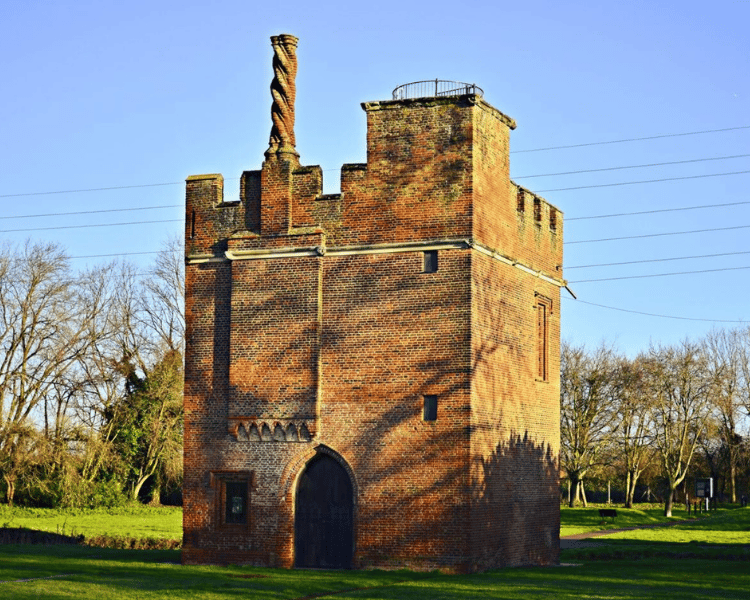
James II: Popery, Tyranny, and the Growing Crisis
1685 - 1688 AD
Following the death of Charles II in February 1685, his brother ascended the throne as King James II. The new monarch immediately faced a major uprising in the summer of 1685, known as the Monmouth Rebellion, where the late King's illegitimate Protestant son, James, Duke of Monmouth, landed an invasion force at Lyme Regis in Dorset.
The professional royal army rapidly crushed the untrained peasant rebels at the Battle of Sedgemoor on 6 July 1685, standing as the last major pitched battle fought on English soil. In the aftermath, James launched a brutal campaign, dispatching the ruthlessly ambitious Lord Chief Justice George Jeffreys to hold the "Bloody Assizes" across the western counties. Jeffreys held trials that resulted in the public hanging, drawing, and quartering of over three hundred suspected rebels, while hundreds more were forcefully transported to indentured labor camps in the West Indies.
The victory left James II overconfident, and he moved to promote Roman Catholicism and expand the peacetime power of the Crown. He used the Dispensing Power—a legal precedent allowing the monarch to personally suspend parliamentary statutes—to bypass the Test Acts, appointing Catholic officers to command his expanding 34,000-man professional standing army. To intimidate political critics in the capital, James stationed 13,000 of these troops in a permanent tactical encampment on Hounslow Heath, just outside London. At the same time, he placed Catholic allies in high administrative positions across the universities and civil service, forcibly dismissing hundreds of Protestant magistrates and local sheriffs who refused to pledge obedience to his policies.
In April 1687, James issued the Declaration of Indulgence, granting complete freedom of worship to Catholics and non-conformists. He commanded every Anglican bishop to read the decree from their pulpits during Sunday services. When seven senior prelates, led by William Sancroft, 79th Archbishop of Canterbury, petitioned the King to withdraw the order on the grounds that it violated common law, James reacted with fury. He had the Seven Bishops arrested, marched through shouting crowds, and locked inside the Tower of London on charges of seditious libel.
The public trial ended in a sensational acquittal that shattered the King's political authority. However, the turning point of his reign arrived on 10 June 1688, when his Catholic queen, Mary of Modena, gave birth to a healthy son, James Francis Edward Stuart. This birth altered the succession timeline, bypassing the King’s adult, Protestant daughters, Mary and Anne, and creating the immediate prospect of an unbroken Catholic dynasty. Terrified by this threat to the Protestant establishment, a powerful coalition of Whig and Tory peerage members decided to launch an immediate conspiracy to forcefully overthrow the King.
---------------------------------------------------------------------------
The Battle of Sedgemoor (6 July 1685)
Royalist Crown Forces
Primary Commander: Louis de Duras, 2nd Earl of Feversham (Supreme Commander)
Secondary Commanders / Notable Nobles: John Churchill, 1st Baron Churchill (Second-in-Command); and Colonel Percy Kirke
Total Forces: Approximately 3,000 professional, disciplined soldiers (comprising 2,200 veteran infantry from the Guards and Line regiments, 800 regular cavalry and dragoons, backed by 26 field artillery pieces)
Casualties: Light; roughly 27 men killed on the field and approximately 200 wounded during the initial night firefight along the Bussex Rhine ditch.
Yorkist Rebel Forces
Primary Commander: James Scott, 1st Duke of Monmouth
Secondary Commanders / Notable Nobles: Lord Grey of Warke (Commanding the Rebel Horse); and Nathaniel Wade
Total Forces: Roughly 3,500 to 4,000 ill-equipped, untrained peasant rebels (predominantly West Country non-conformist artisans, weavers, and agricultural laborers armed with makeshift scythes and pikes, backed by fewer than 4 window-frame cannons)
Casualties: Catastrophic and definitive; approximately 1,300 rebel soldiers were systematically slaughtered during the morning rout or executed in the immediate aftermath, while the 1st Duke of Monmouth was captured three days later in Dorset and publicly beheaded on Tower Hill.


The Anglo-Mughal War
1686 – 1690 AD
The peaceful trading model that had sustained English merchants in India for generations broke apart during the 1680s, replaced by a corporate strategy of force. Spurred by rising customs duties across Bengal and constant friction with local subahdars, Sir Josiah Child, governor of the East India Company, convinced the London directorate to launch a private war against the Mughal Empire. Child believed that naval blockades could force native authorities to grant permanent tax exemptions and cede coastal territories. Backed by a royal commission from King James II, the company dispatched a squadron of ten warships under Captain Nicholson, alongside three hundred regular soldiers, to the Indian Ocean in 1686, launching the campaign known as Child’s War.
The company unraveled by underestimating the vast military resources of the Mughal Emperor, Aurangzeb. The conflict began in the northeast when English troops clashed with the forces of the Governor of Bengal, Shaista Khan. Following a street skirmish in October 1686, Captain Nicholson’s warships bombarded the port town of Hooghly, destroying over five hundred houses and a valuable company warehouse. This attack sparked an immediate counter-offensive. Mughal forces overran unfortified factories at Patna, Malda, Dacca, and Cossimbazar, seizing all corporate assets and driving the remaining factors into a retreat down the River Hooghly.
Led by company agent Job Charnock, the fleeing English merchants made a desperate stand on the swampland of Hijli Island in May 1687, where they were besieged by a Mughal army under Abdus Samad Khan. Over half of Charnock's forces died of tropical disease before a temporary truce allowed them to evacuate to the small river settlement of Sutanuti—the future site of Calcutta.
Simultaneously, the conflict escalated across the western theater of the subcontinent, damaging the company's primary commercial base at Surat. Furious at the company's maritime piracy—specifically their capture of merchant fleets from Surat and the interception of royal pilgrim ships bound for Mecca—Emperor Aurangzeb issued an imperial decree ordering the total expulsion of the English from his dominions. In December 1688, the Governor of Surat attacked the company's inland factory, seizing goods worth thousands of pounds and throwing the Company President, Bartholomew Harris, along with dozens of senior factors, into a local dungeon where they were kept in heavy iron chains for over a year.
The final phase of the war began on the western coast when a massive Mughal fleet of Sidi dhows commanded by Yakut Khan blockaded Bombay Castle on 14 February 1689. Yakut Khan landed a force of twenty thousand professional troops and sepoy levies, rapidly seizing the strategic high ground of Mazagaon hill and positioning heavy siege artillery to continually batter the stone battlements. The siege trapped merchant administrator John Child alongside a heavily depleted garrison of only eight hundred active soldiers and civilian clerks inside the castle walls.
For over fourteen months, Mughal forces launched relentless infantry assaults and maintained a suffocating land and sea blockade, completely cutting off all fresh water supplies and incoming provisions from the Indian Ocean. Scurvy, dysentery, and starvation quickly ravaged the crowded interior defenses, killing over two-thirds of the English defenders and reducing the active garrison to fewer than sixty healthy combatants. With their ammunition completely exhausted and outer bastions crumbling into rubble, the surviving administrators abandoned resistance and submitted unconditionally to the imperial court.
The defeat left the company bankrupt as eastern revenues vanished and its primary trading assets were confiscated. Realizing that corporate survival depended entirely on imperial forgiveness, the directors sent two envoys, George Weldon and Abraham Navarro, to Aurangzeb’s court in 1690 to submit to a humiliating peace settlement. The envoys were forced to approach the imperial throne with their hands bound, prostrating themselves before the Emperor to beg for a pardon.
Aurangzeb agreed to license the company's return but imposed a crushing financial penalty, compelling the merchants to pay a massive indemnity of 150,000 rupees, return all captured vessels, and promise to remove Josiah Child from corporate leadership. This decisive defeat shattered any illusions of rapid territorial conquest, forcing the English back into their traditional role as peaceful commercial supplicants and setting the pattern for low-overhead merchant diplomacy for another sixty years.
---------------------------------------------------------------------------
The Siege of Bombay (14 February 1689 – 22 June 1690)
English East India Company Forces
Primary Commander: Sir John Child (Governor of Bombay / Supreme Commander)
Secondary Commanders / Notable Officers: Lieutenant John Vaux
Total Forces: Exactly 2,300 men inside the fort perimeter (comprising roughly 300 European regular soldiers, 500 local topasses, and 1,500 poorly armed native volunteers, fortified behind the walls of Bombay Castle, entirely lacking external relief options)
Casualties: Catastrophic; over 2,000 soldiers and civilian volunteers died from epidemic disease, scurvy, and starvation during the sixteen-month blockade, leaving fewer than 300 fit for duty at the time of the surrender.
Mughal Empire Forces
Primary Commander: Sidi Yaqub (Siddi Admiral / Supreme Field Commander under Emperor Aurangzeb)
Secondary Commanders / Notable Chieftains: Sidi Kairat Khan
Total Forces: Roughly 14,000 massed troops and naval forces (comprising an elite force of Siddi African sailors, regular Mughal infantry, heavy cavalry divisions, backed by a formidable train of siege artillery deployed on the surrounding hills and nearby islands)
Casualties: Light to moderate; an estimated 300 to 500 combatants killed or wounded during sporadic sallies, mortar exchanges, and their successful multi-wave landings on the island, achieving a complete blockade that forced the surviving English envoys to beg for an imperial pardon at court.

The Glorious Revolution and Flight of the King
1688 AD
Additional Information: Evolution of English Law and Governance / The Glorious Revolution and English Bill of Rights
The constitutional crisis reached a definitive flashpoint on 30 June 1688 when a secret coalition of seven senior English politicians, designated as the Immortal Seven, sent a formal, coded invitation letter across the North Sea to the Dutch Stadtholder, Prince William of Orange. Led by prominent figures from both political factions, including Thomas Osborne, 1st Earl of Danby, and William Cavendish, 4th Earl of Devonshire, the conspirators requested that William intervene in England to protect the Protestant establishment and secure the legislative independence of a free Parliament, promising that local gentry and county militias would rise in open support of his arrival.
William of Orange accepted the invitation, assembling a massive invasion fleet composed of over 400 transport ships, 60 warships, and 15,000 professional European soldiers—a naval force significantly larger than the Spanish Armada of 1588. Guided by a favorable easterly "Protestant Wind" that pinned James II's royal navy inside the Thames estuary, the Dutch fleet sailed down the English Channel and landed completely unopposed at Torbay in Devon on 5 November 1688, exactly eighty-three years to the day after the Gunpowder Plot.
As William unfurled his personal banner reading "The Liberties of England and the Protestant Religion I will maintain," he marched his army inland toward Exeter, and James II’s defences collapsed rapidly. His top military commanders, including John Churchill, Baron Churchill, deserted the royal camp at Salisbury to join the invaders, and his younger daughter, Princess Anne, fled the court at Whitehall under cover of darkness to secure her alignment with the Orange faction.
Faced with total desertion, a mutinous army, and a complete loss of nerve, James II abandoned his positions at Salisbury and retreated to the capital in a panic. In a desperate attempt to paralyse the government before fleeing, the King burnt the official election writs and threw the Great Seal of the Realm directly into the River Thames on the night of 11 December 1688, before boarding a vessel for permanent exile in France under the protection of King Louis XIV. The political elite at Westminster treated this sudden departure not as a tactical retreat, but as a de facto abdication of the throne, clearing the path for the assembly of the Convention Parliament to settle the English constitution.
---------------------------------------------------------------------------
The seven English conspirators who signed the secret invitation to William of Orange:
Charles Talbot, the 12th Earl of Shrewsbury:
A prominent aristocrat who mortgaged his family estates to raise £12,000 for the invasion, resigned his army commission in protest of James II's pro-Catholic policies, and personally traveled to Holland to secure the military alliance.
William Cavendish, the 4th Earl of Devonshire:
A leader of the Whig opposition who hid at Chatsworth House to evade arrest, organized a private militia of five hundred horsemen, and secured the north of England by taking military control of Nottingham and Derby during the landings.
Thomas Osborne, the 1st Earl of Danby:
A premier Tory statesman who organized the northern gentry, engineered the political alliance between Whigs and Tories, and led an armed force that successfully seized the strategic fortress city of York for the revolutionary forces.
Richard Lumley, the 1st Baron Lumley:
A veteran officer who defected from the King's Catholic army, raised an independent regiment of horsemen to secure the northern ports, and successfully seized Newcastle to protect the arriving Dutch fleet's communication lines.
Henry Compton, the 1st Bishop of London:
The high-ranking Anglican prelate who was suspended by James II for refusing to silence anti-Catholic preachers, signed the invitation using a secret code, and wore military armor to help Princess Anne escape London during the panic.
Edward Russell, the 1st Admiral of the Fleet:
A veteran naval commander who lost his brother to a royal execution, acted as the primary courier by carrying the signed parchment invitation across the North Sea in a merchant sailor disguise, and neutralized Royal Navy resistance.
Henry Sidney, the 1st Earl of Romney:
The principal author who drafted the actual text of the invitation at his London house, acted as the central hub for the underground communications network, and used his close diplomatic links in The Hague to coordinate the landing points.


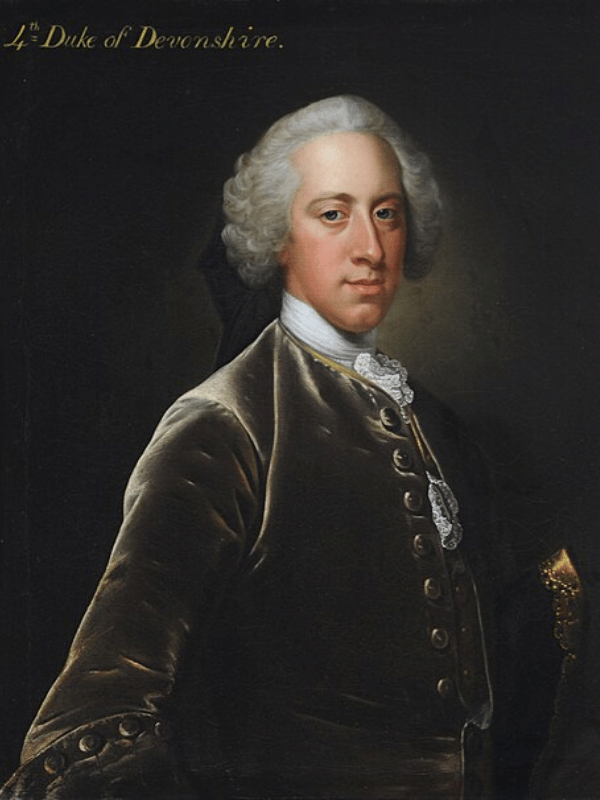
The Bill of Rights
1689 AD
Before the crown was officially placed onto their heads, the newly appointed joint monarchs, King William III and Queen Mary II, were required to accept the strict constraints of the Declaration of Right, which was formally enacted by Parliament as the Bill of Rights on 16 December 1689.
This statute dismantled the Stuart theory of the Divine Right of Kings, explicitly declaring that the Crown held no legal right to suspend laws, levy taxes, or maintain a standing army during peacetime without the explicit, continuous consent of Parliament. Furthermore, it secured freedom of speech for all politicians during debates under a clause protecting parliamentary privilege from royal court interference, while mandating that parliamentary elections must be held regularly without executive interference.
The statute also settled the succession by barring any Roman Catholic, or any individual married to a Roman Catholic, from ever inheriting the English crown or exercising sovereign authority over the realm. To keep the Crown dependent on the legislature, Parliament concurrently passed the Mutiny Act in April 1689. This specialized statute limited the Crown's legal authority to enforce military discipline and fund the armed forces to a strict window of twelve months at a time, effectively forcing the Crown to summon Parliament every single year just to prevent the standing army from becoming an illegal force.
These measures shifted the balance of power, transforming England from an executive monarchy into a constitutional parliamentary state. To lock down this legislative supremacy and secure the funds required to fight the Nine Years' War against France, Parliament also introduced the Civil List Act in 1697. This fiscal measure separated the King's personal household expenses from the national military budget, granting the Crown a fixed annual civil allocation of £700,000 while retaining direct parliamentary control over all state expenditures, ensuring that the sovereign could never again rule the country through independent fiscal means.
---------------------------------------------------------------------------
The thirteen core statutory clauses and constitutional restrictions:
Dispensing Power:
A clause declaring that the crown holds zero legal right to suspend or execute laws without the explicit consent of parliament, nullifying centuries of royal override practices.
Taxation Legality:
A financial clause making it completely illegal for the monarch to levy money for crown use by pretense of prerogative, without a specific statutory grant from the legislature.
Peacetime Standing Army Ban:
A military constraint prohibiting the raising or keeping of a professional army inside the kingdom during peacetime unless parliament grants an explicit twelve-month statutory exception.
Free Parliamentary Elections :
A protective political measure ordering that all municipal and county elections for members of the legislature must be conducted frequently and entirely free from royal interference.
Parliamentary Protection:
A legal safeguard ensuring that freedom of speech, debates, and proceedings in parliament cannot be impeached, questioned, or prosecuted in any court or place outside of parliament itself.
Prohibition of Excessive Bail:
A judicial protection forbidding the crown's magistrates from demanding excessive bail, imposing extortionate fines, or inflicting cruel and unusual punishments like public flogging on political prisoners.
The Right to Petition the King:
A civic guarantee establishing the right of all subjects to petition the monarch, declaring all commitments, arrests, and prosecutions for such petitioning to be completely illegal.
The Protestant Right to Bear Arms:
A security clause allowing Protestant subjects to possess weapons for their personal defense suitable to their conditions and as explicitly authorized by statutory law.
Abolition of Courts of Royal Prerogative:
A constitutional clause confirming that all specialized commissions for creating ecclesiastical courts, such as James II's Court of Commissioners for Ecclesiastical Causes, are completely illegal.
Selection of Qualified Jurors:
A judicial mandate requiring all jurors empanelled for high treason trials to be legitimate freeholders possessing property to prevent the use of rigged panels.
Frequent Parliamentary Sessions:
A decree ordering that parliament must be summoned and held frequently to amend, strengthen, and preserve the laws, which was later fixed to a three-year rule.
Exclusion of Catholic Successors:
A dynastic clause legally barring any individual who professes the popish religion, or holds communion with the See of Rome, or is married to a Roman Catholic, from inheriting the crown.
The Forfeiture of Allegiance:
A final enforcement clause declaring that if a monarch embraces Catholicism, the imperial crown passes instantly to the next Protestant heir as if the abdicating ruler were naturally dead.


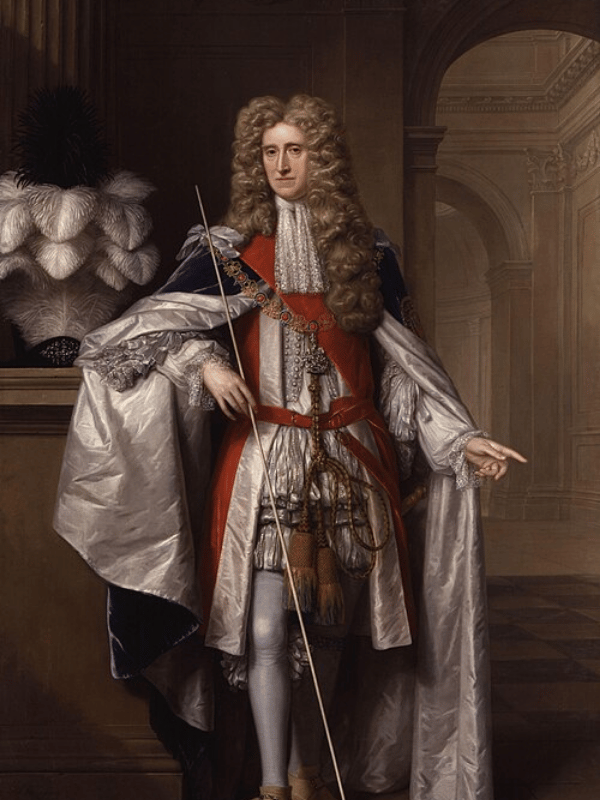
Expansions in North America and Transatlantic Commerce
1632 – 1689 AD
Additional Information: The First British Empire / The Caribbean Cash-Crop Economy / The Mid-Atlantic Colonies and Capture of New Amsterdam / The Southern Plantation Colonies / The Hudson's Bay Company / The Royal African Company and Transatlantic Slave Trade / Growth of Transatlantic Trade
In the decades following the settlement of Jamestown, the English Crown expanded its territorial footings across North America and the Caribbean, converting speculative outposts into a network of proprietary and royal colonies. King Charles I initiated this expansion framework in June 1632 by granting a charter to Cecilius Calvert, Lord Baltimore, establishing the proprietary colony of Maryland as a haven for Catholic gentry and a center for tobacco cultivation. The demographic and territorial landscape shifted further during the Interregnum when Oliver Cromwell launched the Western Design in 1655, deploying an expeditionary fleet that captured Jamaica from the Spanish Empire, transforming the island into Britain's primary sugar-producing hub and a central node in the expanding transatlantic slave trade.
Following the Restoration of the monarchy, Charles II used sweeping land grants to reward political loyalists and consolidate control over the Atlantic seaboard. In March 1663, the King issued a charter to eight Lords Proprietors for the territory of Carolina, establishing plantation layouts designed to feed the Caribbean sugar islands. The geopolitical standoff with the Dutch Republic reached a turning point during the Second Anglo-Dutch War when an English naval force compelled the surrender of New Amsterdam in September 1664. Under the subsequent Treaty of Breda (1667), the Dutch permanently ceded the territory, allowing the Crown to rename the region New York after the King's brother, James, Duke of York, and bridging the geographic gap between the New England and Chesapeake colonies.
The territorial layout of the mid-Atlantic coast was expanded further on 4 March 1681 when Charles II signed a proprietary charter granting a vast tract of land to William Penn to settle a debt owed to Penn's father, Admiral Sir William Penn. This charter established Pennsylvania as a haven for Quakers, structured around religious toleration and planned urban layouts like Philadelphia. To lock these expanding colonies into a closed trading monopoly with the home islands, Parliament passed a series of Navigation Acts between 1651 and 1673. These statutes mandated that all colonial commodities, particularly tobacco and sugar, must be transported exclusively on English ships manned by English crews and routed directly through English ports to enrich the Treasury through custom duties.
The Stuart colonial policy reached its administrative climax in June 1686 when King James II consolidated the northern colonies into a single entity known as the Dominion of New England. Aiming to crush colonial autonomy and halt illegal smuggling, the King revoked the charters of Massachusetts, Connecticut, and Rhode Island, placing the region under the direct rule of Governor Sir Edmund Andros.
Andros alienated the puritan population by restricting town meetings, challenging land titles, and forcing the public to accept Church of England services. This centralized experiment collapsed on 18 April 1689 during the Boston Revolt. Upon receiving news that James II had been deposed during the Glorious Revolution in London, Boston militia units armed themselves, marched on Fort Mary, and arrested Andros, dissolving the Dominion and restoring their traditional charter governments.
The Battle of the Boyne and War of the Two Kings
1688 - 1691 AD
The constitutional declarations passed at Westminster did not bring immediate peace across the British Isles, and the revolution was secured on the battlefield. In March 1689, the deposed King James II landed at Kinsale in Ireland with the financial and military backing of King Louis XIV of France, assembling a Catholic army to launch a counter-revolution to reclaim his crown. This conflict became known as the War of the Two Kings, turning the island into a violent theater of the wider Nine Years' War. This pan-European struggle pitted the Grand Alliance—a defensive coalition of England, the Dutch Republic, the Holy Roman Empire, and Spain—against the aggressive expansionism of the French Bourbon monarchy.
The primary battlegrounds of this global conflict were concentrated along the channels of the Atlantic Ocean and the fortresses of the Spanish Netherlands, where fleets collided to control strategic sea lanes. In July 1690, just twenty-four hours before the armies collided in Ireland, the French navy achieved a tactical victory over a combined Anglo-Dutch fleet at the Battle of Beachy Head. This naval defeat stripped England of its channel command and sparked an immediate security panic in London, threatening the island with a French military invasion. By turning Ireland into an active theater of war, King Louis XIV explicitly aimed to tie down English resources, divert British regiments away from the Flanders frontier, and exhaust the financial resources of Parliament.
James's forces rapidly advanced across the country, laying a brutal, 105-day siege to the Protestant stronghold of Londonderry. The city held out under extreme starvation until it was relieved by Williamite naval supply ships breaking through a heavy river boom. The crisis grew so severe that King William III personally led a multi-national army of thirty-six thousand professional troops across the Irish Sea, making landfall at Carrickfergus in June 1690. This force was composed of English regiments, the Dutch Blue Guards under Count Solms, Danish mercenaries, and French Huguenot refugees led by Friedrich Schomberg, 1st Duke of Schomberg, all funded via the financial resources of the state. On the morning of 1 July 1690, William intercepted James's twenty-five-thousand-man Jacobite army at a major river crossing outside Drogheda.
The engagement, known as the Battle of the Boyne, stands as the most critical military clash of the late seventeenth century. William III executed a multi-pronged offensive, sending a flanking division under Lieutenant-General James Douglas upstream toward the bridge at Slane to draw away the elite French infantry regiments and confuse the Jacobite commanders.
Once the enemy lines were split, the King ordered his main force, led by the Dutch Blue Guards, to wade chest-deep through the tidal waters of the River Boyne at the Oldbridge ford under a heavy hail of musketry. Despite intense, bloody resistance from the Jacobite cavalry under Richard Talbot, 1st Earl of Tyrconnell, the disciplined Williamite forces stabilized their beachhead, brought up their mobile field artillery, and broke the enemy center, though the 1st Duke of Schomberg was killed in the river melee.
The battle ended in a decisive tactical rout. James II fled the field, abandoning his army, riding hard to Dublin, and sailing from Waterford straight back to France, a retreat that earned him the bitter derision of his Irish subjects. The victory at the Boyne crushed the immediate hope of a Stuart restoration, securing the Protestant succession and the 1689 Bill of Rights in battlefield reality. It left the Williamite state to consolidate its control over the country, culminating in the formal pacification of the island under the Treaty of Limerick in October 1691, which forced over eleven thousand Jacobite soldiers into continental exile under the Flight of the Wild Geese to serve directly in the armies of France.
---------------------------------------------------------------------------
The major engagements and sieges of the Williamite War in Ireland (1689 – 1691):
April – July 1689: Siege of Londonderry
Williamite Victory under Governor George Walker — 10,000 Protestant civilian and garrison deaths from starvation vs 8,000 Jacobite casualties, ending when naval supply ships broke the River Foyle boom.
July 1689: Battle of Newtownbutler
Williamite Victory under Colonel William Wolseley — 100 Williamite casualties vs 1,500 Jacobite casualties, completely shattering the Jacobite forces in Ulster and securing the northern frontier.
August 1689 – May 1690: Siege of Charlemont Fort
Williamite Victory under Marshal Friedrich Schomberg, the 1st Duke of Schomberg — 300 Williamite casualties vs 500 Jacobite casualties, capturing the premier strategic stronghold in County Armagh after a bitter winter blockade.
1 July 1690: Battle of the Boyne
Williamite Victory under King William III — 500 Williamite casualties vs 1,000 Jacobite casualties, forcing the immediate flight of King James II back to France and securing the capture of Dublin.
August – September 1690: First Siege of Limerick
Jacobite Victory under Patrick Sarsfield, the 1st Earl of Lucan — 3,000 Williamite casualties vs 1,000 Jacobite casualties, forcing King William III to abandon his heavy siege artillery and retreat due to torrential autumn rains.
September – October 1690: Siege of Cork and Kinsale
Williamite Victory under John Churchill, the 1st Duke of Marlborough — 500 Williamite casualties vs 1,500 Jacobite casualties, cutting off the southern port networks and isolating the Jacobite army from French naval supply lines.
June 1691: Siege of Athlone
Williamite Victory under General Godert de Ginkell, the 1st Earl of Athlone — 500 Williamite casualties vs 1,000 Jacobite casualties, culminating in a daring grenade assault across the River Shannon bridge to breach the western defenses.
12 July 1691: Battle of Aughrim
Williamite Victory under the 1st Earl of Athlone — 3,000 Williamite casualties vs 7,000 Jacobite casualties, marking the bloodiest pitched battle ever fought on Irish soil and permanently breaking the main Jacobite field army.
August – October 1691: Second Siege of Limerick
Williamite Victory under the 1st Earl of Athlone — 1,000 Williamite casualties vs 1,500 Jacobite casualties, culminating in the signing of the Treaty of Limerick and the voluntary continental exile of eleven thousand Irish soldiers.

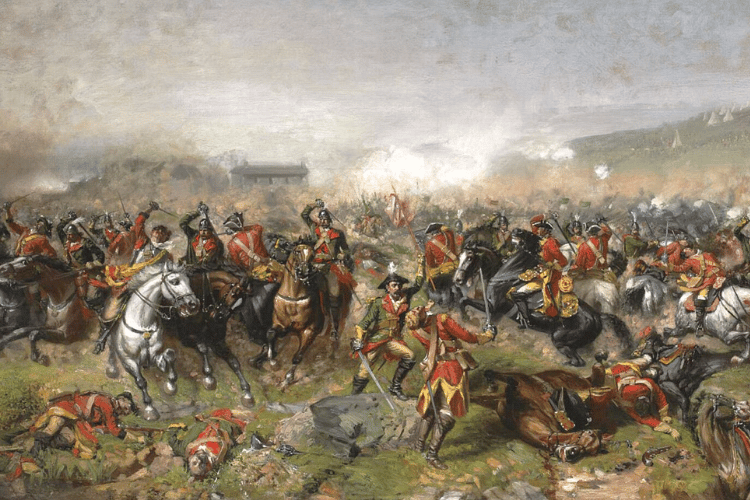
The Rise of the Nassau Republic
1690 – 1717 AD
Additional Information: The Georgian Era / The War on the Pirates and Royal Suppression
The establishment of an autonomous tropical haven in the Bahamas was driven by administrative collapse and the fallout of continuous European warfare. The roots of the piratical network were planted during the 1690s, when cash-strapped proprietary governors of the Bahamas turned a blind eye to maritime lawlessness to protect their vulnerable settlements from Spanish raids.
In April 1696, the strategic port of Charles Town (later renamed Nassau) became a pirate anchorage when Henry Every, commanding the thirty-gun warship Fancy, arrived after raiding the Mughal treasure fleet in the Indian Ocean. Every bribed the governor, Nicholas Trott, with a massive payout of gold, silver, and elephant tusks, alongside the transfer of the Fancy herself, establishing a precedent where outlaws could use the remote island to securely launder captured global wealth outside the oversight of the British Crown.
This informal sanctuary hardened into a pirate state when the financial drain of continental wars forced a rapid reduction of British naval forces. Following the signing of the Treaty of Utrecht in April 1713, which brought a end to the War of the Spanish Succession, the Admiralty decommissioned over forty thousand experienced sailors, privateers, and marine commandos from the Royal Navy without back pay or civilian employment prospects. This sudden termination of naval contracts threw thousands of skilled mariners out of work, creating a complete vacuum of economic security across the Caribbean basin. Left without legitimate means of survival, this vast underclass turned their naval training against merchant shipping networks, transforming the Atlantic corridors into an open zone of maritime outlawry historically branded as the Golden Age of Piracy.
This expansion relied on autonomous tropical havens beyond the immediate reach of royal governance. Under this system, rogue captains established an alternative pirate republic at Nassau on New Providence Island, which served as an ungoverned anchorage for over one thousand active outlaws by 1716. The location was flawless; Nassau possessed a wide, shallow harbour protected by Hog Island that could comfortably accommodate light, fast pirate vessels like sloops and brigantines while preventing heavy, deep-draft British warships from entering the channel.
The republic took shape under the dual leadership of two competitive rival captains: Benjamin Hornigold, who commanded a disciplined faction of former British privateers clinging to a veneer of patriotism, and Henry Jennings, a ruthless operator who launched a massive raid against the wrecked 1715 Spanish Treasure Fleet off the coast of Florida, plundering over 350,000 pieces of eight from the salvage camps to fund the Nassau settlement.
Using shallow coastal keys to plunder the Spanish treasure fleets and high-value commercial vessels trading between Europe, West Africa, and the Americas, these outlaws disrupted global trade routes. Shifting entirely away from the traditional, hierarchical layout implemented aboard Royal Navy vessels, these crews engineered an egalitarian social model. They utilized written ship articles to distribute plunder evenly, elect their captains through democratic vote, and provide mutual disability compensation—such as six hundred pieces of eight for the loss of an eye or limb—for wounded crewmen. While these maritime operations captured staggering fortunes under notorious captains like Edward Teach, widely known as Blackbeard, Bartholomew Roberts, and Charles Vane, this piracy collapsed when it began to directly threaten the transatlantic slave trade and sugar monopolies of the London merchant elite.
---------------------------------------------------------------------------
Edward Teach (Blackbeard):
Commanded the Queen Anne's Revenge, a captured 300-tonne French slave transport refitted with forty heavy cannons. He famously blockaded the major colonial harbor of Charles Town for six days in May 1718, taking elite hostages to demand a chest of medical supplies for his infected crew. His career ended when he was ambushed, shot five times, and stabbed twenty times by a Royal Navy boarding party under Lieutenant Robert Maynard at Ocracoke Inlet on 22 November 1718, after which his severed head was tied to the bowsprit of the navy sloop Pearl.
Bartholomew Roberts (Black Bart):
Captain of the Royal Fortune, a series of heavily armed warships culminating in a captured French warship carrying forty-two cannons. He successfully plundered a record-breaking total of over four hundred merchant vessels across the Caribbean, Brazil, and West Africa. He enforced strict ship articles that completely banned gambling, limited drinking, and required lights out by 20:00. He was killed instantly by a grapeshot blast to the throat during a fierce battle with the heavy royal warship Swallow under Captain Chaloner Ogle off Cape Lopez on 10 February 1722, and his crew threw his corpse overboard into the sea to honor his last wishes.
Charles Vane:
Commanded the brigantine Ranger, a highly swift vessel carrying twelve cannons. He famously used a pitch-soaked fireship strike to forcefully blast his way through Captain Woodes Rogers's naval blockade of Nassau harbor in August 1718. Known for his extreme cruelty and refusal to accept the King's Pardon, his crew later mutinied and deposed him for cowardice after he refused to attack a French warship. He was eventually shipwrecked on a deserted island in the Bay of Honduras, captured by a passing British vessel, and publicly hanged in iron chains at Gallows Point in Port Royal on 29 March 1721.
John Rackham (Calico Jack):
Commanded the twelve-gun sloop William, a swift raiding vessel he used to plunder coastal merchant shipping around the Bahamas and Cuba. He is historically famous for breaking maritime conventions by recruiting two armed female combatants, Mary Read and Anne Bonny, into his active combat roster. His entire crew was captured while completely intoxicated below deck during a surprise night raid by a crown privateer vessel under Captain Jonathan Barnet in October 1720, resulting in Rackham being publicly hanged and gibbetted at Deadman's Cay in Jamaica on 18 November 1720.
Stede Bonnet (The Gentleman Pirate):
Captain of the ten-gun sloop Revenge, a custom warship he purchased legally using his personal wealth as a highly educated sugar planter and major in the Barbadian militia before turning to piracy due to marital problems. He partnered with Blackbeard to raid the American eastern seaboard but completely botched his early naval engagements due to a total lack of sailing experience. He was captured after a bloody, five-hour river combat at the Battle of Cape Fear River by a state militia flotilla under Colonel William Rhett, and was publicly hanged at White Point Garden in Charleston on 10 December 1718.
Edward Low:
Commanded the Fancy, a highly agile tactical vessel carrying fourteen cannons. He utilized a black flag featuring a blood-red skeleton to capture dozens of whaling craft off New England and Portuguese merchantmen off the Azores. He ran his ship with extreme cruelty, famously cutting off the lips and ears of captured merchant captains who attempted to hide their gold portfolios. His career ended abruptly after a brutal internal mutiny where his crew killed his quartermaster, bound Low in chains, and set him adrift in a small open boat, leaving him to disappear entirely from historical records by 1724.


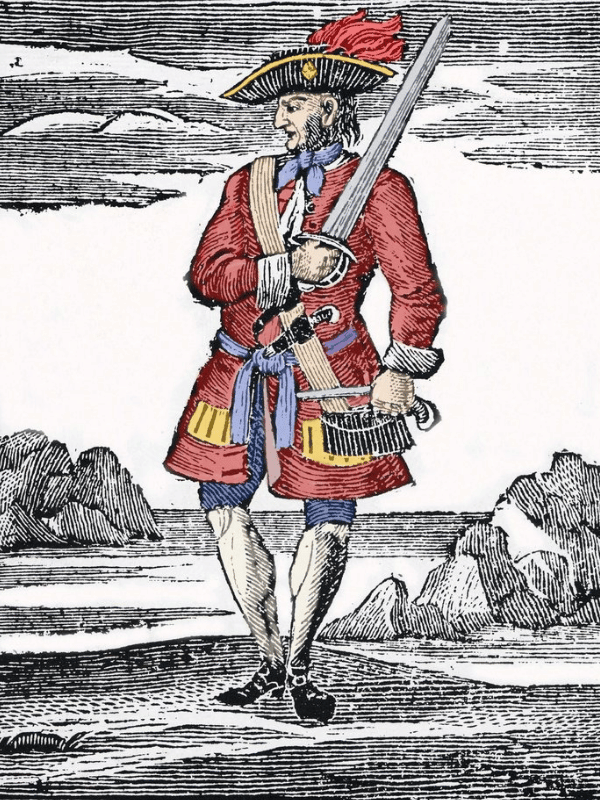
The Creation of the Bank of England
1694 AD
The extensive financial drain of the late seventeenth-century continental campaigns left England facing an immediate financial crisis. Having run heavily into debt through continuous naval warfare against King Louis XIV of France, and unable to extract sufficient revenue from traditional taxation, the newly vulnerable administration of King William III was confronted with the threat of total bankruptcy.
The treasury was completely exhausted, and English credit had plummeted to a point where short-term lenders demanded predatory interest rates exceeding thirty percent to fund the ongoing Nine Years' War. This lack of liquid capital threatened the country with a breakdown of its military networks, as the state struggled to pay and provision the professional troops fighting along the Flanders frontier. To secure the necessary funds and establish a permanent system of public credit, a group of London merchants, led by the Scottish financier William Paterson and Chancellor of the Exchequer Charles Montagu, launched a major financial reform in the summer of 1694 by creating the Bank of England.
The execution of this financial reform relied on an innovative legislative strategy designed to bypass traditional credit blocks. Under this plan, passed by Parliament as the Tonnage Act in July 1694, Paterson and his associates launched a public subscription to raise an immediate loan of £1,200,000 for the Crown. In exchange for this windfall, which was raised from the London merchant elite within just twelve days of opening the ledger, the government incorporated the investors under the official legal title of the Governor and Company of the Bank of England. The Crown appointed Sir John Houblon as Governor of the Bank of England to oversee its initial operations from the corporate headquarters inside the Mercers' Hall. The charter granted the newly formed corporation the unique legal privilege to issue paper banknotes backed by the royal debt, trade in gold bullion, and discount bills of exchange, transforming the state's military deficit into a secure, circulating paper currency.
The long-term result of this corporate charter permanently altered the administrative machinery of the country, as the creation of the Bank introduced the architecture of the national debt. Realizing that the exchequer could now borrow vast sums at a stable interest rate of 8%, funded by long-term parliamentary customs duties on beer and vinegar, the administration permanently abandoned obsolete feudal extractions.
This breakthrough linked the wealthy commercial classes of London directly to the survival of the post-revolutionary monarchy, as any Jacobite restoration would instantly invalidate the Crown's financial obligations and ruin the investors. This credit apparatus provided the financial engine required to build a massive global navy, securing the economic stability of the new Whig regime and cementing London's position as the primary financial center of Western Europe long before the subsequent Hanoverian succession.
---------------------------------------------------------------------------
The six key people who designed and funded the 1694 project:
William Paterson:
The primary visionary and Scottish financier who masterminded the original joint-stock corporate plan, writing the proposal that promised to convert the state's war deficit into a reliable paper currency.
Charles Montagu, the 1st Earl of Halifax:
The Chancellor of the Exchequer who piloted the project through a deadlocked parliament, legally attaching the bank's charter to the 1694 Tonnage Act to secure the crown's loan.
Sir John Houblon, the 1st Governor:
The premier administrative manager and wealthy merchant who oversaw the bank's initial daily operations from its first official headquarters inside the Mercers' Hall.
Michael Godfrey, the 1st Deputy Governor:
A prominent London merchant who organized the merchant subscription syndicate, raising the entire £1,200,000 capital fund from elite investors in just twelve days.
Sir Gilbert Heathcote:
A founding director and massive shareholder who used his commercial clout in the Eastland and Jamaica trades to lock the wealth of the city directly to the bank's success.
King William III:
The reigning sovereign who signed the royal charter on parchment, officially incorporating the subscribers to secure a steady flow of credit for the war along the Flanders frontier.
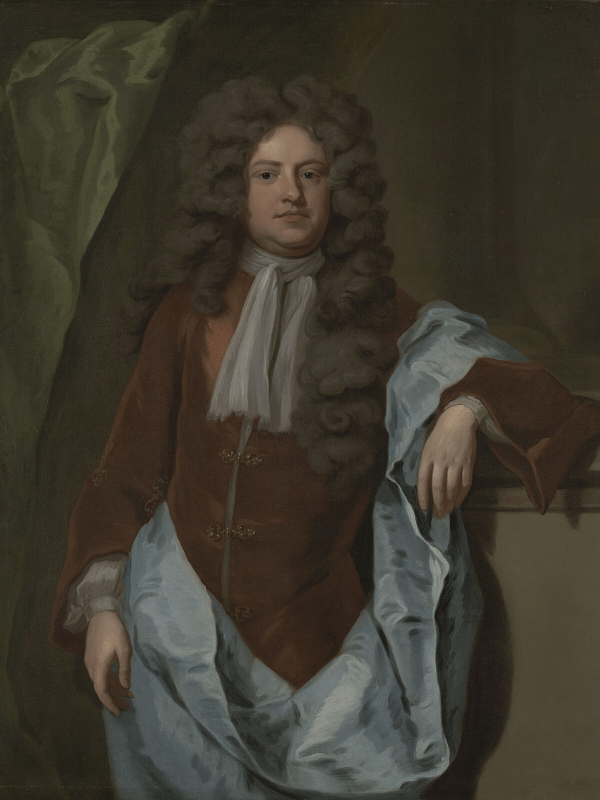
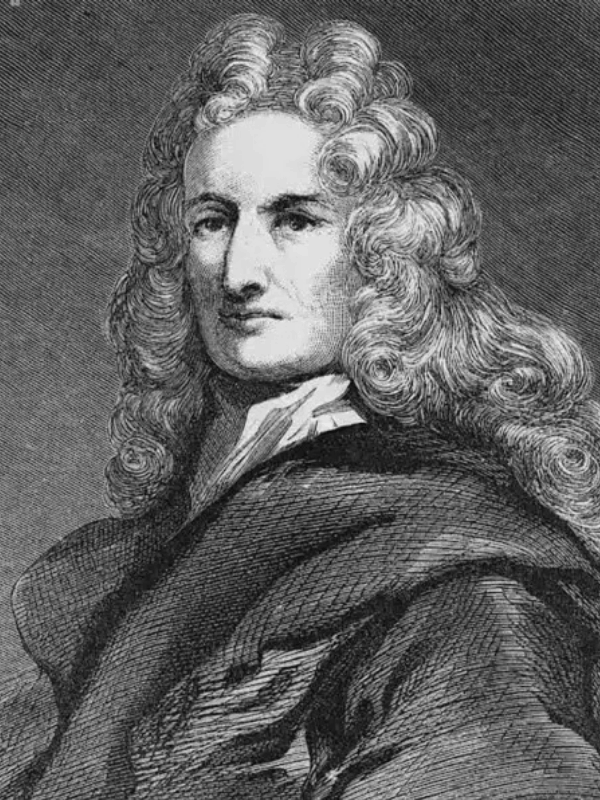

The Civil List Act
1698 AD
Parliament dismantled royal financial independence in the spring of 1698 to secure fiscal control over the Crown. Following the heavy expenditures of the Nine Years' War against France, which left the kingdom with a massive national debt, the House of Commons resolved to sever the Crown’s ability to finance independent military administrations. Parliament passed the Civil List Act of 1698 to re-engineer the finances of the monarchy. Under the terms of this act, the legislature stripped King William III of his hereditary right to utilize general customs and excise revenues to fund the civilian administration, completely separating the personal expenses of the sovereign from the public costs of state governance and the armed forces.
This measure established a clear boundary between the personal household of the monarch and the civil administration. To oversee these accounts, the Whig administration empowered Exchequer auditors under the direction of Charles Montagu, who served as First Lord of the Treasury. Under these guidelines, the newly created Civil List was confined strictly to funding the inner household offices—including the Board of Green Cloth, the Lord Steward's department, and the salaries of the royal judges, diplomats, and secretarial clerks. Every single penny allocated to the navy, the ordnance boards, and the standing army was permanently removed from the King's personal discretion, requiring distinct parliamentary appropriations that were voted on and audited by Westminster committees every twelve months.
This mechanism altered the balance of power, forcing the Crown into dependence on Parliament. By removing independent tax revenues, the statute prevented the monarch from maintaining a private political network or funding foreign military campaigns. While the settlement guaranteed the personal comfort of the royal family, it anchored the authority of Parliament. This established a precedent of oversight that transformed the Crown into a financially dependent institution of the state.


The Act of Settlement 1701
1701 AD
Additional Information: The History of the Church in England / The Act of Settlement 1701, Evolution of English Law and Governance / The Act of Settlement and Isolation of Judicial Power
Parliament passed the Act of Settlement 1701 to isolate the Crown from Roman Catholic influence and secure constitutional stability. Following the sudden death of Princess Anne’s sole surviving child, Prince William, Duke of Gloucester, on 30 July 1700, the ruling political class faced a severe dynastic emergency.
With King William III rapidly aging and Princess Anne left without a direct heir, the hereditary line of succession pointed back to the exiled Catholic son of James II, Prince James Francis Edward Stuart. Determined to block any return of this Catholic lineage, the legislature bypassed fifty-six closer Catholic claimants to re-engineer the royal succession by statutory decree under the terms of the Act of Settlement 1701.
This statute reshaped royal legitimacy by turning the Crown into a statutory office subordinate to parliamentary law. The legislation declared that upon the death of Princess Anne without issue, the crown would devolve exclusively upon Sophia, Electress of Hanover—a granddaughter of King James I—and her Protestant heirs. To prevent a foreign monarch from subverting national interests, the Act inserted strict constitutional conditions. It made communion with the Church of England a permanent prerequisite for wearing the crown, stripped the sovereign of the power to launch foreign wars to defend overseas territories without explicit parliamentary consent, and legally banned any foreign-born individual from holding a seat on the Privy Council or entering the House of Commons.
Furthermore, the Act contained two clauses designed to secure the independence of the state from executive interference. First, it stripped the Crown of the power to unilaterally dismiss judges, establishing that members of the judiciary could only be removed by an address from both houses of Parliament and locking down their salaries to prevent royal bribery. Second, it explicitly decreed that a royal pardon could never stop an impeachment by the House of Commons, breaking the monarch's ability to protect corrupt ministers from legislative justice. This statute established a framework of parliamentary oversight that successfully bound the future Hanoverian dynasty to the statutory laws of the land.
---------------------------------------------------------------------------
The eight explicit statutory constraints forced onto the crown:
Anglican Prerequisite:
A strict clause making it a permanent legal requirement that any person who inherits the crown must join in communion with the Church of England as by law established.
Restriction on Foreign Wars:
A military constraint decreeing that if a foreign-born monarch inherits the throne, the nation will not engage in any war to defend overseas territories without the explicit consent of parliament.
Travel Limitations:
A passport constraint prohibiting the monarch from leaving the shores of England, Scotland, or Ireland without receiving direct permission from the legislature.
Privy Council Citizenship Ban:
A strict nationality clause legally barring any individual born outside the three kingdoms—even if naturalized—from holding a seat on the Privy Council or entering the House of Commons.
Judicial Tenure:
A radical legal safeguard establishing that judges hold their commissions during good behavior, meaning they can only be removed by an address from both houses of parliament.
Office Exclusion:
A constitutional clause banning any foreign-born subject from receiving land grants from the crown or holding any office of place or trust under the civil or military state machine.
Pardon Ban:
A judicial rule declaring that a royal pardon under the Great Seal cannot be used to block or halt an impeachment passed by the House of Commons against a crown minister.
The Transaction of State Business:
A clause mandating that all administrative matters relating to the good government of the realm must be transacted inside the Privy Council and signed by the advising counselors.


The War of the Spanish Succession
1701 - 1714 AD
Additional Information: The First British Empire / War of the Spanish Succession and the Asiento Monopoly
The dawn of the eighteenth century brought England into the War of the Spanish Succession, a conflict rooted in a dynastic crisis. In November 1700, the childless King Charles II of Spain died, leaving his global empire—which encompassed Spain, the Spanish Netherlands, portions of Italy, and the markets of Spanish America—to Philip, Duke of Anjou, the grandson of the French King Louis XIV.
Recognizing the threat of a combined Bourbon superpower uniting the French and Spanish empires into a continental dominance, King William III forged the Grand Alliance with Austria and the Dutch Republic in September 1701. Following William's death in March 1702, the crown passed to Queen Anne, the last Protestant Stuart monarch. Her administration activated the alliance, declaring war in May 1702 to prevent a Bourbon monopoly over Mediterranean trade routes, American silver fleets, and the lowlands of Flanders.
British forces were placed under the supreme command of John Churchill, 1st Duke of Marlborough, who served as Captain-General. Marlborough inherited a military force transformed by technical advancements, most notably the universal adoption of the flintlock musket and the socket bayonet, which had replaced the medieval pike and enabled infantrymen to act as both missile and shock troops. He revolutionized battlefield logistics, establishing a network of pre-arranged bread ovens and supply magazines along planned march routes to speed up operations.
During the opening campaigns of 1702 and 1703, Marlborough cleared the French garrisons blocking the lower Rhine and Meuse rivers, successfully capturing a string of vital fortress hubs including Venlo, Roermond, and the citadel of Liège, which secured the northern frontiers of the Dutch Republic and established a base for future allied operations.
---------------------------------------------------------------------------
The major engagements fought by English forces on the continent during the conflict:
The Battle of Blenheim (13 August 1704)
Allied Forces
Primary Commander: John Churchill, 1st Duke of Marlborough (Supreme Allied Commander)
Secondary Commanders / Notable Nobles: Prince Eugene of Savoy; and Charles Churchill
Total Forces: Approximately 52,000 men (comprising roughly 16,000 British, Dutch, and German infantry, 14,000 cavalry, backed by 66 field artillery pieces)
Casualties: Moderate; roughly 4,500 allied soldiers killed in action and 7,500 wounded.
Franco-Bavarian Forces
Primary Commander: Camille d'Hostun, Duc de Tallard (Marshal of France)
Secondary Commanders / Notable Nobles: Maximilian II Emanuel, Elector of Bavaria; and Ferdinand de Marsin
Total Forces: Approximately 56,000 men (predominantly French and Bavarian infantry and heavy cavalry, backed by 90 artillery pieces)
Casualties: Catastrophic; over 20,000 Franco-Bavarian soldiers killed or drowned in the River Danube, and an additional 14,000 captured—including Marshal Tallard himself—completely shattering Louis XIV's reputation for invincibility.
The Battle of Ramillies (23 May 1706)
Allied Forces
Primary Commander: John Churchill, 1st Duke of Marlborough
Secondary Commanders / Notable Nobles: Hendrik van Overkirk (Dutch Field Marshal)
Total Forces: Approximately 62,000 men (including a core British infantry and cavalry vanguard, backed by 120 artillery pieces)
Casualties: Light; estimated at roughly 1,000 men killed and 2,500 wounded during the high-speed tactical maneuvers.
French and Bourbon Coalition
Primary Commander: François de Neufville, Duc de Villeroi (Marshal of France)
Secondary Commanders / Notable Nobles: Max Emanuel, Elector of Bavaria
Total Forces: Approximately 60,000 men
Casualties: Severe; over 13,000 French soldiers killed, wounded, or captured, resulting in the immediate collapse of French military control over the entire Spanish Netherlands.
The Battle of Almansa (25 April 1707)
Allied Forces (Iberian Theater)
Primary Commander: Henri de Massue, 1st Earl of Galway
Secondary Commanders / Notable Nobles: Antônio Luís de Sousa, 2nd Marquess of Minas
Total Forces: Roughly 15,000 Portuguese, English, and Dutch troops
Casualties: Catastrophic defeat; over 4,000 men killed or wounded, and 8,000 captured on the field after the Portuguese cavalry wings broke under assault.
Franco-Spanish Bourbon Forces
Primary Commander: James FitzJames, 1st Duke of Berwick
Secondary Commanders / Notable Nobles: Jean-Baptiste de Cassagnet
Total Forces: Approximately 25,000 professional infantry and heavy cavalry
Casualties: Light; estimated at roughly 1,500 to 2,000 total casualties, permanently locking down the Spanish mainland for King Philip V.
The Battle of Oudenarde (11 July 1708)
Allied Forces
Primary Commander: John Churchill, 1st Duke of Marlborough
Secondary Commanders / Notable Nobles: Prince Eugene of Savoy; and William Cadogan, 1st Earl Cadogan
Total Forces: Approximately 80,000 men
Casualties: Light; roughly 1,000 allied soldiers killed and 2,000 wounded.
French Forces
Primary Commander: Louis Joseph, Duc de Vendôme
Secondary Commanders / Notable Nobles: Louis, Duke of Burgundy
Total Forces: Approximately 85,000 men
Casualties: Heavy; over 6,000 French soldiers killed or wounded, and an additional 7,000 captured during the chaotic running encounter in the broken terrain of Flanders.
The Battle of Malplaquet (11 September 1709)
Allied Forces
Primary Commander: John Churchill, 1st Duke of Marlborough
Secondary Commanders / Notable Nobles: Prince Eugene of Savoy; and John William Friso, Prince of Orange
Total Forces: Approximately 100,000 men, heavily reinforced with Dutch and German auxiliary regiments
Casualties: Devastating; the bloodiest pitched battle of the century, costing the allies over 24,000 casualties (killed or wounded) during a brutal frontal assault on fortified earthworks.
French Forces
Primary Commander: Claude Louis Hector de Villars (Marshal of France)
Secondary Commanders / Notable Nobles: Louis François, Duc de Boufflers
Total Forces: Approximately 75,000 men entrenched behind deep forest breastworks
Casualties: Moderate; roughly 12,000 French soldiers killed or wounded before executing an orderly, disciplined retreat from the field.


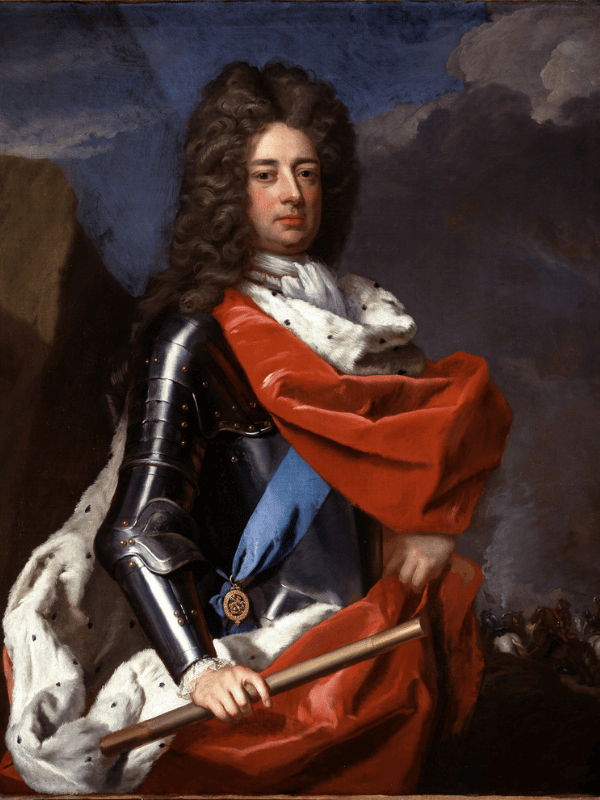
The Field Campaigns of the Duke of Marlborough
1704 – 1709 AD
The continental campaigns developed into a showcase of Marlborough's tactical flexibility and battlefield timing. At the Battle of Blenheim on 13 August 1704, the allied army encountered a stationary Franco-Bavarian defense line anchored along the River Danube.
After launching diversionary assaults on the fortified villages of Blenheim and Lutzingen on the enemy flanks to draw in the reserves, Marlborough recognized that the French center under Camille d'Hostun, Duc de Tallard, had been thinned. The Duke ordered a massive cavalry and infantry strike directly through the center of the enemy lines, fracturing the French army and capturing Marshal Tallard alive on the field. This triumph rescued Vienna from the threat of a Bourbon occupation.
This breakthrough was followed by a sequence of field victories that tore open the defensive borders of France. At the Battle of Ramillies in May 1706, Marlborough executed a cavalry redeployment under the cover of rolling terrain, outflanking the French lines and routing their forces out of the Spanish Netherlands. This momentum was sustained at the Battle of Oudenarde in July 1708, a fast-moving encounter battle where the allied vanguards trapped and defeated the forces of the Duke of Burgundy along the River Scheldt. The campaign reached its climax in September 1709 at the Battle of Malplaquet, a grueling frontal infantry assault through dense woodland that cost the allied forces over twenty thousand casualties but breached the final border fortress barriers of the French realm.
The funds required to sustain these continuous field victories were provided directly by the credit machinery of the newly established Bank of England. By standardizing the issuance of long-term government bonds and expanding the national debt, the British state paid and supplied its troops on time while its European allies faced bankruptcy. This continuous financial flow allowed British infantry regiments to maintain an unrelenting operational tempo on the field, converting credit into tactical victories that permanently blunted the military power of the French Crown.


The Act of Union 1707
1707 AD
While the Duke of Marlborough campaigned on the continent, Queen Anne’s administration completed a permanent transformation of the island's political reality. For over a century, England and Scotland had remained separate nations under a loose personal union of the crowns, maintaining independent parliaments, legal systems, and commercial tariffs. By the early 1700s, this layout became volatile.
The Scottish Parliament passed the Act of Security, threatening to choose a separate, non-Hanoverian successor to the throne, which opened the dangerous prospect of a hostile Jacobite stronghold on the northern frontier. To solve this crisis, commissioners from both nations spent months negotiating a formal merger of the two states, resulting in the historic Act of Union in May 1707. The treaty was a political and economic transaction, where the English state used its financial capital to buy out the Scottish national debt through a large cash payment known as "The Equivalent." This capital compensated Scottish investors who had been bankrupted by the failed Darien colonization scheme in Central America, while granting Scotland complete access to England's global trade networks and overseas colonies.
The passage of the Act of Union erased the physical borders between the two nations, and the independent parliaments of Westminster and Edinburgh were dissolved, replaced by a single legislative body known as the Parliament of Great Britain, based in London. Officials standardized the flags, coinage, and customs grids of the island, creating a unified domestic economy.

The Treaty of Utrecht and Global Commercial Dominance
1713 AD
The grueling War of the Spanish Succession was brought to a victorious close in April 1713 through the signing of a series of international peace treaties known as the Treaty of Utrecht. The terms of this settlement represented a major triumph for British diplomacy and maritime strategy, re-engineering global trade routes to favor British merchant fleets. Having checked Bourbon expansion on the continent through Marlborough's victories, Great Britain used its military and financial leverage to extract territorial and commercial concessions from a defeated France and a bankrupt Spain.
Under the terms of the treaty, Britain secured sovereignty over critical Mediterranean chokepoints, including the fortress of Gibraltar and the strategic naval base of Minorca, giving the Royal Navy a permanent military presence in Southern Europe to protect merchant shipping. Across the Atlantic, France surrendered colonial territories to the British Crown, including Newfoundland, the Hudson Bay territory, and Saint Kitts. This territorial transfer broke French containment lines and secured British dominance over the northern fur, timber, and transatlantic cod fishing markets.
Crucially, the treaty granted Great Britain the Asiento de Negros—a highly lucrative monopoly to supply 4,800 enslaved African laborers per year directly to Spanish colonies in the Americas for a fixed thirty-year window. This commercial monopoly, managed by the newly formed South Sea Company, transformed the finances of the British merchant economy, funneling massive streams of silver and raw colonial goods directly into the exchanges of London, Bristol, and Liverpool, making Great Britain the supreme hub of the transatlantic slave trade.
---------------------------------------------------------------------------
The territories and commercial rights that changed hands under the 1713 settlement:
Gibraltar: Ceded permanently by Spain to Great Britain, securing a strategic deep-water naval base at the entrance to the Mediterranean Sea.
Minorca: Handed over by Spain to the British crown, providing the Royal Navy with a vital fleet base and shipyard in the western Mediterranean.
Newfoundland: Ceded by France to Great Britain, surrendering full sovereignty over the valuable North Atlantic cod fishing banks and coastal territories.
Acadia: Handed over by France to the British empire, giving up control of the strategic mainland territory on the eastern coast of Canada.
Hudson Bay: Ceded by France to Great Britain, returning the vast northern fur-trading territories directly to the corporate control of the Hudson's Bay Company.
The Asiento Monopoly: Transferred by Spain to Britain for a fixed thirty-year term, granting the South Sea Company the highly lucrative exclusive right to supply 4,800 enslaved African labourers per year to Spanish America.
The Death of Queen Anne
1714 AD
Additional Information: The Georgian Era / George I and the Hanoverian Succession
The final years of the Stuart era were defined by intense political anxiety over the future of the Protestant succession. Queen Anne had suffered seventeen tragic pregnancies, but not a single child survived to adulthood, leaving her without a direct heir.
To prevent any chance of a Catholic restoration under her exiled half-brother, James Francis Edward Stuart, Parliament had passed the Act of Settlement 1701, legally commanding that if the Stuart line failed, the crown must pass exclusively to the Protestant Sophia of Hanover and her descendants.
As the Queen’s health collapsed in the summer of 1714, the Tory and Whig factions within the royal court engaged in a frantic power struggle. Conservative Jacobites spent months planning a secret coup to restore the exiled Catholic line the moment the Queen died. However, Whig politicians and the royal administration outmaneuvered the plotters, securing the backing of the army and local sheriffs to enforce the terms of the 1701 Act.
On the morning of 1 August 1714, Queen Anne died at Kensington Palace at forty-nine years old, bringing a definitive end to the 111-year rule of the House of Stuart. The royal council acted with immense efficiency, immediately proclaiming the German Prince George, Elector of Hanover, as King George I of Great Britain, securing a peaceful dynastic transition and initiating the Georgian era.

Stuart Era FAQs