
Wealth and Enlightenment:
The Georgian Era
Absolutism, Religious Revolution, and Global Horizons
Additional Information: The House of Hanover
The arrival of the German House of Hanover in 1714 shattered the dynastic instability of the Stuart age, launching a new era defined by rapid economic transformation and the birth of modern Cabinet government. By installing a disciplined constitutional system, this political shift paved the way for undisputed Whig political supremacy, allowing the country to aggressively harness its maritime navy and powerful corporate monopolies to forge a sprawling global empire while suppressing intense Jacobite rebellions at home.
While exploring this Georgian era, we review the transition from a traditional agrarian society to the world’s first industrial superpower. The narrative charts the battles of the Culloden uprising alongside the loss of the American colonies, and details the sweeping land enclosures that fueled the Industrial Revolution.
Page Contents:
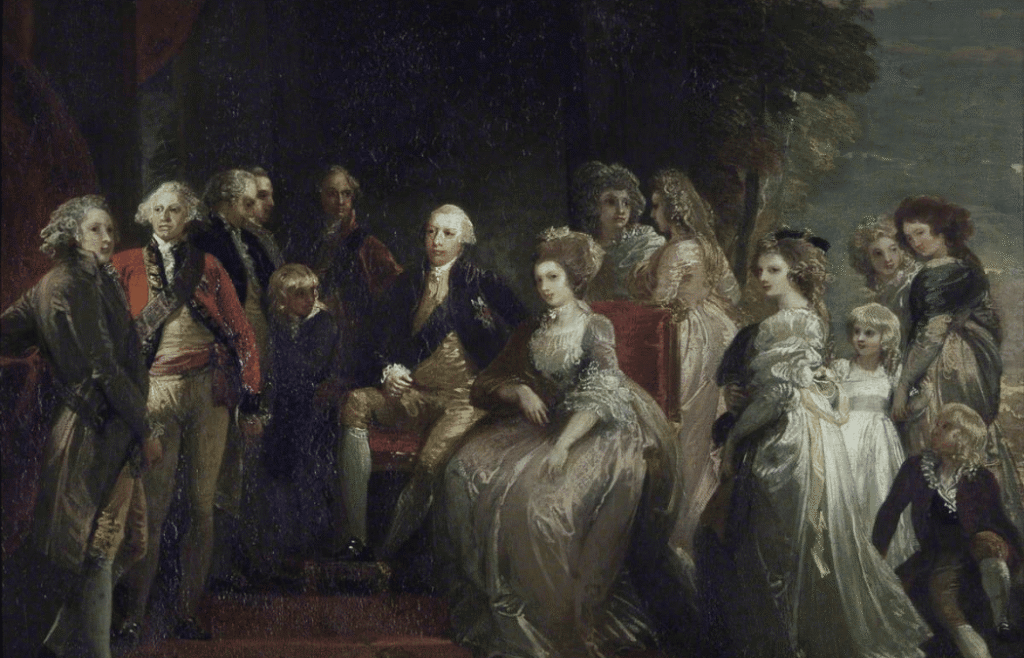

George I and the Hanoverian Succession
1714 - 1727 AD
Additional Information: The Stuart Era / The Death of Queen Anne
The death of Queen Anne on 1 August 1714 ended the Stuart dynasty and triggered a pre-arranged succession plan to secure a Protestant monarchy. Operating under the precise terms of the Act of Settlement 1701, the Whig-led Regency Council bypassed over fifty closer Catholic claimants to formally proclaim George Louis, Elector of Hanover, as King George I of Great Britain and Ireland. This dynastic pivot bound British foreign policy to the territorial rivalries and military networks of northern Europe. George I did not surrender his German titles, remaining Elector of Brunswick-Lüneburg and dividing his residence between Hanover and London, a dual status that forced British ministers to align diplomatic strategy with the defense of the King's continental electorate.
George I arrived in Greenwich in September 1714 speaking fluent German and French but minimal English, a linguistic barrier that altered the mechanics of the British state. Because the King could not comfortably chair the debates of his full Privy Council, he ceased attending its regular meetings, delegating the daily coordination of government to an inner committee of senior politicians.
This migration of executive power away from the monarch's presence set the foundations for the evolution of the modern Cabinet system, managed via written French memoranda or interpreted English. This shift was backed by the Whig party—a political faction representing London financial merchants and low-church aristocratic landowners—who won the King's trust by championing the Protestant succession. Following the general election of 1715, the Whigs used their majority to systematically purge Tories from the civil service, the judiciary, and the royal court, establishing a monopoly over state patronage.
To secure this administrative layout against domestic friction and public unrest, the Whig-dominated Parliament passed defensive statutes designed to protect the regime from subversion. The Riot Act of 1714 granted local magistrates explicit legal authority to use military force to disperse any assembly of twelve or more citizens suspected of unlawful rioting, legally indemnifying the authorities against any resulting deaths if the crowd refused to disperse within one hour of the statutory proclamation being read aloud.
This measure was paired with the Septennial Act of 1715, which legally extended the maximum life of a Parliament from three years to seven. This extension delayed general elections to insulate the central government from public volatility and provide the Whig administration with the long-term runway required to entrench its institutional power, effectively converting Britain into a secure Whig oligarchy.
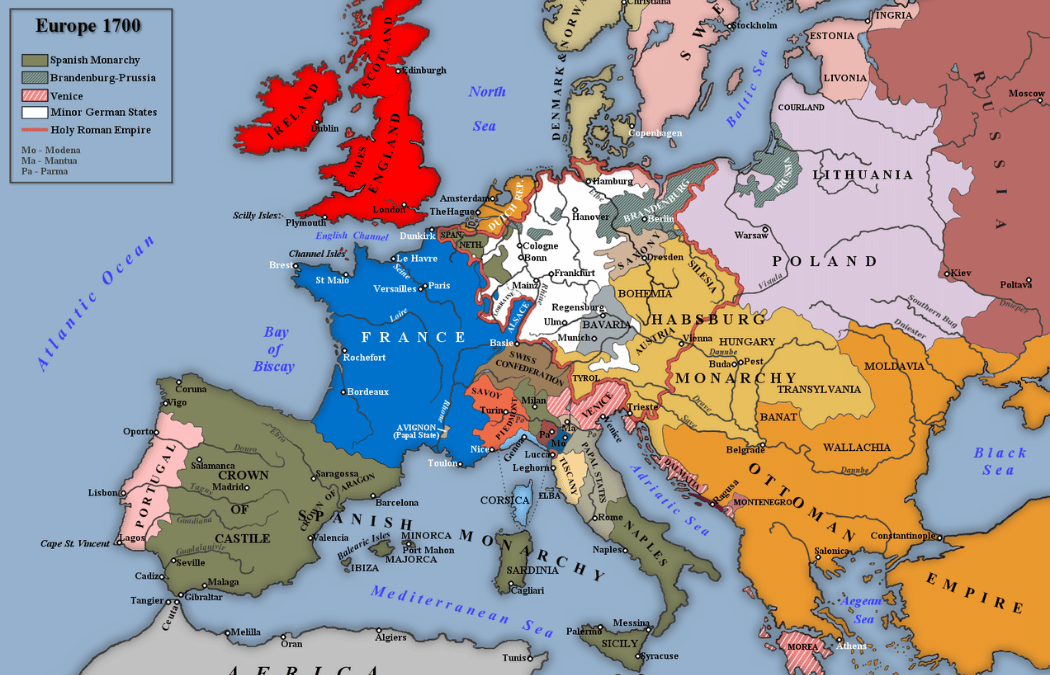
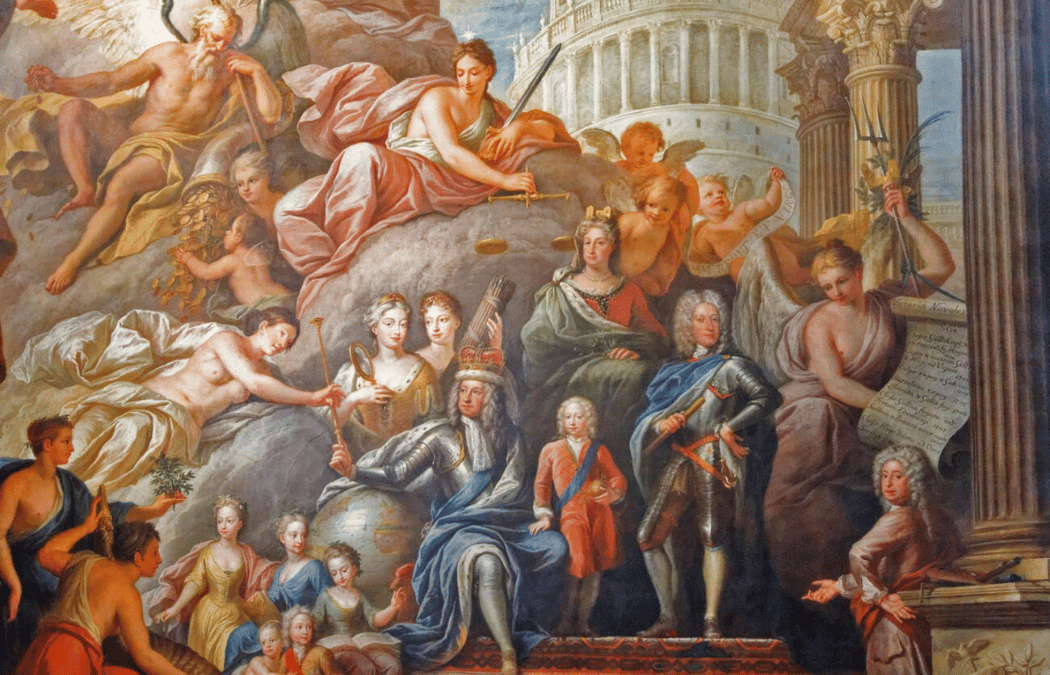
The Jacobite Rebellion and Battle of Preston
1715 - 1716 AD
The enforcement of the Hanoverian succession triggered a military reaction from the supporters of the exiled Catholic Stuart line, known as the Jacobites. In September 1715, John Erskine, 6th Earl of Mar, raised the standard of rebellion at Braemar in the Scottish Highlands, assembling a force of over 10,000 clansmen and lowlanders to back the restoration of James Francis Edward Stuart, known as the Old Pretender. This insurrection, recorded as The Fifteen, stood as a threat to the infancy of the new Hanoverian succession.
The rebellion expanded beyond Scotland, and in October, Catholic gentry, non-juring Anglicans, and Tory sympathisers in Northumberland rose in revolt. This northern English Jacobite wing was led by Thomas Forster, a Member of Parliament with no military experience, alongside James Radclyffe, 3rd Earl of Derwentwater. Joining forces with a contingent of Scottish borderers under Brigadier William Mackintosh of Borlum, the rebels marched south into Lancashire, expanding their ranks to roughly 4,000 men and capturing Lancaster before occupying the town of Preston on 9 November 1715, proclaiming James III as king in the market square. Their objective was to trigger a Catholic uprising across the northwest.
The royal administration acted to crush the western threat, ordering Major-General Charles Wills to mobilize regular cavalry and dragoons from garrisons at Chester and Manchester to intercept the rebel march. Forster made a tactical blunder by withdrawing his vanguard from a defensible position at the Ribble Bridge outside the settlement, an error that allowed Wills to advance unopposed and encircle Preston on 12 November 1715. Between 12 and 14 November, the two forces clashed in close-quarters street fighting that turned the provincial town into a combat zone. The Jacobites defended barricaded timber streets at the entry points, inflicting over 100 casualties during initial frontal assaults up Church Street, firing from behind windows.
The momentum shifted when government reinforcements under Lieutenant-General George Carpenter arrived to tighten the cordon, cutting off the path of escape. Wills ordered his troops to set fire to the thatch-roofed houses along Friargate, using incendiary volleys to flush out hidden rebel snipers and reduce defensive cover. Outmaneuvered, depleted of ammunition, and realizing that the promised Lancashire uprising had failed to materialize, Forster surrendered his army unconditionally on 14 November 1715. This capitulation resulted in the capture of over 1,400 Jacobite prisoners, breaking the spine of the English rebellion.
The victory at Preston smashed the English wing of the conspiracy on the exact same day that Mar’s army was fought to a stalemate at the Battle of Sheriffmuir in Scotland. The royal courts acted to penalise the leadership; noblemen, including Lord Derwentwater and Kenmure, were executed for high treason on Tower Hill, while hundreds of ordinary prisoners were transported to the American colonies as indentured laborers.
While the state drafted the Disarming Act of 1716 to pacify the military capability of the Scottish Highlands, the suppression of the English Jacobites at Preston proved that the Hanoverian state could defend its sovereignty through regular military force.
---------------------------------------------------------------------------
The Battle of Preston (12 – 14 November 1715)
Hanoverian Government Forces
Primary Commander: Major-General Charles Wills (Initial Operational Commander); and Lieutenant-General George Carpenter (Supreme Relief Commander)
Secondary Commanders / Notable Officers: Brigadier-General Dormer; Brigadier-General Munden; and Colonel Pitt
Total Forces: Roughly 4,000 professional soldiers (comprising 6 regular dragoon regiments, including Pitt’s, Wynn’s, and Honeywood’s Dragoons, reinforced later by 3 additional cavalry regiments, and supported by a specialized deployment of infantry militia)
Casualties: Moderate; approximately 146 men killed on the field and 100 wounded during the direct, close-quarters frontal assaults against the entrenched street barricades.
Jacobite Rebel Forces
Primary Commander: Thomas Forster (Supreme English Field Commander); and Brigadier William Mackintosh of Borlum (Supreme Scottish Field Commander)
Secondary Commanders / Notable Nobles: James Radclyffe, 3rd Earl of Derwentwater; William Gordon, 6th Viscoun Kenmure; and William Maxwell, 5th Earl of Nithsdale
Total Forces: Approximately 4,000 men (comprising roughly 1,500 disciplined Scottish Borderers and Highlander infantrymen armed with muskets and broadswords, backed by 2,500 poorly equipped English Catholic gentry and local Lancashire recruits, entirely lacking artillery support)
Casualties: Light during combat, followed by total capitulation; 17 men killed on the field and 25 wounded before their lines were encircled. High-profile aftermath penalties included the absolute surrender and capture of Thomas Forster, Lord Derwentwater, Viscount Kenmure, and the Earl of Nithsdale, alongside 1,468 regular troops, which effectively liquidated the English wing of the rising.
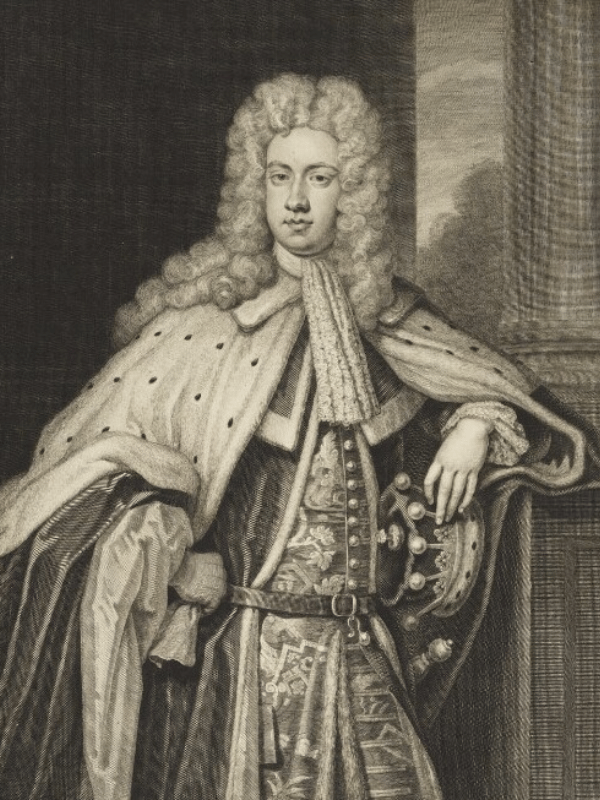
War on the Pirates and Royal Suppression
1718 – 1726 AD
Additional Information: The Stuart Era / The Rise of the Nassau Republic
The cost of maritime piracy made passive merchant defense policies unsustainable for the British treasury. Realizing that the exchequer could no longer sustain commercial losses without an aggressive eradication framework, the Whig government initiated a counter-offensive. Parliament passed the Piracy Act of 1717 to streamline judicial executions, deny benefit of clergy to maritime robbers, and bypass common-law jury trials. This legal framework was tightened by the Piracy Act of 1721, which made it a criminal offence for any merchant captain to pay tribute to pirates or trade with them, imposing asset forfeitures and hard labour on those who colluded with the maritime underground.
In July 1718, the Crown dispatched Captain Woodes Rogers, the Royal Governor of the Bahamas, to Nassau with a squadron of three warships, a company of infantry, and a proclamation of a royal pardon for any outlaw who surrendered before the deadline. Rogers faced defiance from radical factions; Charles Vane set a captured French prize ship ablaze as a fireship to clear the harbour entrance before breaking out into the open ocean. To break the remaining local resistance, Governor Rogers converted the ruins of Nassau fort into a judicial compound, executing eight unrepentant, captured pirates on the gallows along the fort walls on 12 December 1718 as a show of state authority.
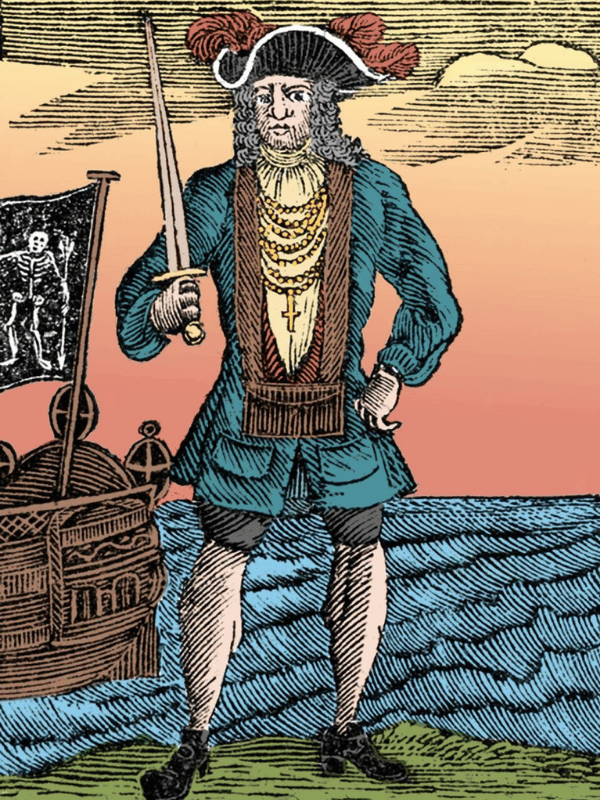
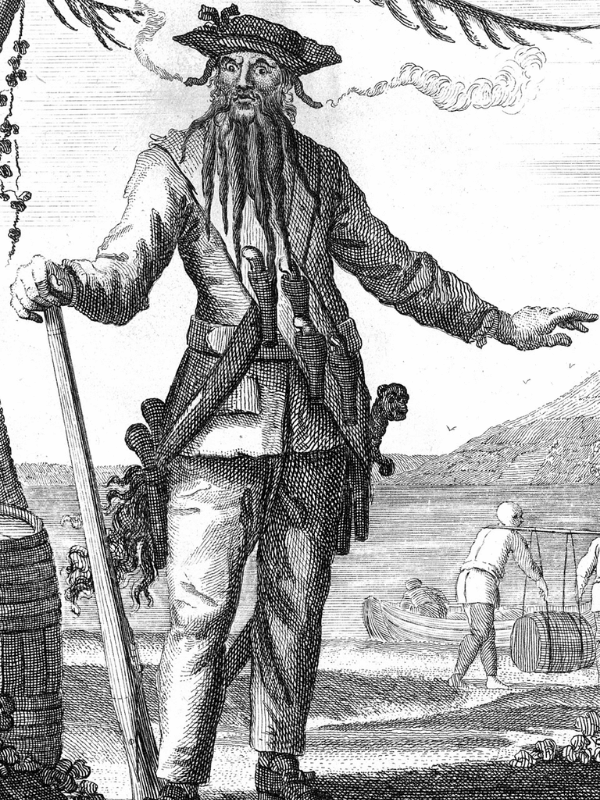
At the same time, a naval campaign led by the Admiralty hunted down the remaining crews across the Atlantic and Indian Oceans. Royal Navy forces cornered and killed Edward Teach at the Battle of Ocracoke Inlet on 22 November 1718, where Lieutenant Robert Maynard led a boarding party that killed Blackbeard and hung his severed head from the bowsprit of the sloop Ranger. In November 1720, the pirate hunter Captain Jonathan Barnet ambushed and captured Calico Jack Rackham, Mary Read, and Anne Bonny at Negril Point off Jamaica, ending their raiding career.
As the Royal Navy squeezed the safe havens, the conflict entered a violent phase through the emergence of Edward "Ned" Low. Beginning his career in 1721 by mutinying off the coast of Honduras, Low launched a three-year campaign of terror across the Atlantic, shifting commands between armed sloops like the Rebecca and the Fancy. Operating as a target of the 1721 legislation, Low was infamous for his sadism, torturing, mutilating, and decapitating merchant crews who attempted to defend their cargoes.
The Admiralty responded by deploying warships to hunt him down. In June 1723, Captain Peter Solgard aboard the man-of-war HMS Greyhound cornered Low and his consort vessel, the Ranger, off Rhode Island. While the Greyhound used its gun batteries to cripple the Ranger—leading to the capture and mass public hanging of twenty-six crewmen at Newport—Low abandoned his companions, fleeing into the open ocean aboard his faster sloop. His network fractured under this naval pressure; following a mutiny by his own crew, Low was set adrift before being captured by French authorities, who brought an end to his terror by hanging him at Martinique.
The operational milestone of the suppression campaign occurred on 10 February 1722 at the Battle of Cape Lopez, where an anti-piracy squadron under Captain Chaloner Ogle aboard the warship HMS Swallow intercepted and killed Bartholomew Roberts. Ogle’s crews used broadsides to shatter Roberts's flagship, the Royal Fortune, killing the pirate captain with grape-shot.
By conducting the largest mass trial in maritime history, the Admiralty court at Cape Coast Castle sentenced fifty-two of Roberts’s surviving crewmen to be hanged in chains on the battlements. This offensive broke the back of the maritime underground, securing the international trade lines for merchant expansion and bringing an end to the pirate republic by 1726.
Whig Hegemony, and the First Prime Minister
1721 - 1742 AD
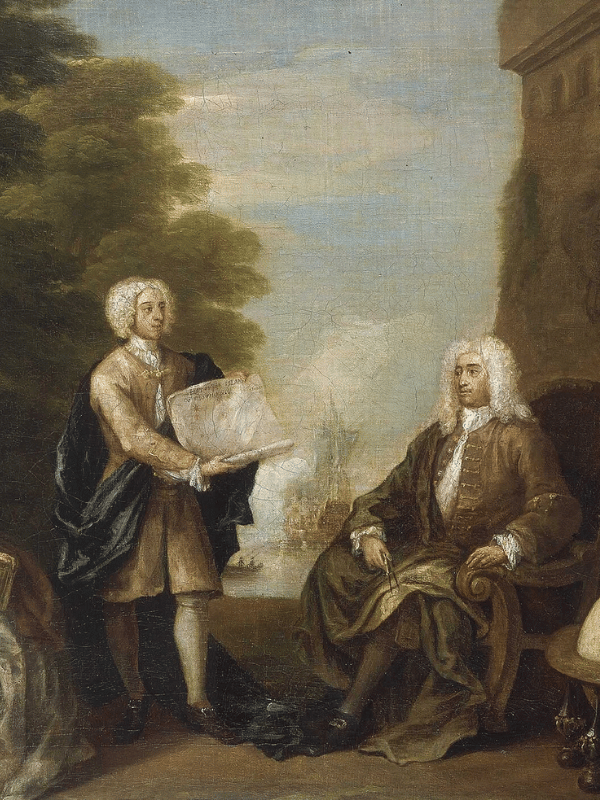
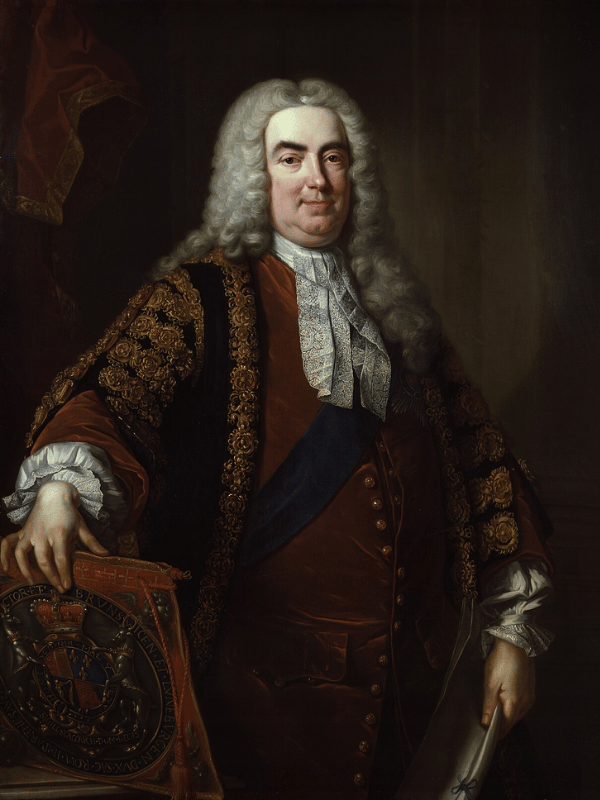
The survival of the Hanoverian regime allowed the Whig party to establish an uninterrupted system of political dominance known as the Whig Oligarchy. This period witnessed a constitutional transition, as executive powers of the Crown were funneled into a single parliamentary leader who managed the state bureaucracy: the Prime Minister. The minister who built this administrative framework was Sir Robert Walpole, a pragmatic Norfolk politician who took command of the treasury in April 1721 as First Lord of the Treasury and Chancellor of the Exchequer. Walpole stabilized the nation's finances following the South Sea Bubble collapse, managed the Sinking Fund to reduce land taxes, and neutralized Tory opposition to secure stability.
In 1732, King George II offered Walpole the property at 10 Downing Street as a gift, but Walpole refused to accept the estate on private terms, choosing instead to accept it only as an official, permanent residence for the First Lord of the Treasury. Following renovations overseen by the architect William Kent, Walpole moved into the building in 1735, converting it into the executive core of the Cabinet government.
Walpole ran the state machinery through a system of political patronage, financial tracking, and crown appointments that his critics branded as "Robin's Reign." His administration controlled the distribution of lucrative customs, excise, and civil service jobs to buy the loyalty of independent Members of Parliament and lock down voting majorities. Crucially, Walpole standardized the foundational constitutional principle of Collective Cabinet Responsibility, a rule dictating that every government minister must publicly back policies or resign their post. He used this mechanism to purge independent-minded politicians from his circle, transforming an advisory council into a centralized institutional machine.
---------------------------------------------------------------------------
The main ministerial actions and policies implemented during the twenty-one-year premiership of Sir Robert Walpole from 1721 to 1742:
1721: South Sea Bubble Bailout
Restored the state's financial credit following a catastrophic market crash by transfering ruined South Sea Company stock directly into stable Bank of England and East India Company ledgers, shielding the royal court from a devastating political scandal.
1723: Suppression of the Atterbury Plot
Defeated a major Jacobite conspiracy by arresting Francis Atterbury, the Bishop of Rochester, using specialized postal espionage networks and passing a statutory ban that exiled the prelate from the realm.
1723: The Black Act
Enacted a severe criminal statute that introduced the mandatory death penalty for over fifty distinct hunting, poaching, and wood-cutting offenses, specifically targeting rural activists who blackened their faces to evade forest rangers.
1725: Malt Tax Enforcement
Extended the domestic malt duty straight into Scotland, triggering violent street riots in Glasgow that Walpole ruthlessly suppressed by deploying regular infantry units to enforce collection
1733: The Sinking Fund
Raided the state's dedicated debt-repayment fund to cover daily government operating costs, a tactical fiscal maneuver used to keep land taxes artificially low and secure the loyalty of country squires.
1733: The Excise Crisis
Introduced a controversial bill to convert heavy customs duties on tobacco and wine into low domestic warehouse taxes to combat smuggling, withdrawing the legislation at the last minute due to massive public riots.
1735: Downing Street
Formally accepted the permanent personal gift of 10 Downing Street from King George II, establishing the historic physical headquarters for all future British Prime Ministers.
1737: The Licensing Act
Implemented strict state censorship across all London playhouses, mandating that every theatrical script receive explicit approval from the Lord Chamberlain prior to performance to silence political satirists.
1739: The Convention of Pardo
Negotiated a diplomatic treaty with Spain to settle outstanding maritime merchant claims and avoid war, a peaceful compromise that was rapidly ruined by furious commercial factions in Parliament.

The South Sea Bubble
1720 - 1721 AD
Additional Information: The First British Empire / War of the Spanish Succession and the Asiento Monopoly, The Stuart Era / The War of the Spanish Succession
The stability of the early Hanoverian state was pushed to the brink of collapse by the explosion of an economic speculation crisis known as the South Sea Bubble. In April 1720, the British Parliament passed the South Sea Act, partnering with the South Sea Company. This joint enterprise held the Asiento—the monopoly over the supply of enslaved African people to Spanish America, which had been wrested from France under the terms of the Treaty of Utrecht in 1713.
The company engineered a financial scheme, agreeing to take over more than £30 million of Britain's national debt. In exchange, the state granted the company exclusive trading privileges and the right to issue shares to the public. Driven by court corruption, insider trading, and fabricated rumours of silver wealth in Peru and Mexico, the price of South Sea stock exploded. Shares trading at £128 in January 1720 skyrocketed to over £1,000 by August of the same year.
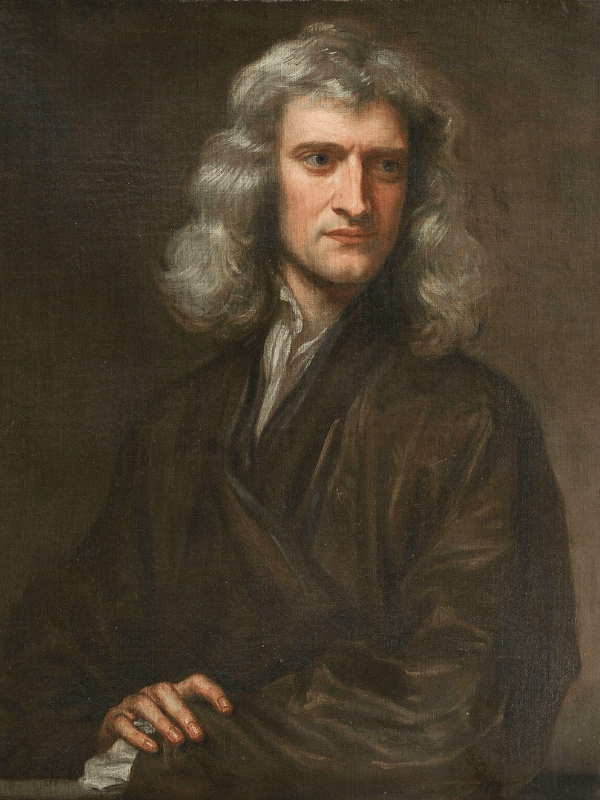
This speculative panic swept through every tier of the British ruling class, with members of Parliament, bishops, intellectuals like Sir Isaac Newton, and even the royal family investing heavily. Newton lost up to £20,000 in the crash, remarking that he could calculate the movement of stars but not the madness of men. To protect its monopoly on capital, the South Sea Company pushed Parliament to pass the Bubble Act in June 1720, which banned the formation of unauthorized joint-stock companies. This act triggered panic by making investors realize how fragile the financial landscape truly was.
In September 1720, the hyper-inflated bubble burst. As savvy insiders liquidated their holdings, panic selling caused an immediate crash of the national credit market. Stock values collapsed to near-zero within weeks, goldsmith-bankers closed their doors, and thousands of families were thrown into sudden bankruptcy, threatening the Hanoverian dynasty. Public fury focused on the royal ministers who had accepted bribes in company shares, including Chancellor of the Exchequer John Aislabie and the King’s German mistresses. The state faced rioting, and the House of Commons launched an inquiry to uncover the fraud.
Summoned by King George I to resolve the disaster, Robert Walpole demonstrated a model of fiscal stabilization, earning him the nickname "Screenmaster-General". To save the economy, Walpole partitioned the South Sea Company's liabilities, transferring its remaining assets to the books of the Bank of England and the East India Company. Politically, Walpole protected the royal court from open prosecution, blocking damning evidence from reaching the floor of Parliament. He sacrificed a few scapegoats—like Aislabie, who was expelled and imprisoned in the Tower of London—while keeping the Hanoverian monarchy intact.
---------------------------------------------------------------------------
The principal investors and their explicit losses or gains during the 1720 market crash:
Sir Isaac Newton:
The master physicist successfully liquidated his initial shares for a major profit early in the year, but gave in to intense market pressure and bought back into the stock at its absolute peak, losing £20,000 of his personal savings.
Henry Bentinck, the 1st Duke of Portland:
The prominent aristocrat invested his family's vast generational wealth at the highest price point, suffering a total financial collapse that forced him to beg the crown for a colonial governorship in Jamaica to escape his London creditors.
Thomas Guy:
The astute publisher and bookseller recognized the market mania early, methodically selling off his massive block of shares between April and June 1720 AD to secure an immense fortune, which he used to completely build and fund Guy's Hospital in London.
Sarah Churchill, the 1st Duchess of Marlborough:
The fiercely pragmatic noblewoman completely ignored the hype of London's coffee houses, ordering her agents to cash out her entire £150,000 portfolio near the peak of the market to lock in a massive profit.
Jonathan Swift:
The famous author of Gulliver's Travels was an active early stockholder who failed to liquidate his position before September 1720 AD, losing a considerable part of his personal fortune and prompting him to write bitter satirical poems attacking the company.
Edward Gibbon (The Elder):
The grandfather of the famous historian was an active director of the company whose entire commercial fortune and landed estates were completely confiscated by a furious Parliament to help compensate the ruined public investors.
Sir Robert Walpole:
The future Prime Minister personal speculated in the stock, successfully selling his shares at a high price before the September crash to secure a major profit which he used to build his grand country house at Houghton Hall.


The Accession of George II and Royal Rifts
1727 – 1737 AD
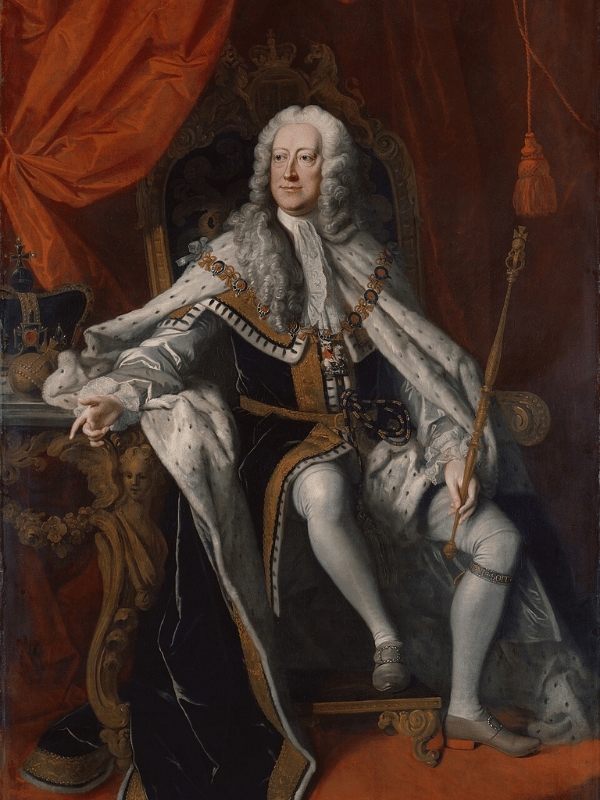
The handover of the crown took place on 11 June 1727 following the death of King George I during a journey through Germany. His son ascended the throne as King George II, completing a transition of the Protestant Hanoverian line. His coronation at Westminster Abbey on 11 October 1727 became a display of royal power, showcasing the performance of four coronation anthems—including Zadok the Priest—commissioned from the composer George Frideric Handel.
Although the new King harbored an intense hatred for his father’s chief minister, Sir Robert Walpole, his plans to dismiss the politician were blocked by his wife, Queen Caroline of Ansbach. Recognizing Walpole's mastery over the House of Commons, Queen Caroline managed the crown's patronage lines, ensuring that Walpole was retained to guide the executive state machinery.
While the alliance between Queen Caroline and Walpole provided the administration with a secure runtime of domestic power, the royal court was split by a family rift. Following Hanoverian tradition, George II developed an intense hatred for his eldest son and heir apparent, Prince Frederick Louis, the Prince of Wales, whom he had left behind in Germany for fourteen years. When the Prince of Wales arrived in London, he turned his private residence at Leicester House into a rival political court. He bankrolled a coalition of dissident Whigs and Tories known as the Patriot Whigs, led by politicians like William Pitt, who used the prince's patronage to launch attacks against Walpole's taxation and peace policies.
This royal rift exploded into a crisis in the summer of 1737 when the Prince of Wales's wife went into labor. Determined that his first grandchild should not be born under his father’s roof, the prince forced his wife into a midnight carriage ride, fleeing Hampton Court Palace to reach St James's Palace minutes before the birth. Furious at this public insult to the crown, George II ordered his son from court and stripped him of his guard details, exiling the Prince of Wales from the palace network.
The death of Queen Caroline in November 1737 shattered the diplomatic bridge between the King and the political opposition, leaving an embittered monarch to face escalating colonial friction and maritime merchant crises that were pushing the country toward war.


The War of Jenkins' Ear and the Austrian Succession
1739 - 1748 AD
Additional Information: The First British Empire / The War of Jenkins' Ear and the Siege of Cartagena
The period of continental peace and financial restraint engineered by Sir Robert Walpole collapsed in October 1739 due to escalating commercial and colonial friction with the Spanish Empire. The conflict was rooted in British frustration over the restrictive trade terms established by the Treaty of Utrecht, which allowed Britain to send only one annual merchant ship of five hundred tonnes to Spanish-American markets alongside the Asiento slave trade monopoly. To combat British smuggling networks, Spanish guarda costas boarded and searched British merchant vessels on the high seas, a policy which created diplomatic tension across the Atlantic.
The trigger for the war was an incident involving Robert Jenkins, an English merchant captain of the brig Rebecca. Jenkins claimed that in April 1731, Spanish coastguards commanded by Captain Julio León Fandiño had boarded his vessel in the Caribbean near Havana, bound him to the mast, and sliced off his left ear with a cutlass as a warning against illicit trading. According to historical records, “Fandiño reportedly told Jenkins to carry his ear to his King, declaring he would do the same to the monarch if he were present.” When Jenkins presented his preserved, severed ear inside a jar of spirits to the House of Commons during a parliamentary hearing, a wave of indignation swept over the country. This outrage forced a reluctant Walpole to abandon his anti-war policy and declare the War of Jenkins' Ear.
Initial British naval operations met with mixed success, though Vice-Admiral Edward Vernon achieved a victory in November 1739 by capturing the Spanish silver-exporting port of Portobello in Panama with six ships of the line. Vernon had previously boasted to Parliament that he could reduce the privateer haven with a minimal squadron, a wager he executed by launching a close-range naval bombardment on 21 November 1739.
The British warships, including his flagship HMS Burford and the seventy-gun HMS Hampton Court, sailed into the harbor under the guns of the Todo Fierro castle (Castillo de Todo Fierro). The crews subjected the stone battlements to a cannonade, firing over four hundred round shot to dismantle the Spanish batteries. A landing by a company of 240 sailors and marines forced the Spanish governor, Francisco Javier Martínez de la Vega, to capitulate the following morning.
The victory resulted in the destruction of the harbor fortifications, the capture of ten Spanish gunboats, and the seizure of forty brass cannons. Because Vernon's squadron was too small to garrison the town, his men blew up the iron mine-works and dismantled the coastal defenses before withdrawing to Jamaica, an extraction that temporarily crippled Spain's silver-shipping infrastructure in the Caribbean. The triumph sparked public celebrations across the country, where streets, medals, and Portobello Road in London were named in Vernon's honor, while the patriotic fervor directly inspired the public performance of the song Rule, Britannia! during a festival.
However, this early success was overshadowed by the failure of the British amphibious assault on Cartagena de Indias in March 1741. A massive invasion fleet under Vice-Admiral Vernon and Major-General Thomas Wentworth deployed 186 ships and twenty-six thousand troops to storm the Spanish stronghold. Yellow fever, logistical blunders, and Spanish resistance under Admiral Blas de Lezo cost the British forces over ten thousand casualties, decimating their Caribbean fleet and forcing a retreat that shattered the administration's military credibility.
By late 1740, this localized conflict in the Caribbean merged into a multi-theater struggle known as the War of the Austrian Succession, as geopolitical flashpoints shifted to the borders of Europe.

The Battle of Dettingen
1743 AD
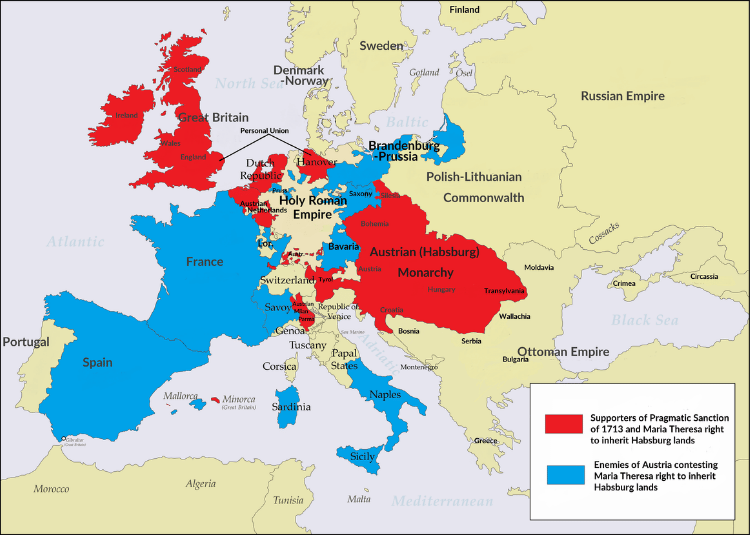
The conflict in the Caribbean merged into a continental war following the death of Holy Roman Emperor Charles VI. This dynastic crisis prompted a Franco-Prussian coalition to invade Habsburg territories in defiance of the Pragmatic Sanction, a legal edict intended to guarantee that Charles's daughter, Maria Theresa, would inherit the Austrian domains. Great Britain formed a military alliance with Austria to prevent a French state from shattering the balance of power.
To defend his ancestral lands in the Electorate of Hanover, King George II took command of the allied operations. He assembled a multi-national force of forty thousand troops known as the Pragmatic Army, which comprised sixteen thousand British infantry and cavalry, alongside Hanoverian, Hessian, and Austrian regular regiments.
The campaign developed into a logistical failure for the allied commanders during the summer of 1743. Marching along the northern bank of the River Main, the Pragmatic Army was outmaneuvered and trapped in a narrow valley near the village of Dettingen by a French force of seventy thousand men under the command of Marshal Adrien Maurice, 3rd Duc de Noailles. Noailles executed an encirclement strategy, positioning artillery batteries across the river to batter the allied columns while establishing a force of twenty-three thousand troops under his nephew, Louis César de La Baume Le Blanc, 1st Duc de Gramont, to block the escape pass ahead. Surrounded by dense woodlands on one side and a river on the other, the allied forces faced starvation or surrender, having exhausted their food supplies.
The desperate situation was rescued by an error on the morning of 27 June 1743. Defying his uncle's defensive orders, the Duc de Gramont abandoned his fortified barricades and ordered his cavalry vanguards, including the French Royal Guard, to charge forward across wet rye fields to assault the allied lines. This advance masked the fire of the French river batteries, neutralizing their artillery advantage. Seizing the opening, George II attempted to organize his lines, but his horse bolted toward the rear. The sixty-year-old monarch dismounted, drew his sword, and placed himself at the head of the foot guards.
The British infantry regiments, utilizing their fire system, held their formations and unleashed controlled musket volleys that broke the advancing French cavalry. John Campbell, 4th Earl of Loudoun, led a counter-charge with the British horse regiments to secure the flanks, while the central infantry column punched through the fractured enemy lines. The tactical blunder cost the French forces over five thousand casualties, forcing a retreat across the River Main where hundreds of drowning soldiers perished. This victory saved the Pragmatic Army from destruction, forced a French evacuation of Germany, and ensured that George II entered history as the last British monarch to command troops in person on a field of battle.
---------------------------------------------------------------------------
The Battle of Dettingen (27 June 1743)
Allied Pragmatic Army
Primary Commander: King George II of Great Britain (Supreme Commander)
Secondary Commanders / Notable Nobles: John Dalrymple, 2nd Earl of Stair (Field Marshal); Prince William, Duke of Cumberland; and John Campbell, 4th Earl of Loudoun
Total Forces: Approximately 40,000 disciplined soldiers (comprising 16,000 British regular infantry and cavalry, alongside large Hanoverian, Austrian, and Hessian line regiments, backed by 56 field artillery pieces)
Casualties: Moderate; approximately 2,500 men killed or wounded on the field, with the central infantry formations holding firm against the French cavalry charges. High-profile casualties included the Duke of Cumberland, who was wounded in the leg during the frontline combat.
French Imperial Forces
Primary Commander: Marshal Adrien Maurice, 3rd Duc de Noailles (Supreme Commander)
Secondary Commanders / Notable Nobles: Louis César de La Baume Le Blanc, 1st Duc de Gramont (Vanguard Commander); and Duke of Harcourt
Total Forces: Roughly 70,000 regular troops across the entire theater (with 23,000 elite infantry and cavalry deployed directly across the escape pass under Gramont's command, supported by a massive cross-river grand artillery battery train of 56 heavy cannons)
Casualties: Severe; an estimated 5,000 combatants killed, wounded, or drowned in the River Main during the routing retreat. This total defeat resulted in the complete abandonment of their fortified barricades and forced a full French evacuation of Germany.
The Battle of Fontenoy
1745 – 1748 AD
The continental campaigns shifted to the lowlands of Flanders, forcing Great Britain to heavily expand its military apparatus and global naval logistics, which pushed the state's financial machinery to its limits. The land campaigns suffered a severe, bloody setback at the Battle of Fontenoy on 11 May 1745.
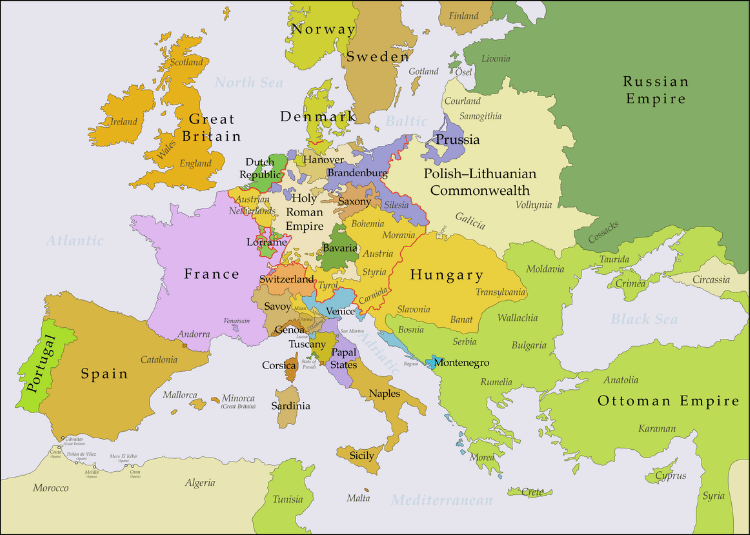
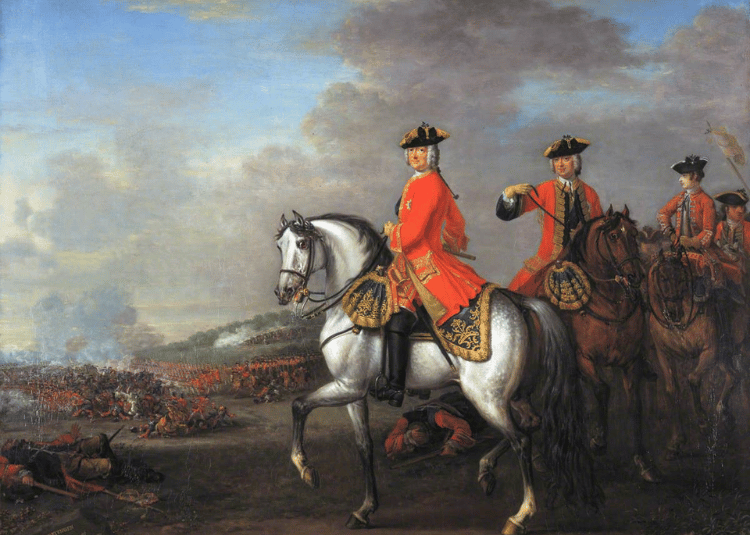
At this engagement, a formidable French army of fifty thousand men under the brilliant tactical command of Marshal Maurice de Saxe entrenched themselves behind a specialized network of earthwork fortifications and wooden redoubts near Tournai. Prince William, the 1st Duke of Cumberland, commanding a fifty-thousand-man allied force of British, Hanoverian, Dutch, and Austrian troops, launched a series of frontal assaults that repeatedly failed due to a blistering crossfire from the French positions.
Faced with a total check on the flanks, the Duke of Cumberland executed an unprecedented maneuver. He formed a massive, rectangular column of fifteen thousand British and Hanoverian infantry, standing three lines deep, and ordered them to march directly into the center of the French lines between the fortified woods of Barry and the village of Fontenoy. Advancing with slow, disciplined steps under a heavy artillery bombardment, the giant column closed the distance until they encountered the French Royal Guard. The British infantry held their fire until they were within thirty paces, unleashing a series of rolling, controlled musket volleys that completely shattered the French front ranks, killing over seven hundred guardsmen in a single minute and punching straight through the enemy center.
The breakthrough was ultimately halted by the quick deployment of the French reserves and a severe failure of allied support. While the Dutch forces on the left wing failed to advance and neutralize the flanking redoubts, Marshal de Saxe ordered his mobile field artillery to continually fire grapeshot directly into the exposed head of the British column. Simultaneously, the French commander launched a series of fierce, coordinated cavalry charges, spearheaded by the Irish Brigade—a fanatical regiment of exiled Catholic Jacobites fighting under the command of Charles O'Brien, the 6th Viscount Clare. The intense impact of these combined assaults fractured the allied formations, forcing the Duke of Cumberland to order a fighting retreat, which cost the allied forces over twelve thousand total casualties.
While the land campaigns in Flanders faltered, the Royal Navy consistently maintained its supremacy at sea. British fleets executed effective blockades of French Atlantic ports, while Commodore George Anson completed a historic circumnavigation of the globe, capturing the ultra-wealthy Manila galleon Nuestra Señora de la Covadonga and bringing millions of pounds in Spanish silver back to London.
This maritime dominance choked enemy transatlantic commerce, proving that Britain's advanced parliamentary tax-and-credit infrastructure could successfully finance expensive, simultaneous global operations. The grueling conflict finally concluded in a global stalemate with the signing of the Treaty of Aix-la-Chapelle in October 1748, which mandated a mutual return of all wartime territorial conquests, including the strategic fortress of Louisbourg in North America.
---------------------------------------------------------------------------
The Battle of Fontenoy (11 May 1745)
Allied Pragmatic Army
Primary Commander: Prince William, Duke of Cumberland (Supreme Allied Commander)
Secondary Commanders / Notable Nobles: Field Marshal Kőnigsegg (Austrian Commander); Prince Waldeck (Dutch Commander); and Sir John Ligonier (Infantry Commander)
Total Forces: Approximately 50,000 disciplined soldiers (comprising 22,000 British regular infantry and cavalry, alongside 22,000 Dutch, 2,000 Hanoverian, and 4,000 Austrian line regiments, backed by 80 field artillery pieces)
Casualties: Severe; 7,545 Anglo-Hanoverian soldiers and roughly 2,300 Dutch and Austrian troops killed, wounded, or missing during the multi-hour frontal infantry assault up the open slope and the subsequent fighting inside the redoubt crossfire.
French Imperial Forces
Primary Commander: Marshal Maurice de Saxe (Supreme Commander); and King Louis XV of France (Nominal Authority)
Secondary Commanders / Notable Nobles: Louis-Antoine de Gontaut, Duc de Biron; and Count Thomas Arthur de Lally-Tollendal (Irish Brigade Command)
Total Forces: Roughly 56,000 veteran soldiers (comprising elite French line infantry, the French Royal Guard, heavy cavalry divisions, and the regular regiments of the Irish Brigade, deeply entrenched behind a sophisticated network of timber-and-earth redoubts, supported by a Grand Battery train of 110 artillery pieces)
Casualties: Moderate to heavy; an estimated 5,000 to 7,000 combatants killed or wounded on the field. The French defensive perimeter held firm, with a final decisive counter-attack by the Irish Brigade and French Guards shattering Cumberland's massive central infantry column, forcing a structured allied retreat to Ath and securing the French capture of Tournai.

The Jacobite Rebellion and Battle of Culloden
1745 - 1746 AD
The ultimate military challenge to the Hanoverian succession exploded in July 1745 when Prince Charles Edward Stuart, known as the Young Pretender or Bonnie Prince Charlie, made landfall at Eriskay on the western coast of Scotland. He rapidly mobilized the traditionalist clans of the Highlands, captured Edinburgh, and crushed local royal forces under Sir John Cope at the Battle of Prestonpans on 21 September 1745, launching the rebellion known as the Forty-Five.
Executing a highly aggressive offensive strategy, the Young Pretender marched his highland army deep into England. He captured Carlisle and Manchester before pushing his vanguard all the way down to Derby—just 120 miles from London—by 4 December 1745. This sudden advance caused an immediate financial panic across the capital, causing a run on the Bank of England and forcing the state to rapidly recall its veteran infantry regiments from the battlefields of Flanders.
Facing a complete lack of promised English Jacobite uprisings or French invasion reinforcements, the Jacobite council overrode the prince's orders at Derby and initiated a strategic retreat back to Scotland. They were closely pursued by a massive royal army under Prince William, the 1st Duke of Cumberland. On 16 April 1640, the two forces met at the Battle of Culloden on the flat, marshy terrain of Culloden Moor near Inverness. The Duke of Cumberland deployed a highly disciplined, well-provisioned force of eight thousand professional infantry and heavy cavalry, repositioning his front line to counter the traditional highland charge. He ordered his artillery to fire continuous loads of devastating grapeshot directly into the advancing clansmen, who were trapped on the open moor under a blinding sleet storm. Within less than an hour, the Jacobite army was completely broken, suffering over two thousand casualties while the government forces lost just fifty-two men.
In the aftermath of the victory, the Duke of Cumberland executed a ruthless campaign of pacification across the Highlands, earning the contemporary nickname of "The Butcher" for ordering his troops to systematically execute wounded rebels and civilian sympathizers. Royal courts hunted down fugitives, while the Whig-dominated Parliament passed severe legislative statutes to completely dismantle the social fabric of northern Scotland.
The Act of Proscription of 1746 legally outlawed the traditional Gaelic clan system, banning the wearing of tartan, kilts, or traditional highland dress under penalty of six months' imprisonment or forced military conscription. This was instantly paired with the Heritable Jurisdictions Act of 1747, which stripped the clan chieftains of their ancient legal and territorial rights over their tenants. This thorough cultural and physical liquidation completely crushed the Jacobite movement, ending the Stuart threat for good and securing the unchallenged sovereignty of the Hanoverian crown.
---------------------------------------------------------------------------
The Government Forces (Royal Army)
Total Combat Strength: A disciplined, well-provisioned force of eight thousand professional soldiers, composed of fifteen regular infantry battalions and two heavy cavalry regiments.
Battlefield Command: Supplied under the supreme command of Prince William, the 1st Duke of Cumberland, with the front-line infantry brigades directly managed by Lieutenant-General William Anne van Keppel, the 2nd Earl of Albemarle.
Total Battlefield Losses: Exceptionally light attrition for a pitched battle, resulting in fifty-two soldiers killed on the field and 259 wounded.
The Jacobite Forces (The Highland Army)
Total Combat Strength: A heavily depleted, starving force of ~5,000 combatants, primarily composed of Highland clan levies alongside a compact auxiliary unit of French regulars and Irish picquets.
Battlefield Command: Personally led by Prince Charles Edward Stuart, with the primary Highland infantry wings directed by Lord George Murray.
Total Battlefield Losses: A catastrophic military annihilation resulting in over two thousand clansmen killed or wounded on the field, with an additional 1,200 men systematically hunted down and captured during the post-battle pacification.


The Agricultural Revolution
1750 - 1820 AD
The middle and late decades of the eighteenth century witnessed a permanent restructuring of the English countryside known as the Agricultural Revolution, a transformation driven by the destruction of the ancient open-field system in favour of consolidated, privately owned capital farms. This sweeping reorganization of rural Britain was accelerated by thousands of individual Parliamentary Enclosure Acts, culminating in the General Enclosure Act of 1801, which streamlined the legal expropriation of communal lands by the wealthy landowning gentry to strip peasant smallholders of their traditional pastures.
Backed by the statutory authority of Parliament, wealthy landlords partitioned the communal folk-lands with thousands of miles of geometric hawthorn hedges and deep drainage ditches, an intense level of physical landscape engineering that allowed capital-rich farmers to freely introduce innovations without needing the consent of conservative village communes.
This territorial consolidation allowed for rapid scientific breakthroughs, most notably the Norfolk Four-Course system, popularized by Charles "Townshend," which completely eliminated the economically wasteful fallow year through a strict four-field rotation of wheat, turnips, barley, and clover that naturally replenished soil nitrogen levels while massively increasing arable yields. Simultaneously, production moved away from manual labor toward early mechanical standardization and biological engineering, as mass-produced iterations of Jethro Tull’s mechanical seed drill deposited seeds in straight rows to drastically reduce waste, while livestck pioneer Robert Bakewell introduced selective breeding at his Dishley estate to engineer entirely new breeds, such as the New Leicester sheep, which doubled the average carcass weight of livestock sold at Smithfield Market.
While this transformation successfully generated massive food surpluses that allowed the national population to expand at an unprecedented rate, for the rural poor—the cottars, squatters, and smallholders—the loss of their common grazing and foraging rights was a catastrophic blow. Unable to compete with large-scale capital farms or afford the steep legal fees and hedging costs mandated by enclosure commissioners, smallholders were forced to sell their land to aristocratic estates, a mass dispossession which created a vast, mobile class of landless wage-laborers who were driven off the land.
---------------------------------------------------------------------------
The timeline of innovations that transformed British farming:
The Mechanical Seed Drill: 1701
Invented by Jethro Tull, a horse-drawn planting tool that automated the cutting of furrows and buried seeds in uniform rows, completely eliminating waste from wind or birds and boosting crop yield.
The Norfolk Four-Course System: 1730
Popularized by Charles Townshend, the 2nd Viscount Townshend, a crop rotation system using wheat, turnips, barley, and clover that completely eliminated the traditional fallow year by replenishing nitrogen directly into the soil fields.
The Rotherham Triangular Plow: 1730
Patented by Joseph Foljambe, a lightweight iron-clad plow that required only two horses and a single operator, cutting agricultural labor costs and operating times by 50%.
The Parliamentary Enclosure Acts: 1760
A sweeping legislative campaign that allowed wealthy landlords to pass statutes to partition, fence, and privatize millions of acres of common peasant strip-farming lands, turning rural fields into massive corporate farms.
The Selective Breeding System: 1762
Pioneered by Robert Bakewell at Dishley, a scientific animal husbandry framework that used in-and-in breeding lines to mass-produce New Leicester sheep and Dishley Longhorn cattle, tripling the average market weight of meat livestock.
The Mechanical Threshing Machine: 1786
Patented by the Scottish engineer Andrew Meikle, an automated drum machine that rapidly separated grain kernels from husks and stalks, replacing hundreds of manual winter laborers with a single steam or horse-driven piston.
The Georgian Enlightenment
1750 - 1800 AD
The industrial expansion of the long eighteenth century was fueled by an intellectual movement known as the Georgian Enlightenment. Unlike the theoretical enlightenment of continental Europe, the British movement was intensely practical, empirical, and commercial, focusing on the direct application of knowledge to improve industry, law, and economics.
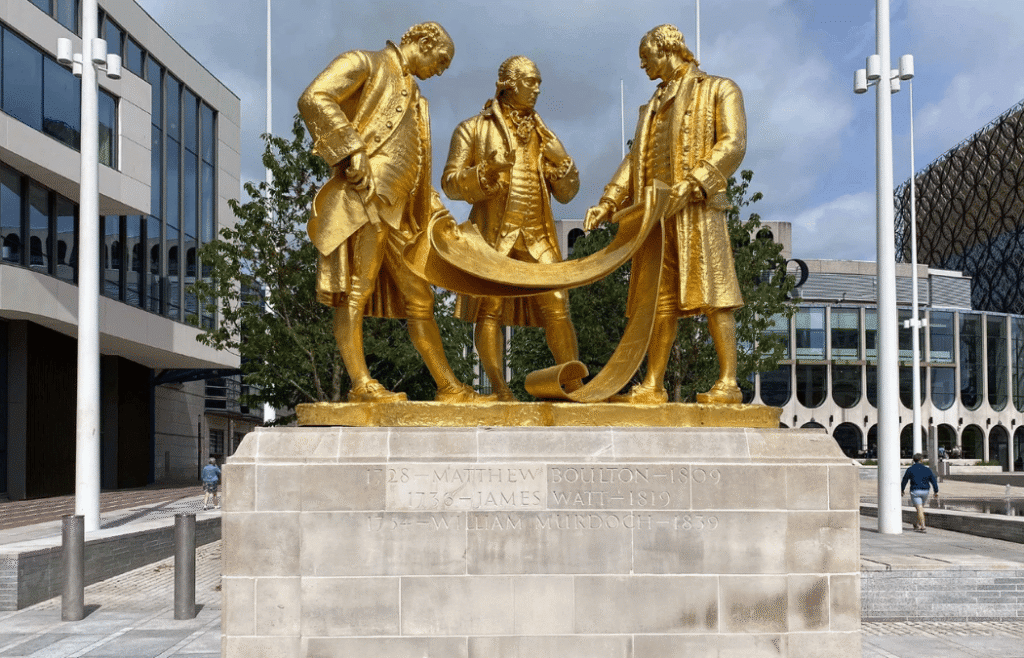
The intellectual capital of this practical innovation was the Lunar Society of Birmingham, a select circle of elite industrialists, natural philosophers, and artisans who met monthly at Soho House on the Monday nearest to a full moon to use the natural light for their midnight carriage rides home.
This circle—including the manufacturer Matthew Boulton, the engineer James Watt, the pottery innovator Josiah Wedgwood, and the physician Erasmus Darwin—met regularly to merge scientific theory with industrial manufacturing, solving physical production problems such as steam engine efficiency, metallurgical purity, and chemical bleaching.
This era also witnessed the birth of modern economics through Adam Smith's publication of The Wealth of Nations on 9 March 1776, a text that provided the blueprint for free-market capitalism, the division of labor, and global trade. Smith argued that individual self-interest acted as an invisible hand to distribute wealth throughout the state, completely challenging old mercantilist monopolies and trade restrictions.
At the same time, British scientists achieved monumental breakthroughs that transformed human capability. In chemistry, Joseph Priestley discovered oxygen gas in Wiltshire in August 1774 by using a burning lens to isolate mercuric oxide, while the physicist Henry Cavendish measured the exact density of the Earth in 1798 and discovered hydrogen gas.
In astronomy, William Herschel utilized a custom-built seven-foot reflecting telescope in Bath on 13 March 1781 to discover the planet Uranus, expanding the known parameters of the solar system for the first time in recorded history.
Medical science reached a definitive milestone on 14 May 1796 when the Gloucestershire physician Edward Jenner performed the world's first successful vaccination. Jenner extracted fluid from a cowpox sore on the hand of a milkmaid, Sarah Nelmes, and injected it into an eight-year-old boy named James Phipps.
He subsequently exposed the child to active smallpox matter, proving that the cowpox infection provided complete biological immunity against the deadly disease, a breakthrough that saved millions of lives and stabilized the national workforce.

The Outbreak of the Seven Years' War
1756 AD
Additional Information: The First British Empire / The Seven Years' War and Global Imperial Mobilisation
Unresolved territorial rivalries between Great Britain and France exploded into open, multi-continental warfare in May 1756, initiating a monumental struggle recognized as the first truly global conflict. This escalation was directly preceded by the Diplomatic Revolution of January 1756, a radical realignment of European alliances that saw the British court abandon its traditional partnership with Austria to sign the Treaty of Westminster with Prussia.
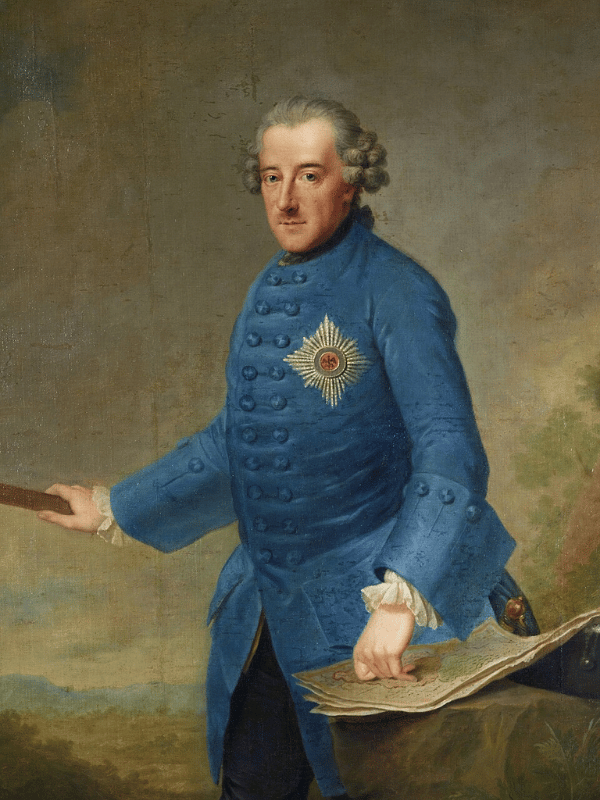
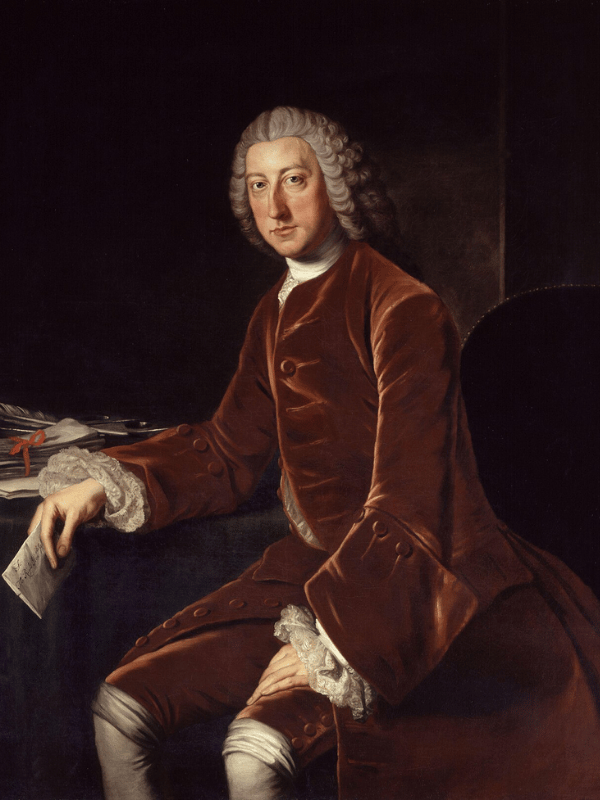
Facing a formidable opposing coalition of France, Austria, and Russia, William Pitt, the 1st Earl of Chatham, who took executive control of British strategy as Secretary of State, masterminded an extensive war effort designed to protect Hanover and expand British commerce simultaneously. Rather than committing massive numbers of regular domestic infantry regiments to bloody land campaigns across Germany, the Earl of Chatham weaponized the unmatched credit of the national treasury to pay massive financial subsidies to King Frederick II of Prussia, starting with an allocation of £670,000 annually.
This financial lifeline kept the principal French armies pinned down in an exhausting European war of attrition, allowing the British administration to leverage its superior maritime resources across the globe. By using domestic credit to bankroll continental allies, the ministry cleared the way for the Royal Navy to project unprecedented power across North America, the Caribbean, West Africa, and India. This coordinated dual-track strategy transformed the conflict from a European border dispute into an aggressive war targeting the maritime infrastructure of the French kingdom.
To finance this sprawling military network, Pitt worked in close administrative lockstep with Thomas Pelham-Holles, the 1st Duke of Newcastle, who managed the Treasury and utilized the advanced credit of the Bank of England to raise unprecedented loans exceeding £10,000,000, a massive extraction that successfully funded simultaneous global deployments while the French state treasury spiraled toward bankruptcy.
The strategic layout of this global deployment split the British military apparatus into two highly specialized operational vectors. While a compact auxiliary force of only twelve thousand Anglo-Hanoverian troops under Prince Ferdinand of Brunswick guarded the western approaches to the Electorate of Hanover, the main combat forces were deployed to execute amphibious assaults against French colonial strongholds.
The Admiralty commissioned sixty thousand regular sailors and marines for the Royal Navy, deploying massive battle fleets to establish a permanent naval blockade along the French Atlantic coastlines at Brest and Toulon. By choking off the entry points for French reinforcing regiments and supply tenders, this maritime barrier isolated the enemy's overseas territories in Canada and the East Indies, establishing the layout that would systematically choke off enemy colonial trade and prepare the way for the decisive conquests of the war.
---------------------------------------------------------------------------
The alliances, active commanders, mobilization volumes, and total war fatalities of the principal combatants throughout the Seven Years' War:
The Anglo-Prussian Alliance (The Anglo-Prussian Coalition)
Great Britain
Primary Commanders: Major-General James Wolfe, Major-General Jeffrey Amherst, Robert Clive, the 1st Baron Clive, and Admiral Edward Hawke, the 1st Baron Hawke.
Total Combat Troop Count: Approximately 100,000 professional soldiers, reinforced by sixty thousand Royal Navy sailors and marines.
Total War Fatalities: 20,000 deaths, primarily driven by yellow fever and disease in the West Indies and Indian campaigns.
Kingdom of Prussia
Primary Commanders: Personally led by King Frederick II, with Field Marshal James Keith, and Prince Henry of Prussia.
Total Combat Troop Count: Approximately 220,000 regular troops mobilized across the European theaters.
Total War Fatalities: Approximately 180,000 battlefield deaths or terminal hospital casualties.
Electorate of Hanover (including the Anglo-Hanoverian Army of Observation)
Primary Commanders: Prince Ferdinand of Brunswick, and Prince William, the 1st Duke of Cumberland.
Total Combat Troop Count: Approximately 45,000 specialized German regular troops and auxiliary levies.
Total War Fatalities: Approximately 15,000 operational deaths on the field or from camp attrition.
Kingdom of Portugal (Entered 1762 AD)
Primary Commanders: General John Campbell, the 4th Earl of Loudoun, and Field Marshal Wilhelm, the 1st Count of Schaumburg-Lippe.
Total Combat Troop Count: Approximately 46,000 regular soldiers and regional defensive militia.
Total War Fatalities: Approximately 4,000 deaths from combat and Spanish invasion skirmishes.
The Bourbon-Habsburg Alliance (The Anti-Prussian Coalition)
Kingdom of France
Primary Commanders: Marshal Louis Georges Érasme de Contades, Marshal Maurice de Saxe, Louis-Joseph de Montcalm, the 1st Marquis de Montcalm, and Charles de Rohan, the 1st Prince of Soubise.
Total Combat Troop Count: Approximately 300,000 total soldiers deployed simultaneously across Europe, Canada, the Caribbean, and India.
Total War Fatalities: Approximately 170,000 deaths from combat, maritime drownings, and frontier attrition.
Archduchy of Austria (The Habsburg Monarchy)
Primary Commanders: Field Marshal Leopold Joseph von Daun, Field Marshal Gideon Ernst von Loudon, and Prince Charles Alexander of Lorraine.Total Combat Troop Count: Approximately 300,000 professional field troops and specialized border infantry.
Total War Fatalities: Approximately 140,000 battlefield deaths or wounds sustained in Silesia and Saxony.
Russian Empire (Exited Coalition 1762 AD)
Primary Commanders: Field Marshal Pyotr Saltykov, Field Marshal Stepan Apraksin, and General William Fermor.
Total Combat Troop Count: Approximately 180,000 frontline imperial troops and auxiliary Cossack cavalry divisions.
Total War Fatalities: Approximately 120,000 deaths, primarily from supply starvation and brutal winter infantry campaigns.
Kingdom of Spain (Entered 1761 AD)
Primary Commanders: General Nicolás de Carvajal, the 1st Marquess of Sarria, and General Conde de Aranda.
Total Combat Troop Count: Approximately 70,000 professional troops, garrison defenders, and colonial marines.
Total War Fatalities: Approximately 10,000 deaths, heavily accelerated by the British sieges of Havana and Manila.
Kingdom of Sweden
Primary Commanders: General Mattias Alexander von Ungern-Sternberg, and General Gustaf David Hamilton.
Total Combat Troop Count: Approximately 40,000 specialized Pomeranian garrison troops and regular infantry.
Total War Fatalities: Approximately 12,000 operational casualties or disease fatalities.
Electorate of Saxony
Primary Commanders: Count Friedrich Augustus Rutowsky.
Total Combat Troop Count: 21,000 regular troops, primarily captured and forcibly integrated into the Prussian army early in the war.
Total War Fatalities: Approximately 5,000 deaths under forced service.
---------------------------------------------------------------------------
Major military engagements, naval battles, and colonial sieges involving British armed forces and EIC regiments during the Seven Years' War (from 1756 to 1763):
May 1756: Battle of Minorca
A severe naval defeat where Admiral John Byng’s fleet failed to repel a French squadron, leading to the surrender of Fort St Philip and Britain's premier Mediterranean base.
June 1756: Siege of Calcutta
A corporate military disaster where Siraj-ud-Daulah, the Nawab of Bengal, captured Fort William, culminating in the suffocation deaths of British prisoners inside the Black Hole of Calcutta.
March 1757: Capture of Chandernagore
A successful corporate amphibious assault led by Robert Clive, the 1st Baron Clive, which captured the primary French trading fortress in Bengal.
23 June 1757: Battle of Plassey
A decisive corporate victory where the 1st Baron Clive routed the Nawab's sixty-thousand-man army using dry artillery volleys and securing a treasonous non-cooperation pact with Mir Jafar.
July 1757: Battle of Hastenbeck
A major continental defeat where a French army broke the Hanoverian-led Observation Army under Prince William, the 1st Duke of Cumberland, leading to the temporary occupation of Hanover.
August 1757: Battle of Fort William Henry
A frontier defeat in North America where Lieutenant-Colonel George Monro surrendered the lakeside fort to French forces.
June – July 1758: Siege of Louisbourg
A massive amphibious victory where Major-General Jeffrey Amherst captured the stone fortress on Cape Breton Island, opening the maritime gateway to Canada.
July 1758: Battle of Carillon
A bloody frontier defeat where a British frontal assault against entrenched French lines at Ticonderoga was slaughtered, costing over 1,900 men.
December 1758 – January 1759: Battle of Condore
A key colonial victory in India where Colonel Francis Forde defeated a larger French force, breaking their leverage over the Northern Circars.
January – May 1759: Invasion of Guadeloupe
A successful West Indian amphibious campaign where a British force captured the wealthiest French island in the Caribbean.
1 August 1759: Battle of Minden
A legendary continental victory in Germany where a single brigade of six British infantry regiments advanced unsupported to shatter the elite French cavalry wings.
18 August 1759: Battle of Lagos
A decisive naval victory off Portugal where Admiral Edward Boscawen destroyed a French squadron, neutralizing their Mediterranean fleet.
13 September 1759: Battle of the Plains of Abraham
The definitive victory in Canada where Major-General James Wolfe executed a surprise cliff climb to route the French army outside Quebec at the cost of his own life.
20 November 1759: Battle of Quiberon Bay
A supreme naval victory where Admiral Edward Hawke, the 1st Baron Hawke, pursued the French Atlantic fleet into treacherous shoals during a winter gale, destroying six capital ships and blocking a cross-Channel invasion.
January 1760: Battle of Wandiwash
A total military victory in southern India where Colonel Eyre Coote defeated the French army under the Comte de Lally, permanently breaking French power in the Carnatic.
September 1760: Surrender of Montreal
A bloodless strategic triumph where Major-General Jeffrey Amherst encircled the city with three separate armies, forcing the unconditional surrender of New France.
January 1761: Siege of Pondicherry
The final colonial capitulation in India, where British land and naval forces starved out the main French imperial headquarters, forcing its total demolition.
June 1761: Capture of BelleÎle
A high-profile amphibious conquest off the coast of Brittany, where British troops captured a strategic French home island to use as diplomatic leverage during peace talks.
January – February 1762: Capture of Martinique
A highly lucrative Caribbean extraction where Rear-Admiral Rodney and Major-General Monckton captured the premier French privateer base in the Windward Islands.
June – August 1762: Siege of Havana
A massive amphibious victory against Spain where British forces breached the Morro Castle fortifications to capture Cuba and seize twelve Spanish ships-of-the-line.
September 1762: Battle of Signal Hill
The final engagement in North America, where British light infantry executed a surprise morning assault to recapture St John's, Newfoundland, from a French expeditionary force.
September – October 1762: Battle of Manila
A successful expedition into the Pacific theater where an amphibious force under Brigadier-General William Draper stormed the Spanish capital of the Philippines, forcing a ransom payment of four million silver dollars.
The Loss of Minorca and the Execution of Byng
1756 – 1757 AD
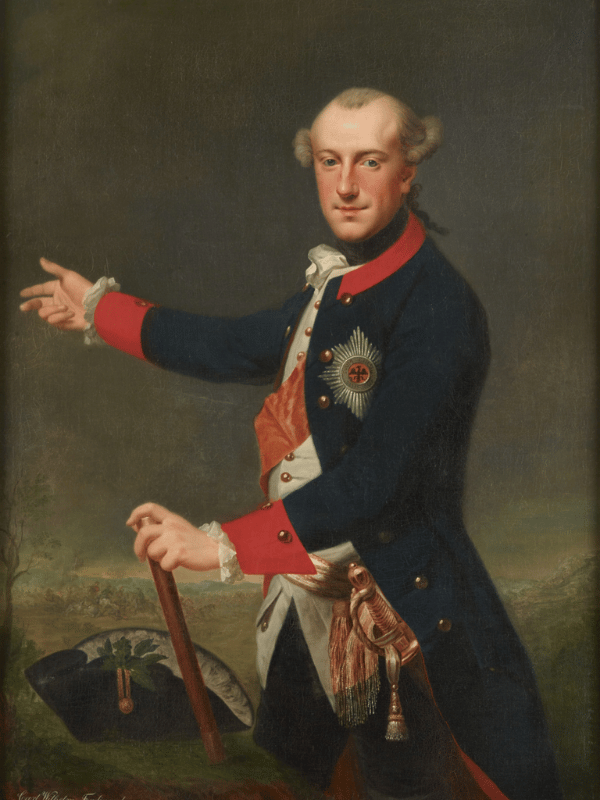
The opening phase of the global conflict brought immediate humiliation to the British establishment when a French expeditionary force caught the Mediterranean command completely unprepared. In April 1756, a French fleet landed twelve thousand troops onto the strategic island of Minorca, trapping the British garrison inside Fort St Philip. Tasked with rescuing the besieged defenders, Admiral John Byng sailed from Gibraltar with an under-equipped, poorly maintained fleet of thirteen ships-of-the-line. The vessels were crowded with improvised marine detachments and lacked the necessary repair carpenters to sustain a prolonged naval bombardment.
The opposing squadrons clashed on 20 May 1756 at the naval Battle of Minorca, where Byng’s adherence to rigid, outdated tactical rules prevented his vanguard from engaging effectively. This rigid alignment left his flagship, HMS Ramillies, and several primary vessels severely damaged while the French fleet under the Marquis de la Galissonière slipped away intact. Rather than risking further losses or attempting to land reinforcements for the struggling garrison, Byng held a controversial council of war aboard his flagship and ordered a full retreat back to Gibraltar. This withdrawal forced the isolated fort, commanded by the eighty-two-year-old veteran William Blakeney, the 1st Baron Blakeney, to capitulate after a brutal seventy-day siege, surrendering Britain’s premier naval base in the Mediterranean to the French crown.
Public fury across England reached a dangerous pitch as news of the surrender arrived in London, threatening the survival of Thomas Pelham-Holles, the 1st Duke of Newcastle's administration. This public outcry prompted the ministry to use the defeated admiral as a political scapegoat. Arrested upon his return, Byng was subjected to a sensational court-martial aboard HMS St George in Portsmouth harbor. The naval tribunal acquitted him of cowardice or disaffection but found him guilty of failing to do his utmost to relieve the island, a technical infraction under the strict 12th Article of War which carried a mandatory death penalty.
Despite widespread appeals for clemency from parliamentary figures, King George II refused to intervene. The execution of the sentence took place on 14 March 1757, when Byng was led onto the quarterdeck of HMS Monarch and shot to death by a firing squad of six Royal Marines. This display of institutional severity sent shockwaves through the naval establishment, a sacrifice famously satirized by Voltaire as necessary "to encourage the others," which successfully established a ruthless precedent of aggression among British fleet commanders for the remainder of the war.
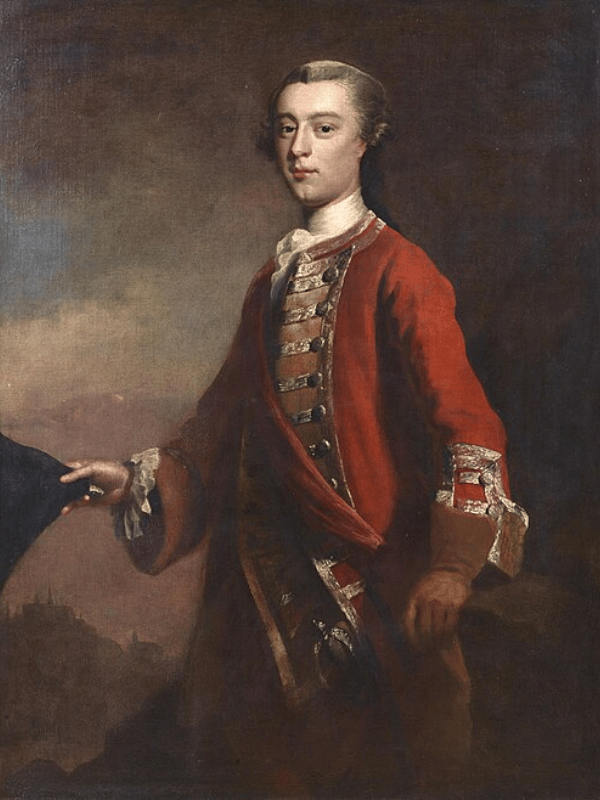
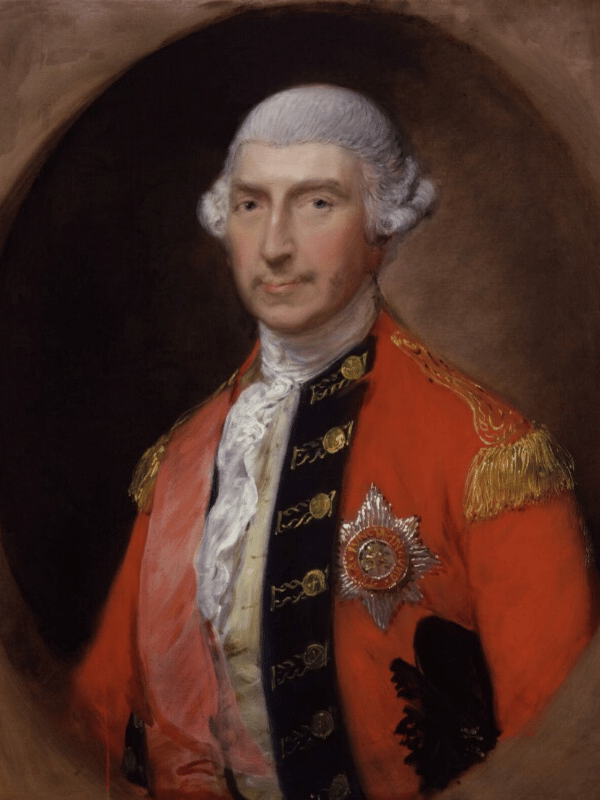

The Black Hole of Calcutta and the Battle of Plassey
1756 – 1757 AD
Additional Information: The First British Empire / Plassey and the Conquest of Bengal
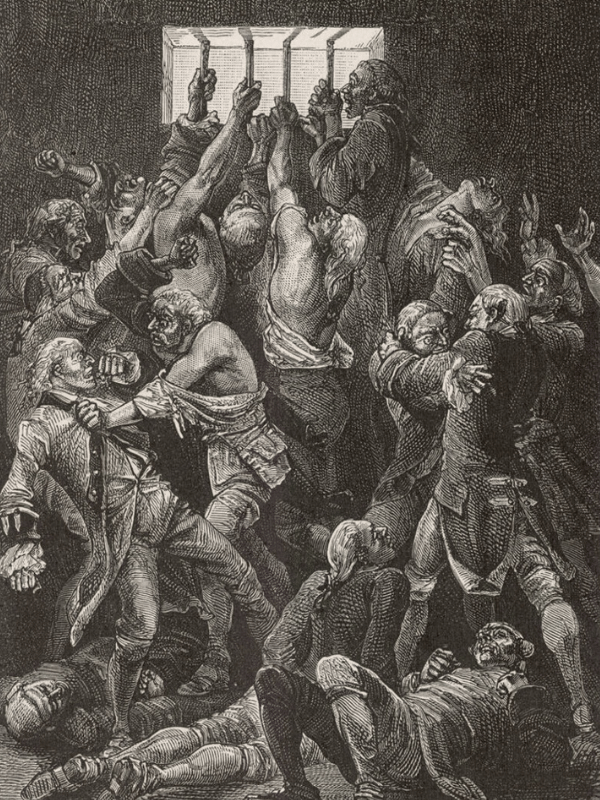
The geopolitical rivalries of the Seven Years' War ignited a massive corporate conflict across the Indian subcontinent, transforming the East India Company from a merchant syndicate into a territorial empire. The crisis opened in June 1756 when Siraj-ud-Daulah, the newly seated Nawab of Bengal, marched an army of fifty thousand troops to attack the company's unfortified trading outpost at Fort William in Calcutta.
Following a swift three-day siege, the garrison surrendered, prompting the Nawab's officers to confine 146 British prisoners overnight inside a cramped, windowless guardroom measuring just eighteen feet by fourteen feet. Known historically as the Black Hole of Calcutta, the intense summer heat and lack of air caused a horrific suffocation panic, leaving only twenty-three survivors alive by the morning. News of the disaster reached Madras in August, prompting the company directory to immediately unleash a high-velocity military counter-offensive to retake Bengal and secure their eastern commercial revenues.
The punitive expedition was placed under the joint command of Vice-Admiral Charles Watson and Robert Clive, the 1st Baron Clive, who sailed north with a fleet of five warships and a compact force of nine hundred regular European soldiers and two thousand native sepoys. After recapturing Calcutta in January 1757, Clive realized that a direct frontal war against the Nawab's vast resources was highly dangerous. He executed a clandestine political strategy, using the wealthy merchant banker Jagat Seth to bribe Mir Jafar, the commander-in-chief of the Nawab's army, promising to elevate him to the throne of Bengal in exchange for military defection. The two armies collided on 23 June 1757 at the Battle of Plassey, where Clive's small force encountered a massive army of fifty thousand infantry, eighteen thousand cavalry, and fifty heavy artillery pieces directed by French military adventurers.
The engagement was decided by a sudden afternoon rainstorm and Clive’s tactical preparation. While the torrential downpour soaked and completely neutralized the Nawab's uncovered gunpowder stockpiles, the company forces rapidly deployed canvas tarpaulins to keep their ammunition dry. Believing the enemy artillery was disabled, the Nawab's elite cavalry commander, Mir Madan, launched a charge across the mud, but Clive's dry field guns unleashed a devastating grapeshot volley that killed Mir Madan instantly.
Paralyzed by panic, Siraj-ud-Daulah turned to Mir Jafar for advice, unaware of the treachery. Mir Jafar urged a full retreat and ordered his massive wing of thirty-five thousand troops to stand completely motionless on the field, fracturing the Nawab's battle lines. Clive immediately launched a fierce counter-assault, converting the retreat into a total rout that cost the company only twenty-two killed, while Siraj-ud-Daulah fled the field, leaving Bengal under direct corporate control and initiating the era of British imperial dominance in India.
---------------------------------------------------------------------------
The Siege of Calcutta and the Black Hole Incident (16 – 20 June 1756)
British East India Company Forces
Primary Commander: Governor Roger Drake (Supreme Authority); and John Zephaniah Holwell (Legation Defense Commander)
Secondary Commanders / Notable Officers: Captain Paul Richard Clayton
Total Forces: Exactly 515 combatants (comprising 180 regular European infantry soldiers, 50 military volunteers, and roughly 285 local militia gunners, fortified behind the outdated brick perimeter of Fort William)
Casualties: Near-total capitulation and loss of life; roughly 400 combatants killed or wounded during the four-day investment, followed by the capture of the remaining survivors. A group of 146 British prisoners and civilians were subsequently locked inside a small, unventilated military cell measuring 18 by 14 feet—known as the Black Hole of Calcutta—resulting in the deaths of approximately 123 individuals overnight due to severe suffocation and heat exhaustion.
Nawab of Bengal Forces
Primary Commander: Nawab Siraj-ud-Daulah (Supreme Commander)
Secondary Commanders / Notable Generals: Mir Jafar (Cavalry Commander); and Rai Durlabh
Total Forces: Roughly 30,000 to 40,000 massed soldiers (comprising regular Bengal infantry line regiments, heavy cavalry divisions, and specialized artillery train units armed with smoothbore cannons)
Casualties: Moderate; an estimated 500 to 700 combatants killed or wounded during their multi-wave frontal assaults against the fort walls before Governor Drake abandoned the garrison to escape downriver by boat.
The Battle of Plassey (23 June 1757)
British East India Company Forces
Primary Commander: Colonel Robert Clive (Supreme Commander)
Secondary Commanders / Notable Officers: Major James Kilpatrick; Major Eyre Coote; and Captain Alexander Grant
Total Forces: Exactly 3,000 disciplined soldiers (comprising 800 European infantrymen from the 39th Regiment of Foot, 2,200 Madras and Bengal Native Sepoys, backed by 8 light field artillery pieces and 2 howitzers)
Casualties: Exceptionally light; exactly 22 men killed on the field and 50 wounded, with the majority of the losses occurring during the opening morning artillery duel.
Nawab of Bengal Forces
Primary Commander: Nawab Siraj-ud-Daulah (Supreme Authority); and Mir Madan (Loyal Vanguard Commander)
Secondary Commanders / Notable Generals: Mir Jafar (Conspirator / Flank Commander); Rai Durlabh; and Yar Lutuf Khan
Total Forces: Approximately 50,000 massed regular and irregular troops (comprising 35,000 infantry, 15,000 heavy cavalry horsemen, a specialized detachment of 50 French mercenary artillerymen under Sinfray, backed by a massive train of 53 heavy smoothbore artillery pieces mounted on large wooden platforms drawn by oxen)
Casualties: Moderate but politically definitive; an estimated 500 combatants killed or wounded on the field. The sudden death of the loyal vanguard commander Mir Madan by grapeshot caused Siraj-ud-Daulah to panic, allowing the conspirator Mir Jafar to deliberately withhold the remaining 40,000 troops from the action, turning the engagement into a total tactical rout that ended the independent Nawab dynasty of Bengal and established the foundations of British rule in India.


The Siege of Louisbourg and Fall of Quebec
1758 – 1759 AD
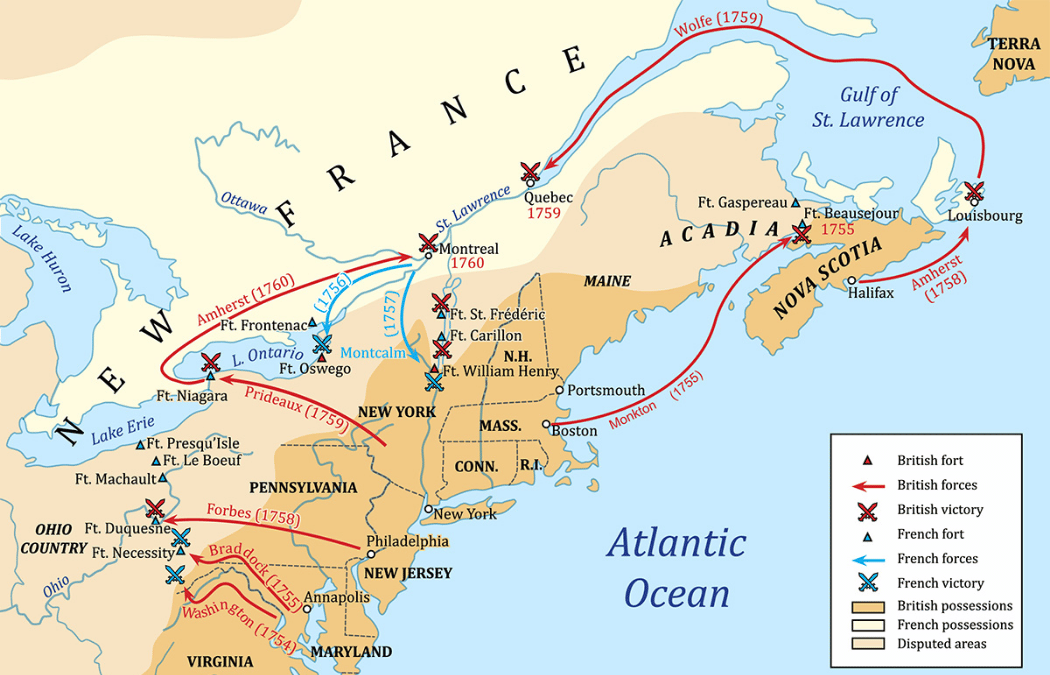
The North American theater of the war developed into an intensive, amphibious war of attrition designed to completely break French colonial authority across New France. To secure the entry points to the Saint Lawrence River and clear the path for an invasion of Canada, the British ministry launched a massive assault in June 1758 against the fortress of Louisbourg on Cape Breton Island.
This stone stronghold, known as the Gibraltar of the North, was besieged by an army of fourteen thousand regular troops under Major-General Jeffrey Amherst, supported by a fleet of forty Royal Navy warships under Admiral Edward Boscawen. The operation was defined by a methodical trench-digging campaign and continuous artillery bombardment that systematically pulverized the stone bastions, forcing the French garrison to surrender unconditionally in July 1758 and opening the maritime gateway to the heart of French Canada.
The decisive campaign against the capital of New France opened in June 1759 when Major-General James Wolfe navigated a massive fleet of 150 transport ships and forty-nine warships up the treacherous Saint Lawrence River to lay siege to Quebec. Perched atop high, un-scalable stone cliffs, the city was defended by a formidable fifteen-thousand-man force under the command of Louis-Joseph de Montcalm, the 1st Marquis de Montcalm. For three months, Wolfe’s forces launched unsuccessful frontal assaults and maintained a destructive artillery bombardment that reduced the town to rubble but failed to breach the French defenses. Facing the onset of the freezing Canadian winter, Wolfe executed a high-stakes tactical gamble on the night of 12 September 1759, landing a strike force of 4,400 men at L’Anse-au-Foulon, where his soldiers climbed a narrow, unguarded cliff path to surprise the French sentries.
By the dawn of 13 September, Wolfe had successfully deployed his entire army in battle formation across the flat plains of the Heights of Abraham, directly outside the city gates. The Marquis de Montcalm immediately marched his troops out of the fortress to engage, launching a rapid but disorganized infantry charge. The disciplined British thin red line held its fire until the advancing French columns closed within forty paces, unleashing a coordinated, double-shotted musket volley that completely shattered the French regiments in a single minute.
The brief battle ended in a total British victory that forced the surrender of Quebec, though both commanders were mortally wounded on the field. Wolfe died at the moment of victory, while the Marquis de Montcalm perished the following morning inside the city, a bloody sacrifice that permanently broke French military leverage in North America and led straight to the collapse of New France.

The Annus Mirabilis
1759 AD
The application of Pitt’s dual-track strategy bore its fruit in 1759, with a spectacular sequence of simultaneous military triumphs across every theater of war, permanently shattering French imperial ambitions.
Known as the Year of Miracles, the campaign opened its continental triumphs on 1 August 1759 at the Battle of Minden in Germany. At this engagement, a combined allied force under Prince Ferdinand of Brunswick shattered a larger French army. Due to a misunderstanding of orders, a single brigade of six British infantry regiments, including the 12th Regiment of Foot, advanced unsupported across an open plain under heavy cross-artillery fire. Holding their ground with legendary discipline, the British infantry columns allowed the elite French cavalry to charge within ten paces before unleashing a series of rolling, close-range musket volleys that completely decimated the horse regiments and forced a full French retreat.
This continental success was rapidly matched by massive amphibious extractions across the Caribbean and West Africa. In May 1759, a specialized British expeditionary force captured the wealthy sugar island of Guadeloupe after a brutal three-month campaign, stripping the French crown of its premier economic asset in the West Indies. To prevent France from reinforcing its overseas territories or executing its planned cross-Channel invasion of southern England, the Royal Navy deployed its main battle fleets to enforce an airtight blockade along the enemy Atlantic coastlines. When the French Mediterranean fleet attempted to break out of Toulon to join the main invasion force, Admiral Edward Boscawen intercepted them at the Battle of Lagos off the coast of Portugal on 18 August 1759, destroying or capturing five French ships-of-the-line and driving the remnants onto the beaches.
The final naval blow was delivered on 20 November 1759 at the Battle of Quiberon Bay, where Admiral Edward Hawke, the 1st Baron Hawke, intercepted the French Atlantic fleet off the coast of Brittany. Operating amidst a raging winter gale and treacherous, rock-strewn shoals, Hawke discarded traditional naval caution, ordering a relentless pursuit that forced the French ships into a chaotic close-quarters melee within the dangerous bay.
The Royal Navy systematically smashed the enemy vanguard, destroying or capturing six capital ships and driving the remainder into shallow river mouths. This victory permanently broke French offensive naval capacity for the remainder of the conflict. By neutralizing all remaining threats of a cross-Channel invasion and isolating France's overseas colonies from domestic reinforcement, these simultaneous triumphs secured undisputed British dominance over the global seas.
---------------------------------------------------------------------------
The Battle of Minden (1 August 1759)
Allied Anglo-Hanoverian Forces
Primary Commander: Prince Ferdinand of Brunswick (Supreme Allied Commander)
Secondary Commanders / Notable Nobles: Lieutenant-General Lord George Sackville (Cavalry Commander); Major-General John Waldegrave; and Lieutenant-General Philipp von Imhoff
Total Forces: Approximately 41,000 disciplined soldiers (comprising roughly 10,000 British regular infantry and cavalry, alongside large Hanoverian, Hessian, and Prussian line regiments, backed by 60 field artillery pieces)
Casualties: Moderate; approximately 2,800 allied soldiers killed or wounded, with the British infantry brigade under Waldegrave bearing the brunt of the losses during their advance.
French Imperial and Saxon Forces
Primary Commander: Marshal Louis Georges Érasme de Contades (Supreme Commander)
Secondary Commanders / Notable Nobles: Victor-François, 2nd Duc de Broglie; and Lieutenant-General Prince Xavier of Saxony
Total Forces: Roughly 54,000 veteran soldiers (comprising elite French line infantry, heavy cavalry divisions, and regular Saxon regiments, supported by a Grand Battery train of 170 artillery pieces positioned in a tight crescent formation)
Casualties: Severe; an estimated 7,000 to 8,000 combatants killed, wounded, or captured. The defeat resulted in the total loss of 43 artillery pieces, broke the French offensive campaign in northwestern Germany, and stood as the central land milestone of Great Britain's Annus Mirabilis (Year of Miracles).


The Treaty of Paris
1762 – 1763 AD
The momentum generated by the victories of 1759 carried into the final years of the war, as the British military expanded its global operations to target the ultra-wealthy sugar colonies of the Caribbean and new continental enemies. Following Spain’s late entry into the conflict in January 1762 under the Bourbon Family Compact, the Royal Navy launched massive, highly coordinated amphibious assaults that systematically dismantled the defenses of the Spanish Empire.
British forces successfully breached the heavily fortified defenses of Havana, Cuba—seizing twelve Spanish ships-of-the-line, which amounted to a third of the Spanish navy—whilst simultaneously occupying the critical Pacific trading hub of Manila in the Philippines. These overseas captures left the Bourbon powers thoroughly bankrupted and exhausted, forcing them to sue for peace to prevent the total dismantling of their remaining colonial infrastructure.
The global conflict was officially brought to a victorious close on 10 February 1763 through the signing of the Treaty of Paris, the sweeping terms of which represented the zenith of early British imperial power. Under this agreement, Great Britain engineered a massive territorial exchange, capturing full sovereignty over French Canada, Spanish Florida, Grenada, Saint Vincent, Tobago, and the lucrative West African trading stations of Senegal. To achieve this diplomatic settlement, John Stuart, the 3rd Earl of Bute, who had replaced Pitt as the King's premier minister, navigated intense opposition from commercial factions in London. The Earl of Bute agreed to restore Havana and Manila to Spain in exchange for Florida, and returned the sugar islands of Guadeloupe and Martinique to France to satisfy West Indian sugar planters who feared domestic price competition.
Despite these restorations, the treaty successfully drove French administrative and military presence out of mainland North America, restricting their territory to a few small fishing islands off Newfoundland. The settlement also confirmed British dominance over the princely states of India, allowing the East India Company to retain its territorial gains in Bengal while forcing the French to dismantle their fortresses at Pondicherry.
This comprehensive global overhaul anchored the authority of the British state across the oceans, establishing a vast, ocean-spanning trading network funded by the advanced tax-and-credit infrastructure of Westminster, and turning Great Britain into the imperial superpower of the world.
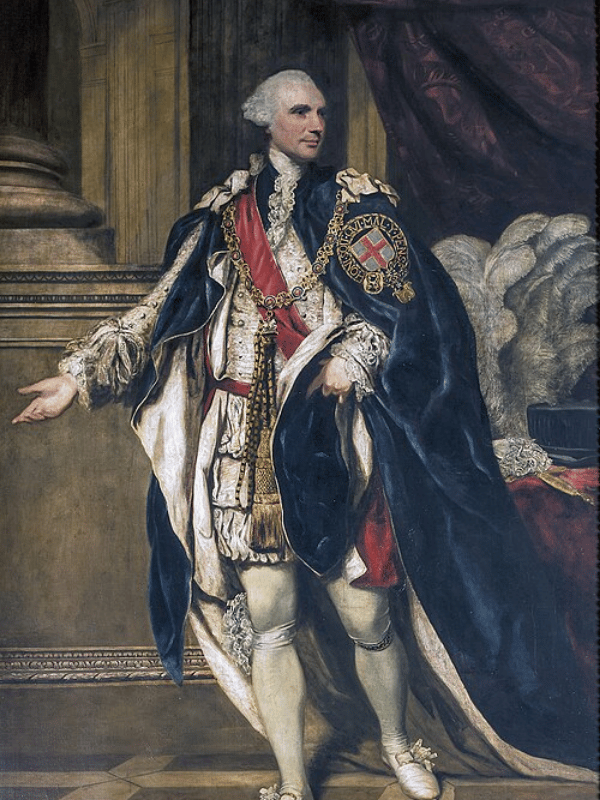

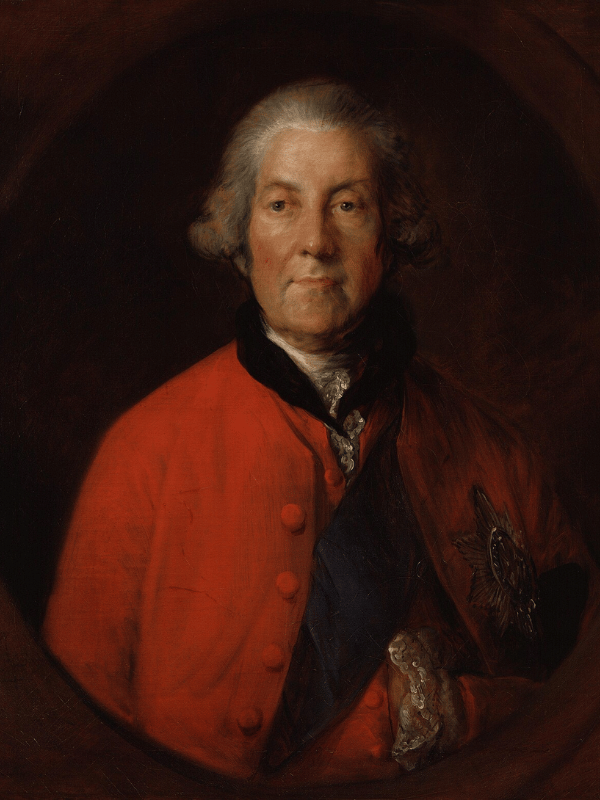
The EIC Expands
1757 - 1773 AD
Additional Information: The First British Empire / Plassey and the Conquest of Bengal
The global triumph of the Seven Years' War allowed the Honourable East India Company to transform from a simple maritime trading enterprise into a sovereign territorial power across the Indian subcontinent. Capitalizing on the internal fragmentation of the Mughal Empire, the corporation turned its private security forces into an army that altered the balance of power in Asia. Following their subsequent military victory over a combined coalition of native rulers at the Battle of Buxar in October 1764 , the company directors completely cornered the imperial court at Delhi, using raw leverage to dictate the administrative layout of northern India.
This conquest was formalized on 12 August 1765 through the signing of the Treaty of Allahabad, a watershed diplomatic settlement dictated by Robert Clive, the 1st Baron Clive. Under the strict terms of this agreement, the defeated Mughal Emperor, Shah Alam II, granted the East India Company the Diwani—the permanent legal right to manage the civil administration and collect all public revenues and land taxes across the wealthy eastern provinces of Bengal, Bihar, and Odisha. In exchange, the company agreed to pay a fixed annual tribute of twenty-six million rupees to the Emperor, alongside a regional allocation of 5.3 million rupees to the figurehead Nawab of Bengal to fund basic judicial services. This mechanism permanently separated the state's tax extraction machinery from its traditional governing obligations, allowing a private commercial syndicate to act as the primary financial collector.
The extraction of the Diwani transformed the company; instead of exporting British gold and silver bullion to purchase Indian textiles, the corporation used taxes harvested from thirty million Indian subjects to finance its global investments. To protect this lucrative setup, the company expanded its standing army of native infantrymen, known as Sepoys, who were trained under British officers and grew to outnumber the regular British Army garrison. However, the rampant corruption of company officials—who returned to Britain as ultra-wealthy "Nabobs" to buy up country estates and parliamentary seats—coupled with a catastrophic famine in Bengal that killed over ten million people, pushed the enterprise to the brink of total insolvency.
Facing severe financial ruin, the directors were forced to beg the state for an emergency loan of £1.4 million, allowing Parliament to pass the Regulating Act of 1773 to establish the first formal steps toward state oversight.
---------------------------------------------------------------------------
The Battle of Buxar (October 1764 AD)
The East India Company Forces
Total Combat Strength: A compact, highly disciplined professional army of 7,072 soldiers, composed of 857 European regular infantry and 5,297 native Sepoys alongside a specialized artillery unit.
Battlefield Command: Led directly by Major Hector Munro of the 89th Regiment of Foot.
Total Battlefield Losses: Extremely light combat attrition for a decisive engagement, resulting in eighty-four soldiers killed and 743 wounded.
The Indian Coalition
Total Combat Strength: A massive combined coalition army of approximately forty thousand troops, formed by the forces of the Mughal Emperor Shah Alam II, the Nawab of Awadh Shuja-ud-Daula, and the deposed Nawab of Bengal Mir Qasim.
Battlefield Command: Jointly directed by the Nawab Shuja-ud-Daula and the military adventurer Mirza Najaf Khan.
Total Battlefield Losses: A catastrophic military rout resulting in over two thousand soldiers killed on the field, the capture of 133 brass cannons, and the total surrender of the Mughal imperial camp.

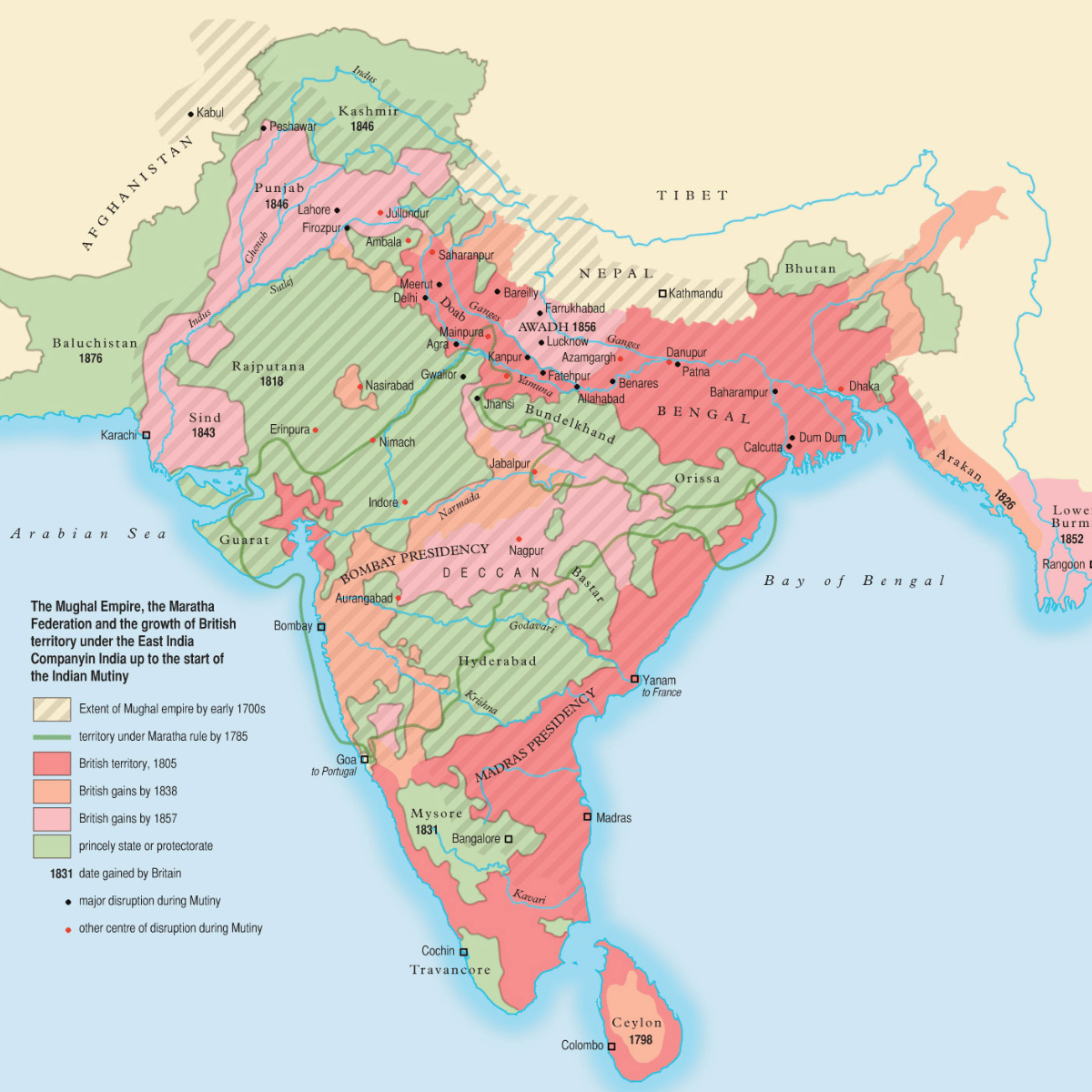
The Accession of George III
1760 AD
The peaceful dynastic transition of 25 October 1760 brought the twenty-two-year-old King George III to the throne following the sudden apoplexy and death of his grandfather, King George II. As the first Hanoverian monarch born and educated entirely within Great Britain, the young sovereign was determined to distance his court from the German-centric military and electoral priorities of his predecessors. During his initial address to Parliament on 18 November 1760, George III proudly inserted a handwritten sentence into his speech, declaring that he gloried in the name of Briton. This calculated phrase generated immense popular enthusiasm across a domestic population weary of expensive continental subsidies and bloody land entanglements in Germany.
However, this public popularity was instantly accompanied by a severe constitutional rupture as the King moved aggressively to reclaim the active royal prerogative over ministerial appointments. This intervention shattered the deep political monopoly enjoyed by the Old Whig oligarchy, who had treated the crown's executive patronage as their private property for forty-six years. Guided by his close personal tutor, John Stuart, the 3rd Earl of Bute, George III systematically undermined his cabinet. He forced the wartime architect William Pitt, the 1st Earl of Chatham, to resign from office in October 1761 by blocking Pitt’s plans for a preemptive declaration of war against Spain. This was rapidly followed in May 1762 by the forced ousting of Thomas Pelham-Holles, the 1st Duke of Newcastle, a clearing of the old political guard that triggered immediate, severe administrative instability.
By alienating the veteran faction leaders of Westminster and attempting to govern through a court network of personal favorites, the King inadvertently fractured the governing consensus. This friction initiated a turbulent decade defined by five short-lived, weak ministries in rapid succession. When the unpopular Earl of Bute resigned in April 1763 due to public outrage over the Treaty of Paris tax on cider, he was replaced by George Grenville, whose rigid administration passed the disastrous American Stamp Act of 1765.
Grenville's subsequent alienation of the monarch led to his dismissal in July 1765, paving the way for the unstable ministry of Charles Watson-Wentworth, the 2nd Marquess of Rockingham, who repealed the Stamp Act but was dismissed within twelve months. A brief, broken ministry under an ailing Earl of Chatham collapsed in 1768, forcing Augustus FitzRoy, the 3rd Duke of Grafton, to assume a vulnerable premiership that was continually paralyzed by urban riots led by the radical politician John Wilkes.
This intense administrative turmoil emerged at the worst strategic moment, leaving the Westminster government factionalized and incapable of managing the vast, volatile global territories acquired at the conclusion of the Seven Years' War.
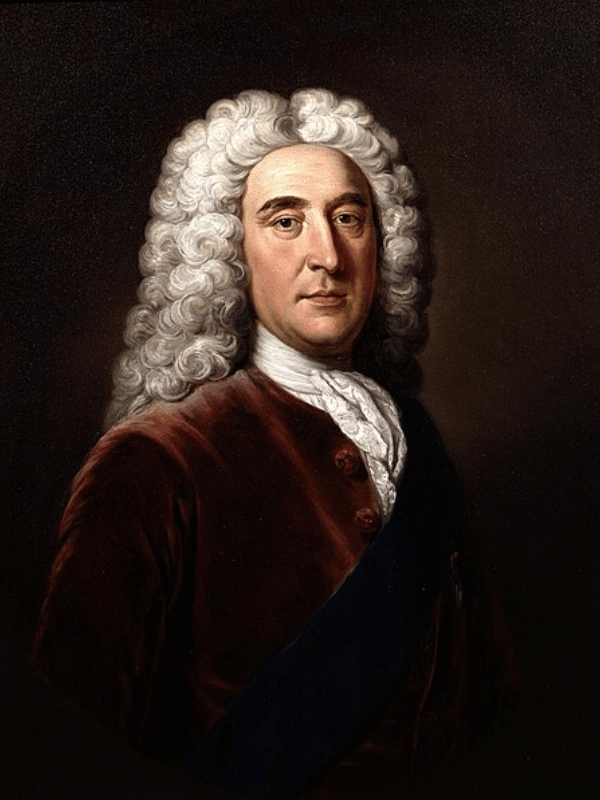
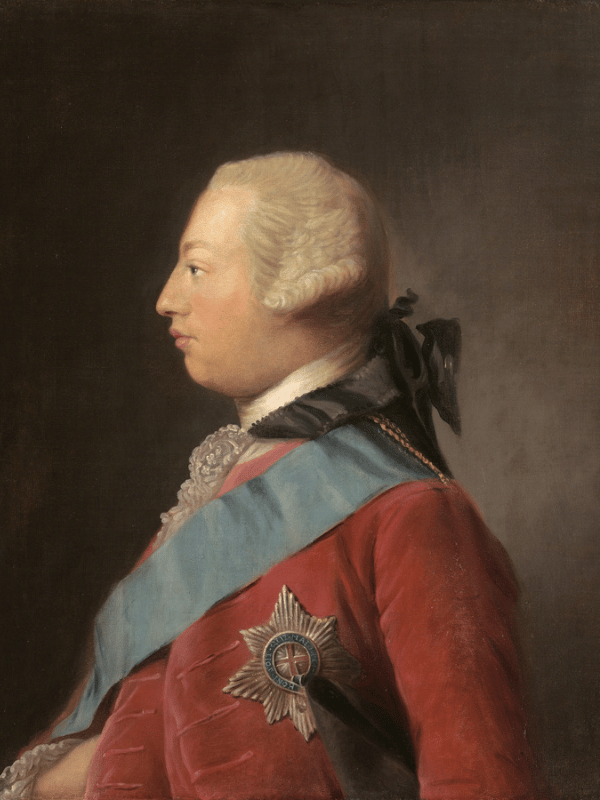
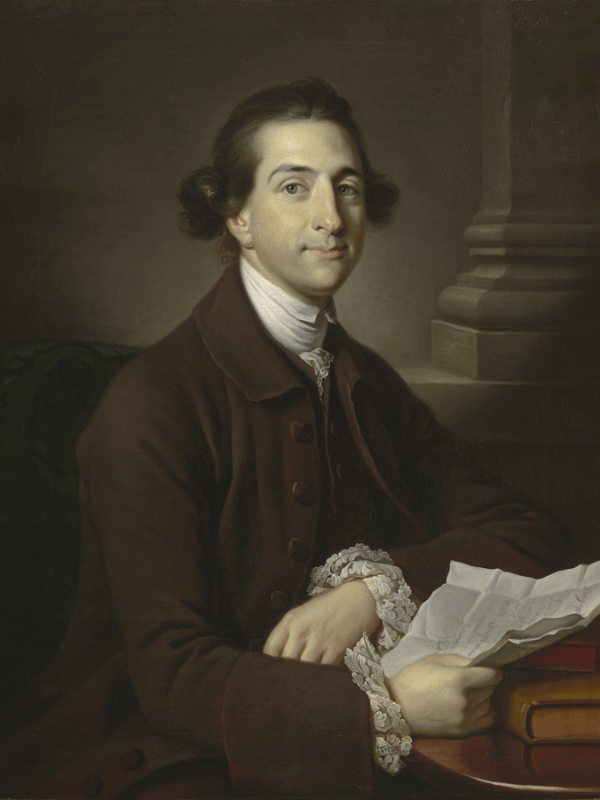
The Industrial Revolution
1760 - 1830 AD
The massive influx of displaced rural labourers into the northern counties coincided with a radical, world-altering transformation of manufacturing, technology, and energy extraction known as the Industrial Revolution. This era saw Great Britain shift away from an organic economy dependent on human muscle, draft animals, timber, and watermills to become the world’s supreme industrial powerhouse, an unprecedented transition driven by a powerful synergy between rich underground deposits of coal, rapid breakthroughs in metallurgy, and pioneering advancements in steam technology, replacing traditional domestic workshops with a highly automated landscape. Early metallurgical breakthroughs, such as Abraham Darby smelting iron ore with coke and Henry Cort perfecting the puddling process to mass-produce high-quality wrought iron, laid the physical foundations for this heavy machinery.
To feed these furnaces, manufacturers relied on increasingly deep coal mines that were kept functional by a profound re-engineering of steam power. In 1769, Scottish instrument maker James Watt patented the separate condenser steam engine, a breakthrough commercialised by Birmingham industrialist Matthew Boulton that slashed fuel consumption by seventy-five percent by preventing the constant heating and cooling of the main cylinder.
By 1781, Watt added sun-and-planet gearing to convert lateral piston strokes into continuous rotary motion, a mechanical pivot that allowed manufacturers to detach their operations from fast-flowing rivers and locate massive, coal-fired factories directly inside urban centers. This reliable rotary power immediately transformed textile manufacturing—which had previously operated as a scattered cottage industry—through three major inventions: James Hargreaves's Spinning Jenny, Richard Arkwright's Water Frame, and Samuel Crompton's Spinning Mule, culminating in Arkwright organizing hundreds of workers under one roof on standardized shifts at his Cromford mill, establishing the definitive blueprint for the modern Factory System.
This rapid mechanization completely re-engineered the physical geography of England, giving rise to massive industrial cities across the northern coalfields—most notably Manchester, Birmingham, Leeds, and Sheffield—where traditional artisan labor was permanently replaced by giant, clock-regulated brick mills. To transport the staggering volume of raw iron, heavy coal, and manufactured textiles across the country, engineers excavated a massive network of commercial waterways, a "Canal Mania" initiated by James Brindley’s construction of the Bridgewater Canal in 1761 which slashed the price of coal in Manchester by half.
Complemented by paved turnpike road networks, this high-velocity transport infrastructure turned Great Britain into a highly integrated industrial machine capable of mass-producing and exporting commodities across its expanding global empire, permanently rewriting the economic rules of the civilized world.
---------------------------------------------------------------------------
The principal inventions, technological breakthroughs, and achievements that drove the expansion of the industrial state:
The Flying Shuttle: 1733
Patented by John Kay, a mechanical weaving component that doubled the output of textile weavers and automated the insertion of yarn, triggering an immediate bottleneck in the spinning sectors.
The Spinning Jenny: 1764
Invented by James Hargreaves, a hand-powered multi-spool spinning frame that allowed a single operator to simultaneously spin eight threads of cotton thread, later expanded to spin eighty threads at once.
The Water Frame: 1769
Patented by Richard Arkwright, a large spinning machine driven by water wheels rather than manual muscle, forcing the centralization of laborers away from home cottages and straight into the first modern textile factories.
The Separate Steam Condenser: 1769
Patented by James Watt, a breakthrough engineering component that isolated the cooling chamber of early atmospheric engines, reducing fuel consumption by seventy-five percent and transforming steam into a viable industrial power source.
The Spinning Mule: 1779
Created by Samuel Crompton, a hybrid machine combining the actions of the Jenny and the Water Frame, capable of spinning high-quality, uniform cotton yarn at unprecedented industrial speeds.
The Iron Bridge: 1779
Erected across the River Severn in Shropshire by Abraham Darby III, the world's first major civil engineering structure built entirely from cast iron, demonstrating the structural viability of mass-produced metals.
The Puddling Process: 1784
Patented by Henry Cort, a specialized metallurgical technique that used a reverberatory furnace to burn impurities out of pig iron, allowing the mass production of high-grade malleable iron for machinery.
The Power Loom: 1785
Patented by Edmund Cartwright, a fully mechanized weaving machine driven by water or steam power that automated cloth manufacturing, matching the high output speeds of the automated spinning factories.
The Cotton Gin: 1793
Patented by Eli Whitney, a mechanical device that automated the separation of seeds from raw cotton fiber, causing a massive surge in the raw material supply chain feeding the mills of Manchester.
The Gas Streetlighting Network: 1807
Installed along London's Pall Mall by the innovator Albert Winsor, the world's first public streetlighting network powered by coal-gas, extending industrial operating hours and altering urban night safety.
The Miner's Safety Lamp: 1815
Invented by Sir Humphry Davy, a specialized oil lamp wrapped in a fine wire mesh sleeve that isolated open flames from underground pocket gases, preventing catastrophic methane explosions inside deep coal mines.
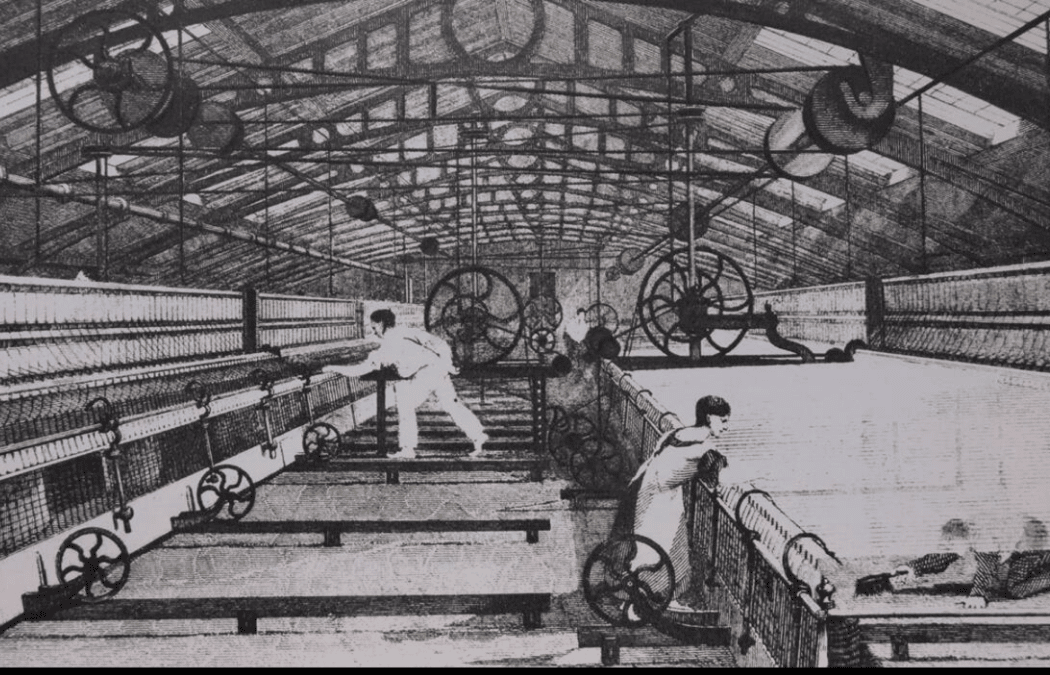
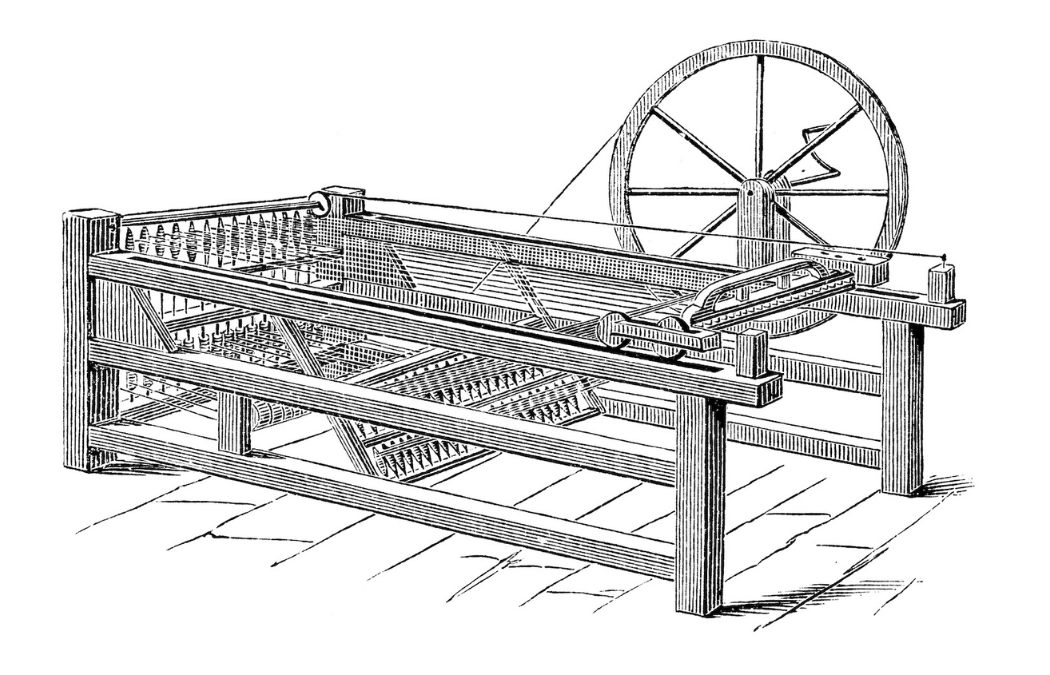
The Stamp Act, Taxation, and Colonial Tension
1764 - 1774 AD
Additional Information: The First British Empire / The Stamp Act Crisis
The staggering £130,000,000 national debt left behind by the Seven Years' War forced a major realignment in British colonial policy, as the government looked across the Atlantic to fix its shattered finances. Arguing that the American colonies had been the primary beneficiaries of this expensive global conflict, Prime Minister George Grenville determined that the American subjects must fund the maintenance of a permanent, ten-thousand-man peacetime military garrison in North America. This fiscal shift instantly shattered the decades-long informal system of salutary neglect and dismantled the established baseline between London and local assemblies.
The true constitutional breakdown occurred in March 1765 when Parliament passed the Stamp Act, a statute that marked the first direct internal tax levied by London on the domestic economies of the colonies. By mandating that a flat tax, payable exclusively in scarce British silver bullion, be applied to every printed item and legal document—including newspapers, legal contracts, playing cards, and ship clearance papers—across the thirteen colonies, the act triggered an immediate, unified backlash under the constitutional slogan "No taxation without representation."
While delegates at the Stamp Act Congress argued that British subjects could only be taxed by their own elected representatives, radical secret societies like the Sons of Liberty used intimidation and mob violence to force imperial stamp collectors to resign. They backed these street tactics with a highly effective economic boycott that blocked British imports, severely impacted manufacturing in Leeds and Manchester, and forced Parliament to repeal the act in March 1766.
To protect the reputation of the crown following this retreat, Parliament simultaneously passed the Declaratory Act to assert complete sovereignty over the colonies in all cases whatsoever. This provocative claim was weaponized in 1767 by Charles Townshend, the Chancellor of the Exchequer, who placed external customs duties on vital colonial imports including tea, lead, glass, paint, and paper. This continuous pressure led to a permanent garrisoning of troops in Boston, where simmering urban resentment culminated in the Boston Massacre on 5 March 1770 when a detachment of British soldiers fired into a hostile, stone-throwing crowd, killing five colonists and permanently fracturing public trust.
The final breakdown was triggered by the Tea Act of 1773, a state maneuver designed to rescue the financially troubled East India Company by allowing it to export its massive surplus tea directly to America duty-free. This policy undercut local colonial merchants and prompted radical activists to execute the Boston Tea Party on 16 December 1773, dumping 342 chests of company tea into the harbor waters. In retaliation, Parliament passed the punitive Coercive Acts of 1774, a draconian sequence of laws that legally closed the port of Boston, dissolved the Massachusetts assembly, and placed the colony under direct military rule under Thomas Gage, the 1st Governor of Massachusetts, setting an irreversible course for the collapse of imperial authority across the American territories.
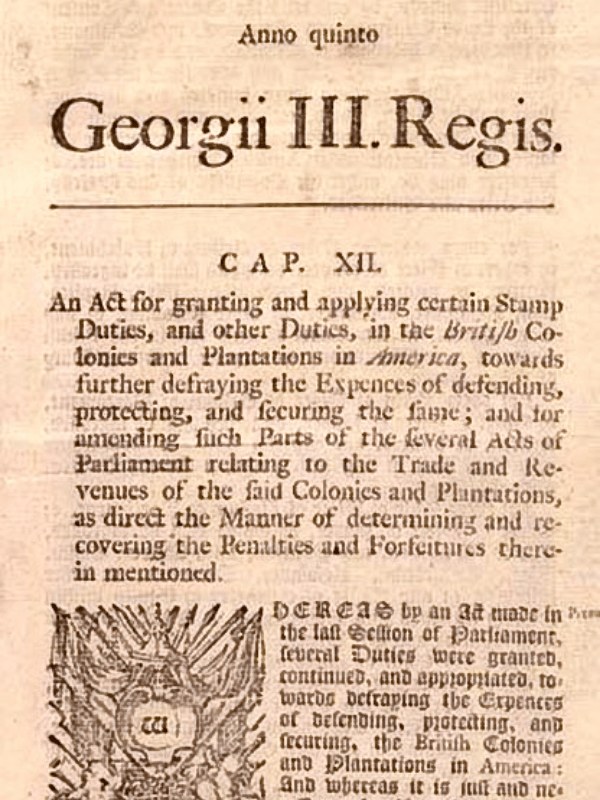

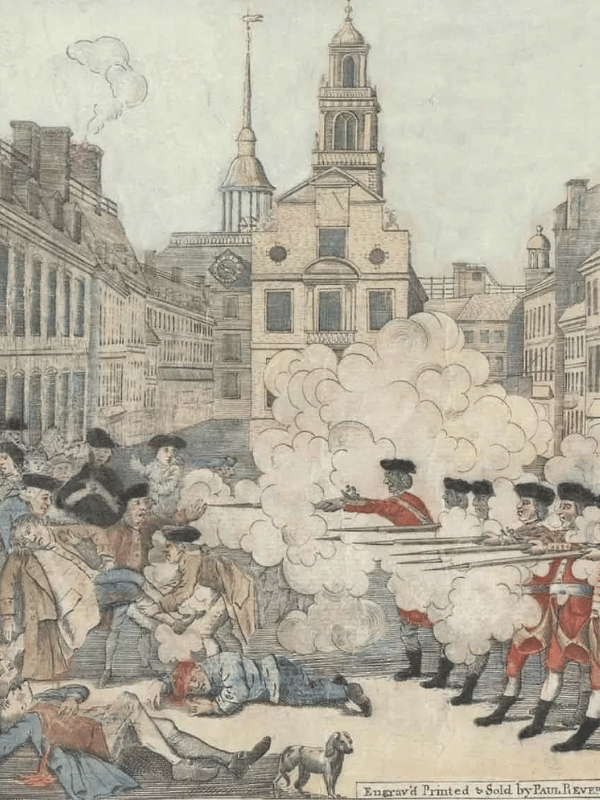
The Early Anglo-Mysore Wars
1767 – 1784 AD
The expansion of corporate authority out of the Madras Presidency triggered a bitter conflict with the Kingdom of Mysore, a highly modernized military state in southern India. Led by the brilliant strategist Hyder Ali, the Mysorean state posed a severe threat to East India Company revenues due to its disciplined, French-trained infantry and its innovative use of iron-cased Mysorean military rockets.
During the First Anglo-Mysore War, which erupted in August 1767, the company's Madras Council botched its diplomatic alignments by attacking Mysore alongside the Nizam of Hyderabad. Hyder Ali outmaneuvered the corporate forces, forced the Nizam to defect, and launched a high-velocity cavalry raid that reached the gates of Madras in April 1769, forcing the terrified company governors to sign the humiliating Treaty of Madras on his terms.
The fragile truce collapsed into the Second Anglo-Mysore War in July 1780 after corporate forces violated Mysorean sovereignty by capturing the French-controlled port of Mahé, cutting off Hyder Ali's primary pipeline for European arms and military advisers. The campaign reached a catastrophic crisis point on 10 September 1780 at the Battle of Pollilur near Conjeeveram. Hyder Ali’s forces, backed by a massive cavalry wing under his son, Tipu Sultan, completely surrounded and annihilated a British detachment of 3,853 men under Colonel William Baillie. While Baillie was marching to unite with the main army under Major-General Sir Hector Munro, Tipu Sultan intercepted the column with ten thousand infantry and twenty thousand horsemen.
The Mysorean rocket artillery squads, firing specialized iron-tubed incendiary missiles packed with black powder, caused immediate chaos by directly detonating three of the British ammunition wagons. This massive explosion fractured the defensive square, allowing the Mysorean cavalry to sweep through the line to slaughter or capture the entire force, including Colonel Baillie and 200 surviving European soldiers who were dragged into brutal captivity at Seringapatam. This disaster marked the absolute worst military defeat the corporate state had ever experienced on Indian soil.
Shaken by the total loss of the Carnatic, Warren Hastings, the 1st Governor-General of Bengal, took emergency executive action. He suspended the governor of Madras, declared martial law, and dispatched a powerful relief army under veteran General Sir Eyre Coote alongside the entire available silver reserve of the Calcutta treasury. General Coote successfully stabilized the southern front through superior discipline, winning a series of high-casualty engagements including the Battle of Porto Novo on 1 July 1781 and the Battle of Sholinghur in September 1781, where his infantry lines repulsed massed cavalry charges.
Following the death of Hyder Ali from cancer in December 1782, Tipu Sultan assumed the throne and sustained the high-attrition conflict, launching amphibious strikes to capture the corporate outposts at Bednore and Mangalore. With both treasuries thoroughly bankrupted and exhausted, the conflict finally concluded on 11 March 1784 with the signing of the Treaty of Mangalore, a diplomatic settlement that mandated a mutual return of all wartime territorial conquests and the release of all surviving prisoners of war.
---------------------------------------------------------------------------
The Battle of Changama (3 September 1767)
British East India Company and Carnatic Forces
Primary Commander: Colonel Joseph Smith (Supreme Commander)
Secondary Commanders / Notable Officers: Major Fitzgerald
Total Forces: Roughly 7,000 soldiers (comprising 800 European infantry, 5,000 Madras native sepoys, and 1,200 irregular Carnatic cavalry, backed by 16 field artillery pieces)
Casualties: Light; 50 men killed or wounded during the rapid deployment of artillery along the pass.
Kingdom of Mysore and Hyderabad Forces
Primary Commander: Hyder Ali (Supreme Commander); and Nizam Ali Khan (Nizam of Hyderabad)
Secondary Commanders / Notable Chieftains: Tipu Sultan (Vanguard Commander)
Total Forces: Approximately 50,000 massed troops (comprising 30,000 irregular cavalry, 18,000 disciplined infantry, backed by a massive train of 100 smoothbore artillery pieces)
Casualties: Moderate to heavy; an estimated 2,000 combatants killed or wounded, forcing Hyder Ali to abandon the high ground after his cavalry charges were broken by disciplined sepoy musketry.
The Battle of Pollilur (10 September 1780)
British East India Company Forces
Primary Commander: Colonel William Baillie (Supreme Commander)
Secondary Commanders / Notable Officers: Lieutenant-Colonel Fletcher
Total Forces: Exactly 3,853 soldiers (comprising 500 European infantry from the 73rd Highlanders, 3,000 Madras sepoys, backed by 10 field guns)
Casualties: Catastrophic and near-total annihilation; 508 European soldiers and over 2,500 sepoys killed on the field or captured. High-profile captures included Colonel William Baillie himself, who was wounded and taken to Seringapatam where he later died in captivity.
Kingdom of Mysore Forces
Primary Commander: Tipu Sultan (Field Commander under Hyder Ali)
Secondary Commanders / Notable Chieftains: Ghazi Khan (Cavalry Commander)
Total Forces: Roughly 11,000 elite troops (comprising 8,000 regular infantry, 3,000 rocket-firing cavalry, backed by 30 heavy artillery pieces)
Casualties: Light; fewer than 200 warriors killed or wounded during the systematic destruction of the British square, which was broken after a Mysore artillery shell detonated Baillie's central ammunition tumbrils.
The Battle of Porto Novo (1 July 1781)
British East India Company Forces
Primary Commander: Major-General Sir Eyre Coote (Supreme Commander)
Secondary Commanders / Notable Officers: Major-General Hector Munro; and Brigadier-General James Stuart
Total Forces: Approximately 8,500 disciplined soldiers (comprising regular British and Madras native infantry line regiments, supported by a specialized naval brigade bombardment from HMS Swallow)
Casualties: Moderate; 306 men killed or wounded during the intense, multi-hour frontal counter-attacks against the sand ridges.
Kingdom of Mysore Forces
Primary Commander: Hyder Ali (Supreme Commander)
Secondary Commanders / Notable Chieftains: Lala Purnaiya (Logistics Officer)
Total Forces: Roughly 40,000 massed warriors (comprising 25,000 irregular cavalry, 15,000 regular infantry banner troops, backed by 47 heavy smoothbore guns)
Casualties: Severe; an estimated 10,000 combatants killed or wounded on the field, breaking the tactical offensive capability of Hyder Ali's army and forcing an immediate retreat toward Arcot.
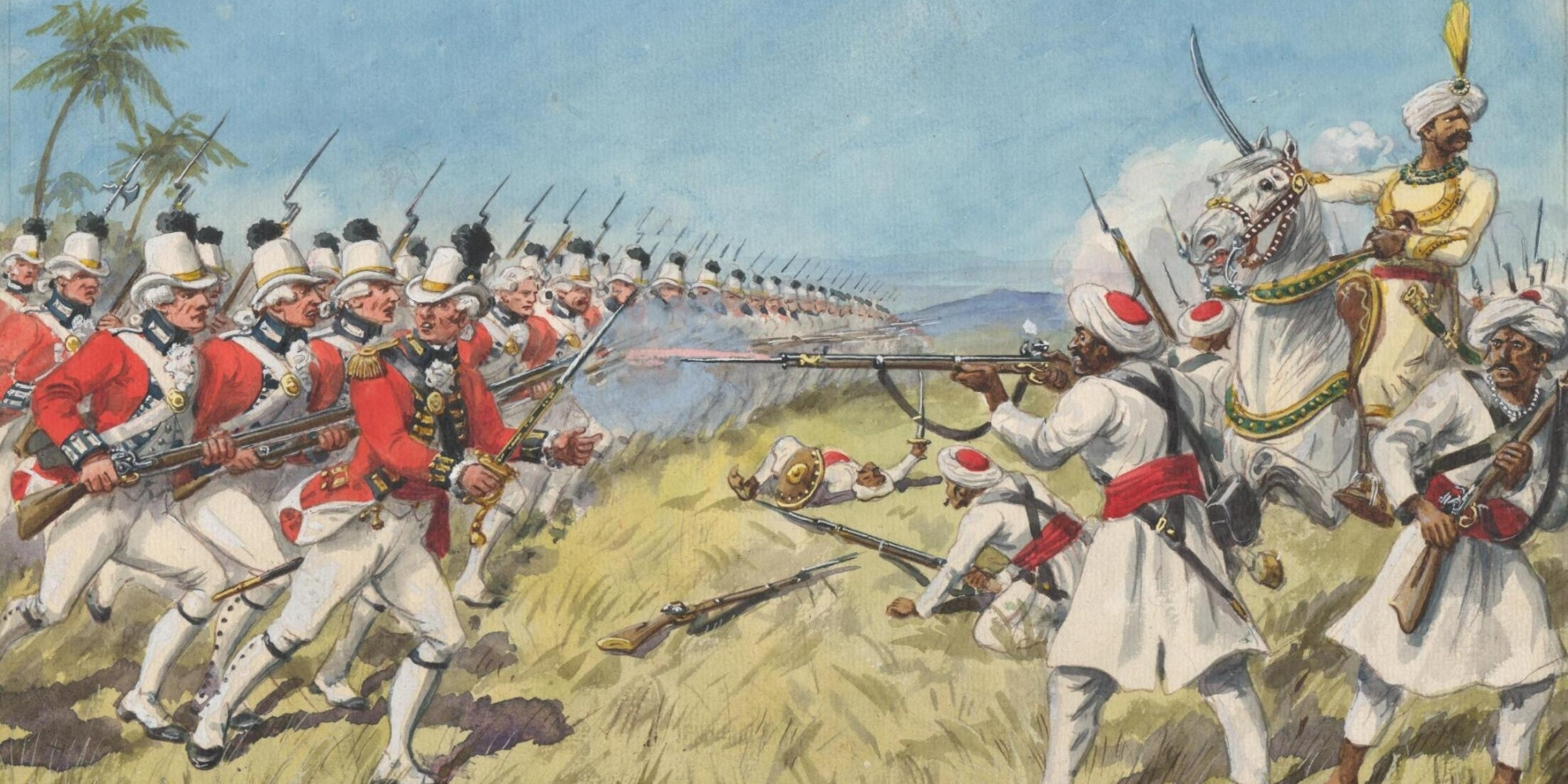
The First Anglo-Maratha War
1775 – 1782 AD
Additional Information: The Second British Empire / Warfare in India: Anglo-Maratha and Anglo-Sikh Wars
The gradual contraction of French military influence across India left the Honourable East India Company facing a formidable geopolitical challenge from the Maratha Empire, a powerful confederacy of warrior states that dominated the central subcontinent. This conflict was initiated in 1775 and was rooted in bitter internal disputes within the Maratha leadership following the assassination of the Peshwa, Narayan Rao. The corporate council at Bombay aggressively intervened by signing the Treaty of Surat with the deposed claimant, Raghunath Rao, pledging corporate military backing in exchange for the strategic cessions of Salsette and Bassein.
This unauthorized move drew the Bombay garrison into a sprawling regional war to expand their territorial footprint. Operating with a clear determination to secure the wealthy trading port of Bombay, the Company's initial military advance suffered severe checks when a combined force of four thousand British and Sepoy troops under Colonel Egerton marched across the Western Ghats mountains.
The campaign developed into a total disaster on the plains of Maharashtra, culminating at the Battle of Wadgaon in January 1779. At this engagement, a massive Maratha cavalry force of fifty thousand men under the brilliant tactical command of Mahadji Shinde used scorched-earth tactics to destroy all local crops, poison the water wells, and completely cut off the corporate army's food supply lines. Trapped, starving, and continually harassed by mobile horse archers, the British commanders panic-ordered a retreat to Wadgaon village, where they were completely surrounded and forced to sign a humiliating capitulation that surrendered all territorial gains made since 1773.
Realizing that a prolonged conflict would bankrupt the entire enterprise, Warren Hastings, the 1st Governor-General of Bengal, repudiated the humiliating surrender and dispatched a powerful relief column under Colonel Thomas Goddard to march across central India. Goddard's force restored corporate prestige by storming Ahmadabad and capturing Bassein, while a daring night assault led by Captain William Popham successfully scaled and captured the legendary rock fortress of Gwalior from the Marathas.
With both sides thoroughly exhausted by the high-attrition conflict, Warren Hastings negotiated the Treaty of Salbai in May 1782 through the mediation of Mahadji Shinde. This historic diplomatic settlement established a twenty-year peace that restored pre-war territorial boundaries, forced the Company to abandon its support for Raghunath Rao, and guaranteed that the Marathas would exclude all French merchants from their ports. This peace gave the East India Company vital breathing space to completely modernize its military apparatus, standardize its tax collection lines, and secure its presence on the western coast without further financial drain on the London exchequer.
---------------------------------------------------------------------------
The Battle of Wadgaon (12 – 13 January 1779)
British East India Company Forces
Primary Commander: Colonel Egerton (Initial Operational Commander); and Colonel Cockburn (Field Commander)
Secondary Commanders / Notable Officers: Thomas Wyndham Goddard; and Captain Hartley (Commanding the Rearguard)
Total Forces: Approximately 3,900 regular soldiers (comprising 600 European infantry, 3,300 Bombay Native Infantry sepoys, backed by a massive baggage train of 19,000 civilian camp followers and 15 field artillery pieces)
Casualties: Moderate during combat, followed by a tactical surrender; roughly 350 men killed or wounded during the running rearguard actions, culminating in the signing of the humiliating Treaty of Wadgaon.
Maratha Empire Forces
Primary Commander: Mahadji Shinde (Supreme Military Commander); and Tukojirao Holkar
Secondary Commanders / Notable Chieftains: Nana Fadnavis (Grand Chancellor / Political Authority)
Total Forces: Roughly 50,000 massed troops (comprising 35,000 expert light cavalry, 15,000 infantry and rocket artillery units, backed by 40 heavy smoothbore guns)
Casualties: Light; an estimated 200 to 300 combatants killed or wounded during their multi-wave outflanking cavalry maneuvers and scorched-earth operations that cut off the British supply lines.
The Siege of Gwalior (3 August 1780)
British East India Company Forces
Primary Commander: Captain William Popham (Supreme Commander)
Secondary Commanders / Notable Officers: Lieutenant Bruce (Vanguard Storm-Party Leader)
Total Forces: Exactly 2,400 sepoy soldiers (comprising four battalions of Bengal Native Infantry, entirely lacking heavy siege artillery or regular European infantry reinforcements)
Casualties: Exceptionally low; zero men killed on the field and only 2 sepoys wounded during the rapid, surprise escalade operations.
Maratha Empire Forces
Primary Commander: Mahadji Shinde (Regional Governor)
Secondary Commanders / Notable Chieftains: The Maratha Killadar (Fortress Commandant)
Total Forces: Roughly 1,000 garrisoned soldiers and regional defenders (stationed inside the ancient, heavily fortified stone fortress atop a steep, isolated 300-foot sandstone rock outcropping)
Casualties: Light during the assault, followed by immediate capitulation; fewer than 20 men killed before the completely surprised garrison surrendered the keys to the citadel.
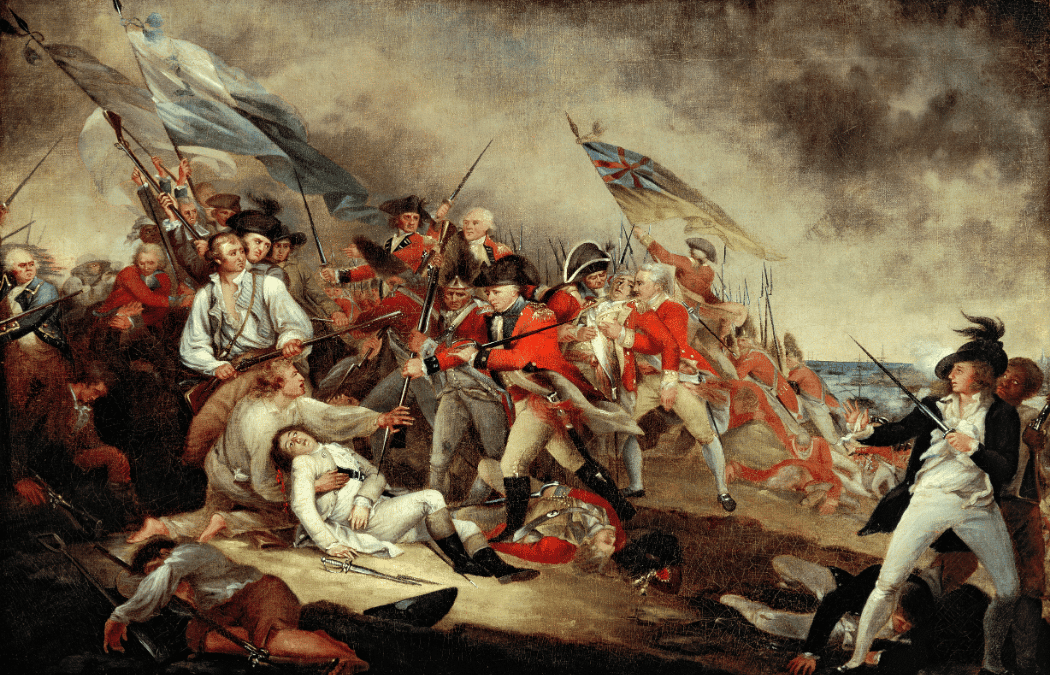

Outbreak of the American War of Independence
1775 - 1783 AD
Additional Information: The First British Empire / The American War of Independence
Decades of escalating constitutional friction over imperial taxation and local governance ruptured into open, armed insurrection in the spring of 1775, permanently fracturing the transatlantic empire. Initial military skirmishes at the Battles of Lexington and Concord on 19 April 1775 forced the Second Continental Congress to coordinate a unified resistance, mobilizing an independent Continental Army under the supreme command of General George Washington. King George III reacted with unyielding firmness, issuing the Proclamation of Rebellion in August 1775 to completely reject the Olive Branch Petition and brand the colonial leaders as traitors, a diplomatic move that closed all avenues of reconciliation.
This hardening of positions set the stage for a bloody campaign around Boston, culminating in the pyrrhic encounter at the Battle of Bunker Hill on 17 June 1775. At this engagement, the professional British infantry under Major-General William Howe suffered over one thousand casualties—amounting to more than a third of their total assault force—during a series of costly frontal charges up the steep slopes of Breed's Hill. The immense human cost of this early engagement underscored the severe logistical difficulties of pacifying an armed population, claiming the lives of veteran officers like Major John Pitcairn and leaving the British garrison effectively trapped inside Boston.
Despite these heavy losses, the ministry continued to pursue a policy of military subjugation, dispatching a massive armada of regular troops and thousands of German Hessian mercenaries under the command of General Harvey to the American coast. This aggressive escalation convinced the colonial leadership that political separation was the only viable path forward, resulting in the publication of the Declaration of Independence on 4 July 1776.
By translating a constitutional tax dispute into a formal declaration of sovereign statehood, this legislative rupture permanently transformed an internal policing action into a protracted war between sovereign nations, pushing the maritime logistics and military capabilities of the British administration to their furthest limits.
---------------------------------------------------------------------------
The catalysts, disputes, and administrative triggers that initiated the American War of Independence include the following:
The Sugar Act: 1764
Enacted by Prime Minister George Grenville to enforce strict customs duties on colonial molasses imports and expand the jurisdiction of maritime crown courts, sparking the earliest commercial protests in Boston.
The Stamp Act: March 1765
Marked the first direct internal tax levied on the colonies, requiring all parchment, newspapers, and legal contracts to carry a tax stamp payable exclusively in scarce silver bullion.
The Stamp Act Congress: October 1765
Brought together delegates from nine colonies in New York to draft a formal declaration of rights, establishing the unified constitutional baseline that British subjects could only be taxed by their own elected representatives.
The Declaratory Act: March 1766
Passed by Parliament immediately following the repeal of the Stamp Act, a statute that asserted complete legislative authority over the American colonies in all cases whatsoever.
The Townshend Acts: 1767
Introduced by the Chancellor of the Exchequer to place external customs duties on vital everyday imports including glass, lead, paint, paper, and tea, initiating an intensive merchant boycott of British manufactures.
The Boston Massacre: 5 March 1770
A violent urban clash where a detachment of British regular troops fired into a hostile, stone-throwing crowd, killing five colonists and permanently fracturing public trust.
The Tea Act: 10 May 1773
Granted the financially troubled East India Company a corporate monopoly to export its massive surplus tea directly to America duty-free, heavily undercutting local colonial merchants.
The Boston Tea Party: 16 December 1773
Executed by radical activists from the Sons of Liberty, who boarded three company merchant vessels in a disguise and dumped 342 chests of tea into the harbor waters.
The Coercive Acts: March – June 1774
Passed as a punitive response by the ministry of the 2nd Earl of Guilford, a draconian sequence of laws that legally closed the port of Boston, dissolved the Massachusetts assembly, and placed the colony under direct military rule.
The First Continental Congress: September – October 1774
Convened at Carpenters' Hall in Philadelphia by twelve colonies to organize a total economic boycott of British goods and establish local enforcement committees.
The Battles of Lexington and Concord: 19 April 1775
Armed skirmishes between colonial militia units and regular British infantry outside Boston that shed the first blood of the war, triggering an irreversible, full-scale military conflict.

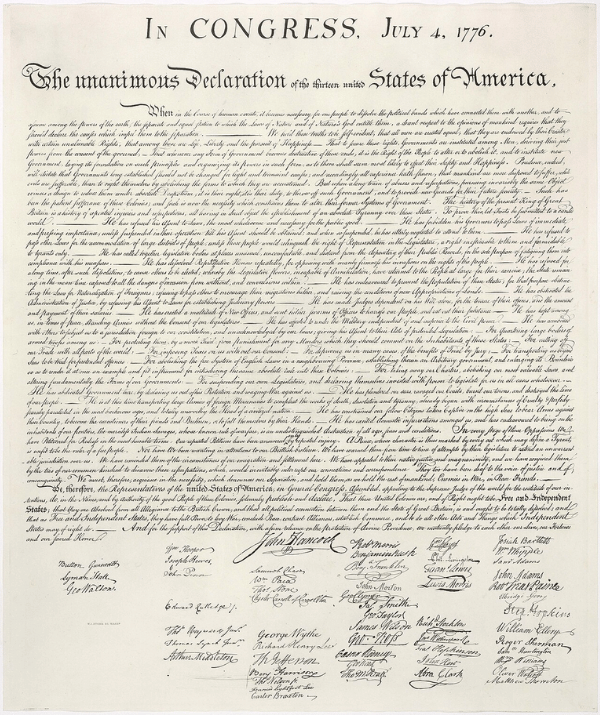
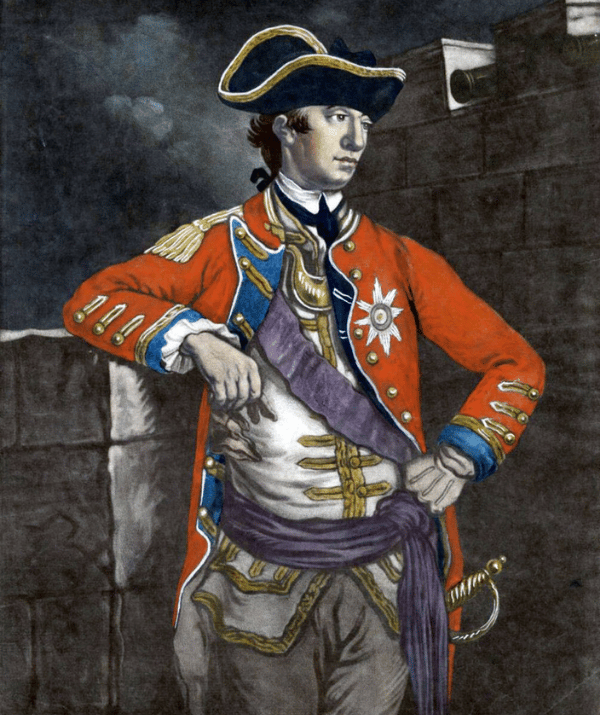
The New York Campaign and the Battle of Long Island
1776 - 1777 AD
The strategic focus of the British command shifted rapidly toward the vital mid-Atlantic coast in the summer of 1776, as a massive armada under General William Howe, the 5th Viscount Howe, and his brother, Admiral Richard Howe, the 4th Viscount Howe, arrived off New York. This force executed an overwhelming display of professional military force, deploying over four hundred transport ships and thirty-two thousand highly disciplined regular troops and Hessian mercenaries onto Staten Island.
Confronted by Washington’s freshly assembled Continental Army, the 5th Viscount Howe demonstrated superior tactics on 27 August 1776 at the Battle of Long Island. He launched a brilliant nocturnal flanking maneuver, marching ten thousand troops through the completely unguarded Jamaica Pass under the cover of darkness. This surprise movement allowed the British columns to completely encircle and route the rebel vanguard deployed at the Heights of Guan, trapping the American forces under Major-General John Sullivan and Lord Stirling, and capturing over one thousand prisoners.
Whilst this decisive victory allowed the British forces to systematically capture the strategic port of New York and convert it into their primary military headquarters for the remainder of the conflict, the command failed to deliver a definitive knockout blow. Due to the 5th Viscount Howe's cautious delay in ordering an immediate assault on the heavily fortified American lines at Brooklyn Heights, Washington’s remaining nine thousand soldiers successfully executed a silent evacuation.
Using a flotilla of small boats manned by Massachusetts fishermen, they slipped across the wide waters of the East River to Manhattan on the night of 29 August 1776 under the cover of a dense morning fog, preserving the core of the rebellion. Howe followed this up with successful amphibious landings at Kip's Bay, routing the militia and fighting a fierce infantry engagement at the Battle of White Plains in October 1776, before storming Fort Washington on 16 November 1776, where British and Hessian forces captured 2,837 American prisoners and vast stockpiles of artillery ammunition.
Pursuing the retreating colonial army across New Jersey, British and Hessian regiments maintained a steady operational momentum that eventually carried into the following campaigning season, culminating in a major advance toward the rebel capital of Philadelphia. Rather than marching over land, the 5th Viscount Howe embarked a force of fifteen thousand men onto 260 transport ships, sailing by sea into the Chesapeake Bay to land at Head of Elk.
He scored another significant success on 11 September 1777 at the Battle of Brandywine, where he confronted Washington's defensive line. Outmaneuvering the American forces along the creek by executing another wide, twelve-mile flanking march across the upper forks under the command of Lieutenant-General Wilhelm von Knyphausen and Lord Cornwallis, the British troops shattered the American right wing under Major-General John Sullivan. This triumph cleared the path for the successful occupation of Philadelphia weeks later, forcing the Continental Congress to flee into the interior shires of Pennsylvania.
However, these triumphs proved to be deeply deceptive. The British army successfully repulsed a fierce American counter-attack at the Battle of Germantown on 4 October 1777, inflicting over one thousand rebel casualties and forcing Washington to retreat to a winter camp at Valley Forge. Yet, by tying down the main field army in the static occupation of urban centers rather than destroying the evasive colonial forces in the field, the campaign left the British command dangerously overextended and fatally isolated from the northern army advancing from Canada.
---------------------------------------------------------------------------
The Battle of Long Island (27 August 1776)
British Imperial and Hessian Forces
Primary Commander: General Sir William Howe (Supreme Commander)
Secondary Commanders / Notable Officers: Lieutenant-General Sir Henry Clinton; Lieutenant-General Charles Cornwallis; and Major-General Leopold Philip de Heister (Commanding the Hessian Contingent)
Total Forces: Approximately 20,000 professional soldiers (comprising elite British line infantry, light dragoons, and disciplined Hessian jaegers, backed by 40 field artillery pieces and supported by a massive naval fleet under Vice-Admiral Richard Howe)
Casualties: Light; 64 men killed on the field, 293 wounded, and 31 missing during the coordinated multi-flank assault.
American Continental Forces
Primary Commander: General George Washington (Supreme Commander); and Major-General Israel Putnam (Field Commander)
Secondary Commanders / Notable Officers: Major-General John Sullivan; and Brigadier-General William Alexander (Lord Stirling)
Total Forces: Roughly 10,000 semi-disciplined troops (comprising Continental Army line regiments and regional state militias, lacking heavy cavalry support, standard uniforms, and coordinated field artillery networks)
Casualties: Catastrophic; over 300 men killed on the field, 700 wounded, and approximately 1,100 captured or missing. High-profile captures included Major-General John Sullivan and Brigadier-General William Alexander, while the legendary stand of the Maryland Four Hundred at the Old Stone House suffered near-total annihilation to secure Washington's escape route across the East River.
The Battle of Fort Washington (16 November 1776)
British Imperial and Hessian Forces
Primary Commander: General Sir William Howe (Supreme Commander)
Secondary Commanders / Notable Officers: Lieutenant-General Wilhelm von Knyphausen (Assault Commander); and Lieutenant-General Charles Cornwallis
Total Forces: Approximately 8,000 storming troops deployed in four separate columns (comprising British regular infantry, Highland regiments, and heavy divisions of Hessian grenadiers, backed by continuous naval bombardment from HMS Pearl)
Casualties: Moderate; 78 men killed on the field and 374 wounded, with the heaviest losses suffered by the Hessian divisions climbing the steep northern crags.
American Continental Forces
Primary Commander: Colonel Robert Magaw (Fortress Commandant)
Secondary Commanders / Notable Officers: Lieutenant-Colonel Moses Rawlings (Commanding the Maryland Riflemen)
Total Forces: Exactly 3,000 soldiers (comprising Pennsylvania regulars, Maryland riflemen, and local militia units garrisoned inside a large, earthwork pentagonal fort on Manhattan Island, completely lacking a secure internal water supply)
Casualties: Catastrophic and definitive; 59 men killed on the field, 96 wounded, and exactly 2,818 surrendered and captured. The mass capitulation resulted in the loss of the fort's complete artillery train and stores, while the thousands of captured prisoners were systematically transferred to the notorious British prison ships in Wallabout Bay, where the majority died from disease and starvation.
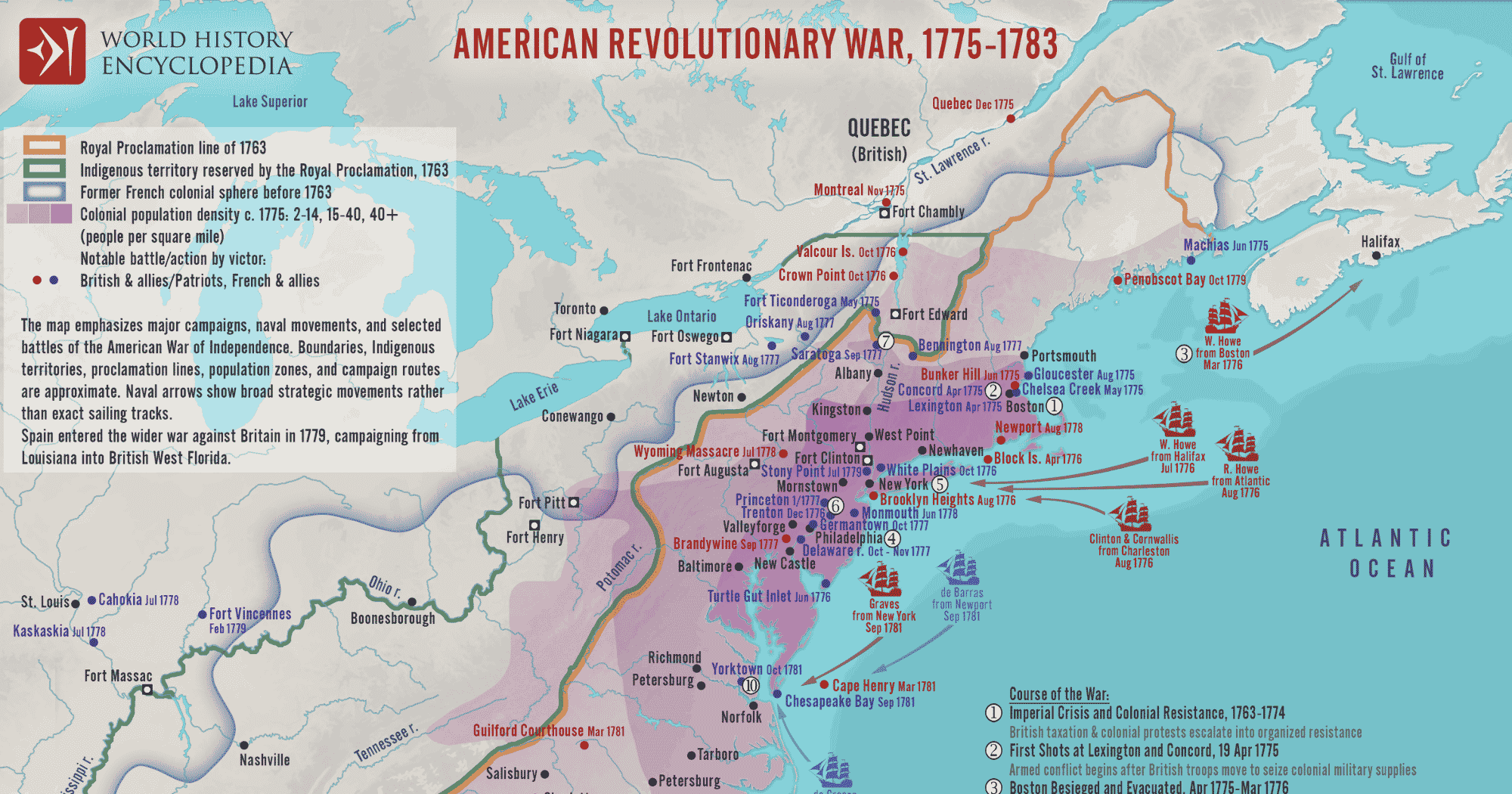
The Saratoga Campaign and Global Escalation
1777 – 1780 AD
The underlying operational vulnerability of the British strategy was exposed in the autumn of 1777, when a poorly coordinated, three-pronged offensive through the dense wilderness of upstate New York ended in a monumental disaster. The strategic blueprint, originally masterminded by Lord George Germain, the 1st Viscount Sackville, required Lieutenant-General John Burgoyne to march south from Montreal down the Hudson River valley, where he was supposed to converge with a secondary western column under Colonel Barry St Leger and the main field army under General William Howe advancing north from New York. However, communication failures ruined the plan; Howe sailed south to capture Philadelphia instead, while St Leger’s force was checked at the Siege of Fort Stanwix and forced to retreat.
Advancing south from Canada without this vital auxiliary support, Burgoyne’s isolated northern force of 7,800 British regulars, German mercenaries from Brunswick, and native allies found its supply lines completely severed by local militia units under Major-General John Stark, who destroyed the bridges along the Hudson and annihilated a major foraging detachment at the Battle of Bennington, costing Burgoyne 900 veteran soldiers.
Dwindling rations and continuous guerrilla harassment forced Burgoyne to dig in near Saratoga, where his army found itself thoroughly cut off and outnumbered by a forty-thousand-man colonial force under General Horatio Gates. This strategic isolation reached its definitive climax on 17 October 1777 at the Battle of Saratoga, following weeks of heavy attrition and failed breakout attempts.
At the Battle of Freeman’s Farm on 19 September 1777, Burgoyne’s frontal infantry assaults suffered heavy casualties from the specialized rifle fire of Colonel Daniel Morgan’s provisional corps. A desperate secondary attack on 7 October 1777 at the Battle of Bemis Heights saw the British lines entirely broken by a fierce counter-assault led by Benedict Arnold, which resulted in the capture of the key defensive redoubts. Run completely out of food and facing a continuous, heavy artillery bombardment, Burgoyne was forced into an unconditional surrender of his entire remaining army of 5,895 men, including seven generals and 300 women and camp followers, all of whom were taken into military captivity as the Convention Army.
This humiliation instantly transformed the strategic options of continental rivals, demonstrating that the American colonists could successfully defeat regular British infantry in major pitched battles. This victory prompted King Louis XVI of France to sign a formal Treaty of Alliance in February 1778, a diplomatic intervention rapidly followed by Spain in 1779 under the Treaty of Aranjuez, and the Dutch Republic in 1780.
The entry of these European powers instantly transformed an internal imperial policing action into a multi-continental naval war, shattering Britain's maritime insulation and stretching the Royal Navy thin across the globe. Rather than maintaining an unyielding blockade along the American coast, British fleets under Admiral George Rodney, the 1st Baron Rodney, were forced to divert their primary resources to protect the ultra-wealthy sugar islands of Jamaica and Barbados in the Caribbean, secure commercial territories against Hyder Ali of Mysore in India, and withstand a massive combined Bourbon offensive during the grueling three-year Great Siege of Gibraltar, where a garrison under General George Augustus Eliott defended the fortress against a force of forty thousand Spanish and French troops.
Confronted with a multi-front maritime conflict, the administration of Frederick North, the 2nd Earl of Guilford, who served as Prime Minister, was forced to abandon its campaign in the northern colonies and adopt a defensive posture. The home treasury struggled to finance expensive, simultaneous global operations, as the national debt ballooned to unprecedented heights, forcing the ministry to pass new domestic taxes on malt, wine, and houses.
To defend the home waters from a French invasion fleet massed at Le Havre, the Admiralty kept its finest warships in the English Channel, leaving the army in America dangerously isolated. This massive extraction of naval capital to defend global trade networks left the transatlantic garrisons without vital supply tenders, setting the stage for the collapse of British authority across the Atlantic.
---------------------------------------------------------------------------
The Battle of Bennington (16 August 1777)
British Imperial and German Expeditionary Forces
Primary Commander: Lieutenant-Colonel Friedrich Baum (Initial Detachment Commander); and Lieutenant-Colonel Heinrich von Breymann (Relief Commander)
Secondary Commanders / Notable Officers: Captain Fraser (Commanding the British Marksmen); and Governor Philip Skene (Loyalist Advisor)
Total Forces: Roughly 1,400 men across both columns (comprising an initial force of 800 Brunswick dragoons, Hessian jaegers, British regulars, and local Loyalist provincials, backed later by Breymann's reinforcement column of 600 Brunswick grenadiers, with 2 light field pieces)
Casualties: Catastrophic and near-total annihilation; over 200 men killed on the field and approximately 700 captured or missing across both actions. The high-profile losses included the operational vanguard commander Lieutenant-Colonel Friedrich Baum, who was mortally wounded during the collapse of the "Hessian Redoubt," resulting in the loss of their entire artillery train and baggage supply.
American Militia and Continental Forces
Primary Commander: Brigadier-General John Stark (Supreme Commander)
Secondary Commanders / Notable Officers: Colonel Seth Warner (Commanding the Green Mountain Boys); and Major-General Benjamin Lincoln
Total Forces: Approximately 2,000 to 2,400 men (predominantly composed of independent New Hampshire, Vermont, and Massachusetts state militias, reinforced late in the action by 350 veteran Continental regulars of the Green Mountain Boys, entirely lacking cavalry or independent artillery support)
Casualties: Light; 30 men killed on the field and 40 wounded during the initial multi-pronged encirclement and the subsequent defensive stand against Breymann's relief column.
The Battle of Freeman's Farm (19 September 1777)
British Imperial and German Forces
Primary Commander: Major-General John Burgoyne (Supreme Commander)
Secondary Commanders / Notable Officers: Major-General Friedrich Adolf Riedesel (Commanding the Brunswick Contingent); and Brigadier-General Simon Fraser
Total Forces: Approximately 6,000 professional soldiers (comprising elite British line infantry, light infantry, and disciplined German grenadiers, supported by a specialized train of 16 field guns)
Casualties: Moderate to heavy; 160 men killed on the field, 364 wounded, and 42 missing, with the heaviest losses suffered by the 62nd Regiment of Foot holding the central clearing.
American Continental Forces
Primary Commander: Major-General Horatio Gates (Supreme Commander); and Major-General Benedict Arnold (Field Commander)
Secondary Commanders / Notable Officers: Colonel Daniel Morgan (Commanding the Rifle Regiment); and Major Henry Dearborn
Total Forces: Roughly 7,000 regular troops and militia (comprising Continental Army line regiments and expert frontier riflemen, utilizing the cover of the dense woodlands to disrupt the British formations)
Casualties: Light; 65 men killed on the field, 218 wounded, and 23 missing, achieving a tactical check that blocked Burgoyne's direct advance toward Albany.
The Battle of Bemis Heights (7 October 1777)
British Imperial and German Forces
Primary Commander: Major-General John Burgoyne (Supreme Commander)
Secondary Commanders / Notable Officers: Major-General Friedrich Adolf Riedesel; and Major-General William Phillips
Total Forces: Exactly 1,500 elite reconnaissance troops deployed in the advanced detachment (supported by 10 field artillery pieces, backed by a remaining defensive camp garrison of 4,000 men)
Casualties: Catastrophic; over 400 men killed or wounded during the initial retreat, followed by the loss of 300 captured. High-profile deaths included the veteran vanguard commander Brigadier-General Simon Fraser, who was mortally wounded by a long-range shot from an American sniper, breaking the defensive cohesion of the British lines.
American Continental Forces
Primary Commander: Major-General Horatio Gates (Supreme Commander); and Major-General Benedict Arnold
Secondary Commanders / Notable Officers: Colonel Daniel Morgan; and Brigadier-General Ebenezer Learned
Total Forces: Approximately 8,000 to 11,000 reinforced troops (comprising fresh New England Continental brigades and massed regional state militias, heavily outnumbering the depleted British lines)
Casualties: Light; 30 men killed on the field and 120 wounded. Benedict Arnold was severely wounded in the leg while leading the decisive storming of the Breymann Redoubt, an entry that forced Burgoyne into a full retreat toward Saratoga and led directly to the unconditional surrender of his entire army of 5,800 men on 17 October 1777.
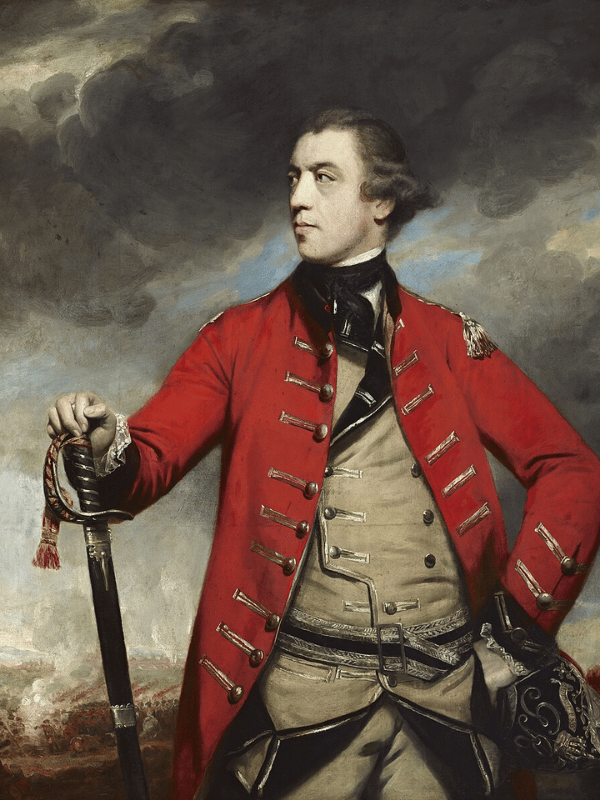

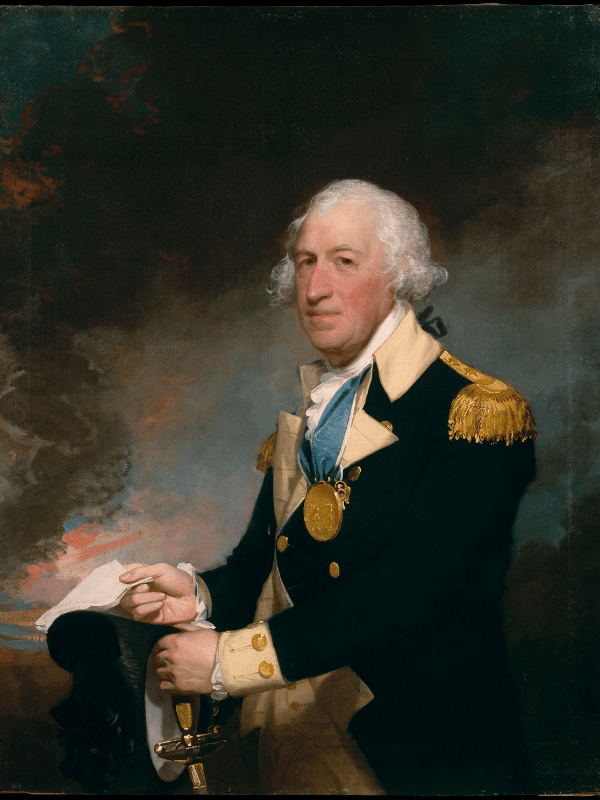
The Southern Campaign and War of Attrition
1778 – 1781 AD
The military stalemate in the northern colonies forced a major shift in British strategy, prompting the ministry to launch an aggressive offensive across the American south. Operating under the plan that the southern provinces contained a massive population of hidden loyalists, the British command aimed to capture the wealthy tobacco and rice plantations of Georgia and the Carolinas to systematically slice the rebellion in half.
This southern strategy opened with immediate success in December 1778, when a British expeditionary force captured Savannah, Georgia, before launching a massive amphibious assault that culminated in the Siege of Charleston, South Carolina, in May 1780. At this engagement, Lieutenant-General Henry Clinton trapped and forced the unconditional surrender of a five-thousand-man American garrison, capturing their entire artillery park and marking the largest American military defeat of the entire war.
Following this victory, command of the southern theater was handed to Lieutenant-General Charles Cornwallis, the 2nd Earl Cornwallis, who was tasked with pacifying the interior backcountry. The Earl Cornwallis scored a crushing victory on 16 August 1780 at the Battle of Camden, completely routing an American army under General Horatio Gates and clearing the path for an invasion of North Carolina. However, this British momentum rapidly dissolved into a brutal, high-attrition guerrilla war as local patriot militias launched relentless hit-and-run raids against British supply lines.
The British auxiliary forces suffered a catastrophic check in October 1780 at the Battle of Kings Mountain, where an entire loyalist wing was annihilated, followed by a total tactical defeat on 17 January 1781 at the Battle of Cowpens, where a specialized British light division under Lieutenant-Colonel Banastre Tarleton was thoroughly routed by General Daniel Morgan.
Determined to crush the main American southern army under General Nathanael Greene, the Earl Cornwallis pursued the enemy across the Carolinas, culminating in the exceptionally bloody Battle of Guilford Court House on 15 March 1781. While the disciplined British infantry held their lines and technically retained possession of the field, the engagement was a pyrrhic victory that cost Cornwallis over five hundred veteran casualties—amounting to nearly a quarter of his entire field army.
Left with a heavily depleted, starving force and facing continuous guerrilla pressure across the shires of North Carolina, the Earl abandoned his plans for southern pacification. He turned his remaining troops northward toward the coast of Virginia to establish contact with the Royal Navy, setting a direct and irreversible course for the upcoming trap at Yorktown.
---------------------------------------------------------------------------
The Battle of Camden (16 August 1780)
British Imperial and Provincial Forces
Primary Commander: Lieutenant-General Charles Cornwallis (Supreme Commander)
Secondary Commanders / Notable Officers: Lieutenant-Colonel Banastre Tarleton (Cavalry Commander); and Lord Rawdon
Total Forces: Approximately 2,100 professional soldiers (comprising elite British line infantry, the 33rd and 71st Regiments of Foot, the British Legion cavalry, and disciplined provincial Loyalist units, backed by 4 field artillery pieces)
Casualties: Light; 68 men killed on the field, 245 wounded, and 11 missing during the rapid frontal infantry bayonet charge.
American Continental and Militia Forces
Primary Commander: Major-General Horatio Gates (Supreme Commander)
Secondary Commanders / Notable Officers: Major-General Johann de Kalb (Vanguard Commander); and Brigadier-General Richard Caswell
Total Forces: Roughly 4,100 troops (comprising a core of 1,400 veteran Maryland and Delaware Continental regulars, backed by 2,700 untrained North Carolina and Virginia state militias, entirely lacking coordinated cavalry support)
Casualties: Catastrophic; an estimated 900 men killed or wounded on the field and over 1,000 captured or missing. The high-profile losses included the heroic vanguard commander Major-General Johann de Kalb, who died from eleven bayonet and bullet wounds, resulting in the total loss of the southern army's artillery train and baggage supply.
The Battle of Cowpens (17 January 1781)
British Imperial and Provincial Forces
Primary Commander: Lieutenant-Colonel Banastre Tarleton (Supreme Commander)
Secondary Commanders / Notable Officers: Major Newmarsh (Commanding the 7th Royal Fusiliers); and Captain Ogilvie
Total Forces: Exactly 1,150 regular soldiers (comprising the British Legion cavalry, the 7th Regiment of Foot, light infantry companies of the 16th Regiment of Foot, and a detachment of the 71st Highlanders, backed by 2 light grasshopper artillery pieces)
Casualties: Catastrophic and near-total annihilation; 110 men killed on the field, over 200 wounded, and exactly 712 captured or missing. The defeat resulted in the total destruction of Tarleton's elite light infantry and cavalry force, alongside the loss of both artillery pieces.
American Continental and Militia Forces
Primary Commander: Brigadier-General Daniel Morgan (Supreme Commander)
Secondary Commanders / Notable Officers: Lieutenant-Colonel William Washington (Cavalry Commander); and Lieutenant-Colonel John Eager Howard
Total Forces: Approximately 1,000 men (comprising a frontline tier of 300 veteran Maryland and Delaware Continental regulars, 700 experienced mountain riflemen and state militias from Virginia and the Carolinas, backed by 80 regular cavalrymen)
Casualties: Exceptionally light; 12 men killed on the field and 60 wounded during Morgan's highly tactical, multi-tiered defensive trap that outmaneuvered the British advance.
The Battle of Guilford Court House (15 March 1781)
British Imperial and German Forces
Primary Commander: Lieutenant-General Charles Cornwallis (Supreme Commander)
Secondary Commanders / Notable Officers: Brigadier-General Charles O'Hara (Guards Commander); and Lieutenant-Colonel Banastre Tarleton
Total Forces: Exactly 1,900 elite regular troops (comprising the Royal Welsh Fusiliers, the 33rd and 71st Regiments of Foot, the Guards Brigade, and heavy Hessian von Bose units, supported by 4 field artillery pieces)
Casualties: Severe and irreplaceable; 93 men killed on the field, 413 wounded, and 26 missing. Cornwallis sacrificed nearly a quarter of his entire combat force to secure a pyrrhic tactical victory, famously prompting British politicians to remark that another such victory would ruin the British Army.
American Continental and Militia Forces
Primary Commander: Major-General Nathanael Greene (Supreme Commander)
Secondary Commanders / Notable Officers: Colonel Otho Holland Williams; and Lieutenant-Colonel Henry Lee (Light-Horse Harry)
Total Forces: Approximately 4,400 to 4,500 regular troops and militia (comprising 1,400 seasoned Continental regulars from Maryland, Delaware, and Virginia, backed by 3,000 North Carolina and Virginia militia units deployed in three defensive lines)
Casualties: Moderate; 79 men killed on the field and 185 wounded, while over 1,000 militia troops dispersed to their homes following the structured withdrawal of Greene's main Continental columns.

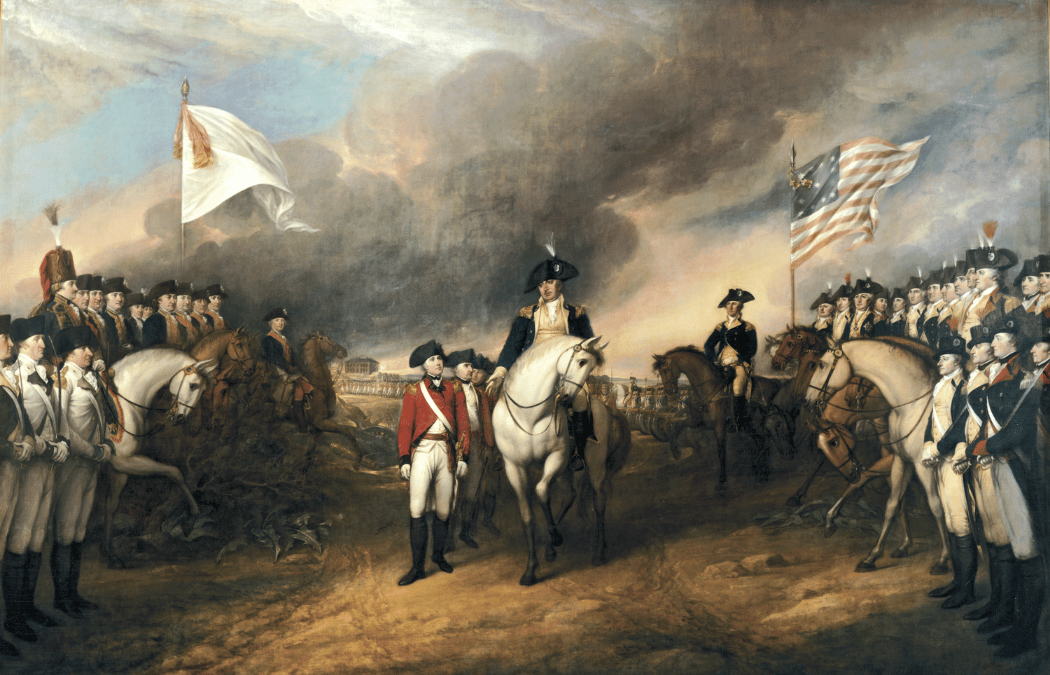
The Siege of Yorktown and the Treaty of Paris
1781 – 1783 AD
Additional Information: The First British Empire / The Treaty of Paris 1783 and the Pivot to the East
The late-war shift of offensive resources to the southern colonies in a desperate attempt to exploit loyalist sentiment left the British main field army vulnerable and isolated against the Virginia coast by the autumn of 1781. Lieutenant-General Charles Cornwallis, the Earl Cornwallis, had marched his heavily depleted army to the tobacco port of Yorktown to establish a deep-water naval supply station and fortify the deep-water harbor, unaware of a massive French naval deployment.
The strategic trap was sprung on 5 September 1781 when a French fleet of twenty-four ships-of-the-line under Admiral François Joseph Paul de Grasse defeated a British relief fleet under Admiral Thomas Graves at the naval Battle of the Chesapeake. Graves’s nineteen ships were severely mauled by French broadsides, forcing him to abandon the coast and sail back to New York for major repairs. This naval defeat established an airtight maritime blockade, completely cutting off all sea-based supply, reinforcing regiments, or evacuation routes for the British garrison.
Simultaneously, a combined Franco-American ground force of 17,600 professional soldiers under General George Washington and Jean-Baptiste Donatien de Vimeur, the 1st Comte de Rochambeau, marched south to encircle the unfortified town. They initiated the definitive Siege of Yorktown on 28 September 1781, constructing a dual network of parallel siege trenches that advanced methodically toward the British earthworks.
The situation turned critical on the night of 14 October 1781, when a coordinated allied bayonet assault successfully stormed the key British defensive outposts, Redoubt Number 9 and Redoubt Number 10, allowing the allied gunners to move their heavy artillery pieces within point-blank range of the inner town. Following weeks of a relentless artillery bombardment from over one hundred heavy siege cannons that shattered the defenses and killed hundreds of soldiers inside the crumbling redoubts, a desperate British attempt to flee across the York River to Gloucester Point was ruined by a sudden midnight squall. Run completely out of ammunition and food, the Earl Cornwallis was forced into an unconditional surrender of his entire army of 7,241 soldiers and 840 sailors on 19 October 1781, his troops marching out to lay down their weapons while their military band played the traditional melody The World Turned Upside Down. This logistical disaster broke the political will of the ruling class in London, sparked anti-war riots in Parliament, and caused the immediate collapse of Frederick North, the 2nd Earl of Guilford's long-standing administration.
Whilst the Royal Navy managed to reassert its maritime dominance in the Caribbean on 12 April 1782 by defeating the French fleet under the Count de Grasse at the Battle of the Saintes, the British treasury could no longer financially justify the staggering cost of protracted land campaigns across a hostile continent, as the national debt spiked to over £240,000,000.
The multi-continental conflict was brought to an official close on 3 September 1783 through the signing of the Treaty of Paris, a definitive settlement that represented a severe contraction of British territorial power. Under its sweeping terms, negotiated by Richard Oswald on behalf of the British crown and signed at the Hotel d'York by American commissioners including Benjamin Franklin and John Jay, Great Britain formally recognized the independent sovereignty of the United States of America. The ministry yielded all imperial territory from the Atlantic coast westward to the Mississippi River, whilst ceding Florida and Minorca back to Spain and Tobago and Senegal to France under the parallel Treaties of Versailles, closing the first chapter of the British Empire.
The Gordon Riots and Social Volatility
1780 AD
The intense military strains of the American War of Independence forced the British government to pass the Papists Act 1778, a legislative move that eased historic restrictions on Roman Catholics to actively bolster recruitment numbers for a depleted British military.
However, this compromise triggered an explosive anti-Catholic panic across London's working-class parishes, unleashing a wave of popular hysteria that culminated in June 1780 during the single most destructive civil disturbance in the history of the capital.
The unrest began on 2 June 1780 when Lord George Gordon led an estimated 50,000 protestors to the doors of Parliament to demand the act's immediate repeal, a demonstration that rapidly devolved into a total breakdown of social order as violent mobs attacked politicians and torched Catholic chapels.
By mid-week, the rioting transformed into a wider class war that targeted the symbols of establishment power, with armed mobs looting and burning the townhouses of the ruling elite and storming major prisons like Newgate to liberate hundreds of inmates who immediately joined the widening destruction.
The crisis reached its pinnacle when rioters launched a targeted assault to seize the gold reserves at the Bank of England, forcing military detachments to open fire directly into the crowds to secure the nation's finances.
With local magistrates completely paralyzed by fear, King George III bypassed civil authorities by enforcing martial law, deploying over 10,000 regular soldiers to sweep the burning streets and shoot over three hundred rioters dead to forcibly restore order across the capital.
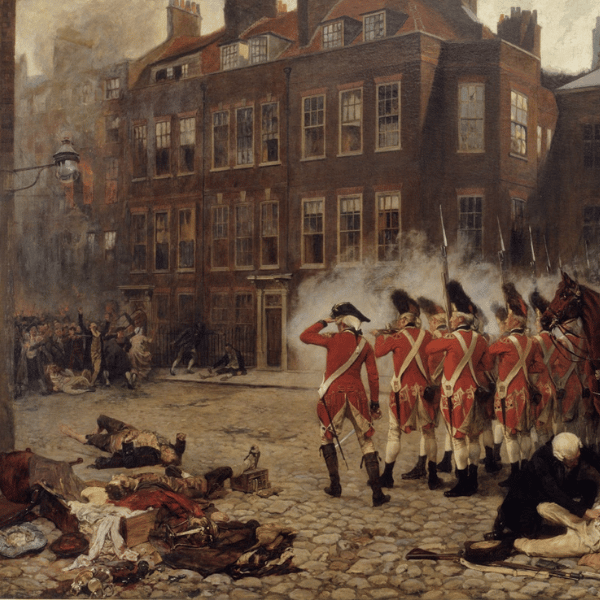
Botany Bay and the Colonisation of Australia
1787 - 1790 AD
Additional Information: The Second British Empire / The Botany Bay Expedition and Colonisation of Australia
The loss of the American colonies in 1783 triggered a severe penal crisis across Great Britain, abruptly halting the multi-decade system of convict transportation across the Atlantic and causing provincial gaols to instantly overflow with inmates. To manage this public safety emergency, authorities were forced to house prisoners in disease-ridden, decommissioned warships known as hulks moored along the River Thames, a temporary measure that prompted Home Secretary Lord Sydney to authorize an unprecedented maritime project to colonize the eastern coast of Australia.
Under the command of Governor Arthur Phillip, the First Fleet departed Portsmouth in May 1787, assembling a convoy of eleven ships that successfully transported roughly 775 convicts and over 200 Royal Marine guards across 15,000 miles of open ocean to establish a remote strategic beachhead.
Arriving in January 1788, Phillip rejected the initial landing site of Botany Bay due to poor soil and an inadequate water supply, moving the fleet further north to establish the foundational penal settlement of the Pacific at Sydney Cove on 26 January 1788. The early years of the colony were defined by a desperate struggle against starvation as unfamiliar European seeds failed to germinate in the harsh soil, forcing Phillip to implement draconian rationing and aggressively push farming operations inland to the more fertile lands of Parramatta.
This permanent British arrival severely disrupted the indigenous Eora Nation, as European livestock fouled traditional fishing waters, while a catastrophic smallpox epidemic in 1789 decimated the native population and sparked the opening phases of a protracted, violent frontier resistance. The colony's survival was finally secured in June 1790 with the arrival of the Second Fleet, which delivered vital provisions and fresh troops.
---------------------------------------------------------------------------
13 May 1787: The First Fleet Sails
Governor Arthur Phillip departed Portsmouth commanding a convoy of eleven ships packed with 775 convicts and 645 sailors and marines, launching the state's strategic alternative to American penal transportation.
18 January 1788: The Botany Bay Arrival
The First Fleet dropped anchor in Botany Bay after a grueling eight-month journey, but Phillip rapidly rejected the site due to poor soil quality and a complete lack of fresh water.
26 January 1788: The Port Jackson Landing
Phillip relocated the fleet to Port Jackson, stepping ashore at Sydney Cove to hoist the Union Flag and officially declare the birth of the penal colony of New South Wales.
December 1792: The First Free Settlers arrive
The arrival of the transport ship Bellona landed the first civilian families, initiating a transition away from a pure military prison network and straight toward an agricultural colony.
1804: The Castle Hill Rebellion
A violent uprising of over three hundred Irish convicts, led by Philip Cunningham, was ruthlessly crushed by the New South Wales Corps under Major George Johnston, resulting in fifteen rebel executions.
26 January 1808: The Rum Rebellion
Major George Johnston and the New South Wales Corps launched a military coup to depose the Governor, Captain William Bligh, over strict crackdowns on the corporate monopoly of rum trafficking, placing the colony under military junta rule for two years.

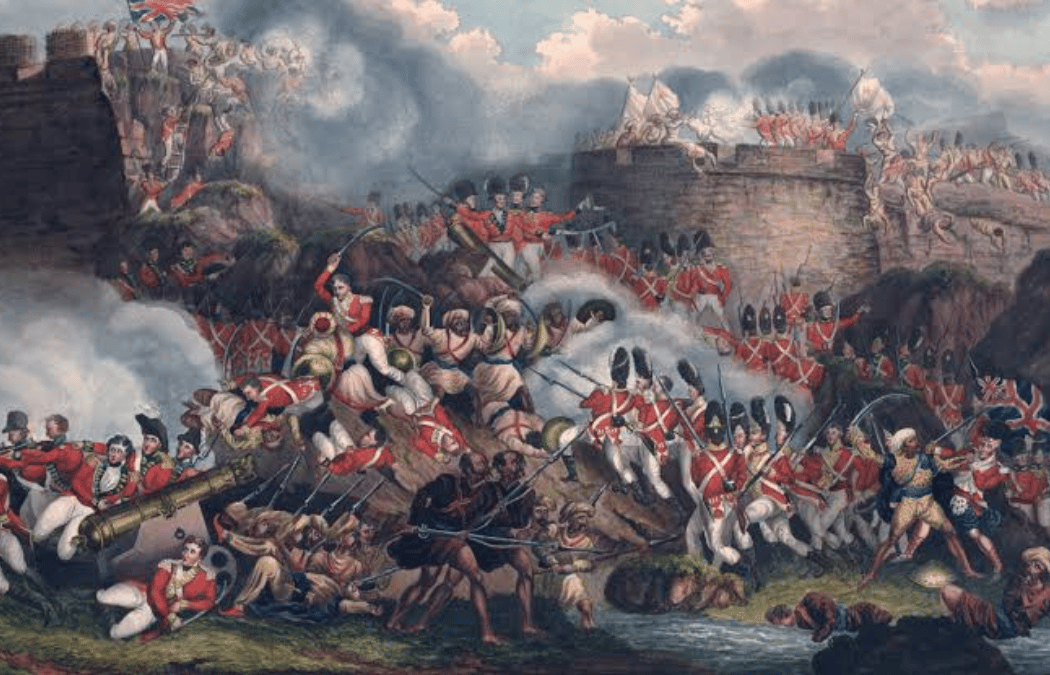
The Fall of Seringapatam and the Destruction of Mysore
1790 – 1799 AD
The fragile truce in southern India collapsed completely during the final decade of the eighteenth century, as the corporate state abandoned its defensive policies in favor of total military subjugation. The Third Anglo-Mysore War broke out when Tipu Sultan, known as the Tiger of Mysore, launched a massive military invasion against the lines of the British-aligned Kingdom of Travancore in December 1789.
Charles Cornwallis, the 1st Marquess Cornwallis, who served as Governor-General, took personal command of a massive allied coalition army of British regular infantry, Nizam of Hyderabad cavalry, and Maratha forces. He breached the mountain passes of the Eastern Ghats, captured Bangalore in March 1791, and marched directly down the valley to lay siege to the island fortress of Seringapatam in February 1792. Trapped inside his stone walls and facing total starvation, Tipu Sultan was forced to sign the humiliating Treaty of Seringapatam on 23 February 1792. Under its strict terms, the Sultan ceded half of his kingdom to the East India Company and its allies, paid an enormous indemnity of thirty-three million rupees, and surrendered two of his young sons, Prince Abdul Khaliq and Prince Muiz-ud-Din, as royal hostages to ensure full payment.
The peace proved to be a brief intermission. Driven by explicit intelligence that Tipu Sultan had dispatched envoys to the French governor of Mauritius and was actively negotiating a secret military alliance with Napoleon Bonaparte to bring French revolutionary troops to India, the newly seated Governor-General, Richard Wellesley, the 1st Marquess Wellesley, launched a high-velocity preemptive invasion in February 1799 to destroy the Mysorean state for good.
The Fourth Anglo-Mysore War reached its military climax on 4 May 1799 with the final storming of Seringapatam. An allied company force of fifty thousand troops under the supreme administrative command of Lieutenant-General George Harris, with a main assault division under the tactical command of Major-General David Baird, launched a dramatic midday assault across the shallow, rocky bed of the Cauvery River. The time was chosen precisely at 13:00 when the Mysorean defenders routinely took their afternoon rest.
The allied storming columns rushed across the open river channel under a blistering fire, using scaling ladders to breach the northern ramparts after a continuous, three-day artillery bombardment had smashed a wide gap in the stone curtain wall. Tipu Sultan was shot dead in a crowded gateway breach while defending his palace gates on foot, his body later discovered under a heap of fallen soldiers stripped of his royal jewels. The fall of the fortress allowed the British troops to completely plunder the royal treasury, securing millions of pounds in silver bullion, golden thrones, and the Sultan's legendary mechanical tiger organ.
This comprehensive triumph allowed the Marquess Wellesley to annex the lucrative Malabar Coast, place a British resident inside the court, and install a submissive puppet maharaja, the five-year-old Krishnaraja Wadiyar III, over the remaining partitioned territory, permanently securing complete British dominance over southern India.
---------------------------------------------------------------------------
The Battle of Seedaseer (6 March 1799)
British Imperial and Bombay Sepoy Forces
Primary Commander: Major-General James Stuart (Supreme Commander)
Secondary Commanders / Notable Officers: Lieutenant-Colonel Montresor (Vanguard Commander); and Colonel Hartley
Total Forces: Approximately 2,000 regular troops in the exposed vanguard detachment (comprising three battalions of Bombay native sepoys, heavily reinforced later by Stuart’s main column of 4,000 men from the 74th Highlanders and regular line infantry)
Casualties: Light; 29 men killed on the field and 114 wounded or missing during the multi-hour defensive stand in dense jungle terrain.
Kingdom of Mysore Forces
Primary Commander: Tipu Sultan (Supreme Authority)
Secondary Commanders / Notable Chieftains: Mir Kamr-ud-Din (Cavalry Commander)
Total Forces: Roughly 11,000 elite infantrymen and irregular rocket troopers (deployed in three heavy columns to launch a surprise ambush against the isolated British vanguard)
Casualties: Severe; an estimated 1,500 combatants killed or wounded before Tipu Sultan ordered a full retreat toward Periapatam, failing to break the British flanking column before it could unite with the main army.
The Battle of Malavelly (27 March 1799)
British Imperial, Madras Sepoy, and Nizam Forces
Primary Commander: Lieutenant-General George Harris (Supreme Commander)
Secondary Commanders / Notable Officers: Major-General David Baird; Major-General Floyd (Cavalry Commander); and Colonel Arthur Wellesley (Commanding the Nizam’s Division)
Total Forces: Approximately 35,000 massed soldiers (comprising elite European infantry from the 33rd and 74th Regiments of Foot, disciplined Madras native sepoys, and 15,000 allied troops provided by the Nizam of Hyderabad, backed by 60 field artillery pieces)
Casualties: Exceptionally light; 7 men killed on the field and 59 wounded during the brief frontline engagement.
Kingdom of Mysore Forces
Primary Commander: Tipu Sultan (Supreme Commander)
Secondary Commanders / Notable Chieftains: Poorniah (Grand Vizier / Field Officer)
Total Forces: Roughly 20,000 to 25,000 disciplined troops (comprising regular Mysorean infantry, heavy cavalry divisions, and specialized iron-cased rocket artillery corps stationed along a ridge line)
Casualties: Heavy; an estimated 1,000 to 1,500 combatants killed or wounded on the field, with the central infantry blocks shattered by a bayonet charge from Arthur Wellesley's 33rd Regiment and systematically cut down by Floyd's pursuing light dragoons.
The Siege and Storming of Seringapatam (17 April – 4 May 1799)
British Imperial, Indian, and Allied Forces
Primary Commander: Lieutenant-General George Harris (Supreme Commander)
Secondary Commanders / Notable Officers: Major-General David Baird (Assault Storm-Party Commander); Colonel Arthur Wellesley; and Major Alexander Beatson (Chief Engineer)
Total Forces: Exactly 4,376 men selected for the direct storm-party columns (comprising 2,494 European infantrymen and 1,882 native sepoys, backed by a massive siege train of heavy 24-pounder battering guns and bombard mortars)
Casualties: Moderate during the final breach assault; 389 men killed on the field, 1,171 wounded, and 31 missing across the entire concluding operation.
Kingdom of Mysore Forces
Primary Commander: Tipu Sultan (The "Tiger of Mysore")
Secondary Commanders / Notable Chieftains: Mir Sadiq (Fortress Governor); and Syed Sahib
Total Forces: Roughly 21,800 garrisoned soldiers and palace guards (entrenched behind massive, twin-walled stone ramparts, bastions, and deep wet ditches surrounding the island fortress, armed with 290 heavy iron cannons)
Casualties: Catastrophic and definitive; over 6,000 defending combatants slaughtered inside the fortress or drowned in the Kaveri River during the post-breach assault. The high-profile casualties included Tipu Sultan himself, who was shot and bayoneted to death by an unnamed British soldier in a congested gateway, completely destroying the independent state of Mysore and resulting in the direct plunder of the royal treasury.
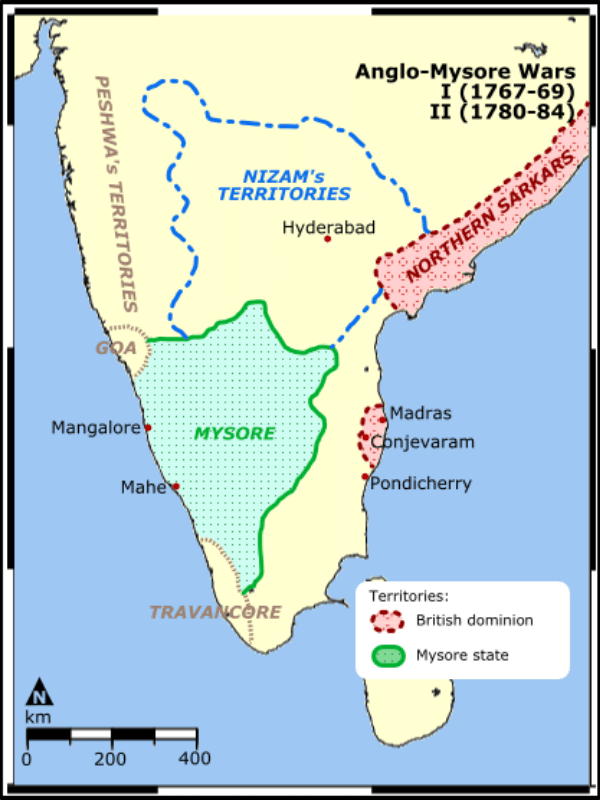
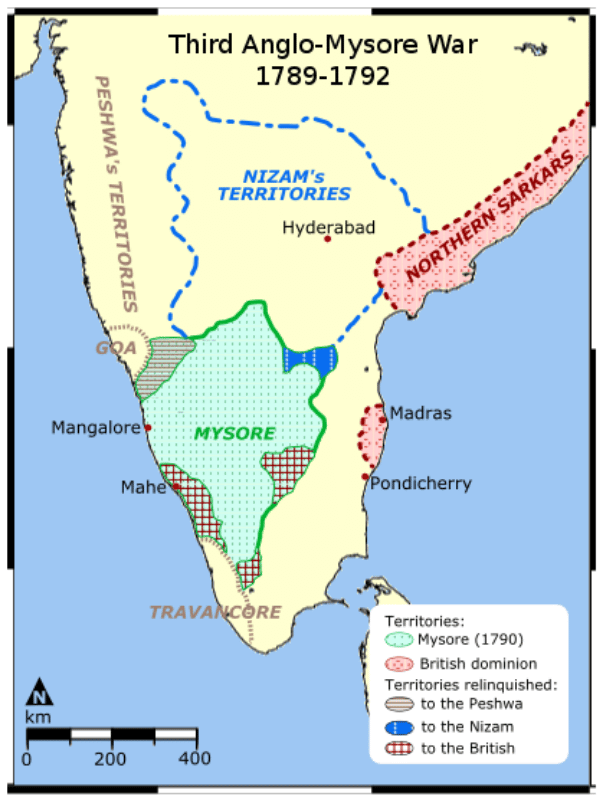
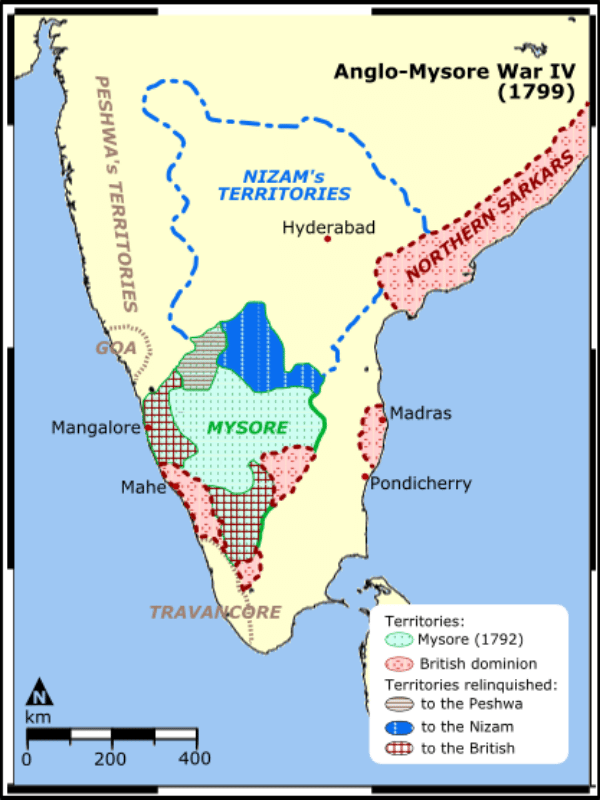
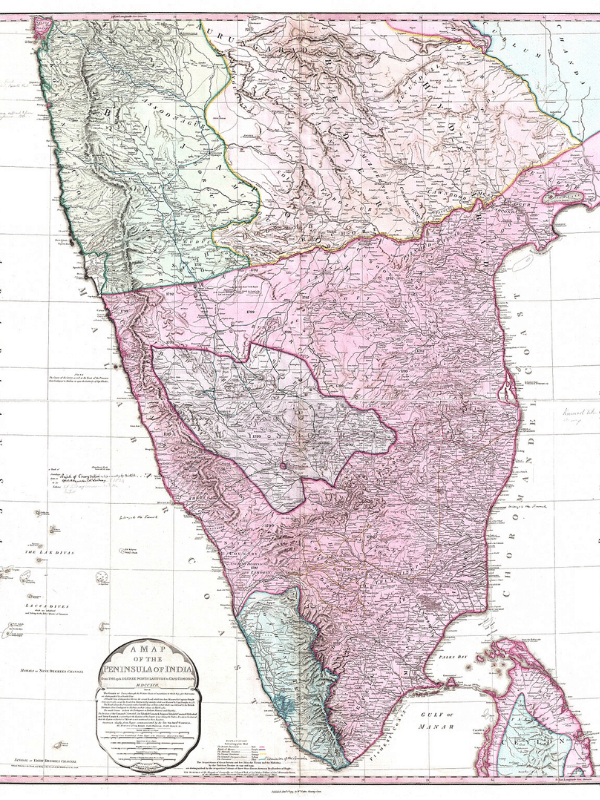
The Irish Rebellion of 1798 and the Act of Union
1798 - 1800 AD
The long-standing tensions of the late eighteenth century reached yet another explosive crisis on the Irish frontier when in May 1798 a radical coalition known as the Society of United Irishmen launched a synchronized war of national independence. Founded in 1791 and led by the charismatic Protestant lawyer Theobald Wolfe Tone, the society was deeply influenced by the radical democratic ideals of the American and French revolutions. The rebels aimed to bridge sectarian divides by uniting the Presbyterian minority with the majority Catholic population to permanently break away from the British Crown. Their primary goal was to establish an independent republic backed by French invasion armies, creating a severe threat that endangered the western flank of the country.
The rebellion began on 23 May 1798 when activists disrupted the mail coaches out of Dublin to signal a general rising. However, the campaign was crippled early by Dublin Castle's espionage networks, which successfully arrested key regional leaders including Lord Edward FitzGerald, who was mortally shot during his capture. The conflict rapidly turned into a brutal, high-attrition struggle marked by guerrilla warfare and severe sectarian slaughters, most notably at Scullabogue Barn where rebel forces burned over one hundred loyalist prisoners alive.
The British army, under the supreme command of Charles Cornwallis, the Marquess Cornwallis, executed a swift counter-offensive alongside regular regiments and local loyalist militias. On 21 June 1798, royal forces cornered the main southern rebel stronghold at the Battle of Vinegar Hill in County Wexford. Utilizing a force of thirteen thousand regular troops, the 1st Marquess Cornwallis deployed heavy field artillery to smash the rebel camp, forcing a chaotic retreat that shattered the backbone of the rising.
A belated French expeditionary force of one thousand soldiers under General Humbert landed at Killala in August, scoring a brief victory at the Battle of Castlebar before being completely surrounded and captured by Cornwallis at Ballinamuck in September. Concurrently, the Royal Navy intercepted a secondary French reinforcement fleet off the coast of Donegal on 12 October 1798. They captured the French flagship Hoche with Wolfe Tone on board, permanently breaking the republican insurrection. Tone was tried for treason in Dublin and subsequently committed suicide in his prison cell on 19 November 1798 to avoid the shame of a public hanging.
Recognizing that the independent, Protestant-dominated Irish Parliament in College Green was highly vulnerable to foreign infiltration and domestic revolt, Prime Minister William Pitt the Younger decided to execute a permanent change to the constitutional layout of the empire. Working in close administrative tandem with Robert Stewart, the Viscount Castlereagh, Pitt masterminded a legislative campaign to merge the two nations. He deployed massive financial bribes, allocating over £1,250,000 in official compensation to buy out the owners of pocket boroughs. He paired this with the distribution of twenty-eight new peerage titles and lucrative government pensions to convince the Dublin parliamentarians to vote themselves out of existence.
This transaction resulted in the passage of the Act of Union 1800. On 1 January 1801, the political borders between the two islands were legally erased, dissolving the Kingdom of Ireland and merging the realms into a singular superpower under the official name: the United Kingdom of Great Britain and Ireland.
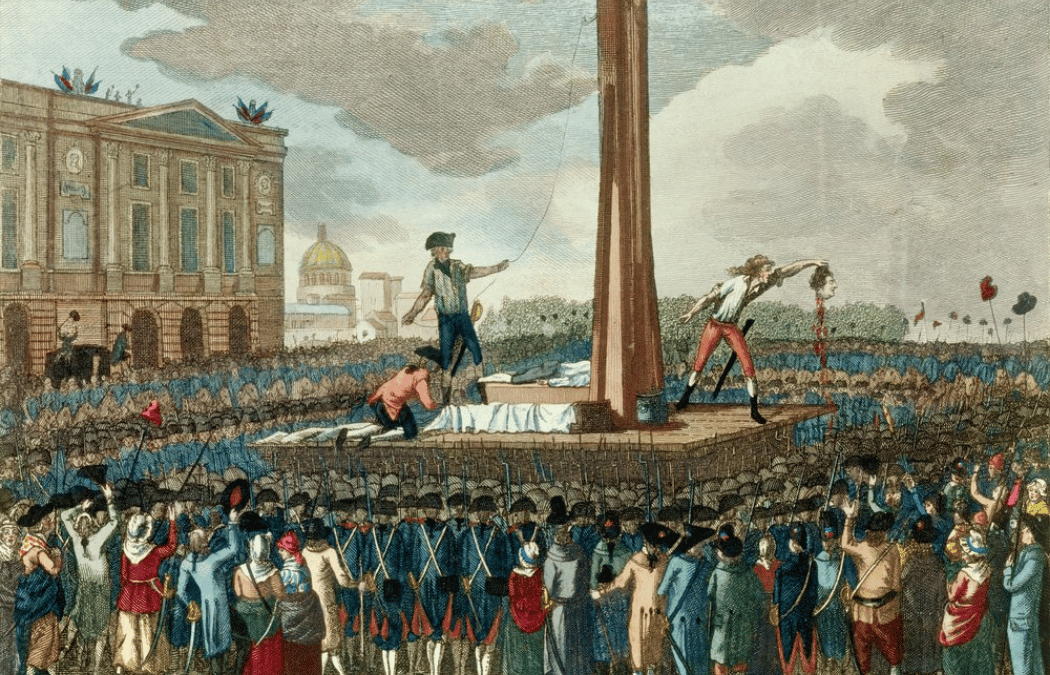

The French Revolutionary Wars
1793 - 1802 AD
Additional Information: The Second British Empire / French Revolutionary Wars
The fall of the Bastille in July 1789 and the rapid dismantling of the Bourbon monarchy triggered deep ideological alarm inside the British political elite, which transformed into direct geopolitical confrontation following the public execution of King Louis XVI via the guillotine on 21 January 1793. The subsequent French declaration of war on 1 February 1793 plunged Great Britain into more than two decades of near-continuous, multi-continental warfare. This unprecedented escalation pushed the British military and financial systems to their furthest logistical limits during the early campaigns of the First Coalition.
Seeking to protect the lowlands of Flanders and eliminate French privateer bases, a British expeditionary force of thirty thousand men under Prince Frederick, the 1st Duke of York and Albany, was dispatched to join allied Austrian and Prussian forces. The campaign developed into a total logistical failure due to poor coordination, outdated tactics, and a lack of cold-weather provisions. Following a severe tactical check at the Battle of Hondschoote and the defeat at Tourcoing, the Duke of York's forces were driven back into a catastrophic winter retreat through the frozen plains of the Netherlands in 1795. This forced retreat resulted in over six thousand British deaths from starvation, frostbite, and disease, causing the complete collapse of the Dutch Republic and forcing Prussia to sign the separate Peace of Basel.
To compensate for these deep vulnerabilities on land and counter the threat of the newly formed French client states, Prime Minister William Pitt the Younger re-engineered the domestic war economy. He broke with centuries of fiscal tradition by introducing the first national income tax under the Income Tax Act 1799, forcing citizens earning over £60 per year to pay a sliding fee up to a maximum ten percent levy on incomes over £200. This tax was designed explicitly to fund the massive expansion of domestic armed forces, recruit militia volunteers, and bankroll a succession of multi-national coalitions through heavy financial subsidies, paying £2,500,000 annually to Austria and Russia to keep their armies fighting on the European landmass.
The strategic layout of this global deployment split the British military apparatus into highly specialized maritime and colonial vectors. While British field armies focused on capturing lucrative sugar territories in the French West Indies—such as Saint-Domingue, Guadeloupe, and Martinique—to deny revenue to Paris, the campaigns suffered severe losses. Over forty thousand British soldiers died from yellow fever epidemics in the Caribbean trenches, crippling the regular army command. However, the Royal Navy successfully secured total command of the sea lanes through decisive fleet actions. Admiral Richard Howe, the 1st Earl Howe, shattered the French Atlantic fleet on 1 June 1794 at the Battle of the Glorious First of June, capturing six French ships-of-the-line during a vital grain convoy interception.
This maritime dominance was reinforced in October 1797 at the Battle of Camperdown, where Admiral Adam Duncan, the 1st Viscount Duncan, destroyed the French-aligned Dutch fleet, capturing eleven capital ships and neutralizing the threat of a North Sea invasion. This success allowed Rear-Admiral Horatio Nelson to thoroughly destroy Napoleon Bonaparte’s Mediterranean fleet at the Battle of the Nile on 1 August 1798, trapped at anchor in Aboukir Bay. Nelson executed a daring maneuver by sailing his ships between the French line and the shallows, destroying or capturing eleven out of thirteen French capital ships and marooning the French expeditionary army in Egypt. These maritime triumphs successfully protected the British home islands from a cross-Channel invasion and insulated international commerce from enemy privateer networks.
Despite widespread dominance over the global seas, the complete exhaustion of continental allies—culminating in Austria’s defeat at Marengo and the signing of the Treaty of Lunéville—forced a brief, fragile cessation of hostilities under the Treaty of Amiens in March 1802. Negotiated by Charles Cornwallis on behalf of the British crown, this international settlement required Britain to restore most of its maritime colonial conquests, including Minorca, Malta, and the Cape Colony, while retaining ownership of Ceylon and Trinidad.
This short-lived peace collapsed within fourteen months due to Napoleon's refusal to withdraw his troops from Switzerland and northern Italy. The collapse forced the country back into a defensive posture as the French regime began massing a massive invasion force along the Channel coast, setting the stage for a definitive naval confrontation that would decide the strategic balance of power for the next century.
---------------------------------------------------------------------------
The timeline of events that transformed France into a military dictatorship:
20 June 1791: The Flight to Varennes
King Louis XVI and Queen Marie Antoinette attempted a midnight escape from Paris in a disguise to rally royalist forces, but were recognized and arrested at Varennes, permanently shattering public trust in the monarchy.
20 April 1792: The Outbreak of War
The French Legislative Assembly formally declared war on Austria, rapidly drawing Prussia into the conflict and initiating the French Revolutionary Wars as European crowns sought to crush the anti-monarchical uprising.
10 August 1792: The Storming of the Tuileries
An armed mob of radical citizens and national guardsmen stormed the royal palace in Paris, slaughtering the Swiss Guards and forcing the assembly to officially suspend the King from his duties.
21 September 1792: The Birth of the Republic
The newly elected National Convention formally abolished the ancient French monarchy, declaring the birth of the First French Republic.
21 January 1793: The Execution of King Louis XVI
Convicted of high treason against the state, Louis XVI was publicly executed via the guillotine at the Place de la Révolution in Paris, an event that directly prompted Great Britain to enter the war.
1 February 1793: The British Entry
The French National Convention issued a formal declaration of war against Great Britain and the Dutch Republic, expanding the conflict into a multi-continental maritime struggle.
September 1793: The Rise of the Committee of Public Safety
A radical, twelve-man executive tribunal led by Maximilien Robespierre seized control of the state, initiating the Reign of Terror and using mass guillotining to eliminate political rivals and enforce military conscription.
16 October 1793: The Execution of Queen Marie Antoinette
Following a brief trial before the Revolutionary Tribunal where she was convicted of high treason, the former Queen was publicly guillotined in Paris.
July 1794: The Fall of the Jacobins
The Thermidorian Reaction overthrew the radical regime, sending Maximilien Robespierre straight to the guillotine and dismantling the Committee of Public Safety to end the Reign of Terror
.November 1795: The Establishment of the Directory
A new moderate constitution established the French Directory, an executive government ruled by a committee of five civilian directors who relied heavily on professional generals to suppress internal uprisings and maintain the war effort.
1796 – 1797: The Rise of the Military Generals
The Directory's reliance on the army allowed ambitious commanders to act independently, most notably General Napoleon Bonaparte, whose brilliant Italian campaign smashed the Austrian armies and forced the Treaty of Campo Formio without civilian oversight.
9 November 1799: The Coup of 18 Brumaire
General Napoleon Bonaparte returned from his campaign in Egypt to launch a coordinated military coup, successfully overthrowing the corrupt Directory and establishing the French Consulate.
December 1799: The Absolute Rule of Napoleon
Formally appointed as First Consul under the new constitution, Napoleon concentrated all executive and military power into his own hands, bringing a definitive end to the French Revolution and paving the way for the creation of the French Empire.

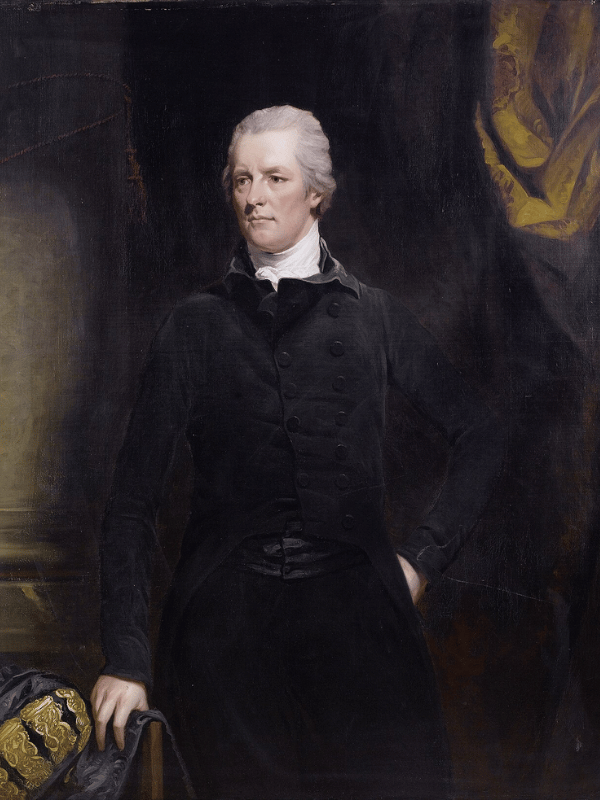
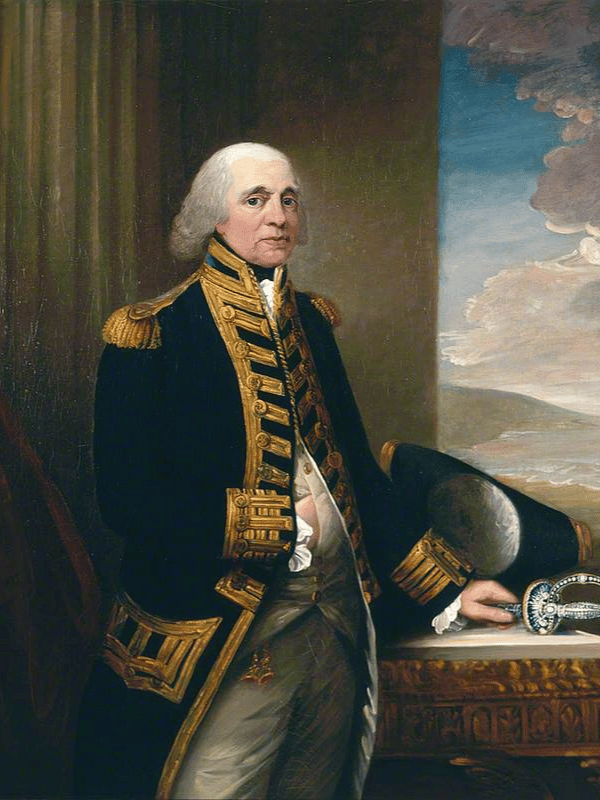
The Second Anglo-Maratha War and Battle of Assaye
1803 – 1805 AD
The fragile truce established in central India collapsed into a massive, multi-theater war in August 1803 due to escalating rivalries within the Maratha confederacy. The conflict erupted when the Peshwa, Baji Rao II, was decisively defeated at the Battle of Poona by a rival chieftain, Yashwant Rao Holkar, and fled to British protection, signing the Treaty of Bassein in December 1802.
By accepting this treaty, the Peshwa surrendered his independent foreign policy in exchange for six battalions of East India Company infantry, a move that deeply insulted the sovereign pride of the remaining Maratha rulers. Richard Wellesley, the 1st Marquess Wellesley, who served as Governor-General, aggressively used this internal fracturing to launch a coordinated offensive designed to permanently break the independent power of the Scindia and Bhonsle dynasties.
The resulting campaign in central India achieved its definitive military milestone on 23 September 1803 at the Battle of Assaye. Wellesley led a heavily outnumbered allied force of 9,500 British and Sepoy troops, comprising elite infantry from the 74th Regiment of Foot, the 78th Highlanders, and disciplined Madras native cavalry, to confront a massive fifty-thousand-strong Maratha army.
This hostile host, jointly deployed by Daulat Rao Scindia and Raghuji Bhonsle II, featured thirty thousand cavalry, ten thousand regular infantry trained by French mercenary officers like Anthony Pohlmann, and a formidable artillery corps of 102 heavy brass cannons positioned behind the steep banks of the Kaitna River. Wellesley relied on tactical audacity rather than numerical superiority, identifying an unguarded river ford between the villages of Peepulgaon and Waroor to execute a dangerous crossing, launching a surprise assault straight onto the enemy's exposed flank.
The engagement quickly transformed into a brutal, close-quarters slugfest as the Maratha gunners rapidly pivoted their heavy pieces with remarkable precision to meet the British advance. The disciplined British and Sepoy infantry lines charged directly into the blinding cannonade under a hail of grapeshot, using the socket bayonet to capture the guns while Major-General Wellesley had two horses shot dead from underneath him during the hand-to-hand melee. Lieutenant-Colonel Patrick Maxwell led his cavalry brigade, including the 19th Light Dragoons, in a decisive counter-charge to break the remaining Maratha infantry lines, though Maxwell was killed at the moment of triumph.
This charge secured a total tactical victory that Wellesley later cited as his finest battlefield achievement, though it cost the allied force 1,584 casualties, amounting to over a third of his infantry. Simultaneously, corporate forces operating on the northern front under General Gerard Lake, the 1st Baron Lake, scored victories at the Battle of Delhi and the Siege of Agra, shattering the French-trained brigades under General Louis Bourquin and capturing the ancient imperial capitals.
The string of military defeats thoroughly broke the Maratha resistance, forcing Daulat Rao Scindia to sign the Treaty of Surji-Anjangaon and Raghuji Bhonsle II to sign the Treaty of Deogaon in December 1803. Under the strict terms of these subsidiary alliances, the corporate state annexed vast, lucrative territories, including the strategic maritime province of Cuttack, the fertile lands of the Doab between the Ganges and Yamuna rivers, and the city of Delhi, placing the blind Mughal Emperor, Shah Alam II, under direct British guardianship.
This comprehensive triumph successfully drove French military influence out of the subcontinent, stripped the northern dynasties of their sovereign defense capabilities, and pushed the corporate frontier directly to the borders of central India.
---------------------------------------------------------------------------
The Battle of Assaye (23 September 1803)
British Imperial and East India Company Forces
Primary Commander: Major-General Arthur Wellesley (Supreme Commander)
Secondary Commanders / Notable Officers: Lieutenant-Colonel Maxwell (Cavalry Commander); and Captain Andrew Mackay
Total Forces: Approximately 4,500 disciplined soldiers (comprising roughly 1,200 European troops from the 74th Highlanders and 19th Light Dragoons, 2,300 Madras Native Infantry, and 1,000 regular cavalry, backed by 17 field artillery guns)
Casualties: Severe and disproportionate; 428 men killed on the field, 1,138 wounded, and 18 missing during the direct frontal infantry advance under a massed artillery crossfire.
Maratha Empire Forces
Primary Commander: Daulat Rao Scindia (Supreme Authority); and Raghuji Bhonsle II
Secondary Commanders / Notable Generals: Colonel Anthony Pohlmann (German Mercenary / Field Commander)
Total Forces: Roughly 40,000 massed regular and irregular troops (comprising 10,500 disciplined infantry trained by European officers, 30,000 light cavalry horsemen, backed by an unprecedented train of 100 modern brass artillery guns positioned between the Kaitna and Juah rivers)
Casualties: Heavy; an estimated 6,000 combatants killed or wounded on the field, resulting in the total capture of 98 artillery pieces and forcing a full tactical retreat after their central infantry blocks were broken by a bayonet charge from the 74th Highlanders.
The Battle of Laswari (1 November 1803)
British Imperial and Bengal Sepoy Forces
Primary Commander: General Gerard Lake (Supreme Commander)
Secondary Commanders / Notable Officers: Major-General Ware; and Colonel Macan
Total Forces: Approximately 8,000 regular soldiers (comprising three regiments of British light dragoons, five regiments of Bengal native cavalry, and a core column of Bengal Native Infantry)
Casualties: Moderate to heavy; 172 men killed on the field and 652 wounded during several hours of blind, chaotic cavalry charges and heavy infantry engagements against a fortified camp.
Maratha Empire Forces
Primary Commander: Daulat Rao Scindia (Supreme Authority)
Secondary Commanders / Notable Chieftains: General Ambaji Inglia (Field Commander)
Total Forces: Roughly 9,000 elite regular infantrymen and 5,000 cavalry (comprising the veteran, European-trained "Deccan Invincibles" brigades, deeply entrenched behind a ditch system, supported by 72 heavy artillery pieces)
Casualties: Catastrophic and definitive; over 2,000 men killed on the field and approximately 2,000 captured or missing. The near-total destruction of the Scindia regular infantry brigades resulted in the capture of their entire artillery train, baggage supply, and camp treasures, effectively breaking the Maratha military capability in northern India.

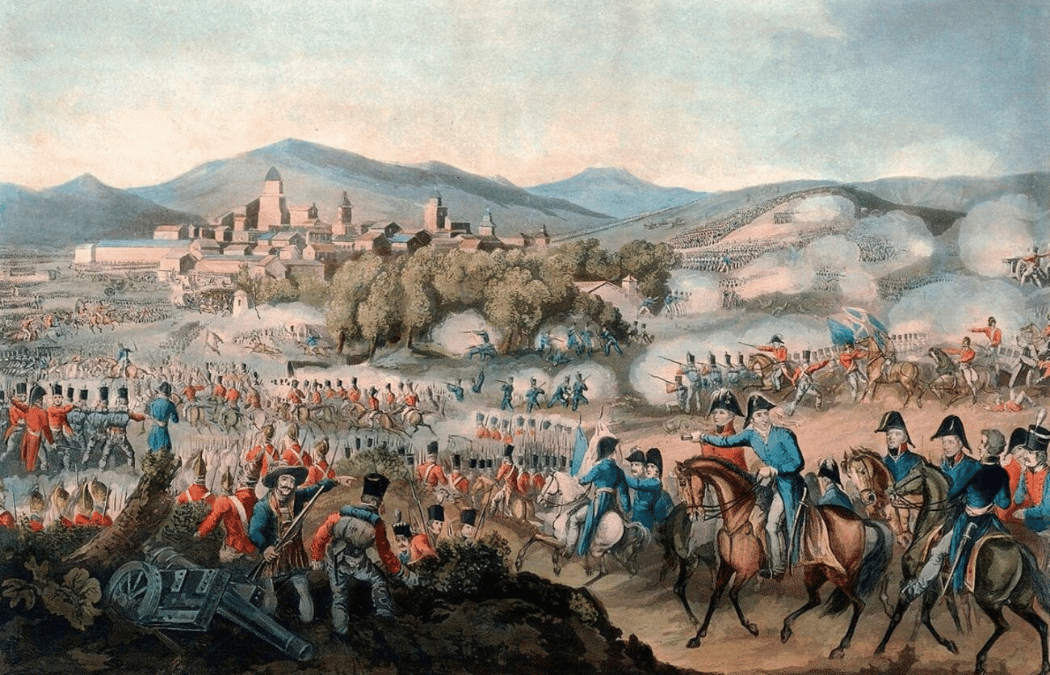
The Outbreak of the Napoleonic Wars
1803 – 1805 AD
The fragile peace established by the Treaty of Amiens dissolved on 18 May 1803, plunging Great Britain into a separate conflict, usually defined as the true beginning of the Napoleonic Wars. The collapse of the international truce was driven by deep British fury over Napoleon Bonaparte’s refusal to withdraw his regular infantry regiments from Holland, Switzerland, and Piedmont, combined with his flagrant violation of commercial agreements by banning all British manufactured goods from French-controlled ports.
When the Prime Minister, Henry Addington, the 1st Viscount Sidmouth, refused to evacuate the strategic Mediterranean island base of Malta to protest this continental expansion, Napoleon issued a furious diplomatic ultimatum that forced a formal declaration of war. This rupture transformed the strategic layout of Europe, shifting the conflict away from the idealistic defense of the old French monarchy and turning it straight into an existential war of attrition against an expanding French military empire.
The threat to the British home islands reached an immediate peak when Napoleon massed his massive grand army along the Channel coast, prompting the Westminster government to execute an unprecedented domestic defense mobilization. Parliament passed the Levy en Masse Act 1803, a sweeping statute that mandated the registration of all able-bodied men between the ages of seventeen and fifty-five for immediate military training.
This legislative extraction generated an immense defensive network, creating a volunteer militia force exceeding 380,000 men who drilled weekly with pikes and muskets to protect their local shires. To fortify the vulnerable southern coastlines from Kent to Sussex against the threat of a flat-bottomed boat invasion, chief engineers constructed a continuous defensive barrier consisting of seventy-four brick Martello towers, thick-walled circular fortresses armed with heavy rooftop cannons designed to sweep the beaches with grapeshot.
To permanently break this maritime encirclement and force a land-based diversion on the continent, William Pitt the Younger, who returned to the premiership in May 1804, deployed the full financial resources of the treasury to engineer the Third Coalition. Pitt worked in close administrative tandem with Robert Stewart, the Viscount Castlereagh, who served as Secretary of State for War and the Colonies, using millions of pounds in domestic tax revenues to bankroll international alliances.
In April 1805, Great Britain signed a formal military pact with Tsar Alexander I of Russia, rapidly drawing Austria and Sweden into the alliance through a massive subsidy framework that paid £1,250,000 annually for every one hundred thousand regular continental troops mobilized against France. This immense extraction of British capital succeeded in forcing Napoleon to abandon his invasion camp at Boulogne and march his columns toward the Danube River, altering the strategic architecture of the war and clearing the path for the Royal Navy to isolate the enemy fleets at sea.
---------------------------------------------------------------------------
The European Coalition Framework (1792 – 1815 AD)
War of the First Coalition (1792 – 1797)
Anti-French Belligerents: Great Britain, Austria, Prussia, Spain, the Dutch Republic, and the Kingdom of Sardinia.
French Republic Allies: The French Revolutionary government and various republican volunteer armies.
Trigger for the Conflict: Prompted by the radicalization of the French Revolution and the execution of King Louis XVI, which drove European crowns to launch a preemptive invasion to crush the anti-monarchical regime before it spread.
Resolution and Treaty Terms: French Victory. Concluded via the Treaty of Campo Formio in October 1797, which forced Austria to cede the Austrian Netherlands to France, recognize the newly created Cisalpine Republic in northern Italy, and secretly partition the territory of the Republic of Venice, leaving Great Britain completely isolated in its war against the French state.
War of the Second Coalition (1798 – 1802)
Anti-French Belligerents: Great Britain, the Russian Empire, the Ottoman Empire, Austria, Portugal, and the Kingdom of Naples.
French Republic Allies: The French Directory, Spain, and various newly established sister republics including the Batavian Republic.
Trigger for the Conflict: Sparked by Napoleon Bonaparte’s aggressive military expedition to Egypt to threaten British trade routes to India, alongside French territorial expansion across Switzerland and Italy.
Resolution and Treaty Terms: French Victory. Formalized on the continent through the Treaty of Lunéville in February 1801, confirming French control of the Left Bank of the Rhine and northern Italy. The broader conflict officially concluded through the Treaty of Amiens in March 1802, forcing Great Britain to restore its maritime colonial conquests—including Minorca and the Cape Colony—while retaining ownership of Ceylon and Trinidad, establishing a brief global peace.
War of the Third Coalition (1805)
Anti-French Belligerents: Great Britain, the Russian Empire, Austria, Sweden, and the Kingdom of Naples.
French Empire Allies: The newly declared French Empire under Napoleon I, Spain, Bavaria, and various German client states.
Trigger for the Conflict: Re-ignited by Napoleon’s coronation as Emperor, his subsequent annexation of Genoa, and his construction of a massive invasion armada along the English Channel, forcing Britain to finance a continental diversion.
Resolution and Treaty Terms: French Victory. Following the destruction of the allied armies at Ulm and Austerlitz, Austria was forced to sign the Treaty of Pressburg in December 1805. The terms mandated that Austria cede vast territories to French allies in Bavaria and Italy, pay an indemnity of forty million francs, and accept the dissolution of the Holy Roman Empire, while the battle of Trafalgar secured permanent British naval supremacy.
War of the Fourth Coalition (1806 – 1807)
Anti-French Belligerents: Kingdom of Prussia, the Russian Empire, Great Britain, Sweden, and the Electorate of Saxony.
French Empire Allies: The French Empire and the newly formed Confederation of the Rhine.
Trigger for the Conflict: Triggered by Prussia’s growing alarm over expanding French military influence in Germany following the dissolution of the Holy Roman Empire, prompting King Frederick William III to issue a unilateral ultimatum to Paris.
Resolution and Treaty Terms: French Victory. Concluded via the Treaties of Tilsit in July 1807, signed by Napoleon, Tsar Alexander I, and King Frederick William III on a raft in the Neman River. Prussia was stripped of half its territory to create the Kingdom of Westphalia and the Duchy of Warsaw, its army was restricted to forty-two thousand men, and Russia agreed to join the Continental System trade blockade against Great Britain.
War of the Fifth Coalition (1809)
Anti-French Belligerents: Austria, Great Britain, the Kingdom of Sardinia, and the Kingdom of Sicily.
French Empire Allies: The French Empire, the Confederation of the Rhine, and the Duchy of Warsaw.
Trigger for the Conflict: Launched by Austria in a desperate bid to reclaim its lost territories in Germany and Italy while Napoleon’s finest frontline veterans were pinned down in the high-attrition guerrilla war in Spain.
Resolution and Treaty Terms: French Victory. Following the bloody defeat at Wagram, Austria sued for peace and signed the Treaty of Schönbrunn in October 1809. Austria ceded its Adriatic ports—forming the French Illyrian Provinces—to cut off its access to the sea, lost over three million subjects, paid a heavy indemnity, reduced its regular army to 150,000 men, and was forced to join the Continental System against British trade.
War of the Sixth Coalition (1812 – 1814)
Anti-French Belligerents: The Russian Empire, Prussia, Austria, Great Britain, Sweden, Spain, and Portugal.
French Empire Allies: The French Empire and diminishing German client states.
Trigger for the Conflict: Activated by the total military annihilation of Napoleon's Grand Army during the disastrous winter invasion of Russia, creating a massive opportunity for the European powers to unite and push the French armies back across the Rhine.
Resolution and Treaty Terms: Allied Victory. Paris fell to the coalition forces in March 1814, forcing Napoleon’s abdication under the Treaty of Fontainebleau in April 1814, which exiled him to the island of Elba. The broader conflict concluded via the Treaty of Paris in May 1814, restoring the French borders to their 1792 limits, reinstating the Bourbon King Louis XVIII to the throne, and establishing the Congress of Vienna to re-draw the political boundaries of Europe.
War of the Seventh Coalition (1815)
Anti-French Belligerents: Great Britain, Prussia, Austria, the Russian Empire, Sweden, and the Netherlands.
French Empire Allies: The resurgent French imperial army loyal to Napoleon during the Hundred Days.
Trigger for the Conflict: Triggered by Napoleon's dramatic escape from his exile on the island of Elba and his rapid, triumphant march back to Paris to seize power, forcing the Congress of Vienna to instantly declare him an international outlaw and mobilize forces to Belgium.
Resolution and Treaty Terms: Allied Victory. The resurgent French army was entirely broken at the Battle of Waterloo on 18 June 1815, resulting in Napoleon's final surrender and permanent exile to the remote South Atlantic island of St Helena. The peace was sealed via the second Treaty of Paris in November 1815, which forced France to pay 700 million francs in war reparations, fund a 150,000-man allied army of occupation for up to five years, and return all plundered European artwork.
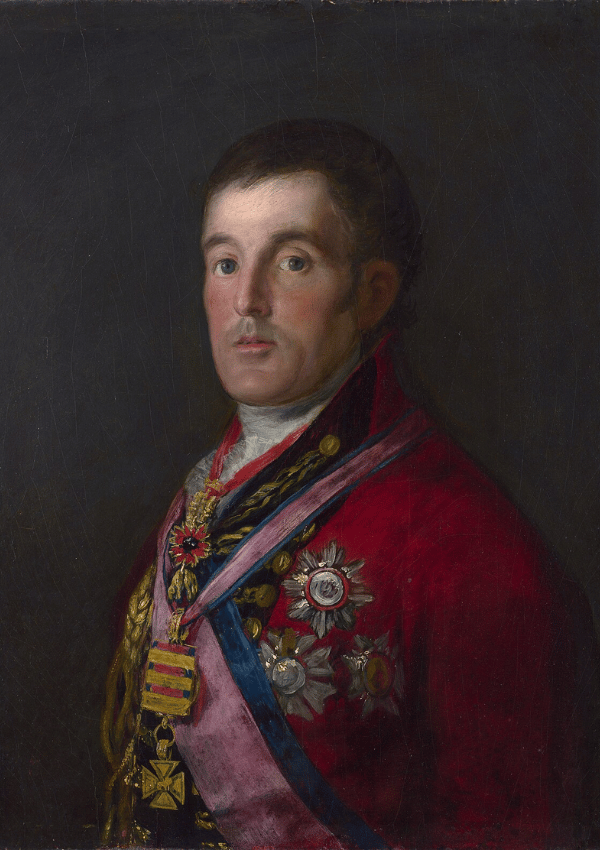

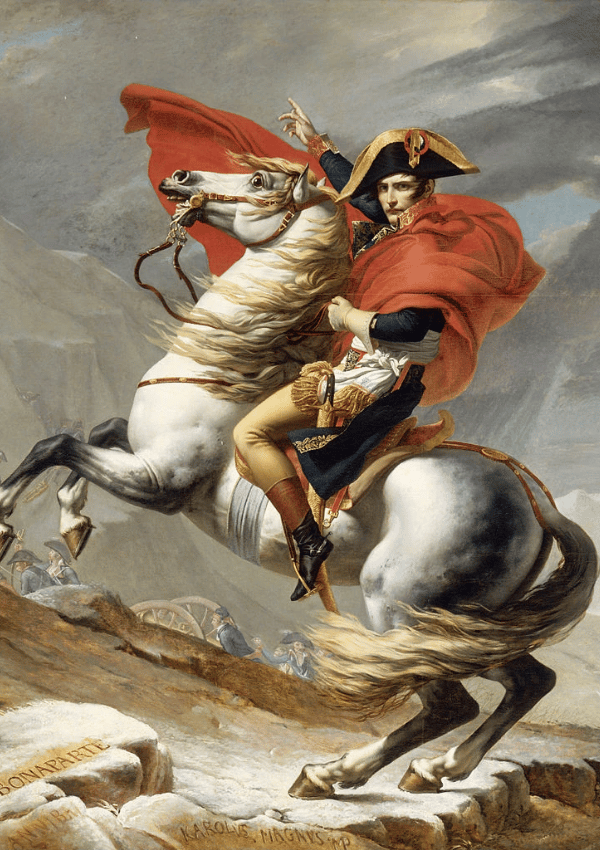
The War at Sea and the Battle of Trafalgar
1803 – 1805 AD
The collapse of the short-lived Peace of Amiens in May 1803 forced Great Britain back into an existential defensive posture, as Napoleon Bonaparte assembled a massive invasion force of over one hundred and fifty thousand soldiers along the cliffs of Boulogne. To secure the country against this imminent threat, the Admiralty implemented a grueling, multi-year maritime blockade of French and Spanish ports. This operation utilized defensive battle fleets under Admiral William Cornwallis to pin the enemy into their harbors and systematically exhaust their naval readiness.
This strategy successfully prevented the French and Spanish fleets from uniting to secure the cross-Channel corridor required to launch the invasion force. By keeping warships at sea for up to two years without entering port, British commanders like Admiral Collingwood perfected fleet discipline while the French crews decayed at anchor from scurvy and a total lack of sailing practice.
This strategy reached its definitive climax on 21 October 1805 off the southwest coast of Spain at the Battle of Trafalgar. Vice-Admiral Horatio Nelson, the 1st Viscount Nelson, commanding a fleet of twenty-seven British ships-of-the-line, intercepted a combined Franco-Spanish armada of thirty-three vessels under Admiral Pierre-Charles Villeneuve intent on breaking into the Mediterranean. Before the fleets collided, Nelson ordered his flagship to fly the legendary telegraphic signal: "England expects that every man will do his duty." Rather than deploying his fleet in a traditional parallel line of battle, Nelson executed a daring, unconventional tactical plan historically branded as the "Nelson Touch." He formed his ships into two perpendicular columns designed to pierce directly through the enemy's center and induce immediate tactical chaos.
The engagement turned into a fierce close-quarters melee that tested the superior gunnery and rapid reloading speeds of the British crews, who could fire a full broadside every ninety seconds compared to the five minutes required by their enemies. Leading the northern column aboard his flagship HMS Victory, Nelson deliberately drew the concentrated fire of the enemy vanguard to create an opening for his secondary line under Vice-Admiral Cuthbert Collingwood, the 1st Baron Collingwood, who successfully isolated and dismantled the allied rear aboard his flagship HMS Royal Sovereign.
Although Nelson was mortally wounded on the quarterdeck at 13:15 by a French marksman from the Redoutable, surviving long enough to learn of the complete victory, the British fleet captured or destroyed twenty-two enemy vessels without losing a single ship of their own. This triumph permanently broke French offensive naval capacity, eliminating the threat of a cross-Channel invasion for the remainder of the war and establishing a century of British maritime dominance.
---------------------------------------------------------------------------
The Battle of Trafalgar (21 October 1805)
British Royal Navy Forces
Primary Commander: Vice-Admiral Horatio Nelson (Supreme Commander)
Secondary Commanders / Notable Officers: Vice-Admiral Cuthbert Collingwood (Second-in-Command); Captain Thomas Hardy; and Captain Edward Berry
Total Forces: Exactly 27 ships of the line (comprising flagship HMS Victory, HMS Royal Sovereign, and HMS Temeraire, carrying approximately 17,000 regular sailors and Royal Marines, mounting a total of 2,148 naval guns)
Casualties: Moderate; 449 men killed on the field and 1,241 wounded, with zero British ships lost or captured. The high-profile casualties included the Supreme Commander Vice-Admiral Horatio Nelson himself, who was mortally wounded on the quarterdeck of HMS Victory by a French sharpshooter's musket ball.
Combined Franco-Spanish Fleet
Primary Commander: Vice-Admiral Pierre-Charles Villeneuve (Supreme Allied Commander)
Secondary Commanders / Notable Admirals: Admiral Federico Gravina (Supreme Spanish Commander); and Vice-Admiral Dumanoir le Pelley
Total Forces: Roughly 33 ships of the line (comprising 18 French and 15 Spanish vessels, including the massive four-deck flagship Santísima Trinidad and the Bucentaure, carrying approximately 26,000 crewmen, mounting a total of 2,626 naval guns)
Casualties: Catastrophic and definitive; an estimated 4,400 men killed on the field, 2,500 wounded, and approximately 7,000 captured. The total defeat resulted in the capture or destruction of 22 allied ships of the line, the direct capture of Vice-Admiral Villeneuve, and the permanent destruction of Napoleon's cross-Channel invasion capability.
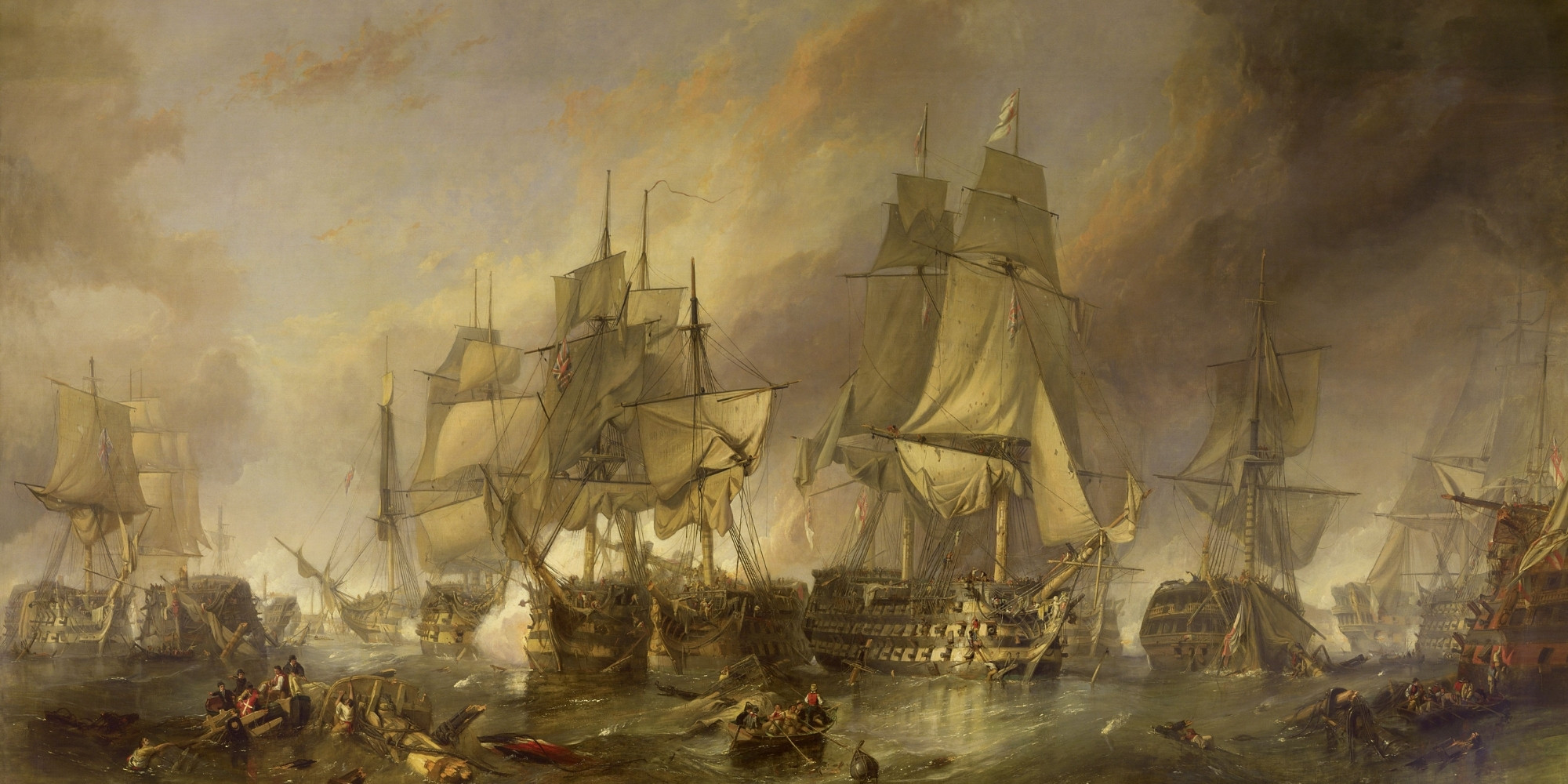
The Abolition of the Slave Trade and Social Reforms
1807 - 1833 AD
Additional Information: The Second British Empire / The Abolition of the Slave Trade
The early nineteenth century brought a massive ideological shift to the life of the United Kingdom, driven by a decades-long public pressure campaign to end the state's involvement in the transatlantic slave trade. Led by evangelical reformers like William Wilberforce and the brilliant archivist Thomas Clarkson, the abolitionists bypassed traditional parliamentary factions to pioneer modern political lobbying, mobilising the public through mass petitions, consumer boycotts, and targeted propaganda pamphlets that exposed the raw brutality of the Middle Passage, generating a groundswell of popular support.
This campaign achieved its first historic milestone in March 1807 when Parliament passed the Abolition of the Slave Trade Act, making it strictly illegal for any British captain or vessel to capture, buy, or transport enslaved African laborers. To enforce this law, the Admiralty deployed a dedicated Royal Navy squadron to the coast of West Africa, giving British warships the authority to hunt down slave fleets at sea and liberate captured captives.
The campaign would later reach its peak under the reign of King William IV through the passage of the Slavery Abolition Act in August 1833, revolutionary piece of legislation which permanently abolished the institution of slavery itself across the vast majority of the British Empire, instantly freeing over 800,000 enslaved laborers in the Caribbean and South Africa. To secure the consent of the powerful West Indian planter lobby and avoid a total legislative block in Parliament, the state executed an unprecedented financial maneuver by raising a massive loan to pay £20 million—equivalent to an astonishing 20% of the government's entire annual budget—directly to the slaveowners as financial compensation.
---------------------------------------------------------------------------
The West Africa Squadron and the Barbary Slave Trade: 1807 – 1867
The enforcement of the Abolition of the Slave Trade Act transformed the Royal Navy into a global maritime policing machine. To suppress the transatlantic trade, the Admiralty established the West Africa Squadron in 1808 to patrol the vast shipping corridors between Africa and the Americas.
Royal Navy Enforcement
Total Years Patrolling: Fifty-nine years of continuous deep-sea patrols, lasting from the establishment of the squadron in 1808 until its final merger into the Cape of Good Hope Station in 1867.
Total Slave Ships Captured: Approximately 1,600 illicit slave-trading vessels intercepted, boarded, and seized on the high seas by British naval crews.
Enslaved People Freed: Over 150,000 African captives successfully liberated from the holds of captured ships and resettled in British colonial sanctuaries like Sierra Leone and Saint Helena.
Verified British Mortality: Approximately 1,600 British sailors who lost their lives during the enforcement operations, primarily killed by tropical diseases including yellow fever and malaria, alongside combat deaths from heavily armed slavers.
Financial Cost: A massive allocation consuming up to 50% of the total annual naval budget during its peak operations, amounting to roughly 2% of the entire United Kingdom GDP
The North African Barbary Slave Trade
Concurrently, British naval forces were forced to deploy heavy fleets into the Mediterranean to suppress the active slave markets operated by the semi-independent Ottoman Barbary states of North Africa, including modern-day Morocco, Algeria, Tunisia, and Libya.
The Active Slavers: Conducted by Muslim Barbary corsairs who launched aggressive naval raids on merchant shipping and coastal towns from Italy to Ireland.
Total European Enslavement: An estimated 1.25 million European Christians captured, bound, and sold into domestic or agricultural bondage inside North African slave markets between the sixteenth and early nineteenth centuries.
The Definitive Suppression: The trade was permanently broken in August 1816 by a combined Anglo-Dutch fleet under Admiral Edward Pellew, the 1st Viscount Exmouth, who launched a brutal bombardment of Algiers, destroying the pirate fleet and forcing the immediate release of three thousand enslaved Europeans.
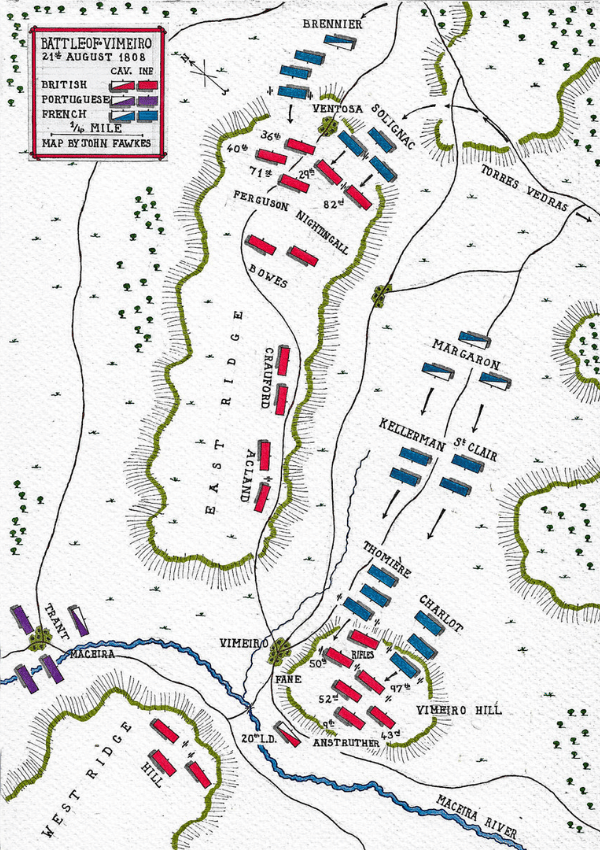
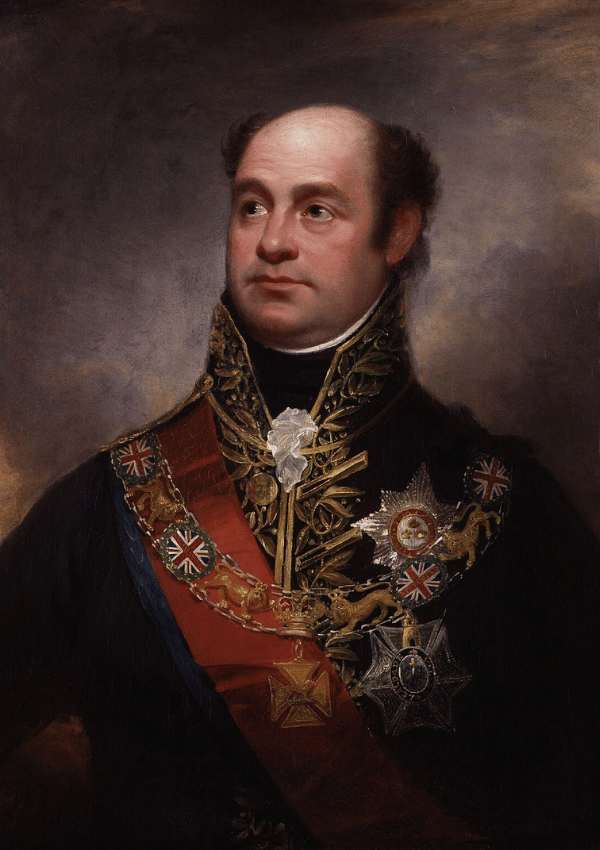
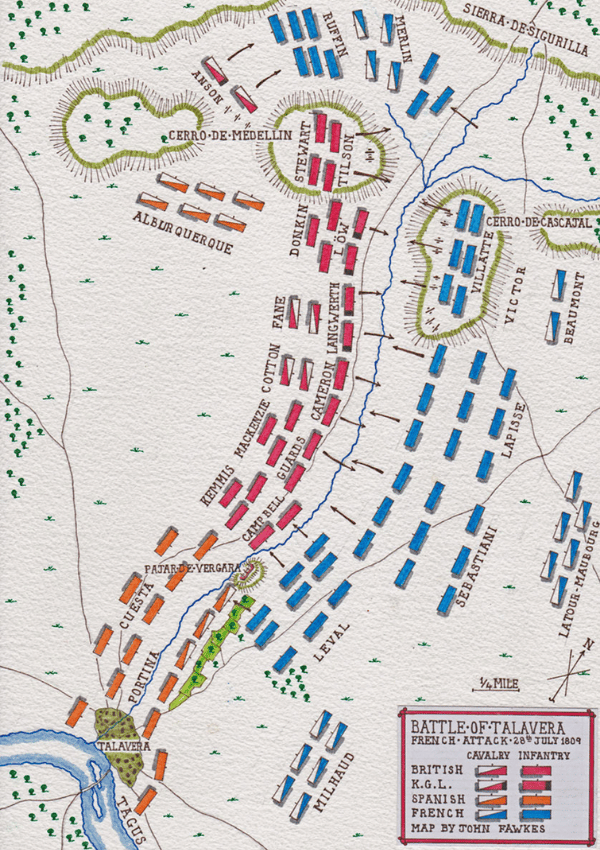
Vimeiro, Talavera, and the Lines of Torres Vedras
1808 – 1811 AD
The opening of a continental land theater in the Iberian Peninsula allowed Great Britain to shift away from purely maritime operations and launch a direct campaign against Napoleon's European empire. The conflict was triggered in 1807 when French imperial armies under Marshal Junot invaded Portugal, forcing the Portuguese royal family to flee to Brazil. This was followed rapidly by Napoleon's forced deposition of the Spanish Bourbon monarchy at Bayonne in May 1808, where he installed his brother, Joseph Bonaparte, on the throne of Spain. This aggressive expansion sparked a massive, violent popular uprising across Spain, starting with the Dos de Mayo Uprising in Madrid and creating a volatile guerrilla network that fractured French security lines.
Recognizing a major opportunity to pin down French resources, the British ministry dispatched an initial expeditionary force of thirty thousand regular troops to Portugal under the command of Lieutenant-General Arthur Wellesley. Wellesley achieved an immediate tactical success on 21 August 1808 at the Battle of Vimeiro, using his characteristic reverse-slope defense model to completely hide his infantry line behind a ridge, shattering the frontal assaults of Marshal Junot's fourteen-thousand-man force and securing a permanent operational base at Lisbon. However, the victory was compromised by the controversial Convention of Cintra, signed by Wellesley's superior officers, which allowed the defeated French troops to be evacuated safely back to France aboard British ships.
Following a brief, chaotic winter campaign under Sir John Moore that ended in Moore’s death during a desperate rearguard action at the Battle of Corunna in January 1809, Wellesley was returned to supreme command of all British and Portuguese forces. He executed a brilliant defensive strategy rooted in superior logistics, standardizing the supply networks and integrating Portuguese regiments under the administrative training of Major-General William Beresford. On 28 July 1809, at the Battle of Talavera, Wellesley's force of twenty thousand British troops withstood a series of fierce assaults by a fifty-thousand-man French army under Marshal Victor and Joseph Bonaparte, holding the ridge lines through disciplined, rolling musket volleys that decimated the advancing French columns. This victory earned him elevation to the peerage as the 1st Viscount Wellington of Talavera.
To protect Lisbon from overwhelming French reinforcement columns, the 1st Viscount Wellington secretly constructed the Lines of Torres Vedras between the autumn of 1809 and the autumn of 1810. This massive, three-line network of 152 stone forts and earthwork redoubts was armed with 443 heavy artillery pieces, stretching across the narrow peninsula from the Atlantic Ocean to the River Tagus.
Constructed by thousands of local Portuguese laborers under the supervision of chief engineer Lieutenant-Colonel Richard Fletcher, the lines completely baffled Marshal André Masséna in October 1810. Masséna's sixty-five-thousand-man army, caught completely off-guard by the unexpected fortifications and starved out by Wellington's harsh scorched-earth policy, was forced to stand idle for months in front of the un-scalable works.
The starving French army lost over twenty thousand men to winter attrition and disease before executing a full, chaotic retreat back toward the Spanish border in March 1811, permanently securing the defense of Portugal.
---------------------------------------------------------------------------
The Battle of Vimeiro (21 August 1808)
British and Portuguese Allied Forces
Primary Commander: Lieutenant-General Sir Arthur Wellesley (Supreme Commander)
Secondary Commanders / Notable Officers: Major-General Ronald Craufurd Ferguson; and Brigadier-General Anstruther
Total Forces: Roughly 18,500 disciplined soldiers (comprising 16,500 British infantry, 2,000 Portuguese regulars, 240 cavalry horsemen, backed by 18 field artillery pieces)
Casualties: Light; 135 men killed on the field and 585 wounded during the defensive actions along the ridges.
French Imperial Army of Portugal
Primary Commander: General Jean-Andoche Junot (Supreme Commander)
Secondary Commanders / Notable Generals: General Henri-François Delaborde; and General Louis Henri Loison
Total Forces: Approximately 13,000 veteran soldiers (comprising elite French column infantry, 2,000 heavy cavalry, backed by 23 artillery pieces)
Casualties: Severe; an estimated 2,000 combatants killed or wounded, resulting in the direct capture of 13 artillery guns and forcing a tactical retreat that led to the signing of the Convention of Cintra and the complete French evacuation of Portugal.
The Battle of Talavera (27 – 28 July 1809)
British and Spanish Allied Forces
Primary Commander: Lieutenant-General Sir Arthur Wellesley (Supreme Allied Commander); and General Gregorio García de la Cuesta (Supreme Spanish Commander)
Secondary Commanders / Notable Officers: Major-General John Randoll Mackenzie; and Major-General Rowland Hill
Total Forces: Approximately 55,000 massed troops (comprising 20,000 British regulars and 35,000 Spanish infantry and cavalry, backed by 30 British and 36 Spanish field artillery pieces)
Casualties: Severe for the British contingent; 800 British soldiers killed on the field and 3,900 wounded, while the Spanish lines suffered roughly 1,200 casualties holding the strategic town sector.
French Imperial Army of the Centre
Primary Commander: King Joseph Bonaparte (Nominal Authority); and Marshal Jean-de-Dieu Soult (Field Commander under Marshal Jean-Baptiste Jourdan)
Secondary Commanders / Notable Generals: General Victor, Duc de Bellune; and General Horace Sebastiani
Total Forces: Roughly 46,000 elite troops (comprising regular French infantry divisions, heavy dragoon cavalry blocks, backed by an unprecedented train of 80 smoothbore artillery guns)
Casualties: Heavy; an estimated 7,300 combatants killed or wounded on the field, forcing a full tactical retreat after their central infantry columns were broken by a bayonet charge from the British guards and line regiments.


The War of Fortresses and the Salamanca Offensive
1812 AD
The campaign transformed into an aggressive war of fortresses as the allied army advanced out of Portugal into the Spanish interior during the campaigning season of 1812. To clear the two main northern and southern invasion corridors into Spain, the 1st Viscount Wellington undertook the brutal, high-attrition sieges of the strategic border strongholds. British and Portuguese infantry successfully stormed the northern fortress of Ciudad Rodrigo on 19 January 1812, capturing the entire French garrison in an operation that claimed the lives of veteran commanders like Major-General Robert Craufurd of the Light Division.
Wellington then marched his columns south to launch the bloody Siege of Badajoz, a heavily fortified city defended by General Armand Philippon that culminated in a horrific nighttime assault on 6 April 1812. At Badajoz, the British infantry suffered over three thousand casualties in a single night. They executed desperate frontal assaults against the main breaches, facing an engineered trap of exploding mines, burning pitch, and rows of sharpened sword blades known as cheval de frise fixed across the gaps. While the elite Light and 4th Divisions were repeatedly slaughtered in the ditch, the fortress was finally won through a successful diversionary ladder escalade on the castle walls led by Lieutenant-General Thomas Picton's 3rd Division, leading to a chaotic three-day plundering of the city by the traumatized troops.
This operational momentum was sustained on 22 July 1812 at the Battle of Salamanca, where Wellington abandoned his purely defensive posture to execute a high-velocity offensive strike. Facing the French army under Marshal Auguste de Marmont along the hills of the Arapiles, Wellington noticed that Marmont had overextended his left wing by four miles in a race to cut off the British retreat.
Seizing the strategic opening, Wellington dropped a half-eaten chicken leg, rode hard to the front, and ordered Major-General Edward Pakenham’s 3rd Division to launch an immediate, surprise flanking assault. Simultaneously, Major-General John Le Marchant led a heavy cavalry charge with the British heavy brigade, completely flattening the isolated French infantry battalions and routing the entire forty-thousand-man army in just forty minutes.
The battlefield triumph cost the French over twelve thousand total casualties, forced Marshal Marmont into a hasty retreat with a shattered arm, and secured the liberation of Madrid on 12 August 1812, forcing King Joseph Bonaparte to temporarily flee his capital. This pivotal achievement earned Wellington elevation in the peerage to the 1st Marquess of Wellington, won him the Order of the Garter, and shattered the myth of French invincibility on Spanish soil.
---------------------------------------------------------------------------
The Siege of Ciudad Rodrigo (7 – 19 January 1812)
British and Portuguese Allied Forces
Primary Commander: Major-General Arthur Wellesley (Supreme Commander)
Secondary Commanders / Notable Officers: Major-General Robert Craufurd (Light Division Commander); and Major-General Thomas Picton (3rd Division Commander)
Total Forces: Approximately 35,000 men engaged in the investment (with roughly 4,000 men selected for the direct storming columns, backed by a siege train of 30 heavy 24-pounder battering guns)
Casualties: Moderate during the siege, followed by high losses during the assault; 195 men killed on the field and 902 wounded across the entire operation. High-profile deaths included the legendary Light Division commander Major-General Robert Craufurd, who was mortally wounded while directing his men at the lip of the lesser breach.
French Imperial Garrison Forces
Primary Commander: General of Brigade Jean Léonard Barrié (Fortress Governor)
Secondary Commanders / Notable Officers: Unnamed regular engineering and artillery staff officers
Total Forces: Exactly 2,000 garrisoned soldiers (comprising regular French infantry line regiments, detached marine artillerymen, entrenched behind stone ramparts, modern ravelins, and fortified suburbs, mounting 153 heavy cannons)
Casualties: Severe; over 500 defending combatants killed or wounded during the bombardment and breach assaults, with the remaining 1,500 survivors captured, resulting in the total loss of the fortress's complete artillery train and defensive magazines.
The Siege of Badajoz (16 March – 6 April 1812)
British and Portuguese Allied Forces
Primary Commander: Earl Arthur Wellesley (Supreme Commander)
Secondary Commanders / Notable Officers: Major-General Thomas Picton; Major-General Charles Colville; and Lieutenant-Colonel Richard Fletcher (Chief Engineer)
Total Forces: Roughly 52,000 men engaged in the wider investment operations (comprising a core storming force of approximately 18,000 regular infantrymen, backed by 52 heavy siege howitzers and iron battering pieces)
Casualties: Severe and irreplaceable; 1,000 men killed on the field and 3,800 wounded, with the vast majority of the losses occurring within a single four-hour window on the night of 6 April at the base of the main breaches and Trinidad bastion.
French and Allied Garrison Forces
Primary Commander: General of Division Armand Philippon (Fortress Governor)
Secondary Commanders / Notable Generals: Colonel Veilland (Garrison Chief of Staff)
Total Forces: Approximately 5,000 garrisoned troops (comprising elite French line infantry, Hessian regular detachments, and Spanish collaborator units deeply entrenched behind massive stone walls, wet ditches, mines, and explosive chevaux-de-frise barriers)
Casualties: Heavy during combat, followed by total capitulation; an estimated 1,500 defending combatants killed or wounded before the perimeter collapsed, leading to the capture of the surviving 3,500 troops and triggering a violent, three-day sack of the city by the exhausted allied soldiers.
The Battle of Salamanca (22 July 1812)
British, Portuguese, and Spanish Allied Forces
Primary Commander: Earl Arthur Wellesley (Supreme Allied Commander)
Secondary Commanders / Notable Officers: Major-General Edward Pakenham (3rd Division Commander); Lieutenant-General Stapleton Cotton (Cavalry Commander); and Marshal William Carr Beresford
Total Forces: Approximately 48,500 massed regular soldiers (comprising 30,000 British infantry, 18,000 Portuguese line regiments, 500 Spanish irregulars, and 3,000 cavalry horsemen, supported by 54 field guns)
Casualties: Moderate to heavy; 886 allied soldiers killed on the field and 4,314 wounded, with the British 4th and Portuguese divisions suffering the heaviest losses during the central attacks.
French Imperial Army of Portugal
Primary Commander: Marshal Auguste de Marmont (Supreme Field Commander)
Secondary Commanders / Notable Generals: General Bertrand Clauzel (Second-in-Command); and General Jean Guillaume Barthélemy Thomières
Total Forces: Roughly 50,000 elite troops (comprising eight regular infantry divisions, 4,000 light cavalry horsemen, and 78 smoothbore artillery pieces deployed in a long, over-extended marching line across the Arapiles ridges)
Casualties: Catastrophic and definitive; an estimated 6,000 combatants killed or wounded on the field, and over 7,000 captured or missing. High-profile casualties included the Supreme Commander Marshal Auguste de Marmont, who was severely wounded by shell fragmentation early in the engagement, and General Jean Guillaume Barthélemy Thomières, who was killed during Pakenham's opening outflanking infantry charge, breaking the French presence in central Spain.

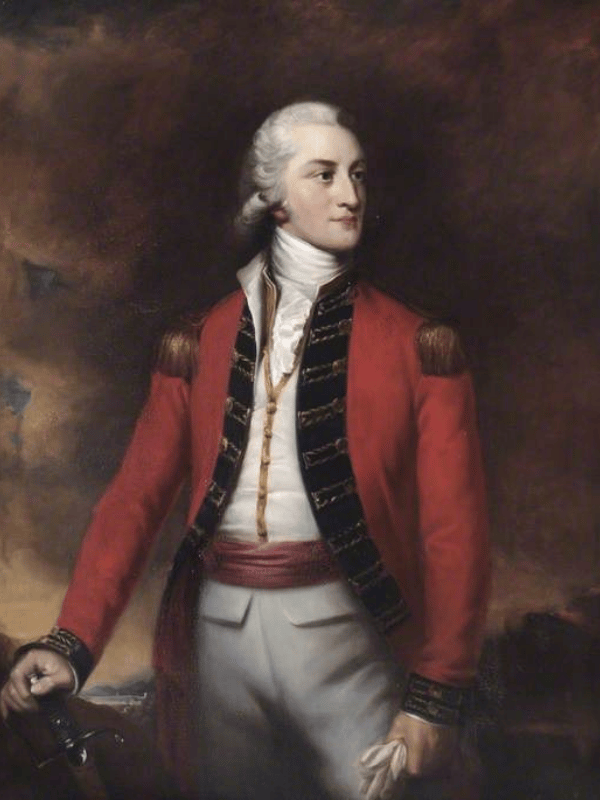

The War of 1812
1812 - 1815 AD
The escalation of the Napoleonic Wars onto the global high seas forced a major geopolitical rupture in June 1812, when the United States declared war against Great Britain in response to maritime restrictions and frontier frictions. This conflict was rooted in deep American frustration over the British Orders in Council of 1807, which implemented a sweeping naval blockade of French-controlled Europe and restricted neutral merchant trade.
To sustain its massive wartime fleets, the Royal Navy systematically boarded American merchant vessels to forcefully impress thousands of sailors suspected of being British deserters, including high-profile confrontations like the Chesapeake-Leopard Affair of 1807. Concurrently, London’s ongoing military and material support for an Indigenous confederacy under the Shawnee chief Tecumseh deeply angered American expansionists in Congress, who aimed to pacify the Northwest Territory and execute a rapid annexation of British Canada.
The initial American land campaigns against the northern frontier collapsed into immediate failure that permanently broke the offensive momentum of the United States. In August 1812, the professional British commander Major-General Isaac Brock, operating alongside Tecumseh’s warriors, brilliantly exploited the tactical hesitations of American forces to secure the bloodless surrender of Detroit, capturing 2,493 American soldiers without shedding blood.
Brock followed this triumph on 13 October 1812 by winning a definitive defensive victory at the Battle of Queenston Heights, where British regular infantry and Mohawk warriors routed an invading American army of six thousand men along the Niagara River, though Major-General Brock was mortally shot through the chest during an initial uphill charge. Although early maritime actions saw heavily armed American super-frigates like the USS Constitution capture several isolated British vessels in the Atlantic, the Royal Navy gradually asserted its supreme naval capability, implementing a crushing commercial blockade from New England to Georgia that choked off American transatlantic trade, slashed US customs revenues by eighty-five percent, and bankrupted the federal treasury.
Following Napoleon's initial abdication in the spring of 1814, the British command transferred thousands of battle-hardened Peninsular War veterans across the Atlantic to launch direct, high-speed punitive strikes into the American heartland. The resulting tactical campaigns achieved a spectacular milestone on 24 August 1814 when a compact expeditionary force of 4,500 men under Major-General Robert Ross routed a larger, seven-thousand-man American army at the Battle of Bladensburg, a rapid rout mockingly branded as the Bladensburg Races. General Ross marched straight into Washington, D.C. that evening, and acting under explicit administrative orders from Vice-Admiral Alexander Cochrane to retaliate for previous American public vandalism at York in Upper Canada, British troops systematically set fire to the public buildings of the capital. They burned the Capitol building, the Treasury, and the presidential mansion, reducing them to scorched brick shells before executing a rapid, disciplined withdrawal to their transport ships.
While subsequent operations met with severe tactical checks—most notably the repulse of the fleet at the Battle of Baltimore, the defeat of the northern army at the Battle of Plattsburgh, and a high-casualty defeat at the Battle of New Orleans on 8 January 1815, where an unsupported frontal assault under Major-General Edward Pakenham was shattered by General Andrew Jackson's entrenched riflemen—the war had already been brought to an official conclusion on 24 December 1814 through the signing of the Treaty of Ghent.
Negotiated in Belgium by diplomatic envoys including John Quincy Adams and Lord Gambier, the terms of this definitive settlement re-established the status quo ante bellum. The treaty mandated a mutual restoration of all wartime territorial conquests and permanently pacified the northern frontier, clearing the strategic template for a century of transatlantic peace.
---------------------------------------------------------------------------
The Battle of Queenston Heights (13 October 1812)
British Imperial, Canadian Militia, and Mohawk Forces
Primary Commander: Major-General Isaac Brock (Supreme Commander); and Major-General Roger Hale Sheaffe (Assault Commander)
Secondary Commanders / Notable Officers: Lieutenant-Colonel John Macdonell; and Chief John Norton (Teyoninhokarawen)
Total Forces: Roughly 1,300 men across the engagement (comprising 600 regular British infantry from the 41st and 49th Regiments of Foot, 400 Lincoln and York Canadian militia provincial volunteers, backed by 300 Mohawk elite warriors under Norton, with 6 light field pieces)
Casualties: Light during combat, though marked by an irreplaceable leadership loss; 16 men killed on the field and 83 wounded. The high-profile casualties included the Supreme Commander Major-General Isaac Brock himself, who was shot through the chest by an American marksman while leading a direct uphill counter-charge against the Redan battery.
United States Regular and Militia Forces
Primary Commander: Major-General Stephen Van Rensselaer (Supreme Northern Commander); and Brigadier-General Alexander Smyth
Secondary Commanders / Notable Officers: Colonel Solomon Van Rensselaer (Assault Leader); and Lieutenant-Colonel Winfield Scott
Total Forces: Approximately 6,000 men massed on the New York side of the border (with roughly 1,200 regulars and militia actually ferried across the Niagara River to hold the Canadian heights, entirely lacking heavy artillery or cavalry support)
Casualties: Catastrophic and definitive; 100 men killed on the field, 170 wounded, and exactly 958 captured or missing. The complete collapse of the bridgehead resulted in the capture of their field artillery train and the surrender of the entire crossing force after the remaining New York state militias refused to cross the river to reinforce their companions.
The Battle of New Orleans (8 January 1815)
British Imperial Expeditionary Forces
Primary Commander: Major-General Sir Edward Pakenham (Supreme Commander)
Secondary Commanders / Notable Generals: Major-General Samuel Gibbs (Right Column Commander); Major-General John Keane (Left Column Commander); and Colonel Thornton
Total Forces: Approximately 8,000 elite regular troops (comprising veteran Peninsula War infantry, the 4th, 21st, 44th, and 85th Regiments of Foot, the 93rd Highlanders, and a specialized naval brigade, supported by 12 field artillery pieces and rocket tubes)
Casualties: Severe and irreplaceable; 291 men killed on the field, 1,262 wounded, and 484 missing. High-profile deaths included the Supreme Commander Major-General Sir Edward Pakenham and Major-General Samuel Gibbs, who were both mortally wounded by grapeshot while trying to rally the shattered infantry columns at the edge of the ditch.
United States Defender Forces
Primary Commander: Major-General Andrew Jackson (Supreme Commander)
Secondary Commanders / Notable Officers: Brigadier-General John Coffee; and Jean Lafitte (Baratarian Privateer Leader)
Total Forces: Roughly 4,700 massed troops (comprising 1,000 US Army regulars, 2,000 Louisiana and Tennessee militia marksmen, 1,000 Kentucky frontiersmen, 500 free men of color, and a detachment of privateer artillerymen, deeply entrenched behind the four-foot mud and timber ramparts of Line Jackson, backed by 16 heavy siege guns)
Casualties: Exceptionally light; exactly 13 men killed on the field, 39 wounded, and 19 missing during the failed British multi-pronged frontal assault against the mud earthworks.
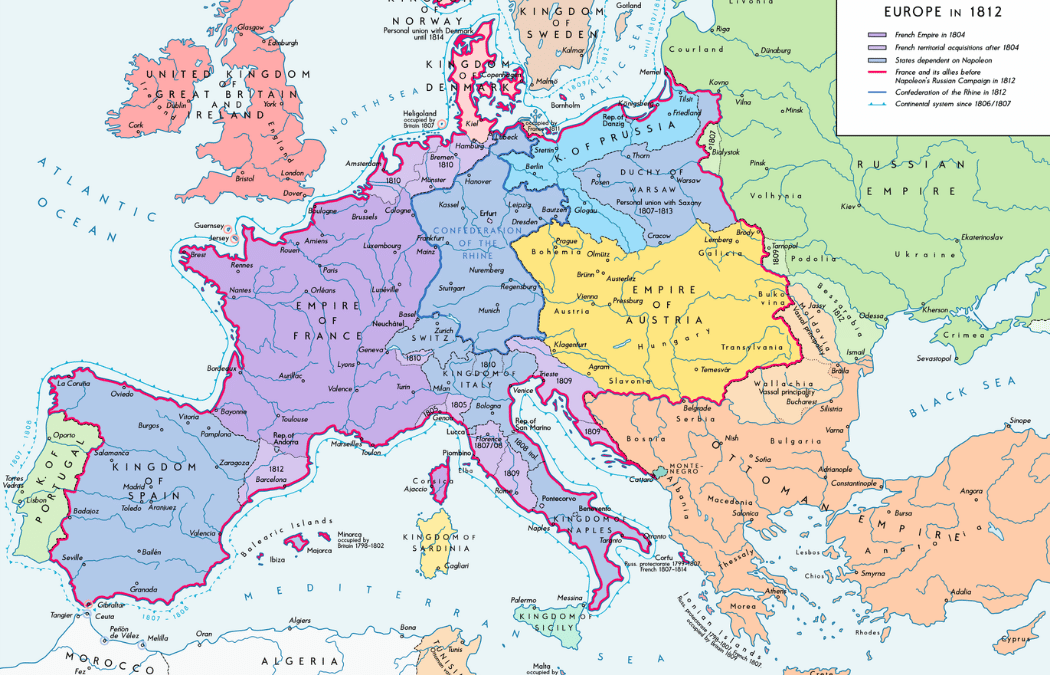
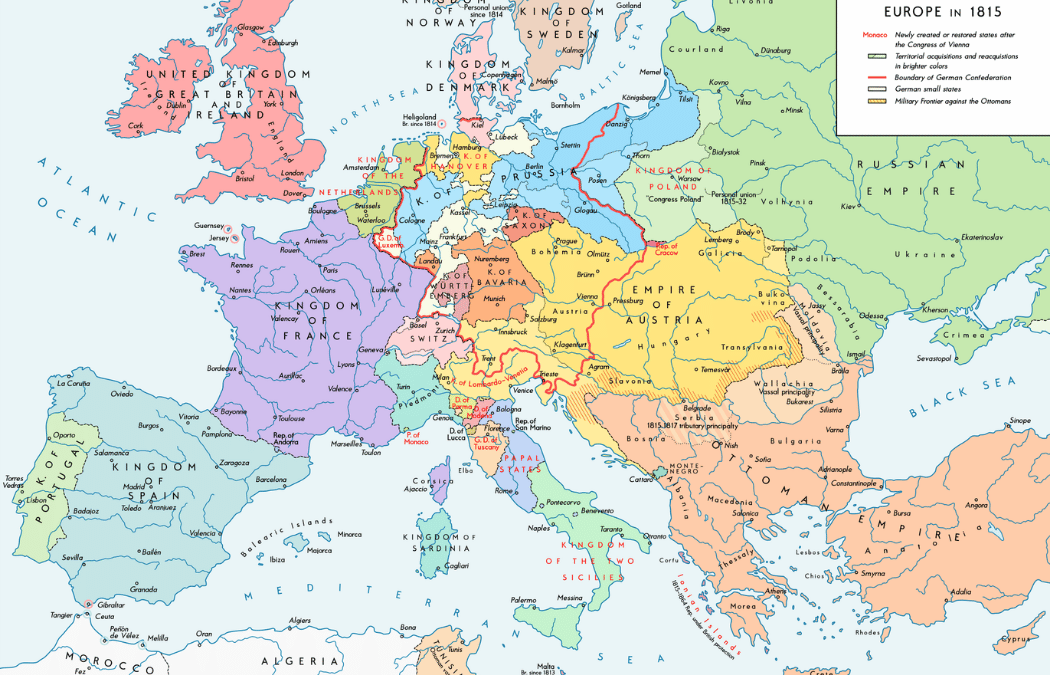
The Vitoria Breakthrough and Invasion of France
1813 – 1814 AD
The definitive operational breakthrough occurred during the spring of 1813, when the 1st Marquess of Wellington launched a sweeping, multi-column flanking offensive that completely outmaneuvered the remaining French defensive lines across northern Spain. Utilizing a massive force of eighty thousand British, Portuguese, and Spanish troops, Wellington bypassed the expected French defensive positions along the Douro River by marching his northern wing through the mountainous terrain of Tras-os-Montes.
This wide flanking march forced the French to repeatedly abandon their fortified positions to avoid encirclement. The rapid advance reached its military climax on 21 June 1813 at the Battle of Vitoria, where the allied army completely broke the combined forces of King Joseph Bonaparte and Marshal Jean-Baptiste Jourdan, who were attempting to protect a massive retreat convoy.
Wellington launched a coordinated, four-pronged assault across the Zadorra River bridges, utilizing Major-General Thomas Picton’s 3rd Division and the elite Light Division to smash through the French center while Sir Rowland Hill’s column captured the strategic heights of Puebla. The resulting total tactical rout resulted in the capture of 151 cannons, Marshal Jourdan's royal baton, and the entire royal baggage train. This vast convoy consisted of over two thousand vehicles packed with millions of pounds in plundered masterwork paintings, gold jewelry, and silver bullion, which triggered an immediate plundering panic among the victorious British troops, who abandoned the pursuit of the fleeing enemy to clear out the chests. This battlefield triumph permanently broke French military power in Iberia, forcing King Joseph Bonaparte to abandon his claim to the Spanish throne and execute a full retreat across the Pyrenees mountains.
Wellington, now elevated to the 1st Duke of Wellington and promoted to Field Marshal, pursued the retreating enemy across the border into southern France. He fought a series of high-altitude mountain engagements through the summer and autumn of 1813, including the Battle of the Pyrenees, the Battle of San Marcial, and the bloody Siege of San Sebastián, where allied troops successfully breached the stone citadel walls. Breaking through the natural frontier, the allied army pushed across the Bidassoa and Nivelle rivers, outmaneuvering Marshal Jean-de-Dieu Soult’s defensive networks through superior logistics and disciplined column coordination.
The allied army captured the major southern city of Toulouse on 10 April 1814 during a fierce, high-casualty infantry engagement that cost both sides over eight thousand men. This unrelenting advance proved to be the final blow to the Napoleonic empire, contributing directly to the total collapse of the French state and Napoleon's first abdication at Fontainebleau on 11 April 1814.
---------------------------------------------------------------------------
The Battle of Vitoria (21 June 1813)
British, Portuguese, and Spanish Allied Forces
Primary Commander: General Arthur Wellesley, Marquess of Wellington (Supreme Allied Commander)
Secondary Commanders / Notable Officers: Lieutenant-General Sir Rowland Hill; Lieutenant-General Sir Thomas Graham; and Major-General King Miguel Ricardo de Álava
Total Forces: Approximately 78,000 massed regular soldiers (comprising 52,000 British infantry and cavalry, 20,000 Portuguese line regiments, and 6,000 Spanish regular troops, supported by 90 field artillery guns)
Casualties: Moderate; 849 allied soldiers killed on the field and 4,281 wounded, with the British divisions bearing the brunt of the frontal ridge assaults.
French Imperial Army of Spain
Primary Commander: King Joseph Bonaparte (Nominal Authority); and Marshal Jean-Baptiste Jourdan (Supreme Field Commander)
Secondary Commanders / Notable Generals: General Honoré Charles Reille; and General Jean-Baptiste Drouet, Comte d'Erlon
Total Forces: Roughly 58,000 troops (comprising the massed Armies of the South, the Centre, and Portugal, deployed in a congested valley defense outside the town of Vitoria, supporting a massive baggage train and 151 heavy field artillery pieces)
Casualties: Severe and definitive; an estimated 5,000 combatants killed or wounded on the field, and over 3,000 captured during the total collapse of their defensive positions. The defeat resulted in the total capture of 150 artillery pieces, the loss of King Joseph's personal royal baggage train containing millions of stolen Spanish silver coins and masterpiece artworks, and forced a chaotic retreat across the Pyrenees.
The Battle of the Pyrenees (25 July – 2 August 1813)
British, Portuguese, and Spanish Allied Forces
Primary Commander: Field Marshal Arthur Wellesley, Marquess of Wellington (Supreme Allied Commander)
Secondary Commanders / Notable Officers: Lieutenant-General Sir Lowry Cole; and Major-General William Anson
Total Forces: Approximately 60,000 allied soldiers holding a series of disconnected mountain passes and valleys across a wide mountain front.
Casualties: Moderate to heavy; roughly 7,000 allied soldiers killed, wounded, or missing across the nine days of intense, multi-valley mountain fighting, with the heaviest losses occurring during the defensive stand at Sorauren.
French Imperial Army of Spain
Primary Commander: Marshal Jean-de-Dieu Soult (Supreme Field Commander)
Secondary Commanders / Notable Generals: General Jean-Baptiste Drouet, Comte d'Erlon; and General Bertrand Clauzel
Total Forces: Roughly 80,000 elite troops organized into a newly reconstituted offensive striking force (comprising three heavy infantry corps designed to break through the isolated mountain passes and relieve the besieged French garrisons at Pamplona and San Sebastián)
Casualties: Severe; an estimated 13,000 combatants killed, wounded, or captured. The failure of this major mountain counter-offensive broke the defensive line guarding southwestern France, leading directly to the full allied crossing of the Bidassoa River and the direct invasion of French soil.
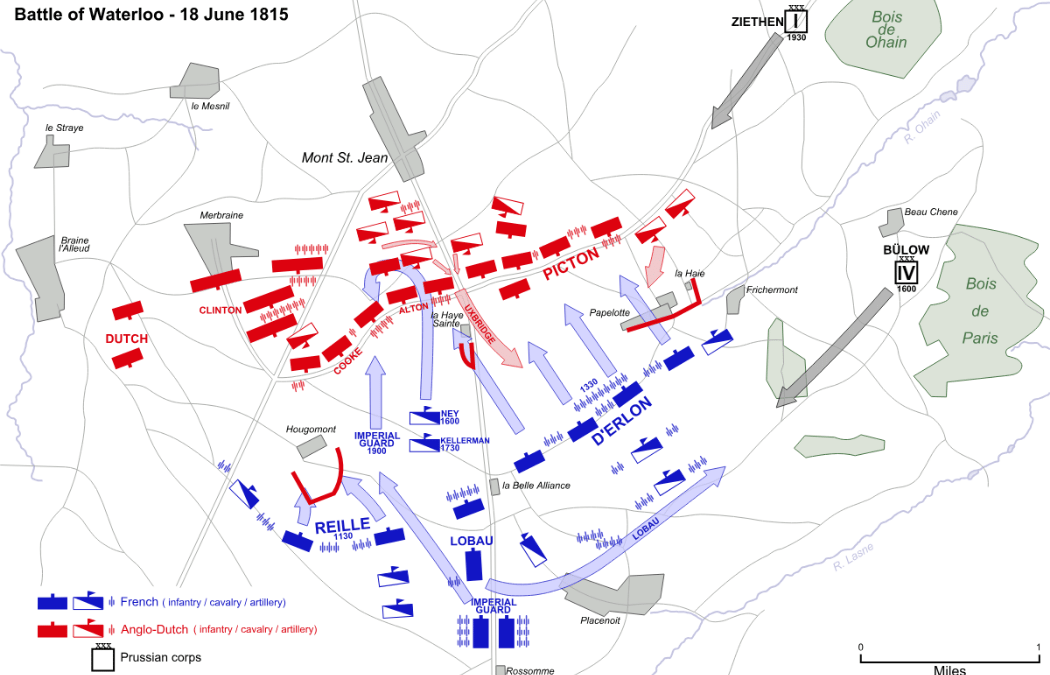

The Battle of Waterloo
1815 AD
Napoleon’s dramatic escape from Elba and swift return to power during the Hundred Days forced Great Britain and its continental allies into an immediate mobilization, rushing armies toward Belgium to crush the resurgent French threat before the Emperor could consolidate his empire. On 18 June 1815, the conflict rushed toward its ultimate military climax near the village of Waterloo. Arthur Wellesley, the Duke of Wellington, deployed a multi-national allied army of sixty-eight thousand British, Dutch, and German troops along a low, sloped reverse ridge that expertly shielded his infantry from direct French artillery observation.
Wellington’s strategy relied on a disciplined, stubborn defense, fortifying key forward strongpoints—most notably the chateau of Hougoumont and the farmhouse of La Haye Sainte—to disrupt the French advance. The garrison at Hougoumont, led by Lieutenant-Colonel James Macdonnell of the Coldstream Guards, successfully held the chateau gates against wave after wave of fierce French infantry assaults, pinning down an entire enemy division. When the French cavalry under Marshal Michel Ney launched a massive, unsupported assault in the afternoon, Wellington locked his infantry battalions tightly into twenty-six hollow defensive squares, which successfully withstood hours of massed horse charges.
Hours of brutal, close-quarters deadlock were finally broken late in the afternoon by the arrival of the allied Prussian army under Field Marshal Gebhard Leberecht von Blücher, who struck Napoleon’s exposed right flank at Plancenoit and threw the French lines into confusion. Seizing the strategic moment as the elite French Imperial Guard recoiled from their final, desperate assault against the British foot guards under Major-General Peregrine Maitland, Wellington stood in his stirrups and waved his hat to order a decisive, full-scale counter-offensive across the entire line. This charge broke the enemy ranks and turned their retreat into a chaotic rout.
This victory forced Napoleon into an unconditional surrender and permanent exile on the remote South Atlantic island of St Helena. The definitive outcome was formally concluded by the Congress of Vienna to inaugurate the era of Pax Britannica and cement the United Kingdom as the world's foremost industrial, commercial, and maritime superpower.
---------------------------------------------------------------------------
The Battle of Waterloo (18 June 1815)
Allied Coalition Forces
Primary Commander: Field Marshal Arthur Wellesley, Duke of Wellington (Supreme Allied Commander); and Field Marshal Gebhard Leberecht von Blücher (Supreme Prussian Commander)
Secondary Commanders / Notable Officers: William, Prince of Orange (1st Corps Commander); Lieutenant-General Henry Paget, Earl of Uxbridge (Cavalry Commander); and Lieutenant-General Sir Thomas Picton
Total Forces: Approximately 120,000 soldiers combined at the battle's climax (comprising Wellington's Anglo-Allied army of 68,000 men—24,000 British regulars alongside 44,000 Dutch, Belgian, and German troops—reinforced late in the afternoon by 52,000 Prussian regular troops, backed by 156 British and 134 Prussian artillery pieces)
Casualties: Severe; 15,000 Anglo-Allied and 7,000 Prussian soldiers killed, wounded, or missing during the intense defensive actions along the Mont-Saint-Jean ridge and the street fighting in Plancenoit. High-profile casualties included Lieutenant-General Sir Thomas Picton, shot through the temple while directing a bayonet charge, and the Earl of Uxbridge, who lost his right leg to a late-evening grapeshot volley.
French Imperial Army of the North
Primary Commander: Emperor Napoleon Bonaparte (Supreme Commander)
Secondary Commanders / Notable Generals: Marshal Michel Ney (Field Commander); General Jean-Baptiste Drouet, Comte d'Erlon (1st Corps Commander); and General Honoré Charles Reille
Total Forces: Roughly 73,000 veteran soldiers (comprising elite French line infantry, heavy cavalry divisions of cuirassiers and carabiniers, and the veteran Imperial Guard striking divisions, supported by a massive Grand Battery train of 252 artillery pieces)
Casualties: Catastrophic and definitive; an estimated 25,000 combatants killed or wounded on the field, and over 8,000 captured or missing during the routing pursuit. The complete collapse of the army followed the failed final assault of the Imperial Guard against the British Guards division, resulting in the total destruction of the French offensive capability, the second abdication of Napoleon, and the final conclusion of the Napoleonic Wars.
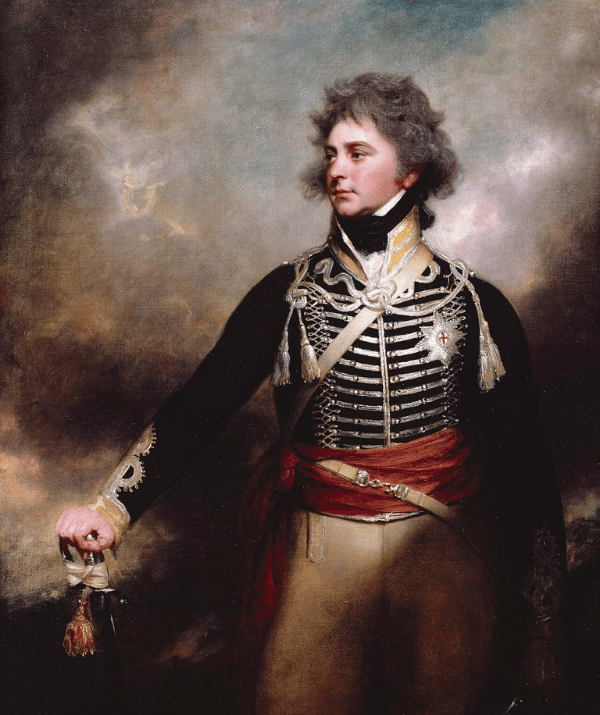
The Regency Period
1811 - 1820 AD
The final decades of the long reign of King George III were defined by a severe constitutional and psychological crisis that would go on to alter the nation. By 1811, the King suffered a permanent mental collapse due to regular bouts of porphyria, leaving him catatonic and incapable of governance. Parliament responded by passing the Regency Act, officially appointing his eldest son, the flamboyant George, Prince of Wales, to rule the United Kingdom as Prince Regent.
Throughout this period, the Prince Regent turned his court into a visual theater of high culture, luxury, and architectural transformation, bypassing the modest style of his father to spend vast sums of national silver funding the rebuilding of London. Guided by the architect John Nash, he engineered the construction of Regent Street, Regent's Park, and the extravagant Carlton House, while building the oriental-style nRoyal Pavilion at Brighto.
Beneath this luxury, the country experienced intense discontent and economic hardship. The rapid rollout of the factory system and steam power had thrown thousands of traditional hand-loom weavers and croppers out of work, causing widespread poverty across the northern counties.
Between 1811 and 1816, a secret, organized worker resistance movement known as the Luddites erupted across Nottinghamshire, Yorkshire, and Lancashire. Believing themselves led by a mythical figure named General Ned Ludd, and armed with heavy sledgehammers, the Luddites smashed mechanical weaving frames during night raids, launching a war against the new factory technology.
The government responded with firmness, deploying over twelve thousand professional soldiers to the industrial cities—a domestic force larger than Wellington had initially commanded during the Peninsular War. Parliament passed the Frame Breaking Act 1812, making the destruction of industrial machinery a capital crime punishable by death.
Under this law, the state subsequently hanged seventeen ringleaders at York Castle and sent hundreds more into forced penal transportation to Australia.
The Peterloo Massacre
1819 AD
The end of the Napoleonic Wars in 1815 threw the United Kingdom into a severe economic depression, marked by a complete collapse of industrial wages, mass unemployment among returning soldiers, and soaring food prices caused by the hated Corn Laws. This economic misery sparked a massive resurgence of radical political movements demanding universal male suffrage and the total overhaul of the corrupt parliamentary voting system.
The class warfare reached a violent domestic climax on the afternoon of 16 August 1819 at St Peter’s Field in Manchester where a massive crowd of over 60,000 unarmed working-class men, women, and children assembled to hear a speech on parliamentary reform by the radical orator Henry Hunt.
Terrified by the sheer volume of the assembly, local Manchester magistrates panicked, executing an immediate order to deploy the Manchester Yeomanry—a private cavalry militia composed of wealthy local businessmen—to force their way through the crowd and arrest Hunt.
As could be predicted, the cavalry charge descended into a slaughter, historically named the Peterloo Massacre in bitter mockery of the victory at Waterloo. Armed with sharpened sabres, the horsemen rode directly into the packed mass, cutting down fleeing civilians and trampling bodies underfoot, killing eighteen people and wounding hundreds more.
The state back at Westminster immediately backed the actions of the magistrates, passing the harsh Six Acts of 1819 to legally ban all unauthorized public meetings, impose heavy taxes on radical newspapers, and dismantle the basic freedom of the press.
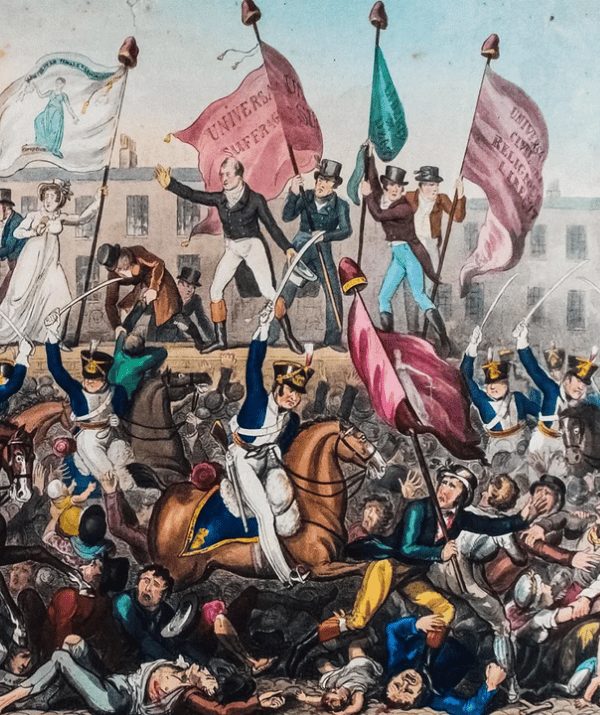
The Third Anglo-Maratha War
1817 – 1818 AD
The final phase of the British conquest of India exploded in the autumn of 1817 when the Maratha leadership launched a desperate military uprising to throw off the suffocating administrative shackles of the East India Company. This last-ditch insurrection was triggered by growing resentment over the Treaty of Poona, which the British Resident, Mountstuart Elphinstone, had forced upon the Peshwa, Baji Rao II, in June 1817, stripping him of vast revenues and his status as nominal head of the Maratha confederacy.
Simmering tensions reached a violent climax on 5 November 1817 when the Peshwa’s forces burnt down the British Residency at Pune and launched a massive assault with twenty-eight thousand troops against a compact corporate garrison at the Battle of Khadki. Simultaneously, a parallel anti-corporate rising erupted in the central provinces under Mudhoji II Bhonsle, the Raja of Nagpur, while the royal court of Holkar mobilized its veteran infantry brigades in Malwa.
This multi-front insurrection was swiftly met by a massive corporate counter-offensive planned by Francis Rawdon-Hastings, the 1st Marquess of Hastings, who served as Governor-General. Exercising direct command, the Marquess of Hastings deployed a force of over one hundred and twenty thousand professional troops—the largest single field army ever assembled by the East India Company—organized into the Grand Army of Bengal and the Army of the Deccan. This force systematically encircled the Maratha territories, cutting off communications between the rebellious chieftains and trapping their armies in detail. On 21 December 1817, an allied company division under Major-General John Malcolm intercepted and completely smashed the Holkar army at the Battle of Mahidpur, capturing their entire artillery park of over sixty heavy field guns and forcing the teenage ruler, Malhar Rao Holkar II, to sign a restrictive subsidiary alliance.
The Peshwa's forces were continually hunted across Maharashtra by mobile British cavalry columns and flying infantry brigades. Following a fierce, legendary defensive stand by a tiny garrison of eight hundred Sepoys against twenty thousand Maratha horsemen at the Battle of Koregaon on 1 January 1818, the Peshwa’s main field army was cornered and decisively broken at Ashti in February February 1818. His premier general, Bapu Gokhale, was killed on the field, leaving Baji Rao II with zero remaining military options. In June 1818, the Peshwa formally surrendered his sword to Major-General John Malcolm, abandoning all corporate resistance and submitting unconditionally to the imperial court of the Governor-General.
The total defeat of the uprising resulted in the complete abolition of the historic office of the Peshwa, permanently destroying the political architecture of the Maratha confederacy. The corporate state annexed vast swaths of territory across central India, incorporating the Peshwa's hereditary domains straight into the Bombay Presidency while reducing the remaining independent rulers—including the dynasties of Scindia, Holkar, and Gaekwad—to isolated puppet monarchs bound by strict subsidiary terms.
To ensure compliance, the company exiled Baji Rao II to a small estate at Bithoor near Kanpur on a fixed pension, and placed British residents inside every remaining princely court. This military triumph permanently secured British hegemony over the entire Indian subcontinent, converting a commercial maritime enterprise into an unmatched continental empire.
---------------------------------------------------------------------------
The Battle of Mahidpur (21 December 1817)
British East India Company Forces
Primary Commander: Lieutenant-General Sir Thomas Hislop (Supreme Commander)
Secondary Commanders / Notable Officers: Major-General Sir John Malcolm (Vanguard Commander); and Brigadier-General Sir John Doveton
Total Forces: Roughly 5,500 disciplined soldiers (comprising regular Madras and Madras Native Infantry line regiments, supported by regular light cavalry and a specialized field artillery train)
Casualties: Moderate to heavy; 174 men killed on the field and 604 wounded during the direct frontal crossing of the Kshipra River under a massed artillery crossfire.
Maratha Empire Forces (Holkar State)
Primary Commander: Malhar Rao Holkar II (Supreme Authority); and Hari Pant (Field Commander)
Secondary Commanders / Notable Chieftains: Roshan Beg (Commanding the Regular Infantry)
Total Forces: Approximately 20,000 massed regular and irregular troops (comprising 8,000 disciplined infantry, 12,000 light cavalry horsemen, backed by an unprecedented train of 100 modern brass artillery guns positioned along the riverbank loop)
Casualties: Severe; an estimated 3,000 combatants killed or wounded on the field, resulting in the total capture of 63 artillery pieces and forcing a full tactical surrender that broke the independent power of the Holkar dynasty.
The Battle of Khadki (5 November 1817)
British East India Company Forces
Primary Commander: Colonel Burr (Supreme Commander
Secondary Commanders / Notable Officers: Captain Ford (Commanding the Resident's Escort)
Total Forces: Exactly 2,800 soldiers (comprising the Bombay Native Infantry, a small detachment of European regulars from the 65th Regiment of Foot, and a resident guard detail, backed by 4 light field guns)
Casualties: Light; 19 men killed on the field and 67 wounded.
Maratha Empire Forces (Peshwa State)
Primary Commander: Baji Rao II (The Peshwa / Supreme Authority); and Bapu Gokhale (Supreme Field Commander)
Secondary Commanders / Notable Chieftains: Moro Dikshit
Total Forces: Roughly 28,000 massed troops (comprising 20,000 light cavalry horsemen, 8,000 regular and irregular infantry, backed by 14 smoothbore guns)
Casualties: Moderate; over 500 men killed or wounded during their uncoordinated, multi-wave frontal cavalry charges, failing to break the disciplined British sepoy lines and leading to the immediate abandonment of Pune.

The Great Game Begins
1830 - 1838 AD
Additional Information: The Second British Empire / The Great Game, The First Anglo-Afghan War and Disaster at Kabul
The rapid southward expansion of the Russian Empire across the Central Asian khanates forced the Honourable East India Company and the British state to confront an immediate security anxiety regarding the vulnerability of their territorial possessions in India. Driven by a pervasive fear that the Tsar's forces would eventually secure a geographic launchpad in Afghanistan to launch an invasion of the subcontinent, the British administration abandoned decades of non-interventionist policy to institute an aggressive forward strategy.
This shadow conflict, famously branded by intelligence officer Arthur Conolly as "The Great Game," initiated an eighty-seven-year diplomatic and military confrontation between the two European superpowers for supreme dominance over Central Asia. To assess the logistics of a potential invasion route and secure the allegiance of local rulers along the Indus River, the Governor-General dispatched Captain Alexander Burnes on a secretive reconnaissance mission to Kabul in 1831. Burnes mapped the river channels and established a vast network of covert intelligence gathering across the region.
The diplomatic friction escalated to a dangerous peak in the autumn of 1837 when Russian military advisors, led by Count Jan Prosper Witkiewicz, arrived in Kabul. Witkiewicz offered lucrative financial and material backing to the Afghan Amir, Dost Mohammad Khan, in exchange for an exclusive alliance with Saint Petersburg. Simultaneously, a Qajar Persian army of thirty thousand troops, backed by Russian financing and led by Russian officers, launched a massive siege against the strategic Afghan fortress city of Herat. British strategists considered Herat the western key to India's physical defenses. Although the grueling ten-month siege was broken in September 1838 due to the tactical intervention of a British officer, Lieutenant Eldred Pottinger, who rallied the garrison defenders, the threat of an encroaching Russian alliance thoroughly panicked the authorities in Calcutta.
This diplomatic deadlock completely dismantled all remaining avenues of compromise, forcing George Eden, the 1st Earl of Auckland, who served as Governor-General, to issue the historic Simla Manifesto on 1 October 1838. This sweeping decree committed the corporate state to an expensive, preemptive military intervention to depose Dost Mohammad Khan and install a submissive puppet monarch, Shah Shuja Durrani.
To execute this plan, the Earl of Auckland assembled the massive Army of the Indus, comprising twenty-one thousand British and Sepoy troops alongside thirty-eight thousand camp followers. This catastrophic political gamble locked both empires into a multi-generational cycle of proxy warfare, border crises, and high-attrition campaigns across the mountain passes, setting a direct course for the disastrous First Anglo-Afghan War.
---------------------------------------------------------------------------
The timeline of events that defined the Anglo-Russian shadow war for Central Asia:
The Burnes Mission: 1831
Captain Alexander Burnes executed a secretive naval reconnaissance mission up the Indus River to Kabul, mapping out potential military invasion routes and gathering intelligence on local tribal alignments.
The Herat Crisis: 1837
Russian-backed Persian armies launched a massive ten-month siege against the strategic Afghan gateway city of Herat, which was successfully broken due to the tactical defense coordination of Lieutenant Eldred Pottinger.
The Simla Manifesto: 1 October 1838
Issued by George Eden, the 1st Earl of Auckland, a sweeping geopolitical decree that committed the country to an expensive preemptive invasion of Afghanistan to depose the independent Amir.
The First Anglo-Afghan War: 1839 – 1842
An amphibious and mountain invasion that captured Kabul and installed a puppet monarch, ending in a catastrophic military disaster where an entire sixteen-thousand-man British column was completely wiped out during a winter retreat through the Khyber Pass.
The Crimean War: 1854
The Great Game exploded into open European warfare when Great Britain and France launched a joint invasion of the Russian Crimean peninsula to block the Tsar's naval expansion into the Mediterranean and Ottoman territories.
The Granville-Gorchakov Agreement: 1873
A major diplomatic treaty that established the northern border of Afghanistan along the Oxus River, legally declaring the kingdom to be a neutral buffer zone outside the sphere of Russian imperial influence.
The Second Anglo-Afghan War: 1878 – 1880
Initiated after the Amir accepted an uninvited Russian diplomatic mission in Kabul, a campaign led by Major-General Frederick Roberts, the 1st Earl Roberts, that crushed the regular Afghan army and secured complete British veto power over Afghanistan's foreign policy.
The Panjdeh Incident: 1885
A dangerous border clash where Russian imperial troops slaughtered an Afghan garrison at an oasis, pushing Great Britain to the brink of a global war with Russia before a joint boundary commission defused the crisis.
The Durand Line Agreement: 1893
Established by Sir Mortimer Durand, a boundary treaty that hardcoded the single 1,600-mile international border between British India and Afghanistan, deliberately splitting the independent Pashtun tribal lands in half.
The British Invasion of Tibet: 1904
A preemptive military expedition led by Colonel Francis Younghusband that scaled the Himalayas to capture Lhasa, driven by erroneous intelligence that the Dalai Lama was signing secret arms treaties with the Tsar.
The Anglo-Russian Entente: 31 August 1907
The definitive diplomatic settlement signed in Saint Petersburg that officially brought the Great Game to an end, creating a unified European alliance by formalizing British control over Afghanistan and partitioning Persia into explicit corporate trading zones.

William IV and The Great Reform Act of 1832
1830 - 1832 AD
Following the death of George IV in 1830, his younger brother ascended the throne as King William IV, inheriting a country on the brink of a violent domestic revolution. The old parliamentary map had become completely archaic; booming industrial cities like Manchester, Birmingham, and Leeds had zero Members of Parliament, while deserted historic sites known as "Rotten Boroughs"—such as Old Sarum, which consisted of a single green hill—returned two MPs controlled entirely by local landowners. Between 1830 and 1832, the Whig Prime Minister Earl Grey launched a desperate legislative campaign to pass a comprehensive electoral reform bill to avoid a French-style civil war.
The bill was repeatedly blocked by the conservative Duke of Wellington and the House of Lords, triggering widespread riots across Bristol and Nottingham, and causing a massive national run on the Bank of England's gold reserves under the radical slogan: "Stop the Duke, go for Gold!" Facing a full collapse of state security, King William IV intervened, threatening to create dozens of new Whig peers to force the bill through the Lords.
The result was the Representation of the People Act 1832, immortalized as The Great Reform Act. This historic statute completely re-engineered the management of Great Britain, disenfranchising fifty-six rotten boroughs, and redistributing 143 parliamentary seats directly to the expanding industrial cities of the north. While it still excluded the working-class mass, due to financial limitations, the 1832 Act stands as a critical constitutional milestone; it permanently broke the power of the old landed aristocracy, proving that the institutional grid of the state could adapt to save itself from collapse.
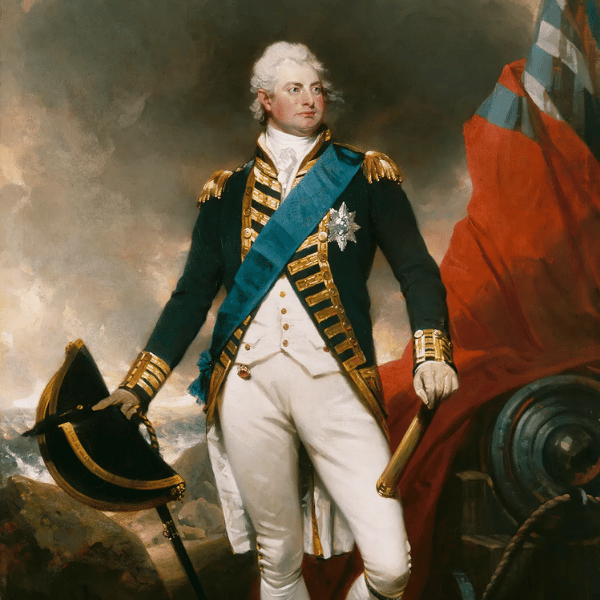
The Death of William IV
1837 AD
Additional Information: The Victorian Era / The Coronation of Victoria I
On the morning of 20 June 1837, King William IV died of heart failure at Windsor Castle at seventy-one years old, bringing a definitive end to the 123-year rule of the House of Hanover. Because William left no surviving legitimate children, the British crown passed instantly to his eighteen-year-old niece, Princess Victoria of Kent, a transition that permanently dissolved the personal union with Hanover under Salic law and closed the book on the long Georgian era.
The death of the King marked the conclusion of a period of unparalleled transformation, during which the Hanoverian state machinery had completely rebuilt the nation, breaking the old templates of medieval life to construct a hyper-modern, high-speed industrial state. Throughout their dynastic reign, the United Kingdom had successfully navigated the catastrophic shocks of global warfare, centralized its fiscal administration through cabinet government, and established unchallenged commercial and naval supremacy across the global oceans.
The new Victorian regime inherited an uncompromised global empire, an advanced network of factories, canals, and early railways, and a legally balanced framework that ran with machine-like efficiency.
By transforming the physical landscape through steam power and expanding its legal borders through global union acts, the Georgian era had successfully established Great Britain as the single foremost superpower of the modern world.
Stay Connected
Georgian Era FAQs