
History of England
Preserving the English Legacy
The history of the English people spans more than a thousand years of continuous descent, tracking an unbroken generational line rooted deeply in this island. Today, this inheritance is under assault by revisionist academics, disloyal government officials, and those not of these islands, all of whom deliberately dilute our past, casting doubt on the identity, origins, and monumental achievements of the native population.
This website exists to shatter these manufactured narratives, serving as a sanctuary for the true record of the English nation. By anchoring our work in raw facts and primary data, we rescue our heritage from institutional manipulation and cultural vandalism to safeguard the absolute truth of our ancestral journey, ensuring that the historic achievements of the populations who settled, shaped, and governed the shires remain visible and protected for all time.
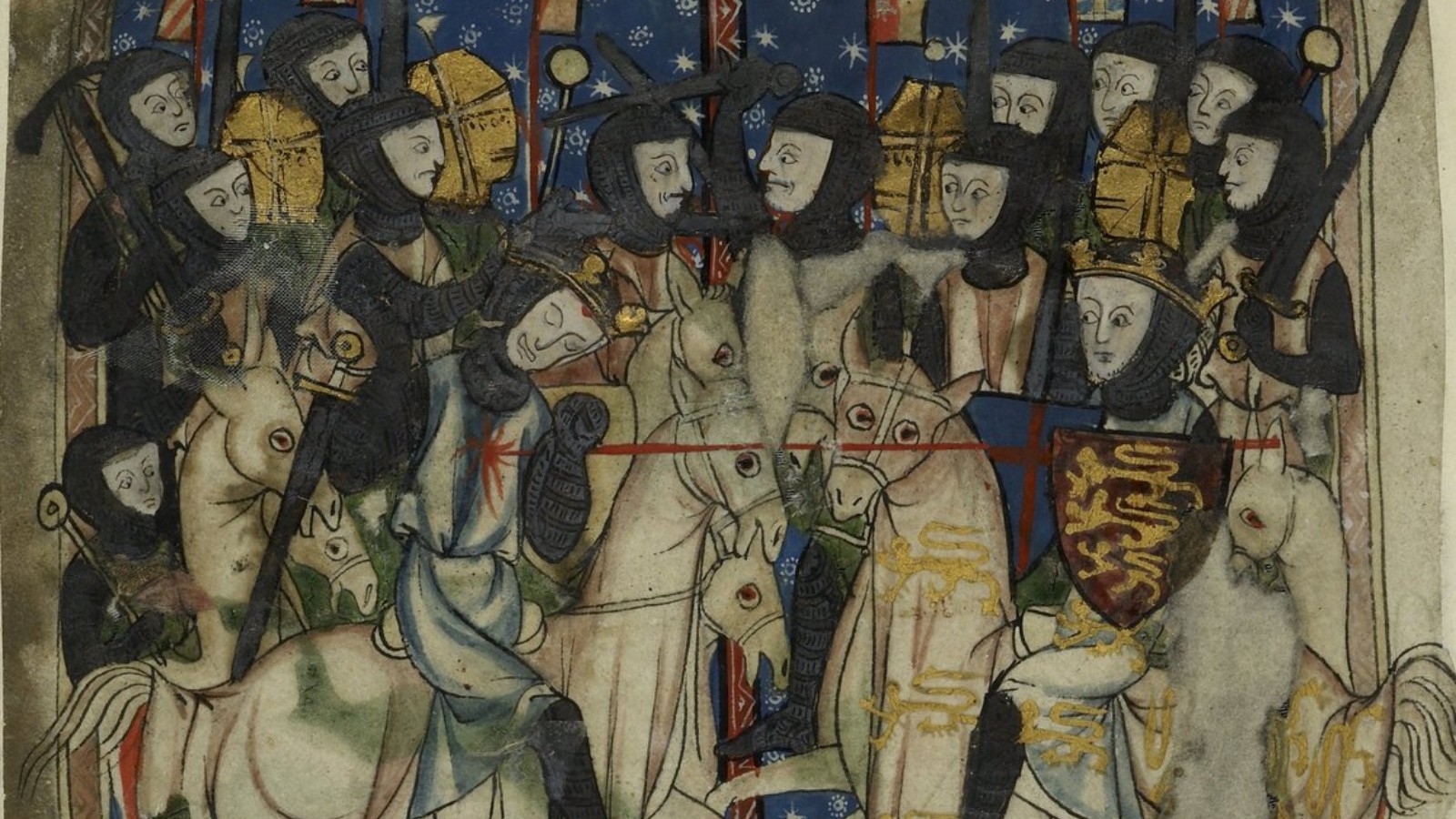
Anglo-Saxon England
410 - 1066 AD
The foundational era that forged England from the chaos of the post-Roman collapse. This period saw the birth of the English people as divided kingdoms united into a single nation.
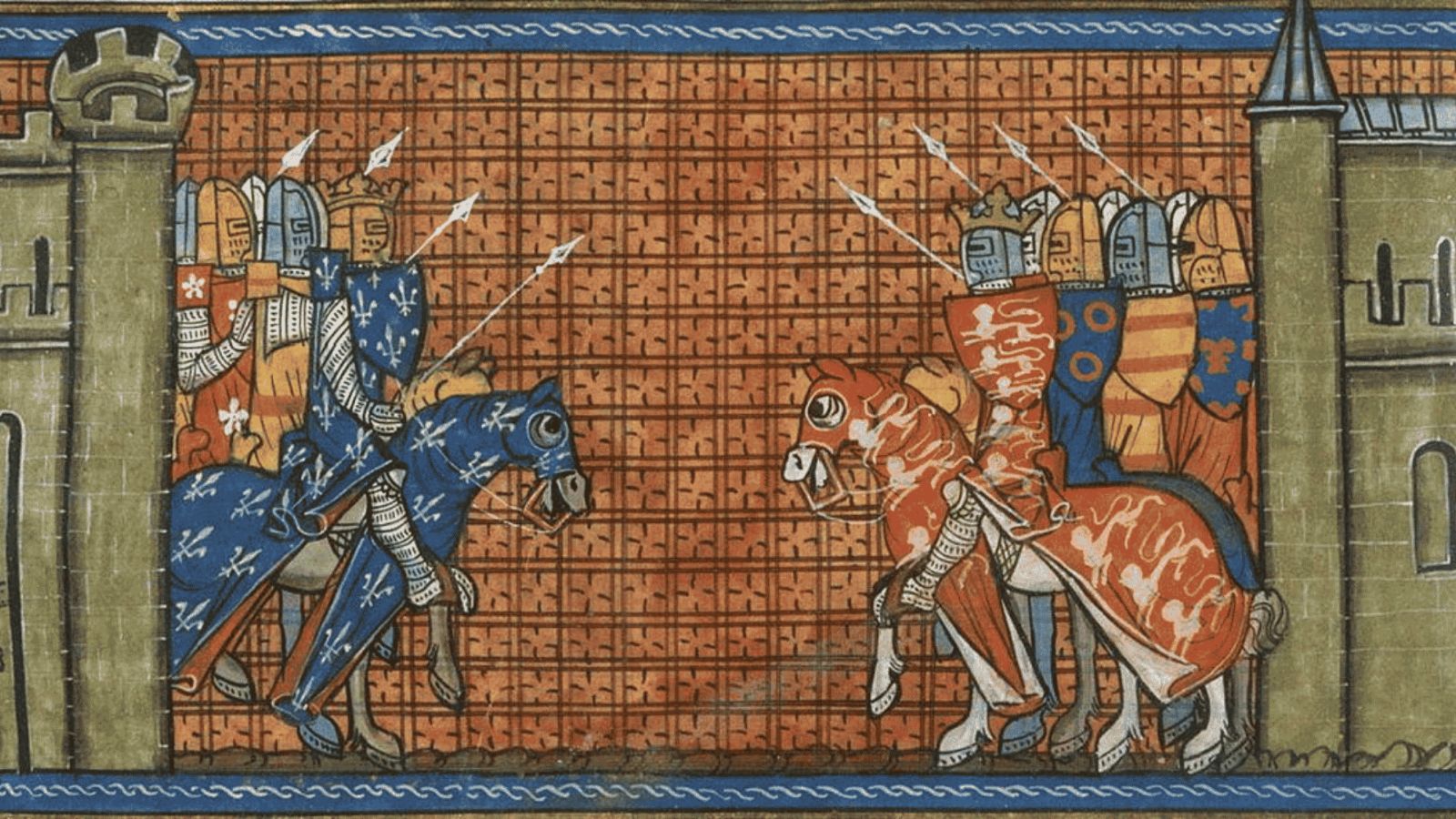
The Plantagenet Era
1154 - 1485 AD
An age of sweeping territorial expansion and structural legal revolution. This era established English liberties through Magna Carta while weathering the grueling Hundred Years' War.
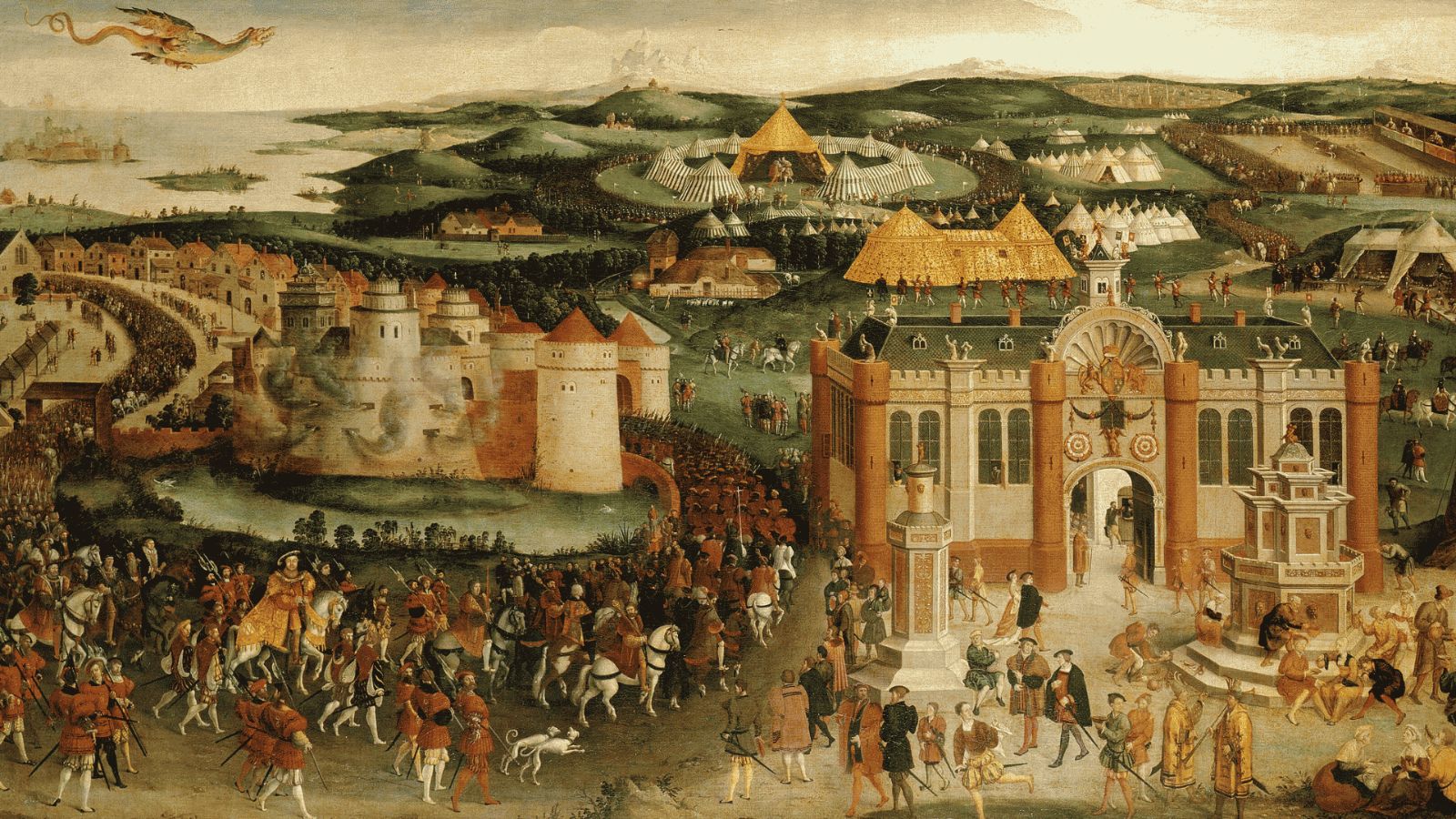
The Tudor period
1485 - 1603 AD
A decisive century that permanently reshaped the nation through the English Reformation. This period secured England’s independence, highlighted by the historic defeat of the Spanish Armada.
A People that Shaped the World
From a small island on the edge of Europe, the English people built a monumental legacy that transformed the globe across centuries of discovery and conquest. The birth of common law, the rise of parliamentary democracy, and the spark of the Industrial Revolution all began here, altering the course of human history and laying the foundations of the modern world. At their peak, these systems were exported around the world, reshaping the lives of billions of people.
These global achievements did not happen by chance; they grew directly from the distinct culture, shared kinship, and character of the English themselves, forming an inheritance forged by a population deeply tied to their land. Our archive tracks this impact back to its source, mapping the ancestral roots, legal evolutions, and spiritual traditions that bind our people.
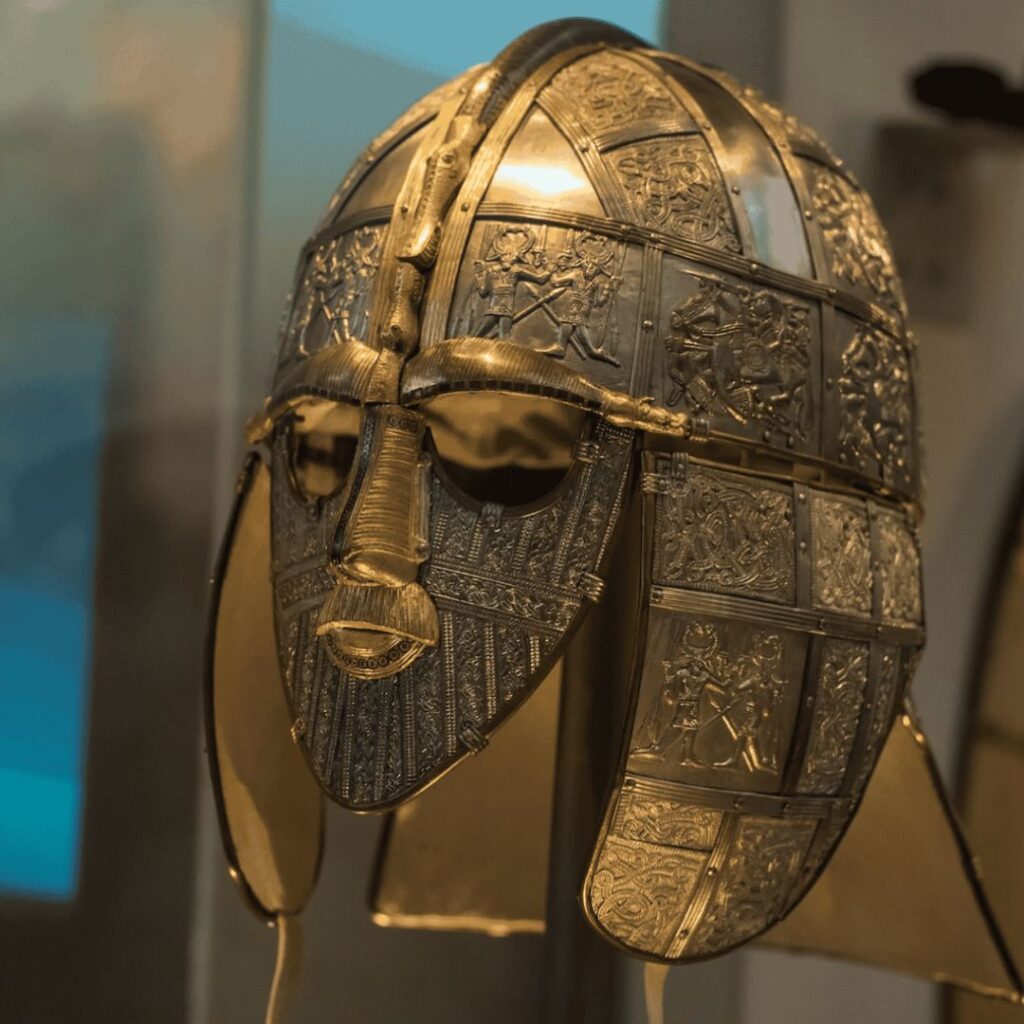
Replica of the Anglo-Saxon Sutton Hoo helmet (c. 7th century), thought to have been owned by King Rædwald of East Anglia.
1,100 Years of Monarchy: Æthelstan to Charles III.
For over eleven centuries, the English monarchy has endured as an anchor of European history. From the immediate heirs of King Alfred the Great to the modern reign of King Charles III, the Crown has weathered the bloody birth of a unified nation, bitter existential struggles between king and parliament, the rise and fall of an empire, and the transition into a constitutional state.This survival was never a peaceful evolution; it was a relentless battle against foreign threats, domestic rebellions, and devastating dynastic wars that repeatedly tore apart the line of succession.
As the institution entered the modern era, the old absolute powers of the throne gave way to a historic role of national continuity, grounding the state through centuries of rapid political decay and social transformation. We explore this unbroken lineage from its foundations to the modern age, tracing the histories of our ruling families from the foundational House of Wessex and the defining Tudor line down to the modern Windsor era.
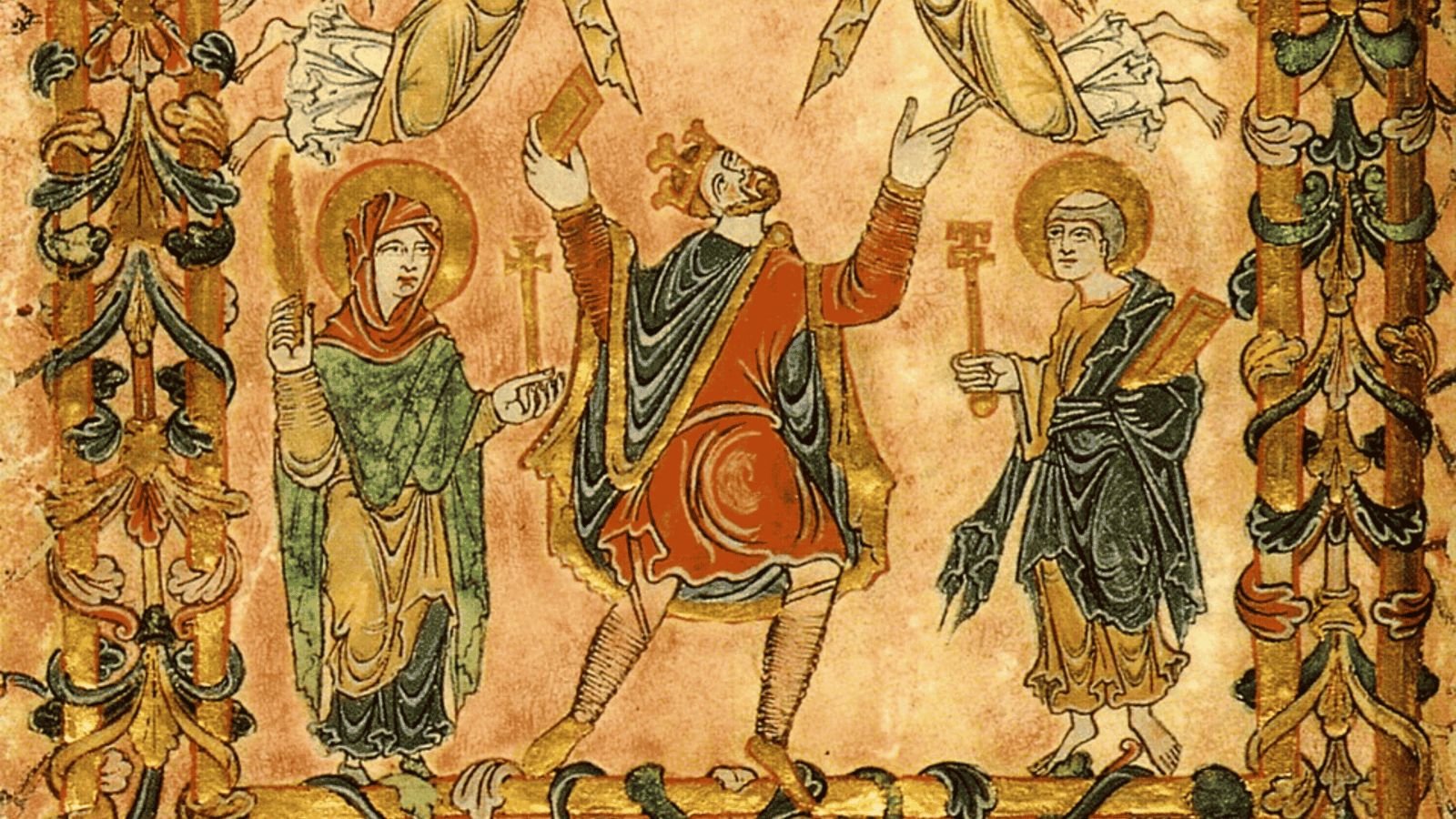
House of Wessex
802 - 1066 AD
The royal lineage that forged a unified England from the wreckage of invasion. Driven by King Ecgberht’s rise and King Alfred the Great’s victories, this founding dynasty defended the realm until its collapse in 1066.
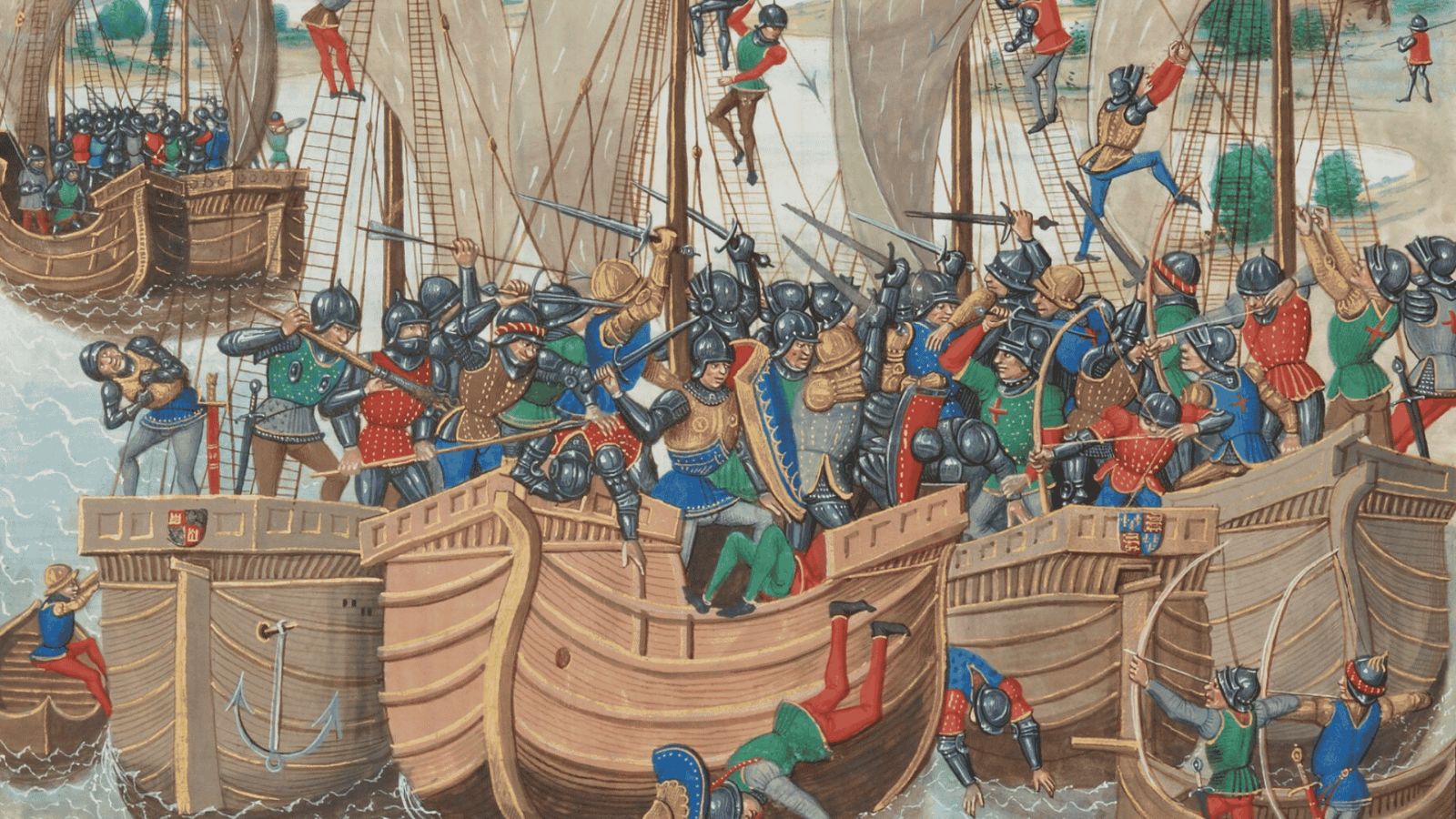
House of Plantagenet
1154 – 1485 AD
A powerful dynasty that aggressively expanded royal authority and territory across Europe. Their centuries of rule established the bedrock of English common law despite brutal, recurring internal rebellions.
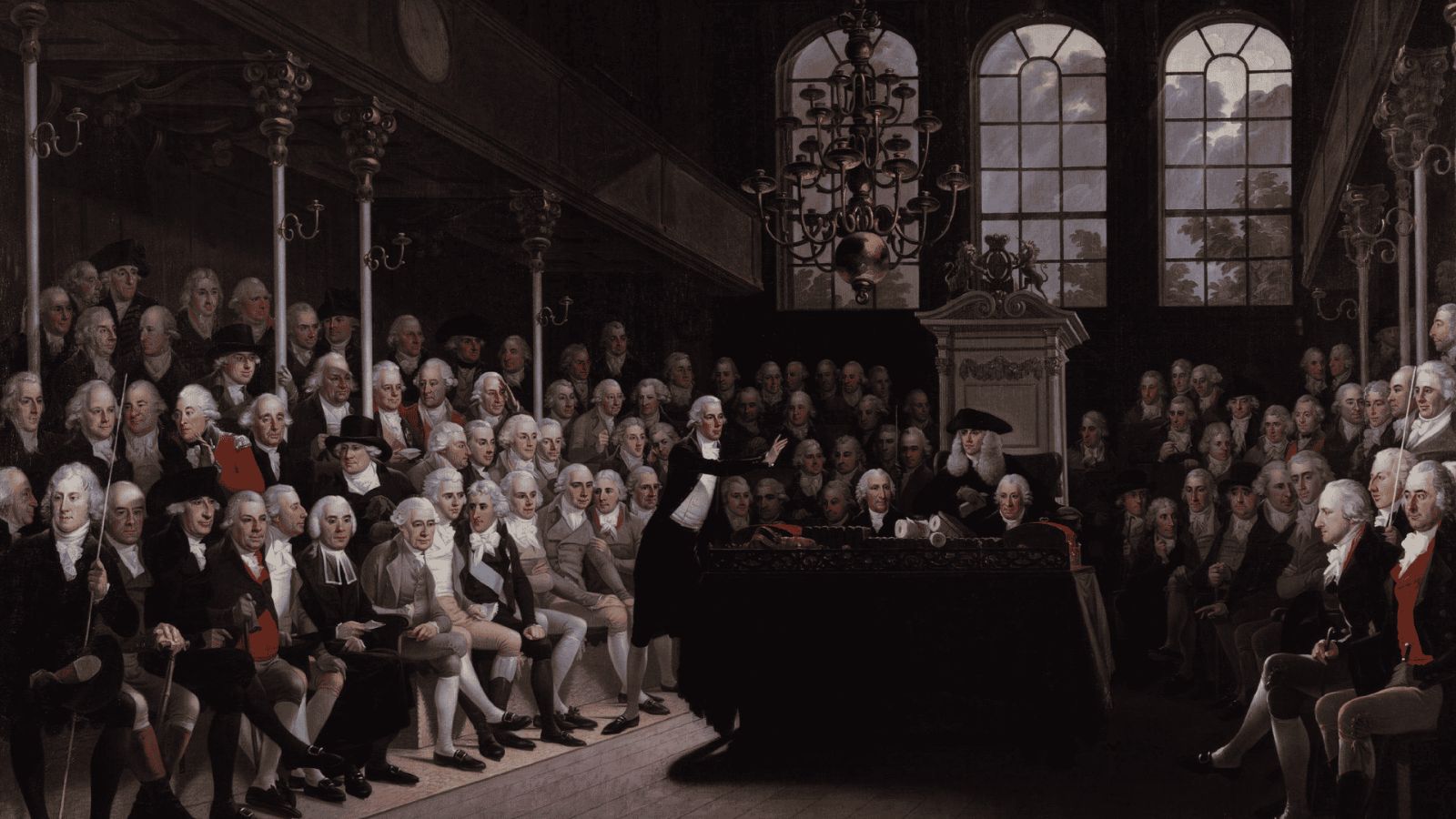
House of Hanover
1714 – 1901 AD
Secured the Protestant succession and oversaw the transition to a parliamentary state. Under King George III and Queen Victoria, this house presided over massive global expansion and industrial transformation.
Stay Connected
The Spread of Civilisation: A Global Footprint
From a string of vulnerable coastal trading posts, the English built the largest empire in human history, establishing a global infrastructure that forged the modern world. Driven by maritime daring, commercial enterprise, and unparalleled naval supremacy, this expansion began when bold explorers set sail into uncharted waters, opening the world for successive generations. From the global circumnavigations of Sir Francis Drake and James Cook to the charting of vast continents, these pioneering voyages carried English law, technology, and language to every corner of the earth.
This sweeping expansion grew from a deliberate combination of discovery, industrial development, and sheer administrative will. It birthed the global trading routes that fueled the Industrial Revolution, introduced structures of justice and parliamentary governance, and forged stable new nations across the oceans. Our archive explores this historic legacy, tracing the legendary maritime voyages, global commercial developments, and lasting legal frameworks that allowed a small island kingdom to become the ultimate architect of ordered liberty worldwide.
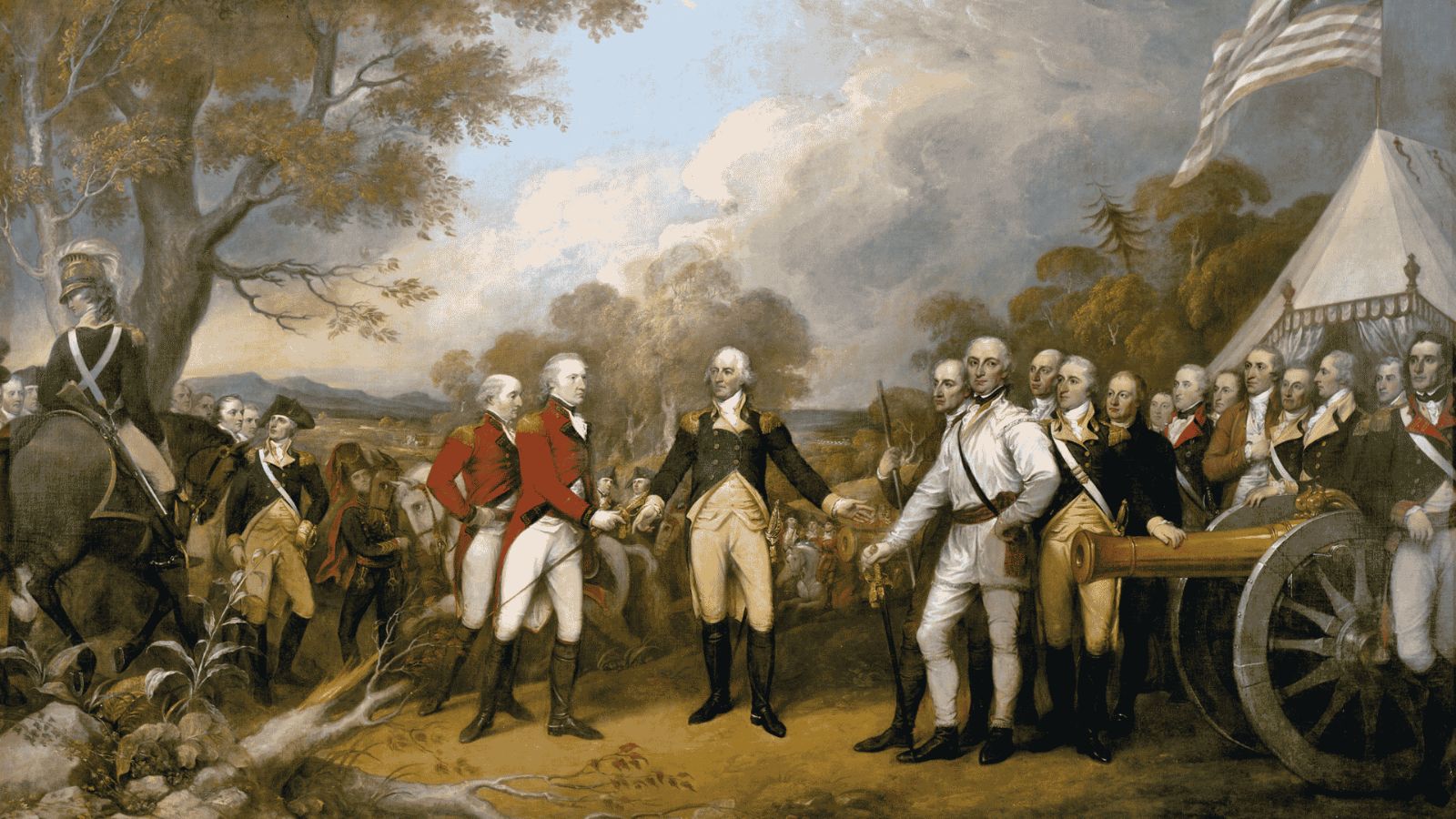
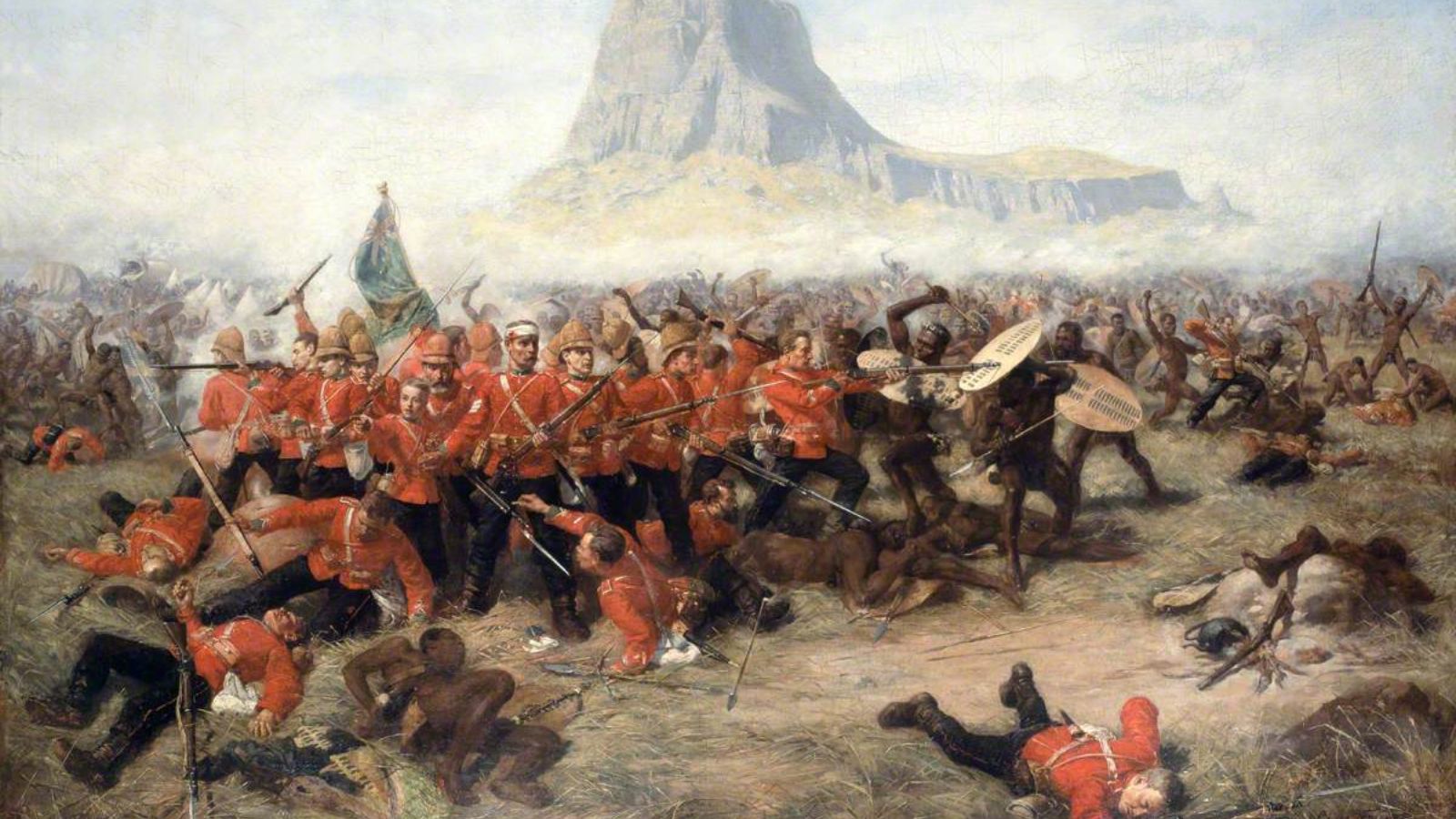
The First British Empire
1583 – 1783 AD
The pioneering era of expansion across North America and the Caribbean. This foundational period successfully established England’s strategic maritime trade networks across the Atlantic economy.
The Second British Empire
1783 - 1945 AD
A triumphant era that shifted global projection toward Asia, Africa, and the Pacific. This period saw the rapid consolidation of the British Raj alongside undisputed global naval supremacy.
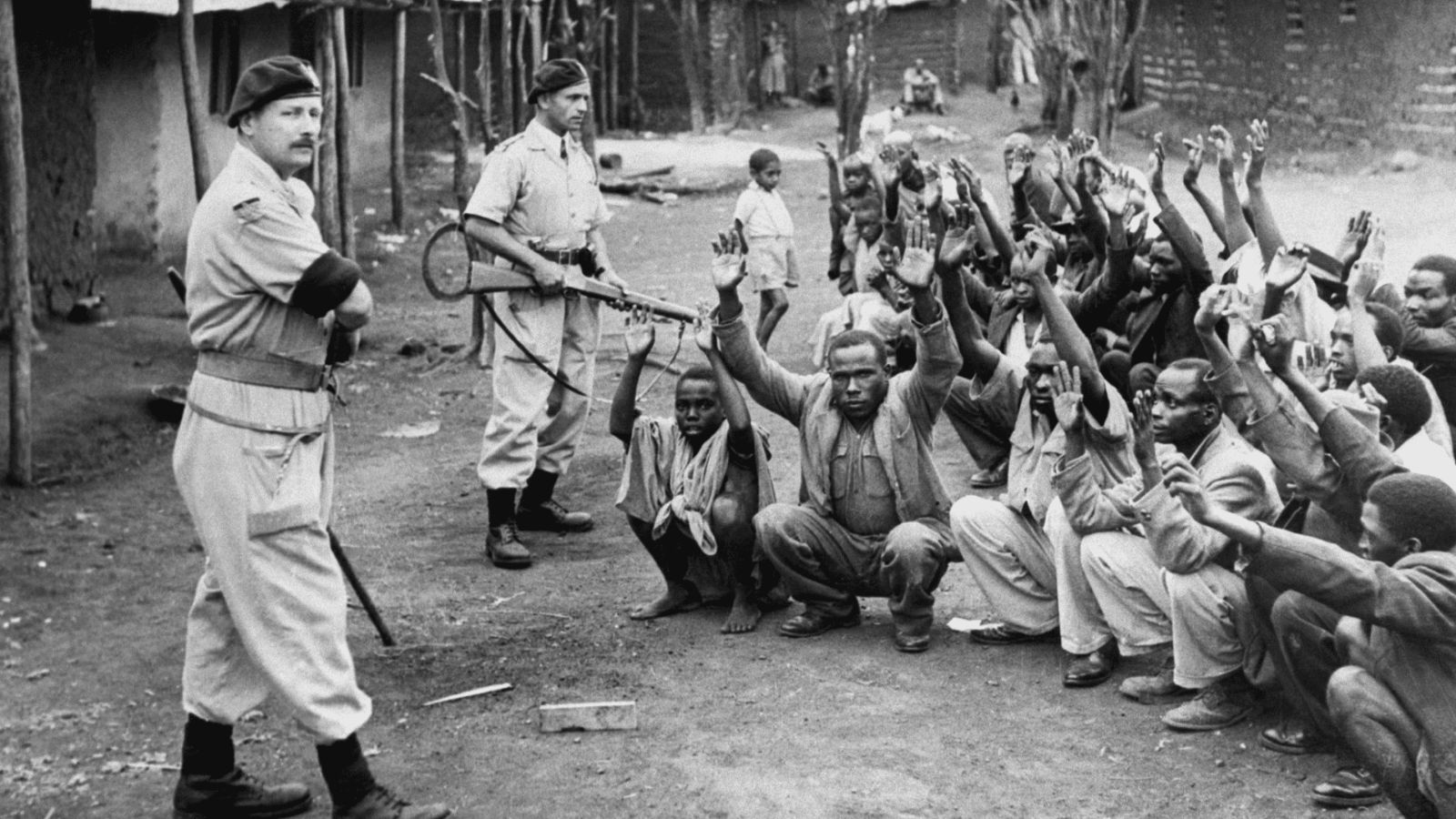
Decline and Decolonisation
1945 - 1997 AD
The final chapter marked by the orderly transfer of overseas territories under shifting geopolitical pressures. This transition culminated in the 1997 handover of Hong Kong, concluding centuries of global administration.
The Chronicles of Eld: Myth, Memory, and the Written Record
The preservation of a nation relies entirely on the custody of its memory, kept alive across generations by those who refuse to let the past fade into oblivion. English historical consciousness did not emerge in isolation; it was forged through a direct synthesis of ancient British myth and meticulous historical record. At the heart of this inheritance lies the Matter of Britain—the legendary cycle of King Arthur—which transcended mere folklore to become a foundational pillar of the national soul, where, far from being a detached fantasy, this mythic legacy bled directly into the stream of real history, seized upon by the earliest chroniclers to inspire a distinct cultural destiny.
This monumental task of defining the country's origins fell to a continuous line of historians who guarded the flame of remembrance through centuries of upheaval. From the foundational early accounts of Gildas and Nennius to the intimate Saxon records of Asser and the Venerable Bede, and through to the sweeping medieval narratives of Henry of Huntingdon and Thomas Walsingham, these men did not merely record passing events—they carved the lineage of the English people into the permanence of the written word.
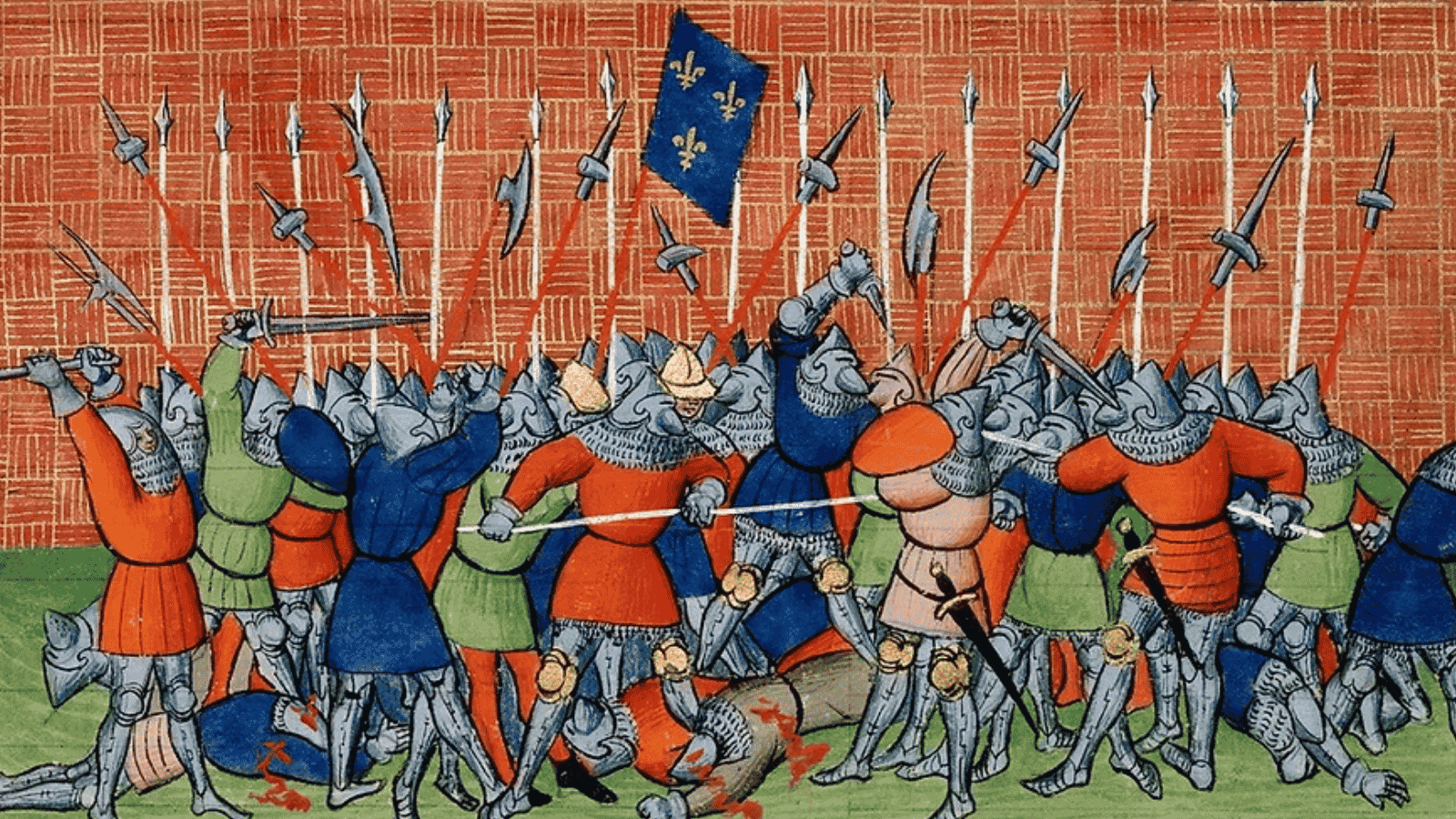
The Chronicles of Britain
540 – 1555 AD
The dedicated historians who guarded our records, from the early accounts of Gildas through to the Tudor works of Polydore Vergil. This continuous line of writers carved our history permanently into the written word.
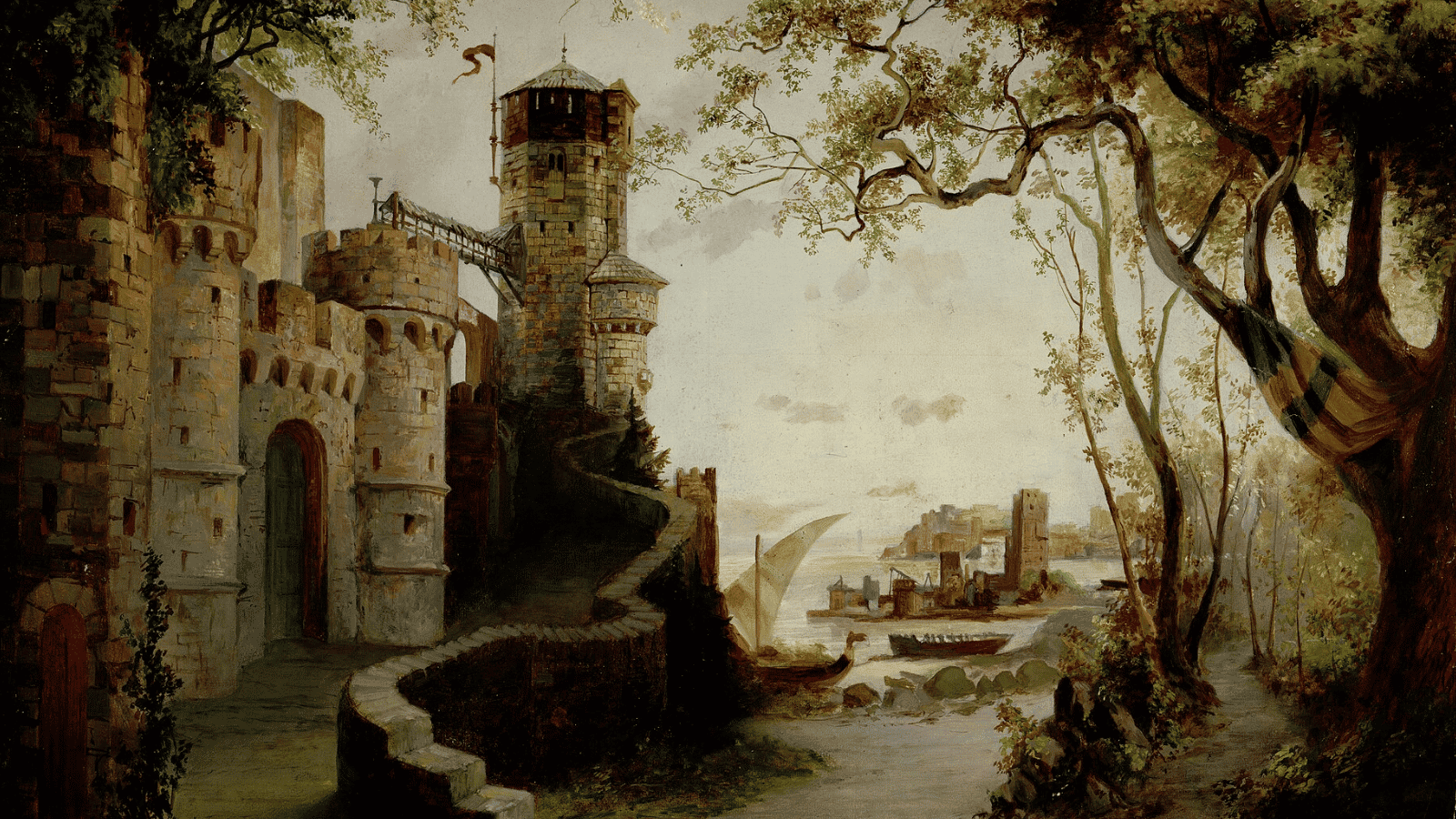
The Matter of Britain
500 – 1485 AD
The legendary Arthurian cycle that shaped the chivalric ideals and spiritual lineage of the realm. Far from mere folklore, these grand traditions became an enduring pillar of the national soul.
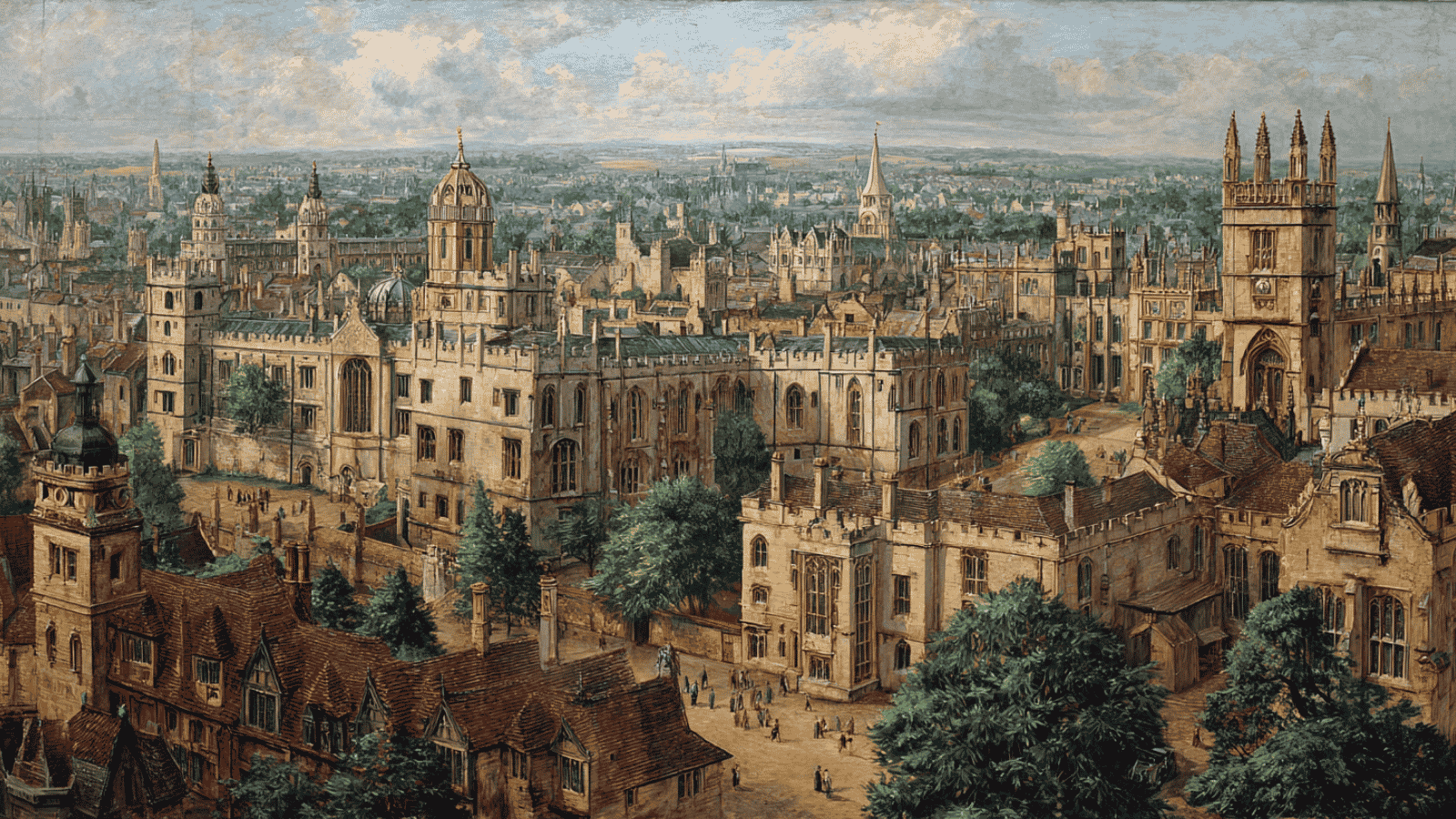
Evolution of the English Language
4500 BC – Present
Tracing a monumental journey from Proto-Indo-European roots through Anglo-Saxon majesty to the global modern tongue, this transformative development birthed the most powerful linguistic legacy in human history.
History of England FAQs