
A Global Project:
The British Empire
Foundations of a Global Power
The British Empire stood as the largest maritime dominion in human history, developing into an unprecedented power that permanently redrew the political, linguistic, and economic maps of the modern world. Spanning over three centuries, this sweeping territorial network grew from a loose collection of Atlantic trading posts into a global superpower that bound vast territories across every ocean under a single crown.
The physical legacy of this expansion remains deeply embedded in modern society, visible in the worldwide dominance of the English language, the widespread adoption of parliamentary governance, and the foundational legal frameworks of the Anglosphere. This vast network was engineered through unmatched naval supremacy, merchant enterprise, and a centralized governing apparatus that funneled the wealth and raw materials of every continent straight back to the ports of Great Britain.
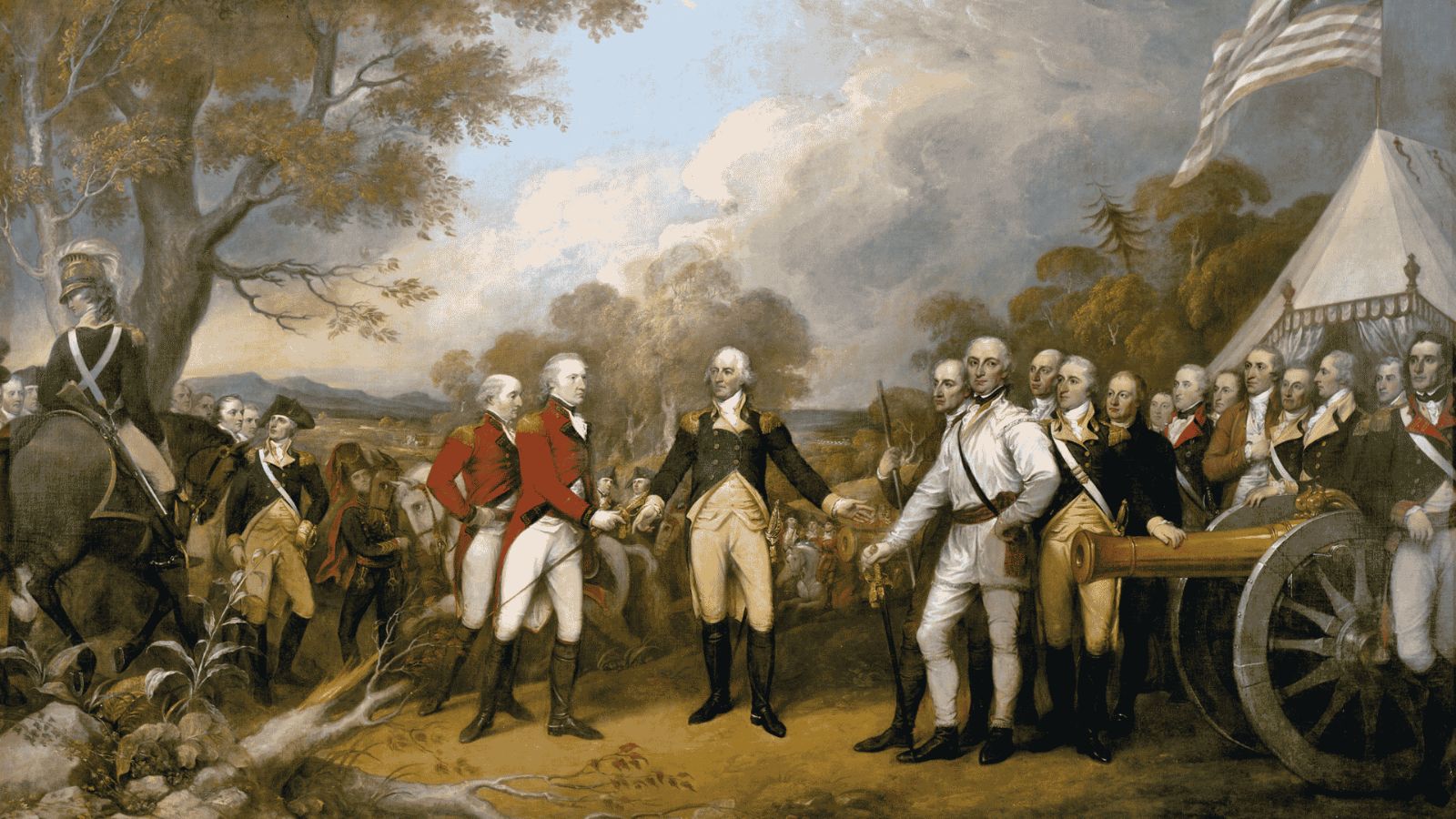
The first British Empire
1583 – 1783 AD
Anchored in the Atlantic economy, this early era focused on mercantile growth and the settlement of North America and the Caribbean. This initial global chapter came to a definitive close following the loss of the Thirteen American Colonies.
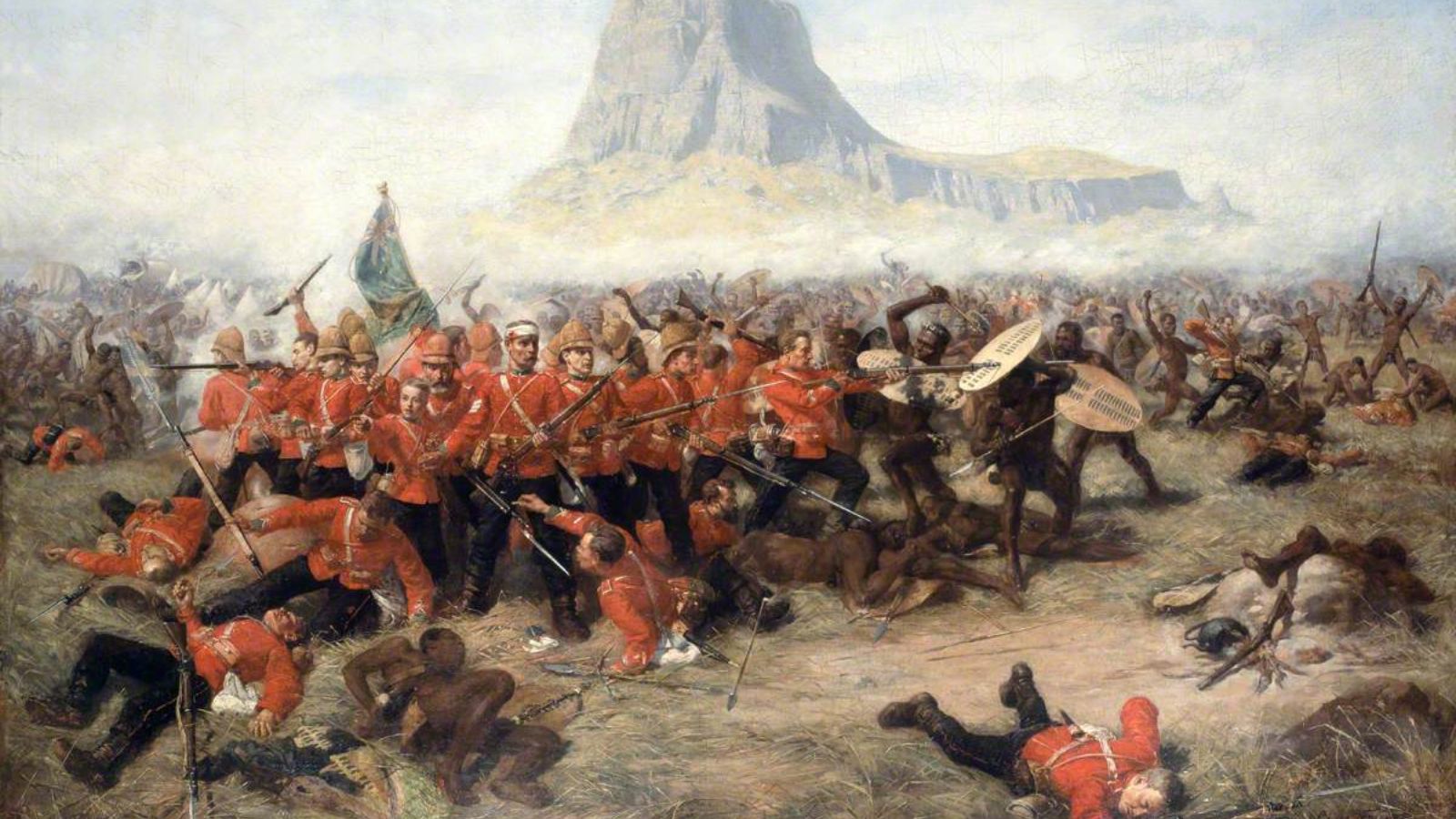
The Second British Empire
1783 - 1945 AD
Triggered by an aggressive pivot toward Asia, Africa, and the Pacific, this era witnessed the conquest of India and the Scramble for Africa, transforming the Crown into the world's undisputed superpower, ruling over a quarter of the globe.
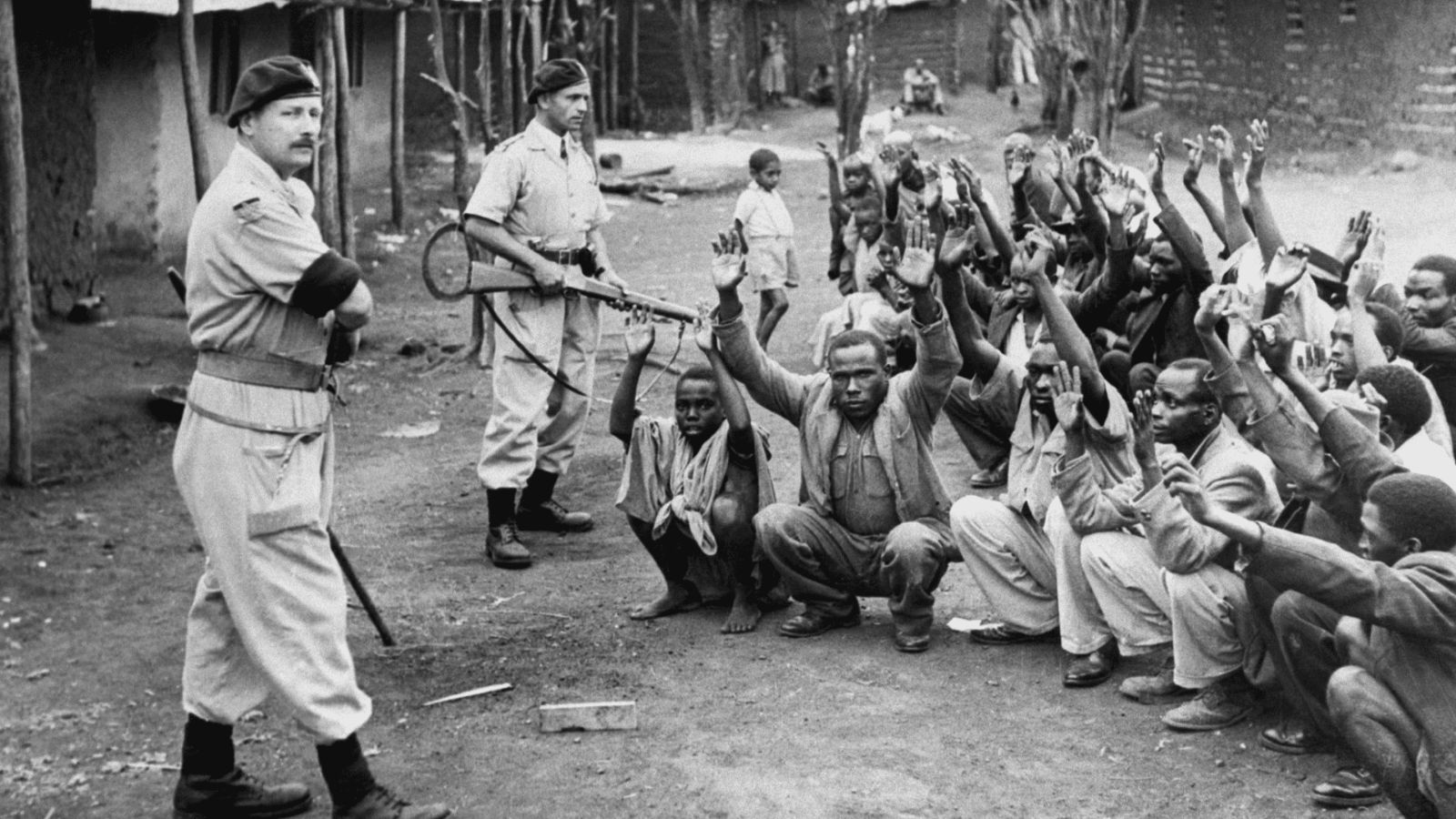
Decline and Decolonisation
1945 - 1997 AD
Shattered by two devestating world wars, the empire faced a wave of rising nationalism & unrest. This era brought the rapid dismantling of imperial territories under the "Wind of Change," culminating in the handover of Hong Kong.
Atlantic Expansion: The First British Empire
The initial phase of global expansion was entirely commercial, driven by corporate enterprise, merchant shipping, and strategic settlement across the Atlantic Ocean. Beginning in the late sixteenth century, the Crown granted royal charters to joint-stock companies, enabling pioneers to plant permanent outposts along the eastern seaboard of North America and throughout the Caribbean.
This expanding mercantile network was powered by the lucrative tobacco, sugar, and shipping industries, operating under strict protectionist laws designed to enrich the home nation. However, the immense prosperity of this Atlantic economy relied heavily on the transatlantic slave trade, which forcibly transported millions of African laborers to British plantations to fuel production.
This early chapter came to a sudden close in the late eighteenth century when decades of escalating friction over taxation and political representation alienated the American colonists, triggering the American Revolutionary War. The loss of the Thirteen Colonies in 1783 fractured the Empire, bringing a definitive end to the first outward attempts, and forcing the British government to completely re-evaluate global strategy.
Related Topics:
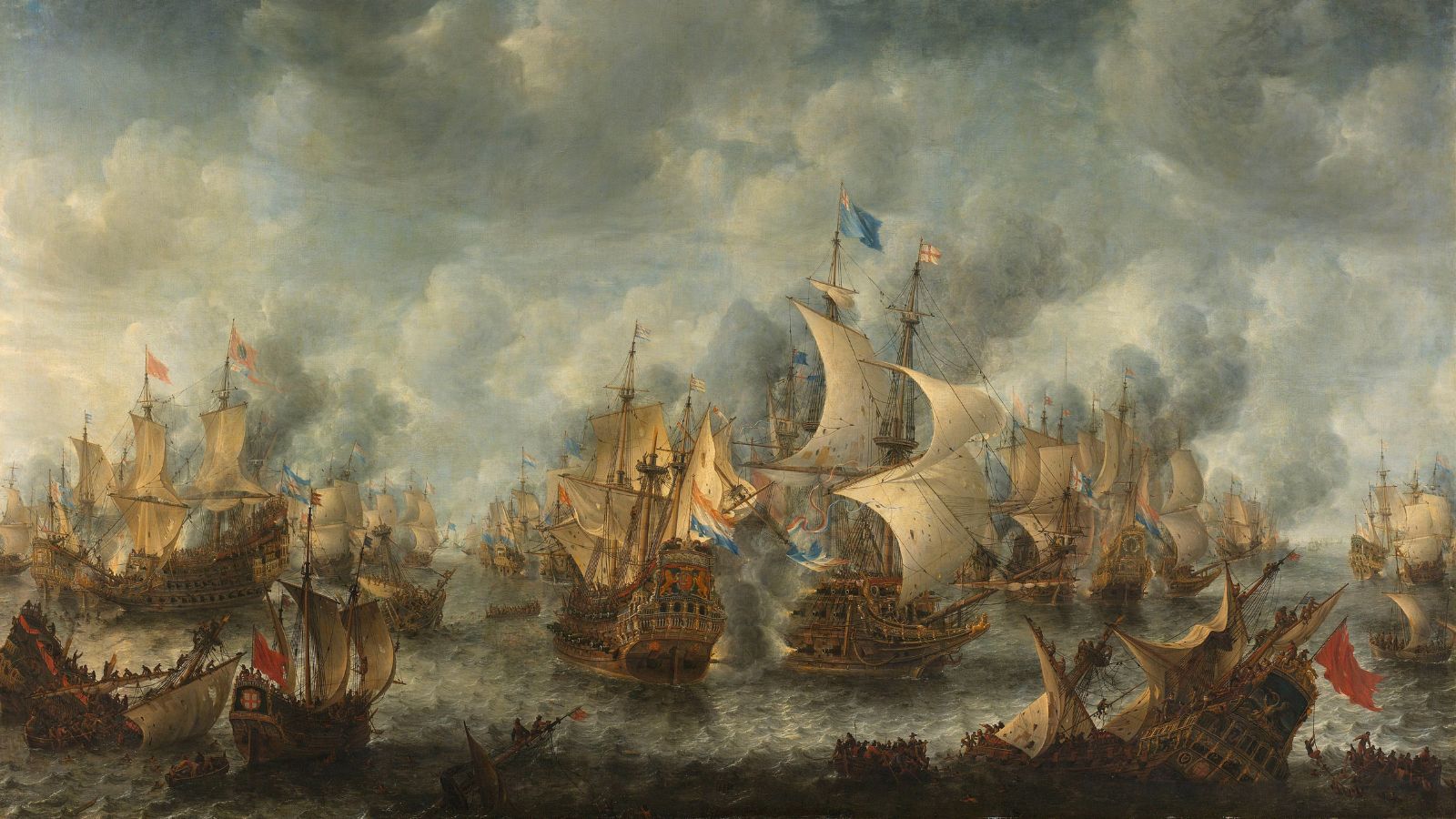
The Stuart Era
1603 - 1714 AD
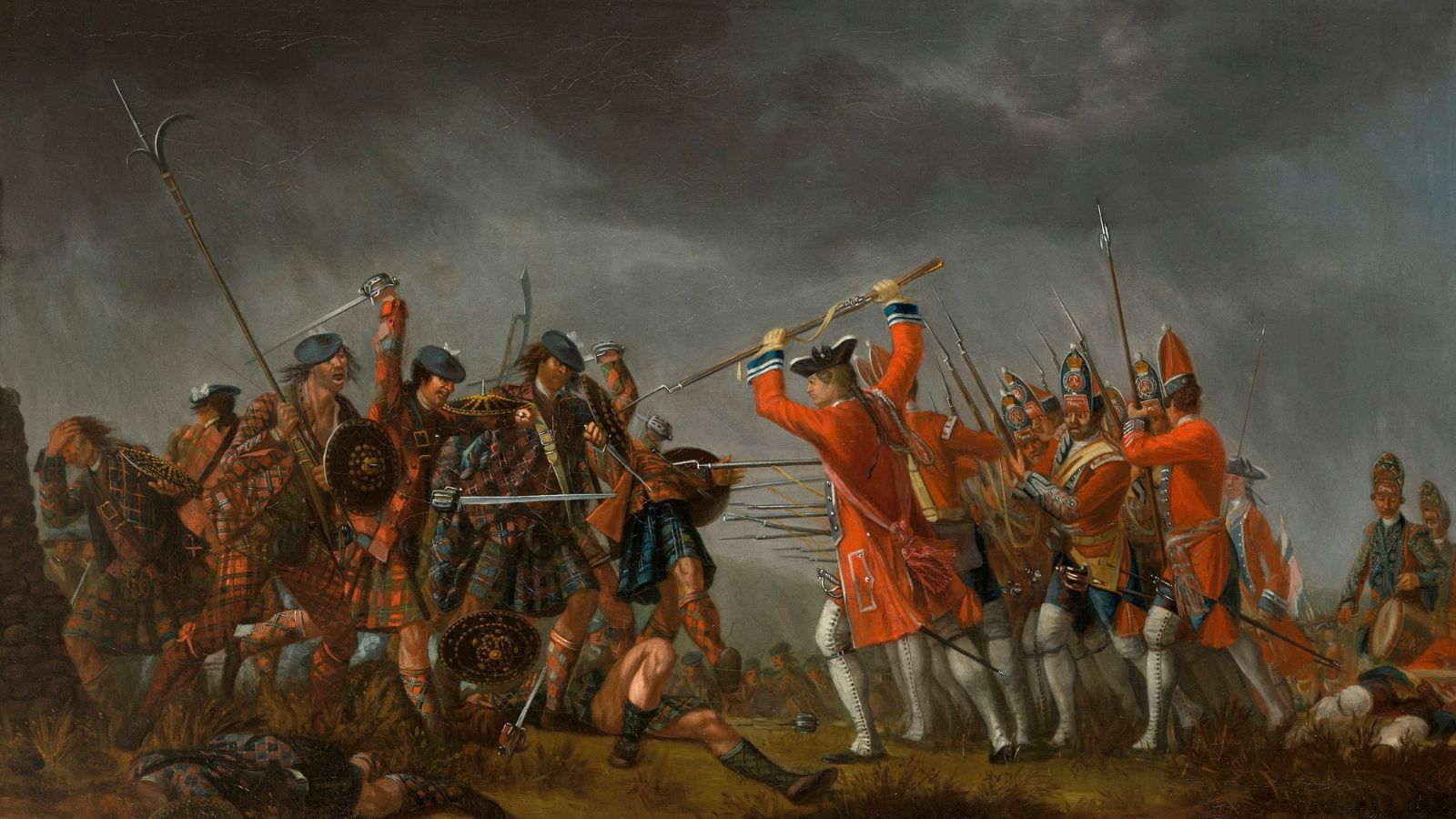
Defined by extreme constitutional and religious conflict, the Stuart Era witnessed the union of the English and Scottish crowns, outbreak of the Civil War, the public execution of Charles I, and establishment of a stable constitutional monarchy.
The Georgian Era
1714 - 1837 AD
Marked by the intellectual shifts of the Enlightenment and the formal unification of Great Britain, the Georgian Era saw the dramatic expansion and initial collapse of a global mercantile empire and the early innovations of the Industrial Revolution.
The Eastern Shift: The Second British Empire
The catastrophic loss of the American colonies forced the British state to reorient its strategic ambitions, executing a major shift toward the Eastern Hemisphere. This new imperial domain found its primary economic engine in the East India Company, which rapidly transitioned from a corporate trading venture into an aggressive governing power. Following Robert Clive’s decisive tactical victory at the Battle of Plassey in 1757, the company deployed private armies to expand its territorial grip, eventually bringing the entire Indian subcontinent under British control.
This Asian empire became the foundational blueprint for a secondary wave of high imperial conquest across the African continent during the late nineteenth century. Facing intense industrial competition from a newly unified Germany, Great Britain aggressively participated in the Scramble for Africa, carving out a continuous corridor of crown colonies that stretched from Egypt down to the diamond fields of South Africa.
Unlike the first empire, this secondary domain was specifically engineered as a centralized trade monopoly. The state prioritized the total control of critical maritime chokepoints, the extraction of industrial raw materials, and the enforcement of absolute naval dominance across the global seas to secure a vast captive market for British manufacturing.
Related Topics:
House of Hanover
1714 - 1901 AD
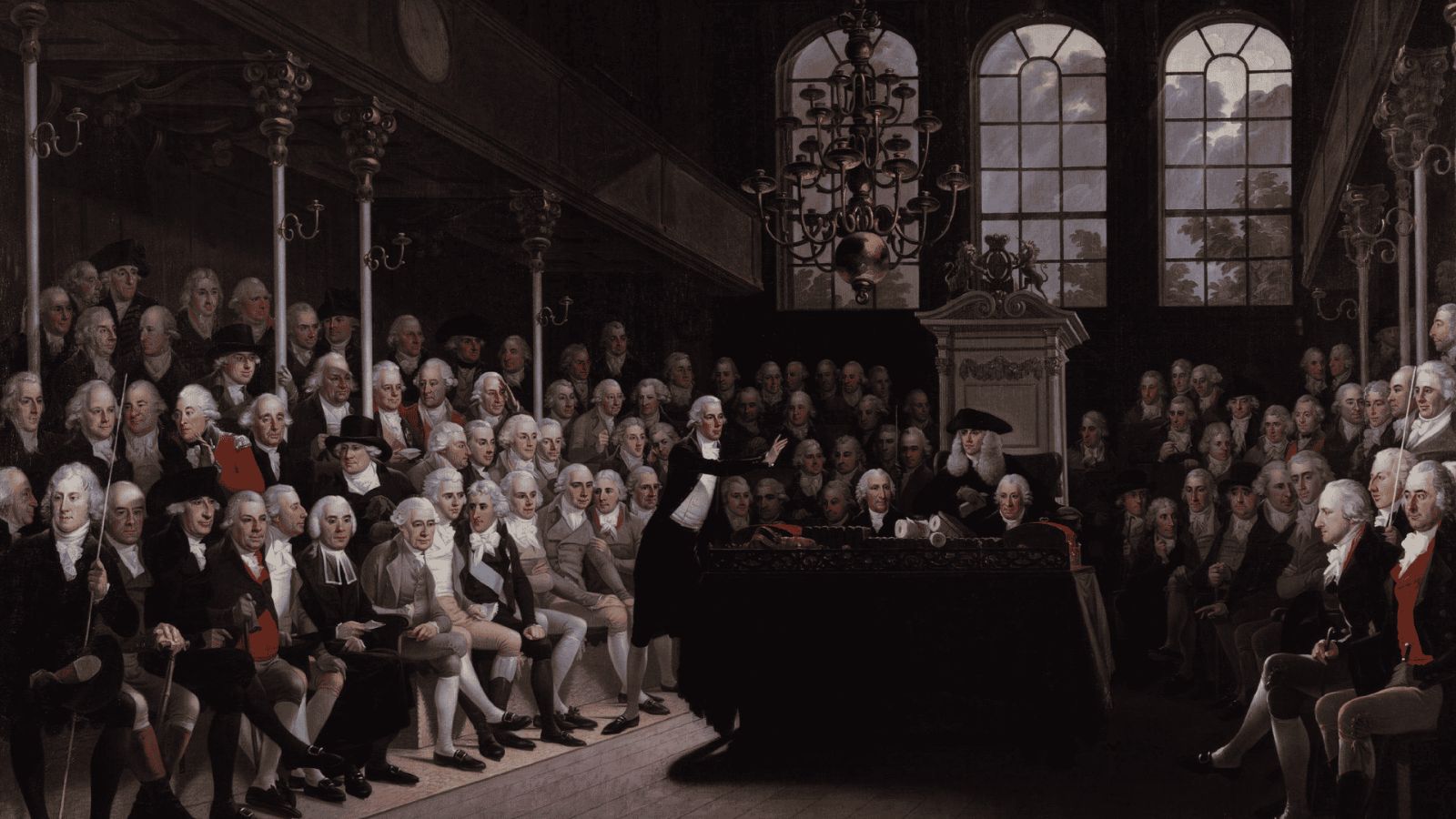
Brought from Germany to secure a Protestant succession, the House of Hanover presided over the rise of a global mercantile empire. Under their rule, direct political power systematically shifted away from the Crown.
The Victorian Era
1837 - 1901 AD
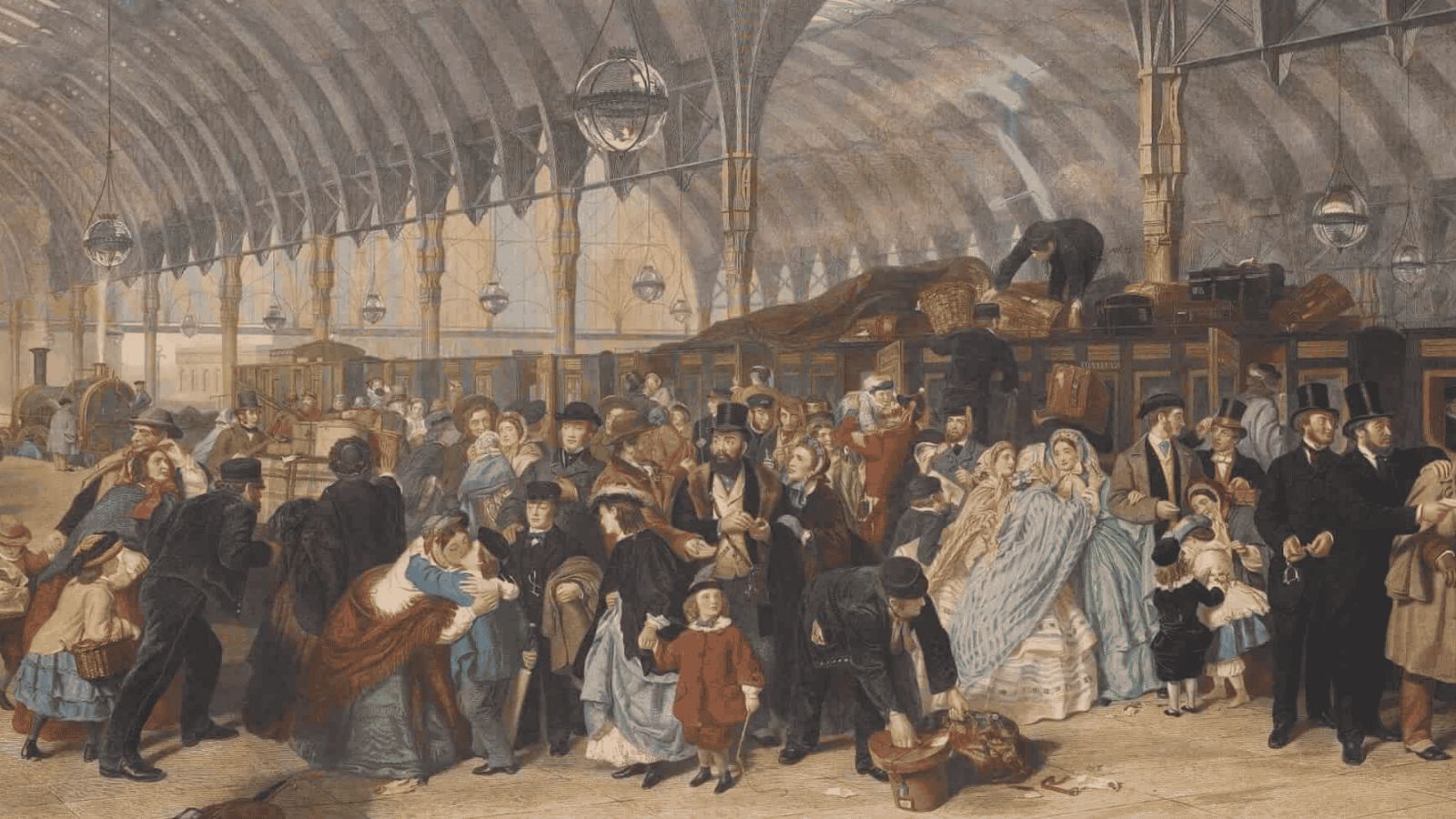
An epoch of unparalleled global economic and territorial dominance, marked by the height of the Industrial Revolution, urbanisation, and sweeping social reforms that reshaped the modern British class structure.
Pax Britannica: The Empire at its peak
By the turn of the twentieth century, the British Empire reached its geographical peak, encompassing roughly a quarter of the world’s landmass and ruling over more than four hundred million subjects. This vast global network was maintained through varying tiers of administrative control, ranging from directly ruled Crown colonies to self-governing Dominions like Canada and Australia.
Underpinning this entire global estate was Pax Britannica—a century of relative peace maintained by Britain's economic dominance and the unmatched naval supremacy of the Royal Navy.
This era of maritime stability turned the empire into an absolute superpower, concentrating wealth in the home nation and anchoring international commerce to British shipping lanes, financial markets, and industrial networks.
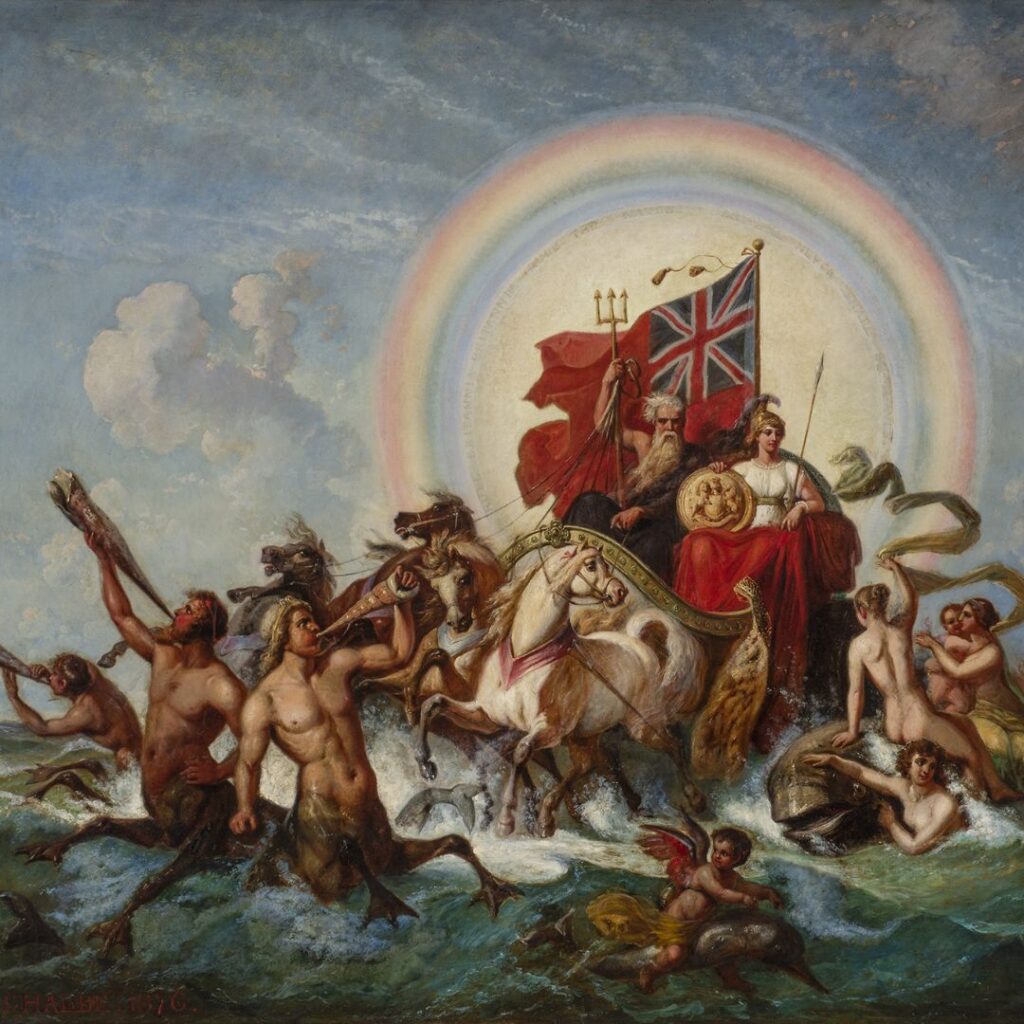
Britannia Rules the Waves, by Nicholas Habbe, 1876
Stay Connected
The British Empire at War
While the empire reached its maximum territorial expansion following the First World War, the conflict unleashed a wave of native nationalism that permanently destabilised colonial control. Across Asia, Africa, and the Middle East, indigenous populations increasingly resisted British rule, demanding self-determination and challenging the very legitimacy of overseas governance. This internal friction escalated dramatically during the interwar years, forcing the Crown to grant greater political concessions and legal autonomy to its territories to prevent outright rebellion.
The outbreak of the Second World War dealt the definitive killing blow to this overextended global domain. Although hundreds of thousands of colonial troops fought alongside British forces, the financial strain of the conflict completely bankrupted the home nation, while the rapid capture of East Asian territories by foreign adversaries shattered the long-standing illusion of European military invincibility.
Left financially exhausted, facing heavy diplomatic pressure from the United States, and confronting violent insurrections—such as armed Zionist campaigns in Mandate Palestine—the state no longer possessed the economic or military resources required to police its borders, making the rapid collapse of the empire inevitable.
Related Topics:
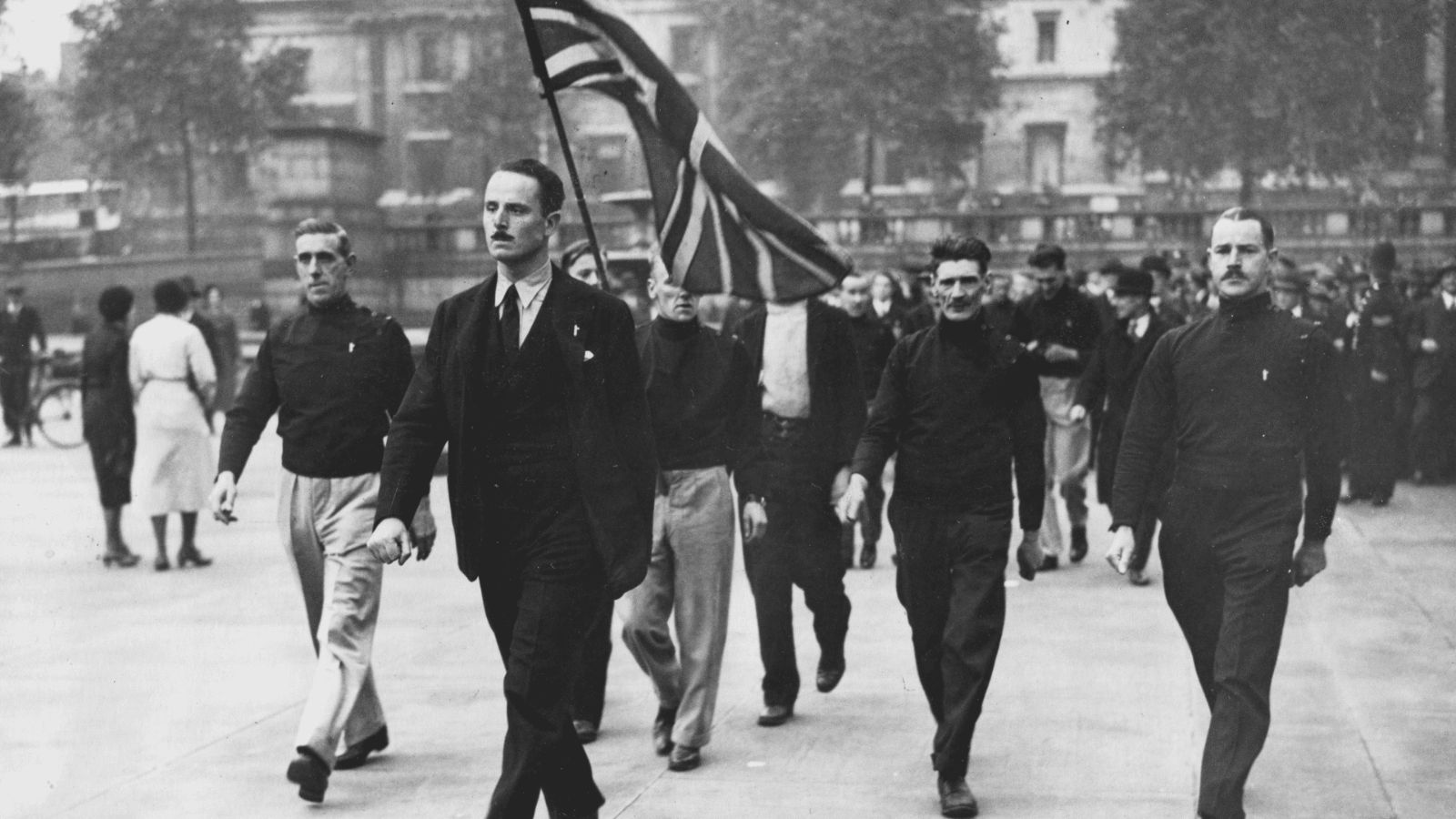
Interwar Britain
1918 - 1939 AD
The Interwar years were marked by severe economic depression and industrial unrest, balanced against expanding democratic rights, rapid modernisation, and the growing threat of another global conflict.
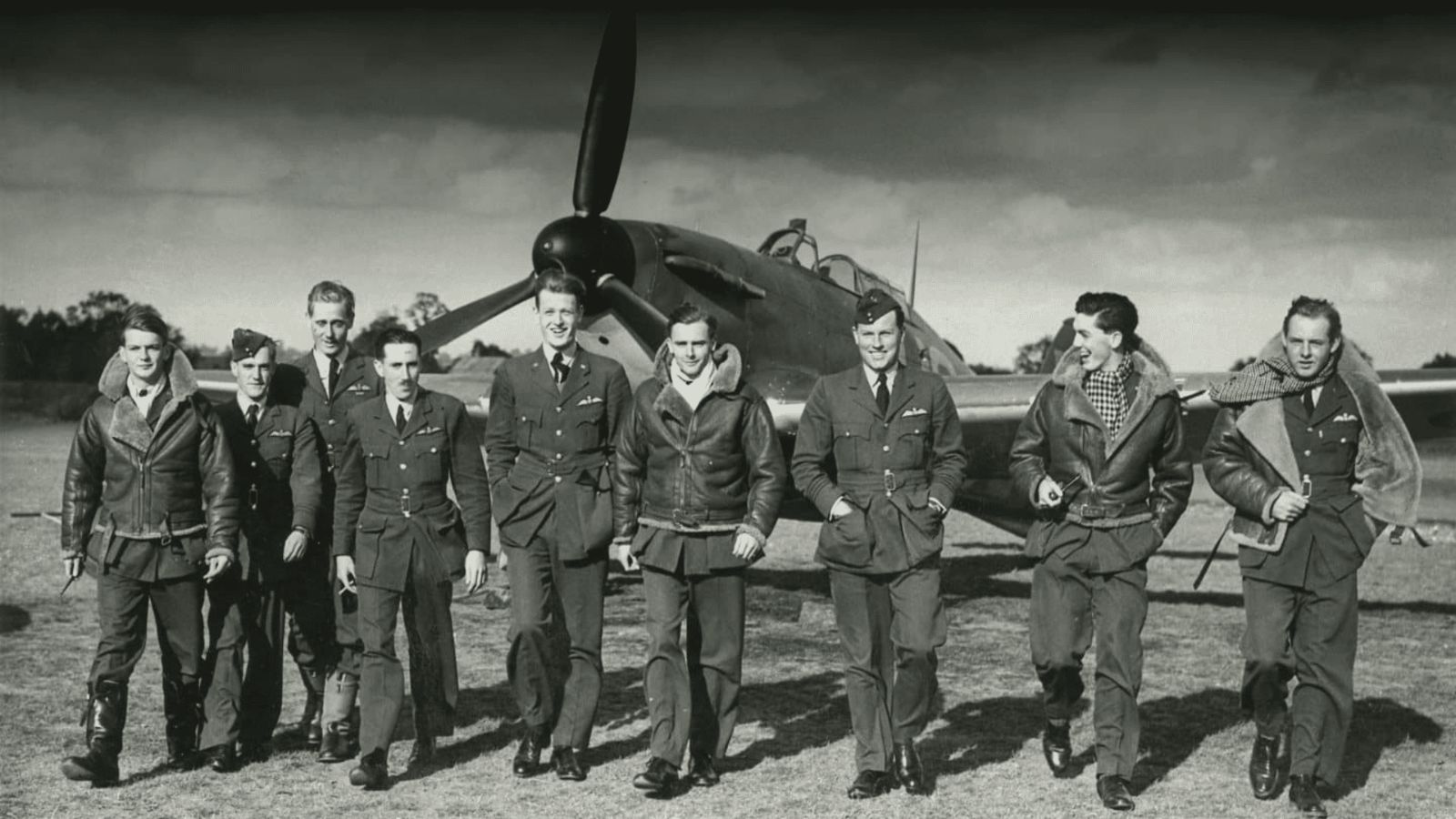
Britain in World War 2
1939 - 1945 AD
Six years of warfare marked by catastrophic human loss, relentless aerial bombardment, and massive economic sacrifice, leaving the country heavily indebted and poised for radical domestic transformations.
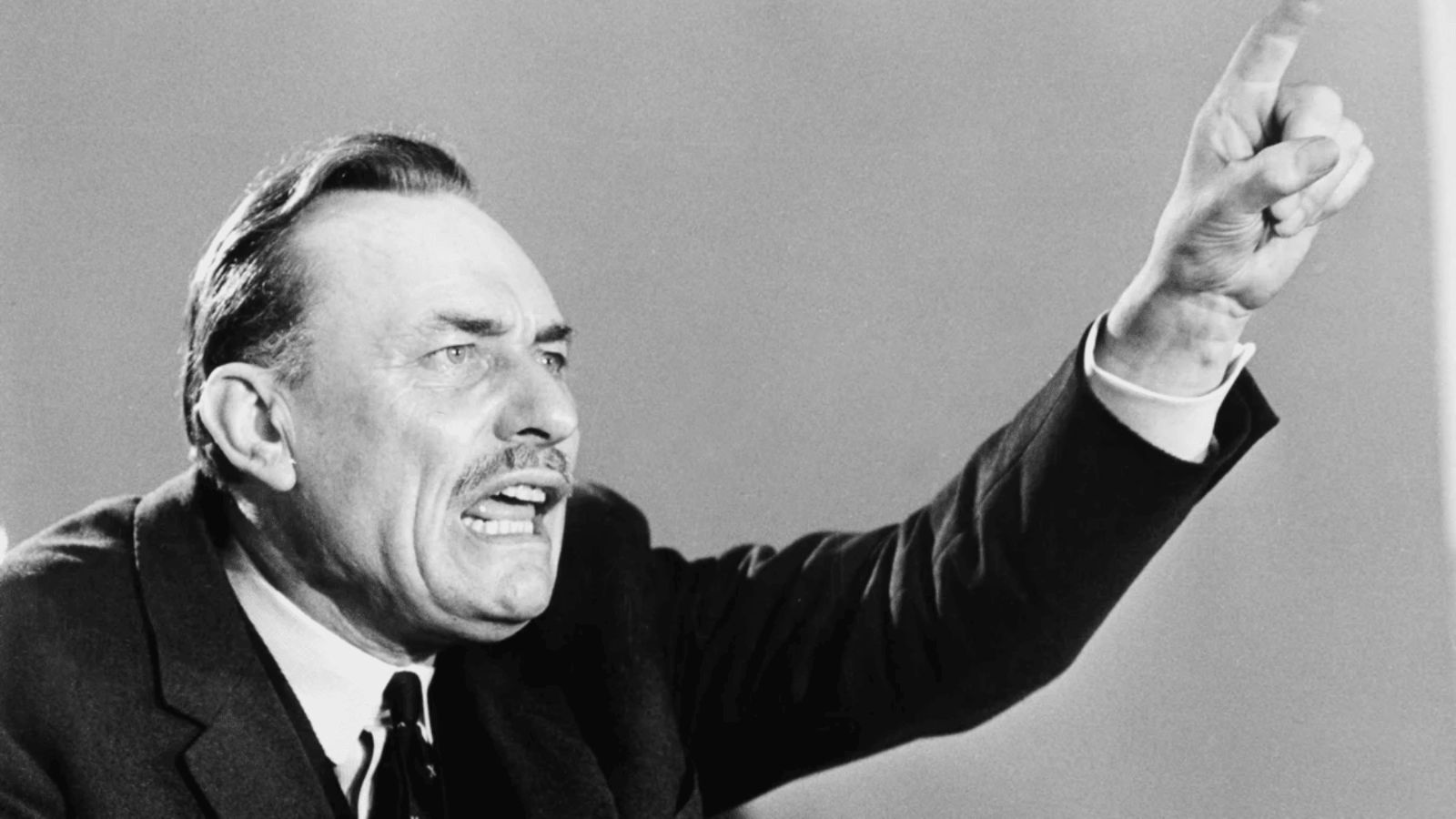
Post-War Britain
1945 - 1990 AD
An era of massive reconstruction that witnessed the historic birth of the modern welfare state, the systematic decolonisation of the British Empire, and cold war geopolitical shifts up to the late twentieth century.
The Wind of Change
The decades following the Second World War brought a rapid retreat from global empire as the British state initiated a rapid process of decolonisation. This era of swift imperial withdrawal was famously captured by Prime Minister Harold Macmillan in 1960 as the "wind of change," an acknowledgement that the growth of colonial national consciousness was a political fact that the Crown could no longer resist.
This retreat provoked fierce, bitter domestic resistance from traditionalist factions within parliament, who viewed the abandonment of the colonies—especially following the humiliating surrender of the Suez Canal in 1956—as a betrayal of national prestige and a lawless retreat from global responsibility.
Despite these internal political battles, the dismantling of global authority gathered momentum, beginning with the bitter, blood-drenched partition and independence of India and Pakistan in 1947. Dozens of territories across the Caribbean, Africa, and the Pacific successfully claimed self-governance over the subsequent decades. Rather than entangling its depleted military in protracted colonial wars, the British government focused on managing the transfer of administrative authority, a process that frequently fractured on the ground amid intense religious and ethnic tensions.
This multi-century imperial chapter came to its symbolic conclusion on 1 July 1997, when the formal handover of Hong Kong to the People's Republic of China marked the final closure of the British Empire.
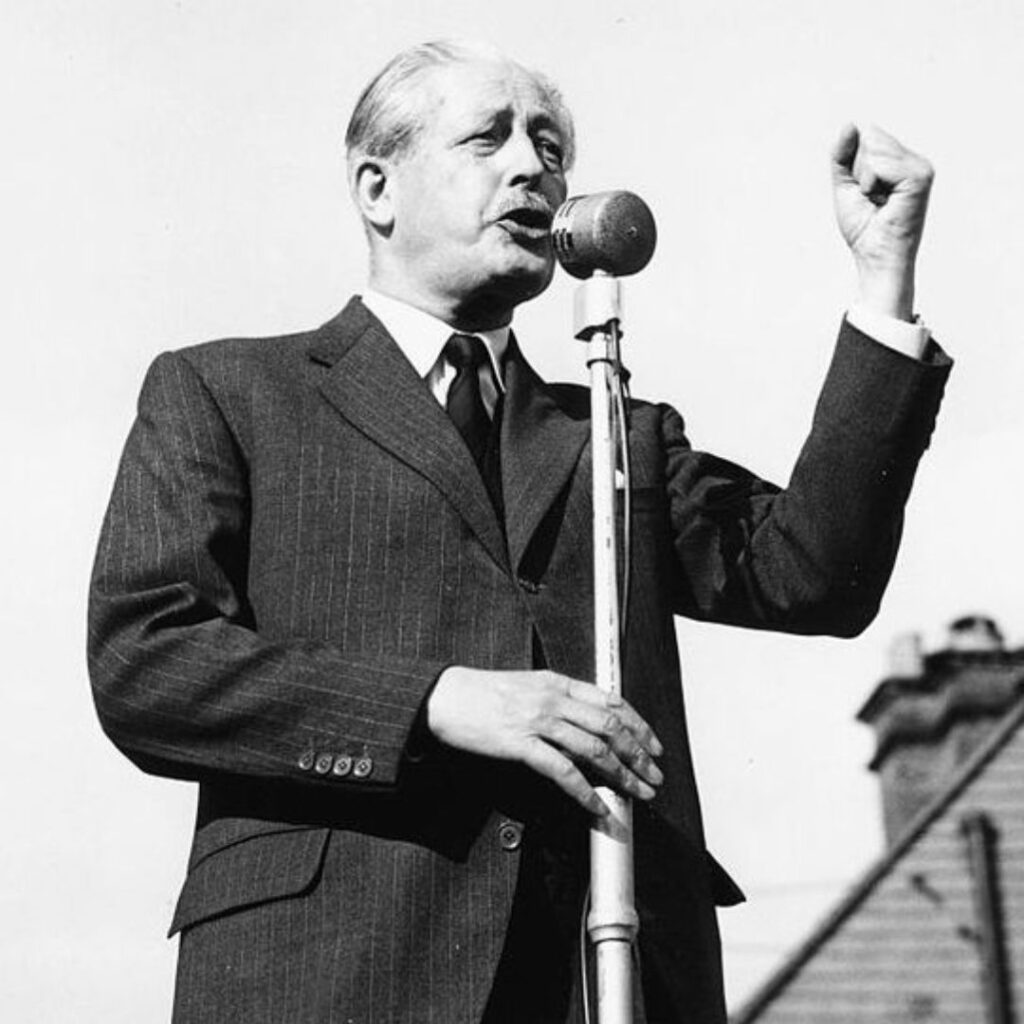
British Prime Minister Harold Macmillan, 1959
The Commonwealth Era
As the legal machinery of the empire dissolved, it was replaced by the modern Commonwealth of Nations—a voluntary association of independent states encompassing over two billion citizens across the globe. Rather than maintaining direct rule, this post-colonial network reframed the relationship between Great Britain and its former territories around shared legal traditions, institutional heritages, and the English language, a transition which was guided by the British Crown, with King Charles III serving as the current ceremonial Head of the Commonwealth. While the organization lacks direct legislative power over its fifty-six member states, it functions as a lasting monument to the imperial era.
Domestically, this imperial transition triggered massive demographic shifts following the passage of the British Nationality Act 1948, a statute that granted millions of colonial subjects the legal right to settle and work in the United Kingdom. This unprecedented migration placed severe strain on local infrastructure, housing markets, and the newly constructed post-war welfare state.
The rapid rollout of these open-door immigration laws directly altered the social landscape of the homeland, fracturing communities and demonstrating how the long-term legacy of a global empire ultimately compromised the domestic stability of the native population.
Related Topics:
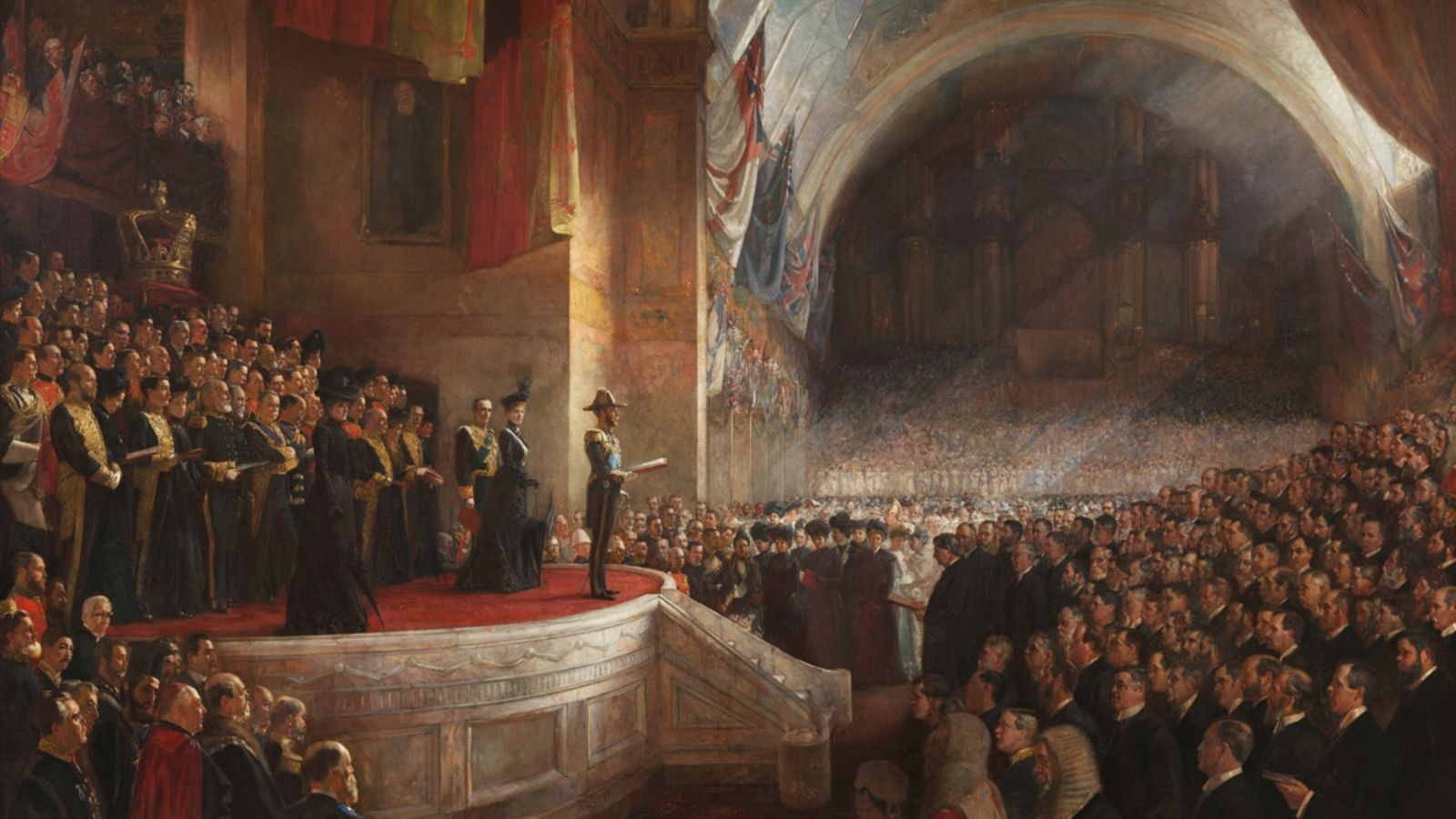
House of Windsor
1901 - Present
Emerging during the First World War, the modern royal house has presided over the complete dismantling of the global empire and massive domestic demographic shifts, all while facing shifting levels of public support.
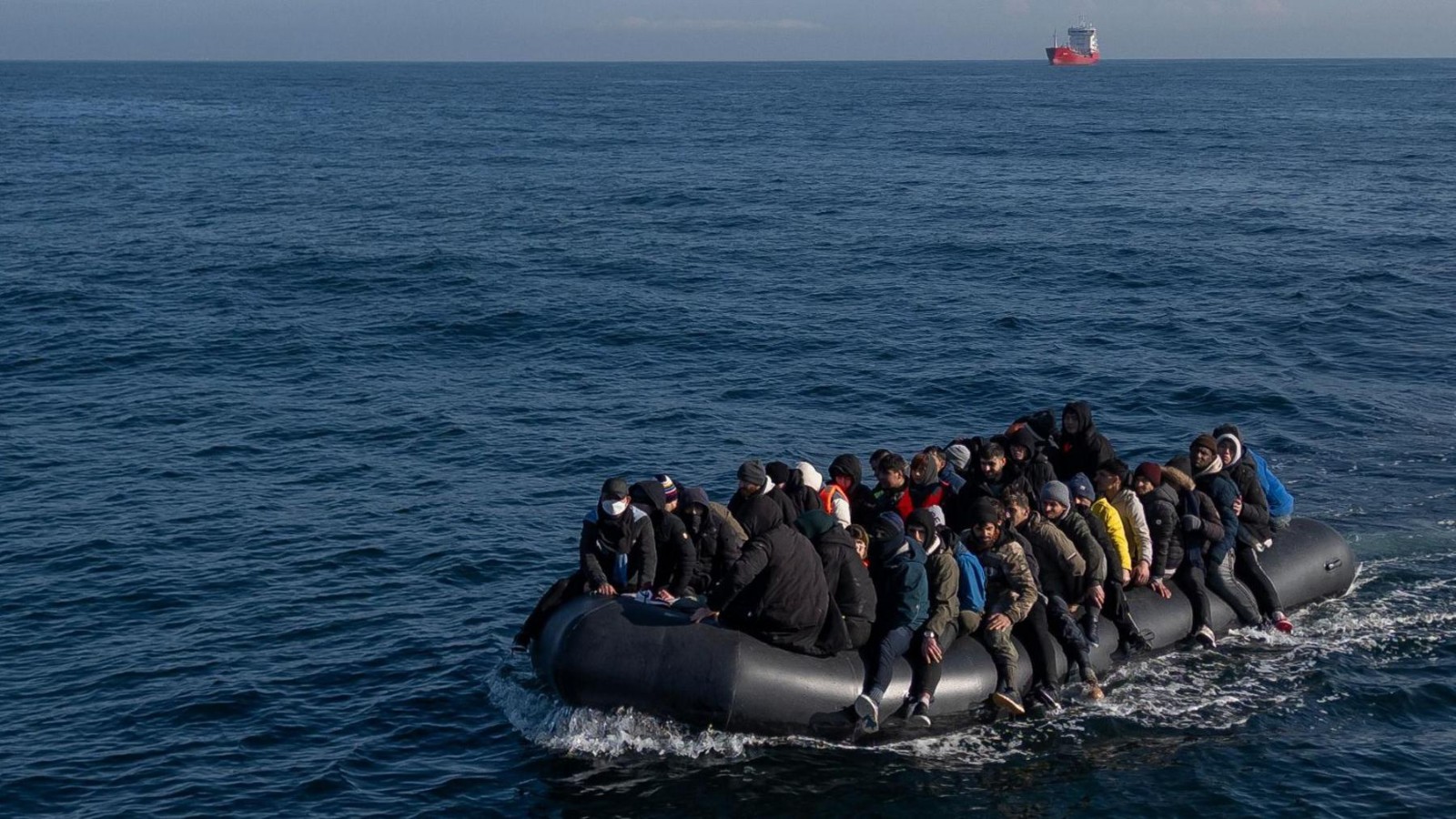
The Age of Migration
1990 - Present
The current chapter of our history, characterized by rapid technological advancement, the historic legislative process of Brexit, and devestating levels of unwanted immigration that have transformed modern British society.
British Empire FAQs