
The Chronicles of Britain
The Architects of British Memory
The history of the British peoples does not emerge from a single, unbroken national memory, nor does it rest on a vacuum of unrecorded time; instead, it was forged by a succession of pioneering writers who physically wrote our past into existence. Long before modern printing networks or structured state records were established, isolated monks and court scholars preserved the oldest surviving accounts of the island's early invasions and changing identities. By gathering localized oral stories, copying rare hand-written books, and recording the raw violence of their own eras, these early authors provided the first written blueprints for the nations we recognize today.
This section follows how the recording of history changed across the centuries, moving from the desperate, post-Roman warnings of Gildas to the monumental Anglo-Saxon writings of Bede and the sprawling books of the Anglo-Norman era. The chapters below track how these writers used old Trojan myths, documented the rise and fall of tribal war bands, and used the past to heal the trauma of foreign conquests, revealing the very men who shaped the lasting memory of the island.
Page Contents:
The Post-Roman Collapse and Ecclesiastical Dawn
410 – 731 AD
Additional Information: Roman Britain / Roman Withdrawal
The sudden evaporation of Roman military and civil administration in the early fifth century forced the local civic authorities of Britannia to stand alone against a mounting, multi-front security crisis. This terminal breakdown is anchored to precise chronological markers, beginning with the Usurpation of Constantine III in 407, which permanently drained the island of its remaining veteran legionary garrisons, and the subsequent Rescript of Honorius in 410, a formal imperial decree commanding the British civitates to look to their own defenses.
Decades of institutional dependency on the imperial army had left the provincial Romano-British aristocracy without the military organization, strategic leadership, or regional unity required to block coordinated maritime invasions. Seaborne raiders capitalized on this defensive vacuum. The continental Gallic Chronicle of 452 preserves the earliest structural record of this collapse, noting with matter-of-fact brevity that by the early 441, Britain had been brought under Saxon domination following a cascade of disasters. Germanic war bands of Angles, Saxons, and Jutes established permanent territorial beachheads along the eastern estuaries, while Pictish and Scottish fleets launched continuous plunder expeditions across the northern borders.
This disintegration of the civil administration caused a rapid collapse of urban life and destroyed the traditional network of provincial registries, shifting the task of writing entirely from state offices to isolated Christian monasteries. Scribes working within these early church sanctuaries did not seek to maintain neutral administrative records; instead, they viewed the geopolitical chaos as a direct expression of divine judgment, turning historical accounts into warnings designed to enforce moral reform and spiritual unity.
Despite the breakdown of the municipal registries, rare contemporary documents survive from the sub-Roman wilderness. The Confessio and the Epistola ad Coroticum, written mid-fifth century by Saint Patrick, represent the only extant first-person Latin literature composed by a Romano-British citizen during this dark transition. Patrick's letters unmask a world where Roman legal terminology and civic titles like decurion still survived, but where security had vanished, describing brutal coastal raids by northern pirates and the unraveling of the provincial elite.
This breakdown of the old order transformed writing from a routine bureaucratic practice into a desperate effort to preserve the island's memory amid widespread physical destruction. The physical reality of this urban decay is verified by modern archaeology. Excavations at Verulamium revealed that a sophisticated timber-piped water main was constructed deep into the fifth century, long after imperial funding had ceased, proving that local civic elites made frantic, localized attempts to maintain Roman municipal hygiene before the infrastructure ultimately collapsed into ruin.
Similarly, the construction of massive linear earthworks like the Wansdyke across southwestern England demonstrates that sub-Roman authorities could still organize colossal manual labor forces to dig defensive frontier lines against advancing Saxon columns. Scribes across these fractured shires hunted for surviving fragments of classical manuscripts and copied oral battle reports, aiming to construct a wall of documented history to outlast the collapse of their civilization. The early histories of the island emerged directly from the changing fortunes of these clashing populations. The initial accounts came from the native Christian Britons, who composed defensive, survival-focused tracts to understand the loss of their lands and rally their people against the advancing Germanic tribes. A second group of records emerged two centuries later, written from the perspective of the newly converted Anglo-Saxon kingdoms as they established stable regional supremacy.
These writers moved beyond the immediate trauma of frontier warfare to draft expansive chronicles that celebrated their acceptance into the Christian church and defined the legal boundaries of their growing territories, creating the very oldest written records of British identity.



Gildas and the Ruin of Britain
500 – 570 AD
Additional Information: Anglo-Saxon England / The Invocation of the Saxon Federates, The Matter of Britain
Monastic scriptoriums operating across the western fringes of Britain during the mid-sixth century faced a highly volatile frontier, as native Brythonic leaders fought to maintain territory against the advancing Germanic settlements. The cleric Gildas compiled his records inside this isolated Celtic church network, operating either from a cliffside sanctuary in Wales or a monastic house in Brittany.
Decades of heavy fighting had given way to a temporary military pause following a century of Saxon incursions, but the breakdown of old imperial ties left the native rulers without external resources. Instead of organizing a combined defensive coalition, the provincial aristocracy split the country into small, hostile regional kingdoms that wasted precious manpower on border skirmishes and domestic blood feuds.
The three distinct sections of his sermon, De Excidio et Conquestu Britanniae (On the Ruin and Conquest of Britain), written around 540, provided the only surviving eyewitness account of this post-Roman breakdown. Gildas designed his tract to serve as a severe public indictment of the contemporary ruling class, matching the fiery rhetoric of Old Testament prophets to expose the decay of local courts and church offices. He treated the loss of territory not as an unpreventable military accident, but as an act of divine retribution against a population that had ignored its religious covenants. This critical approach forced his readers to examine how their private vices directly triggered the political destruction of their lands.
The text exposes the flawed alliances that altered the geography of the island, mapping a trail of destruction that ran from the initial eastern landings across the lowlands. Gildas logs the specific actions of Vortigern, The High King of Britain—whom he denounces as a maddened, blind tyrant—who attempted to secure the vulnerable northern frontiers by signing a formal treaty with pagan Saxon warrior crews. Arriving in three longships under the command of tribal warlords, these mercenaries were assigned lands in the eastern shires and promised regular shipments of food and clothing in exchange for blocking the maritime raids of the Picts and Scots. This arrangement fell into chaos when the mercenary garrisons grew in number and deliberately engineered a dispute over their provisions, demanding that their monthly grain allocations and meat rations be increased under threat of breaking the peace covenant.
The resulting mutiny triggered a lightning military offensive that rapidly swept from the North Sea outposts down to the western coastlines. Gildas utilizes the graphic imagery of an all-consuming fire to describe how the Saxon war bands ran through the British countryside, using iron weapons to break down town gates, topple public walls, and slaughter urban magistrates on the doorsteps of their own homes.
The text records the frantic flight of families into the safety of the western mountains, depicting how thousands of unarmoured civilians were hacked to pieces along the roads, trapped inside burning buildings, or forced to capitulate to the invaders as starving slaves. In this wave of violence, the pagan forces targeted the symbols of the Christian church, executing priests at the altars and setting fire to stone sanctuaries, leaving the fields filled with unburied corpses that were left to the wild beasts.
To counter this destruction, a Roman-descended noble named Ambrosius Aurelianus—the last surviving aristocrat whose parents had worn the imperial purple before being killed in the massacres—rallied the scattered British war bands to launch a coordinated counter-offensive. Under his leadership, the British forces emerged from their woodland hideouts to challenge the overextended Saxon raiders, executing a series of successful ambushes that eventually halted the enemy advance.
This campaign culminated in the siege of Mount Badon around the year 500, a massive engagement where the combined British elements held their lines to inflict a total rout on the Saxon field armies, breaking the immediate offensive capabilities of the Germanic settlements. Gildas notes that this victory occurred in the year of his own birth, securing a forty-year window of domestic peace and agricultural stability for the remaining western shires, while leaving his audience with a warning that this hard-won security would vanish the moment the five ruling tyrants chose civil treason over the rule of law.
Further Information: Gildas and the Ruin of Britain
Bede and the Ecclesiastical History of the English
673 – 735 AD
Additional Information: Anglo-Saxon England / Northumbrian Golden Age
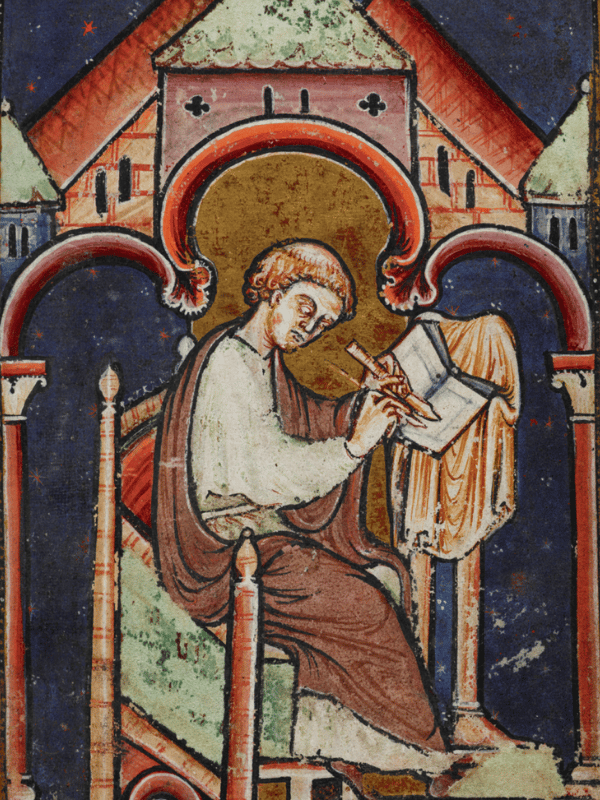
The rapid expansion of Northumbrian territorial boundaries during the late seventh century pushed the hostile Pictish and Mercian borders backward, providing the security needed to construct the vast twin monasteries of Monkwearmouth-Jarrow. Working within this well-funded coastal scriptorium, the scholar Bede spent his life utilizing a library of over two hundred rare scrolls collected from Rome, Lyon, and Vienne by Benedict Biscop, Abbot of Wearmouth.
The stabilization of the northern frontier marked an intellectual turning point across Britain. Scribes no longer needed to pen frantic, short-term warnings from under-siege western cells; instead, the security of the Jarrow library allowed investigators to analyze political power, royal decrees, and ecclesiastical law across multiple centuries. This intellectual boom occurred just as the surrounding rulers of the Angles, Saxons, and Jutes were outgrowing localized tribal traditions, creating an unprecedented administrative demand for written records to validate their dynastic lineage and formalize their regional alliances.
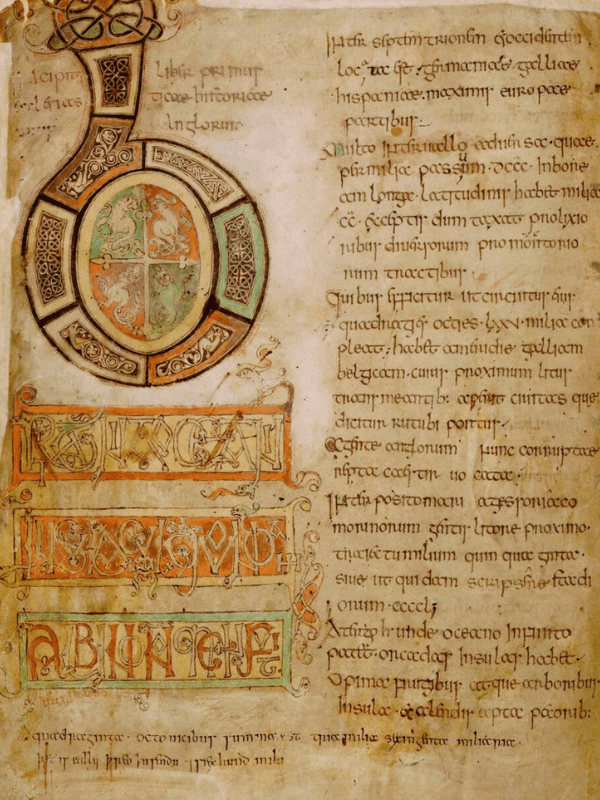
This extensive gathering of data resulted in the compilation of the Historia ecclesiastica gentis Anglorum (Ecclesiastical History of the English People) in 731. This five-book ledger completely replaced the unverified folklore of the past with a new standard of history based on written evidence, strict record checking, and witness testimony. Rather than acting as a simple copier of old texts, Bede managed a large research network, dispatching clerks to secure exact transcripts of papal bulls from the Roman archives, copies of land deeds from the Kentish courts, and oral accounts of military engagements from elders across the shires. This methodology enabled him to look past regional rivalries, creating a shared heritage for competitive tribal dynasties by popularizing the term gens Anglorum to define the English people under a single spiritual identity.
The individual books trace the complicated wars, broken treaties, and religious shifts that redrew the map of Britain after the Roman collapse. Bede charts the initial arrival of the Gregorian mission under Saint Augustine in 597, detailing how the baptism of Æthelberht, the first Christian King of Kent, prompted the creation of the oldest written Anglo-Saxon legal code, which combined Roman statutory habits with traditional Germanic custom.
The text chronicles the violent competition between regional overlords, logging the campaigns of Oswald, King of Northumbria, who brought the northern frontier under a single administration before being killed and dismembered by pagan Mercian forces at the Battle of Maserfield in 642. Jarrow scribes focused heavily on the Synod of Whitby in 664, a major political assembly where King Oswiu and the northern nobility voted to abandon Irish monastic customs and adopt Roman administrative laws, linking the British churches straight to the legal systems of continental Europe.
By placing these conflicting regnal lines into a single, synchronized timeline, the work transformed the tracking of time across the British Isles. To end the confusing calendar variations used by separate regional dynasties, Bede calculated his entire history around the birth of Christ, establishing the Anno Domini (AD) dating system across western Europe. This choice turned a collection of isolated provincial annals into a continuous, national timeline, providing a common vocabulary of royal ancestry and legislative duty for future generations of lawmakers.
Further Information: Bede and the Ecclesiastical History of the English

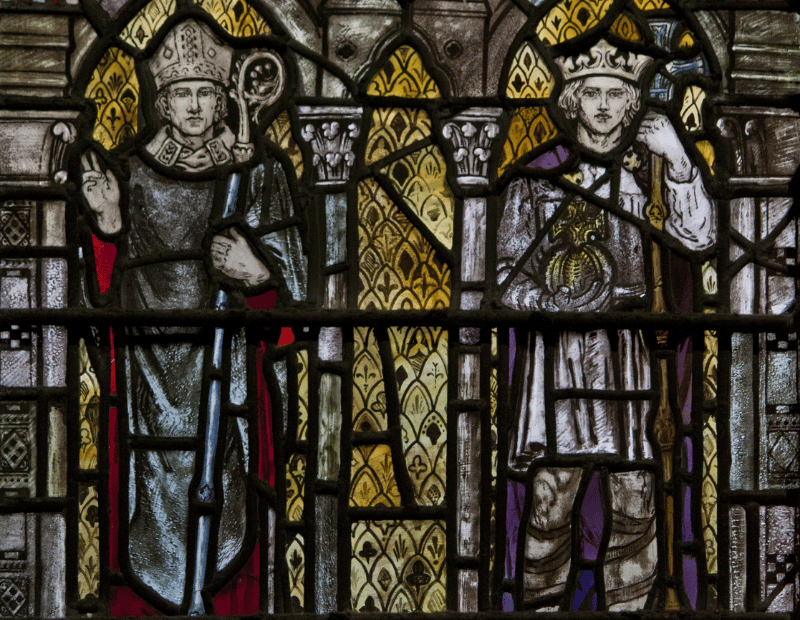
The Brythonic Tradition and West Saxon Statecraft
828 – 909 AD
Additional Information: Anglo-Saxon England / The Lindisfarne Raid
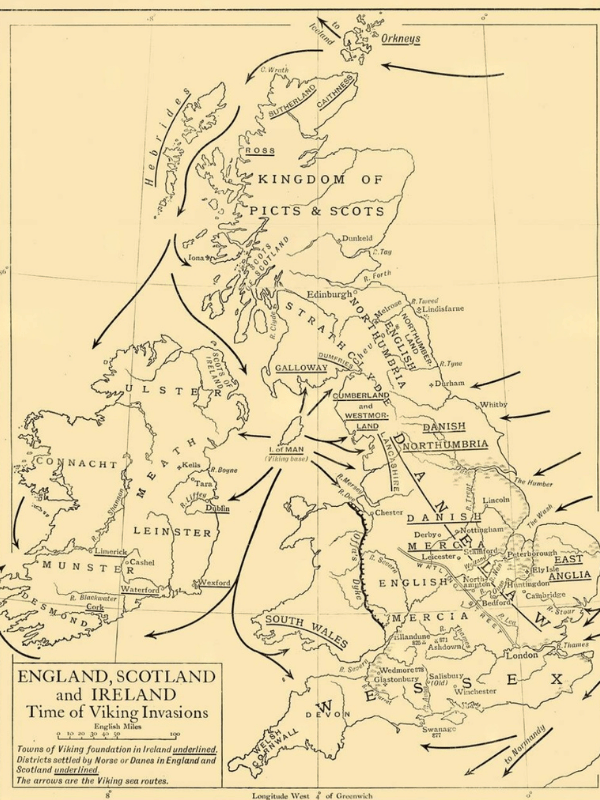
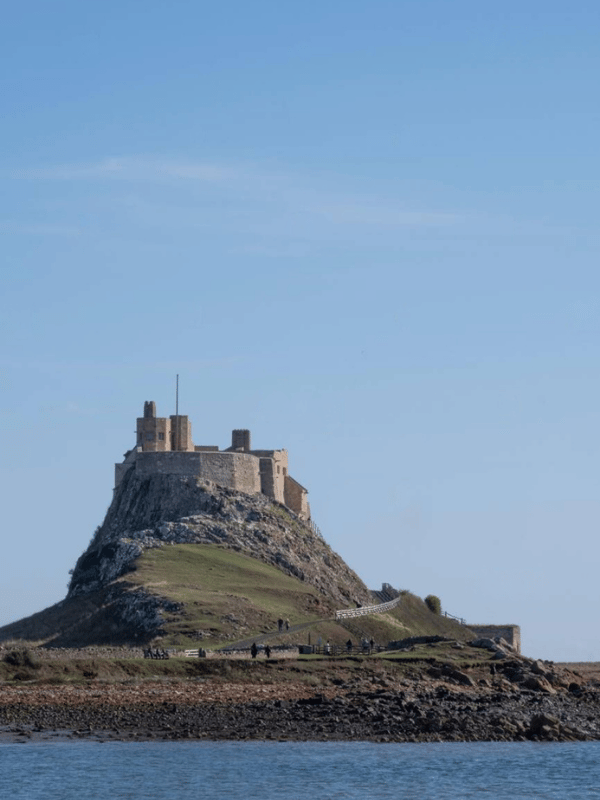
The arrival of massive Viking war fleets along the northern and eastern coastlines during the late ninth century altered the recording of history across Great Britain. Scandinavian military units deliberately targeted wealthy religious hubs, burning the great monastic libraries of Lindisfarne, Jarrow, and Wearmouth, which caused an immediate, catastrophic loss of centuries of Northumbrian Latin records.
This existential threat forced the production of written history to migrate away from the vulnerable lowland monastic centers into the fortified burh positions of the West Saxon shires and the isolated mountain strongholds of the Welsh kingdoms. Scribes working within these remaining safe zones stopped copying universal world histories, choosing instead to focus on tracking troop movements, confirming local royal lineages, and rallying local populations around shared ancestral lines to resist the pagan influx.
This survival effort triggered a major change in the choice of medium, as writers abandoned ecclesiastical Latin to deploy the vernacular tongue for administrative and defensive purposes. Faced with the destruction of traditional training centers, royal officers and bards adopted Old English and early Brythonic dialects to ensure that military levy orders, food-rent requirements, and tactical victories could be shared with local populations without delay.
In the west, Welsh clerics collected and updated ancient oral genealogies, logging the successions of the pre-Saxon rulers to preserve their sovereign claims over the land while warfare transformed the surrounding counties. This era is defined by the emergence of rare, native texts such as the Annales Cambriae (Annals of Wales) and the historical core of the Brut y Tywysogion (Chronicle of the Princes), which recorded the military campaigns of Welsh kings like Rhodri the Great alongside the devastating movements of the Viking fleets.
The development of these written defenses provided the ideological support needed to launch a nationwide counter-offensive against the Scandinavian settlements. Scribes across the Welsh borderlands compiled historical lists of early British war leaders to inspire resistance in the hills, while the royal court at Winchester under King Alfred the Great deployed a coordinated group of scribes to launch a single, continuous timeline of West Saxon military operations. These registers combined local battlefield triumphs with the ancestry of the royal house, converting isolated skirmishes into a shared record of national resistance. By giving the population a common memory of their struggle, these early books laid down the legal and historical precedents that turned separate tribal territories into a single, unified English state.
Nennius and the History of the Britons
828 AD
Additional Information: The Matter of Britain / Nennius and the Historia Brittonum
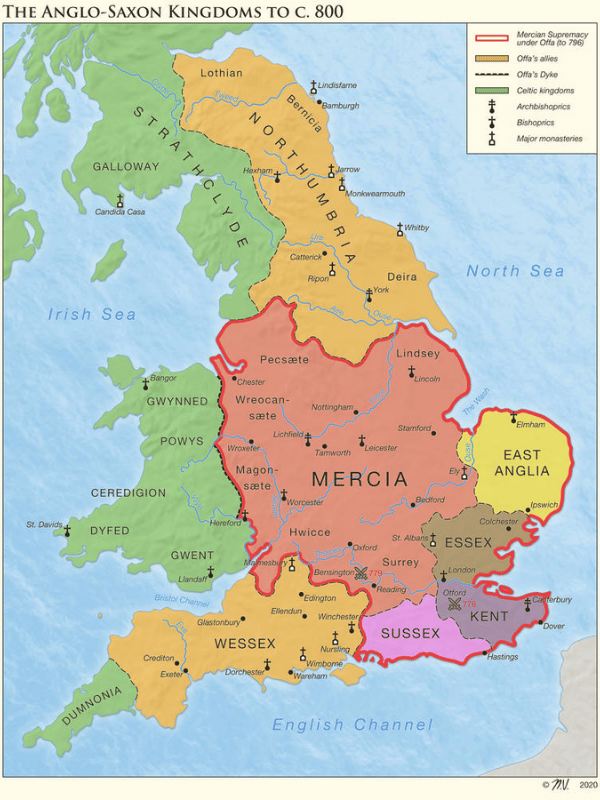
The mountain principalities of Wales provided a natural shield for Brythonic culture during the ninth century, isolating western scholars from the total political collapse affecting the lowland English kingdoms. Working inside this rugged landscape during a time of border clashes against Mercian war bands and Norse coastal raiders, a Welsh cleric traditionally identified as Nennius assembled a composite historical record.
Centuries of territorial conflict had broken the continuity of the island's historical records, scattering old monastic libraries and leaving western communities physically cut off from their ancestral holdings in the east. This severe displacement triggered an immediate political need for written verification to validate the ancient lines of British descent, establishing their ancestral claims to the territory long before the arrival of the first Germanic invaders.
The compilation of the Historia Brittonum (History of the Britons) around 828 marked a deliberate break from the linear church history practiced by Bede, offering instead a collection of localized king-lists, chronological calculations, and regional geographies. Nennius described himself not as an original author, but as a scribe who had swept together every scrap of information he could salvage to save his people's past from total oblivion.
To build this defensive record, he extracted chronological data from the fifth-century Jerome-Eusebius World Chronicle, copied down the imperial succession records from Roman consular lists, and translated early northern battlefield reports traditionally attributed to the British bards Taliesin and Aneirin. He further integrated data from lost sixth-century Northumbrian king-lists alongside specific computational charts used to calculate Easter dates, matching these continental materials with native Welsh genealogies and early Irish migration annals. This exhaustive gathering of texts allowed him to forge a line of defense that connected the survival of the Welsh dynasties directly to the classical origins of post-Roman Europe.
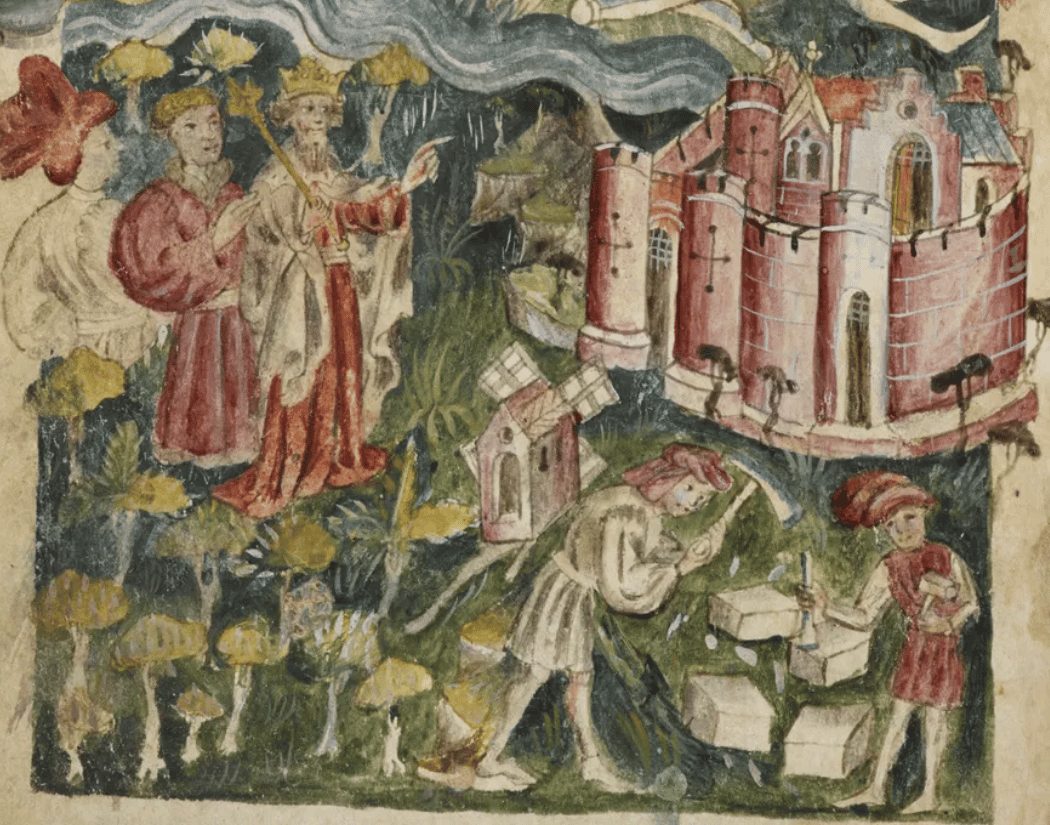
These chapters provided the oldest written layout for the foundational legends that would shape British historical memory for medieval generations. Nennius records the lineage of Brutus of Troy, an exiled Roman noble who sailed into the western seas, cleared the island of Albion of its native giants, and renamed the territory Britain after his own family line. The chronicle details the political scandals at the fortress of Dinas Emrys, recording the clashes between Vortigern, the High King of Britain, and the young seer Ambrosius regarding the red and white fighting dragons buried beneath the stone foundations—an episode that turned a localized border war into a symbolic struggle for the survival of the Brythonic race.
The text pairs this classical origin myth with detailed political scandals at the fortress of Dinas Emrys in Snowdonia. Nennius records the severe anxieties of Vortigern, the High King of Britain, whose attempts to construct a royal stone stronghold repeatedly collapsed as the foundations vanished into the earth each night. When the King’s magicians demanded the human sacrifice of a fatherless child to cleanse the ground, the young seer Ambrosius exposed the true cause: a hidden subterranean pool housing two fighting dragons. The narrative describes a fierce combat between a white dragon, representing the invading Saxons, and a red dragon, representing the native Britons. Though the white dragon initially dominates, the red dragon rallies to drive the invader away—a dramatic scene that turned a localized border war into a prophetic, symbolic struggle for the survival of the Brythonic race.
Clerics across the western shires focused heavily on the Arthurian Battle Catalogue, where the text lists the exploits of an extraordinary war leader whom Nennius defines as a dux bellorum (military commander). The chronicle details twelve distinct engagements where this commander fought alongside the regional British kings, recording how he single-handedly carried an image of the Virgin Mary on his shoulders at Guinnion Castle and led a decisive cavalry charge at the Battle of Mount Badon where nine hundred and sixty men fell to his sword alone.
To secure the legal rights of his people against foreign encroachment, Nennius meticulously aligned the dates of these British victories with old Roman consular lists and the ancestral lines of the Saxon invaders. This approach turned a collection of loose oral battle poems into an authoritative legal chronicle, providing the foundational material that later writers would expand into the chivalric Arthurian tradition.
Further Information: Nennius and the History of the Britons

The Scribes of the Anglo-Saxon Chronicle
~890 AD
Additional Information: Anglo-Saxon England / Compilation of the Anglo-Saxon Chronicle
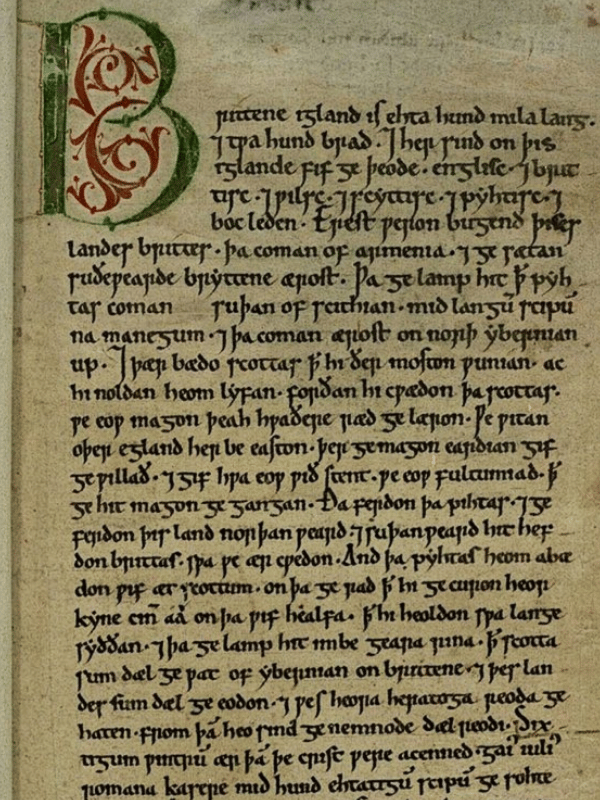
The mobilization of the West Saxon scriptoriums in the late ninth century altered how the island recorded its political and military history. Faced with Scandinavian raids that laid waste to the traditional monastic archives of Northumbria and East Anglia, Alfred, first Leader of the unified Anglo-Saxons, commissioned a national historical project around 890 to forge a collective identity for the surviving English shires.
This enterprise abandoned Latin church prose to establish a continuous, synchronized timeline written directly in the vernacular Old English tongue. Scribes duplicated and distributed copies of this primary core text—historically recognized as the Common Stock—to prominent regional cathedrals and abbeys, charging local monkish teams with updating the entries annually to create a chain of national memory.
The resulting compilation reordered the administrative landscape of Great Britain by converting isolated regional annals into a single record of statecraft. Scribes did not limit their focus to local border squabbles; instead, they coordinated tactical battlefield notifications, geopolitical alliances, and royal succession lineages into an active tool of national resistance. The entries move from retrospective sections detailing the initial five conquests of the island down to gritty, eyewitness reportage of the West Saxon forces blocking Viking longships. By distributing duplicate copies across the shires, the royal administration ensured that administrative orders, military levy calls, and historic victories were recorded uniformly, allowing the growing English populace to view their frontier survival as a shared national destiny.
The localized additions added significant depth to the various versions as the centuries progressed, showing how different monasteries tailored the text to fit their political realities. Scribes working at Winchester recorded the military strategies of the royal house, detailing how Alfred and his successors constructed fortified burhs and reorganized the national militia system to break the Scandinavian hold over the lowlands. Simultaneously, bards inserted complete epic alliterative poems directly into the chronological entries to celebrate major milestones, most notably logging the Battle of Brunanburh in 937, where Athelstan, first recognized King of all England, routed a combined coalition of Scots, Britons, and Norsemen to cement the sovereignty of the Crown.
This arrangement of central reporting and regional updates allowed the text to survive the political trauma of the Norman Conquest in 1066. While the incoming Anglo-Norman elite replaced the native leadership within the state, the anonymous chroniclers inside the monasteries refused to abandon their tasks, continuing to log the actions of the state in their native tongue. Scribes working at Peterborough Abbey extended their entries across another century, using Middle English prose to record the lawless chaos and starvation of the civil war under King Stephen.
When the last Peterborough scribe finally laid down his quill in 1154, the collective generations of anonymous authors had successfully mapped out the continuous lifespan of the early state, creating the longest continuous vernacular history produced by any post-classical European nation.
Further Information: The Scribes of the Anglo-Saxon Chronicle
Asser and the Life of King Alfred
~893 AD
Additional Information: Anglo-Saxon England / The Reforms of Alfred
The recruitment of a foreign scholar from the farthest corner of Wales marked the beginning of a deliberate intellectual strategy to elevate the status of the West Saxon monarchy. Driven by the devastating reality of the Scandinavian invasions, which had collapsed the literate elite of the northern kingdoms, the royal court at Winchester sought out Asser, Bishop of Sherborne, who left his native monastery at St David's in Pembrokeshire to serve within the royal circle.
Writing in 893 during an operational lull in the Viking wars, Asser drafted an intimate portrait of King Alfred's private character and administrative reforms. The surrounding landscape of southern Britain was undergoing rapid physical transformation as the state constructed a defensive network of thirty-three fortified burhs to secure trade and restrict enemy movement. This extensive garrison system required a simultaneous intellectual offensive to re-educate the illiterate West Saxon nobility, translate Latin pastoral textbooks into the vernacular Old English tongue, and unite the disparate populations of the south under a single royal household.
The unique position of an eyewitness author allowed Vita Ælfredi regis Angul Saxonum (Life of Alfred, King of the Anglo-Saxons) to look beneath the surface of official charters and uncover the daily realities of medieval governance. Asser did not compose his work as a dry list of victories and genealogies; instead, he targeted his words directly at his fellow Welshmen to explain why their regional princes had accepted the military supremacy of the English king.
His text blended specific battlefield timelines with detailed descriptions of Alfred's personal life, revealing that the monarch who broke the Viking armies was a self-taught scholar who struggled constantly with agonizing chronic illness, believed by modern investigators to have been Crohn's disease. By exposing these private vulnerabilities alongside his public achievements, the biography transformed a regional warlord into an idealized model of Christian kingship.
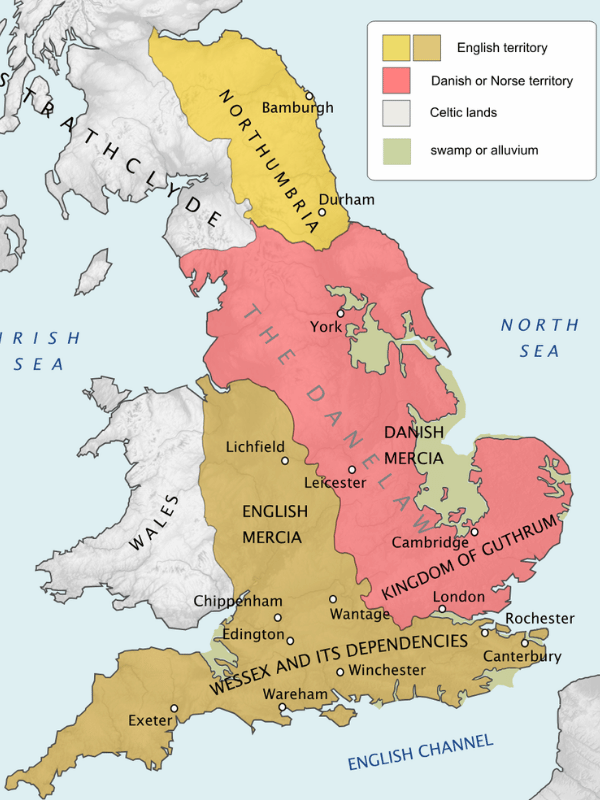
The chapters provide explicit, empirical data regarding the desperate tactical movements that saved the early state from total erasure. Asser chronicles the low point of the West Saxon monarchy in mid-winter 878, detailing how the King, accompanied by a small band of household knights, fled into the secret woodland hideouts and marshes of Athelney in Somerset, using the isolated river networks to launch surprise guerilla raids against the enemy camps. The text logs the rapid mobilization of the shire levies from Somerset, Wiltshire, and Hampshire, tracking their subsequent march to victory at the Battle of Edington, where the English shield-wall broke the Danish forces and forced the Viking warlord Guthrum to submit to Christian baptism under the terms of the Treaty of Wedmore.
Scribes at court recorded how this hard-won security allowed the King to allocate exactly half of his annual tax revenues to fund a new palace school, while documenting his invention of a specialized horn lantern containing six precisely weighted candles to manage the royal administrative schedule uniformly across twenty-four hours, regardless of seasonal daylight shifts.
By grounding this royal profile in specific medical, legal, and operational realities, the text created a permanent historical precedent for the execution of executive power. Asser documents the strict judicial decree that forced all illiterate ealdormen, royal reeves, and judges to master the written word or face immediate dismissal from office, binding the administration of local law directly to the technical literacy of its officers. This strategic enforcement turned an ordinary military alliance into a shared spiritual covenant, providing a definitive model of intellectual authority that future generations of English unifiers would use to secure the state.
When the original manuscript began to copy and circulate across the southern shires, its pages left a lasting legacy: they provided the definitive, intimate character sketch that established Alfred as the only English monarch in history to be granted the title of "the Great".
Further Information: Asser and the Life of King Alfred
The Post-Conquest Revival and Border Chronicles
1066 – 1140 AD
Additional Information: The Evolution of the English Language / The Norman Conquest and French Court Vocabulary
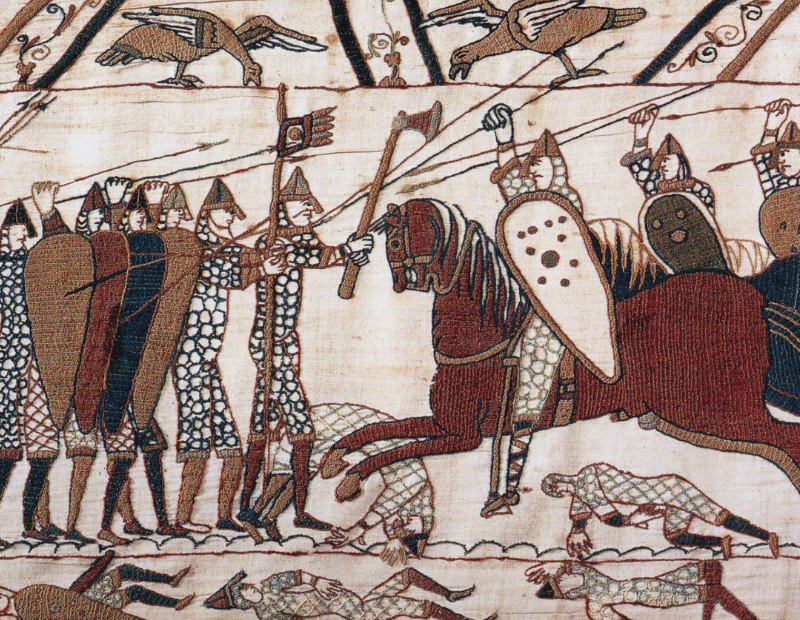
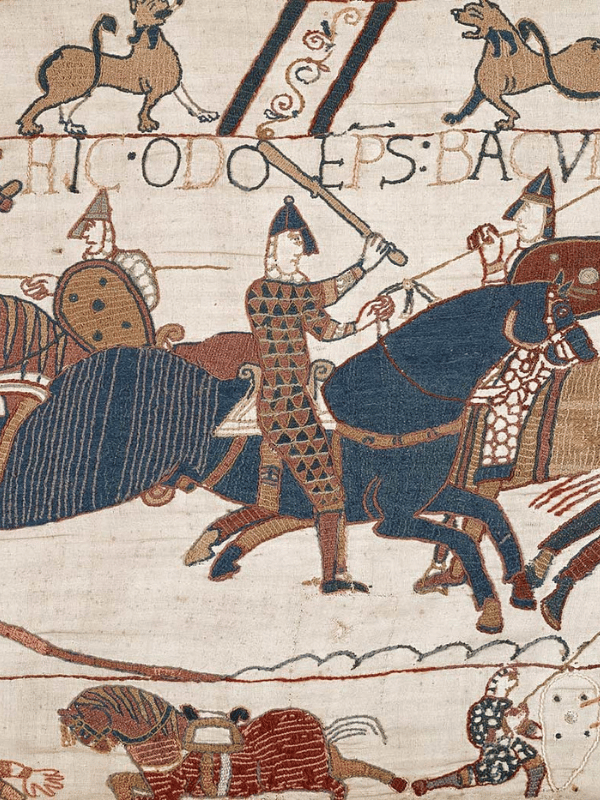
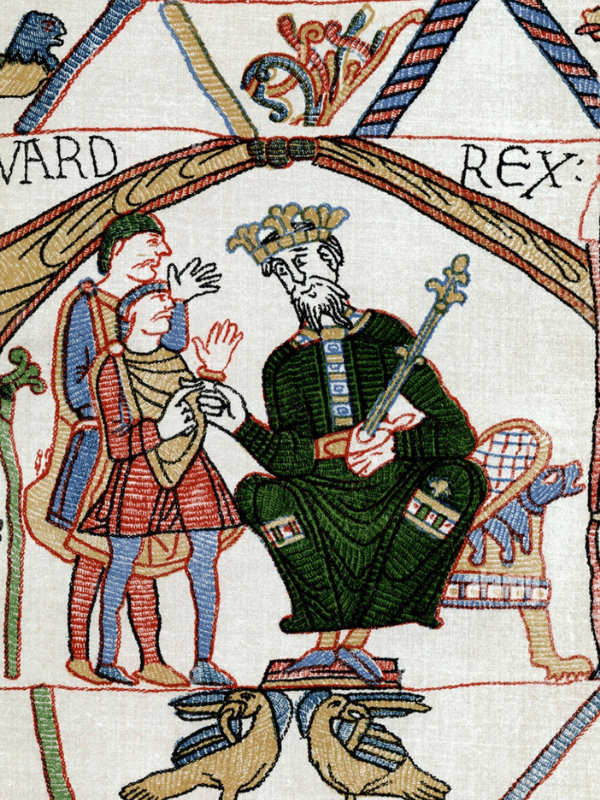
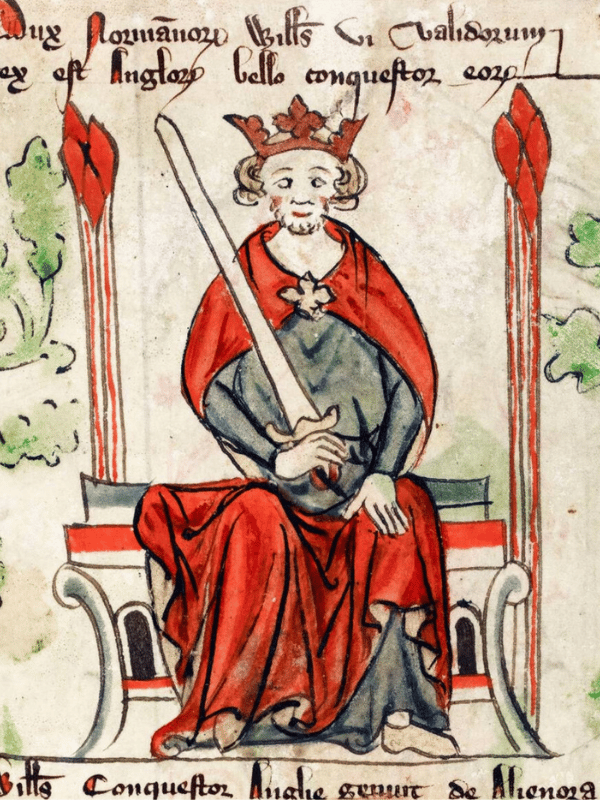
The military defeat of the Anglo-Saxon forces at the Battle of Hastings on 14 October 1066 triggered an immediate crisis in how the history of the island was preserved. Within two decades of the coronation of William I "The Conqueror", Norman King of England, an incoming elite of roughly two hundred Anglo-Norman tenants-in-chief had seized the ancestral estates of the native nobility, while foreign prelates systematically forced English abbots out of their positions.
This sudden shift in power broke the traditional lines of historical recording, as centuries of Old English monastic libraries faced total neglect or physical destruction during the consolidation of the new regime. To prevent the complete loss of their legal rights and ancestral memory, isolated scriptoriums located along the dangerous northern frontiers and the West Midland borderlands launched an urgent salvage effort, transcribing old pre-conquest rolls and blending native traditions directly into new Latin chronicles. Scribes working inside these frontline houses stopped writing simple regional annals, using the authority of the written word to defend the properties of their communities against arbitrary royal seizures.
The political shifts of the late eleventh century altered historical writing, forcing a calculated departure from the old vernacular entries of the West Saxon era to a highly sophisticated style of Latin documentation. Faced with the sudden imposition of foreign administrative customs, canon law, and French-speaking royal courts, monkish scholars utilized the international prestige of the Latin language to communicate their grievances directly to the crown. Scribes reached backward to rescue vulnerable Northumbrian and Mercian annals from ruined libraries, weaving the biographies of ancient native saints into the new Anglo-Norman liturgical calendar. This strategic integration ensured that the spiritual prestige and land charters of the older English foundations remained recognized by the incoming administration.
The physical violence of the conquest determined exactly where this historical recovery flourished, developing with the greatest intensity inside the specific regions devastated by the King's scorched-earth military operations. In the monastic scriptoriums of the north, where communities were still reeling from the total destruction of fields and houses during the Harrying of the North, chroniclers gathered early border records to document the civilian death toll and the loss of local church properties.
Simultaneously, researchers working inside the West Midland priories compared universal world calendars with surviving fragments of the Anglo-Saxon Chronicle to log the redistribution of land and the realities of the new feudal state. By converting these scattered provincial memories into continuous records of statecraft, these border chroniclers preserved the deep identity of the realm through a period of total political replacement.

Symeon of Durham and the Northern Borderlands
Died. 1129 AD
Additional Information: Norman England / The Harrying of the North
The recovery of historical recording in northern England after the Norman Conquest was driven by Symeon, Precentor of Durham, a monk who reconstituted the devastated libraries of the Northumbrian borderlands. Operating from the cathedral priory of Durham in the early decades of the twelfth century, Symeon worked amidst the ruins left by William the Conqueror’s scorched-earth military campaign of 1069, known as the Harrying of the North.
The invasion had entirely shattered the continuity of the northern shires, destroying centuries of Anglo-Saxon monastic archives and leaving the local populations vulnerable to territorial encroachment by both Norman barons and Scottish border raiders. To secure the legal and spiritual rights of his community, Symeon launched an extensive salvage effort, gathering fragmented pre-conquest rolls to build a continuous record of northern statecraft.
Symeon completed his major historical work, the Historia Regum (History of the Kings), around 1129. This text moved past the localized style of basic monastic registries to present a sweeping, continuous chronicle that linked early northern history straight to the developing Anglo-Norman state. He operated as an investigator of vanished records, explicitly copying and expanding upon ancient, lost Northumbrian annals that had survived the Viking sack of York and Lindisfarne. This method allowed him to weave the histories of the ancient northern kings into the timeline of the new realm, proving that the spiritual and legal authority of Durham was an ancient, unbroken inheritance that predated the arrival of the Norman crown.
The book details the violent shifts in power, border skirmishes, and massacres that defined the northern frontiers across five centuries. Symeon chronicles the early golden age of the Northumbrian kingdom, tracking the precise royal successions of the independent kings of Bernicia and Deira, the major theological decrees of the early councils, and the military triumphs that Bede had left unfinished at his passing in the eighth century. Scribes at Durham used these pages to record the dramatic migration of their own monastic community, detailing how eleventh-century monks fled the coastal monastery of Lindisfarne to carry the uncorrupted body of Saint Cuthbert and the illuminated Lindisfarne Gospels across the Pennines to escape Scandinavian longship raids.
The narrative shifts from this old golden age to record the immediate human misery of 1069, providing a gruesome eyewitness log of William the Conqueror’s punitive campaigns. Symeon chronicles how the King's cavalry cut down crops, threw salt into fields, slaughtered cattle, and systematically burned down entire timber villages between the Humber and the Tees to break the Anglo-Scandinavian rebellions. The text details a multi-year famine that struck Yorkshire and Durham, recording that desperate families were driven to eat the flesh of horses, dogs, and cats, while thousands of unburied corpses littered the highways, causing a plague of decay. It notes that the survivors traveled south in starving columns, willingly submitting to life-long hereditary slavery before Norman barons in exchange for basic bread rations.
Durham scribes used the final sections of the ledger to track the shifting military borders of the northern marches. Symeon logs the five destructive invasions launched by Malcolm III, King of Scotland, tracking his tactical advances through Cumberland and Northumberland until his eventual ambush and death at the Battle of Alnwick in 1093. To match this northern pressure, the text documents the counter-defenses executed by the Norman monarchy, specifically logging the decision of Robert Curthose, Duke of Normandy, to build the New Castle upon Tyne in 1080, establishing a permanent garrison fortress that blocked Scottish offensive movements into the local shires.
By connecting these salvaged Anglo-Saxon fragments into a single Latin chronicle, the text created a permanent historical benchmark for the administration of northern England. To protect the vast lands and judicial privileges of his priory, Symeon documented the precise boundary lines and historical donations granted by early kings, locking the legal claims of the church directly into the records of the state.
This chronicle turned a devastated, isolated frontier territory into an integral part of the realm's shared memory, providing future generations of Plantagenet administrators and border wardens with a definitive precedent of territorial law. Rather than falling into historical obscurity, his volumes preserved the oldest written layers of Northumbrian history, ensuring that the ancient lineage of the north remained an active component in the identity of the unified nation.
Further Information: Symeon of Durham and the Northern Borderlands

John of Worcester and the Chronicon ex Chronicis
Died. 1140 AD
Additional Information: Norman England
The recording of history in the West Midlands underwent a major transition after the Norman Conquest, driven by John, a Benedictine monk of Worcester, who constructed a comprehensive timeline of the post-invasion era. Operating from the cathedral priory of Worcester under the direct encouragement of Wulfstan, Bishop of Worcester, John worked through a period of intense institutional change as incoming Norman officials dismantled the old Anglo-Saxon church hierarchy.
While individual shires maintained isolated local registers, the Worcester scriptorium set out to coordinate a single historical ledger that could withstand the political instability of the Anglo-Norman nation. To protect the vast land tenures and ancient privileges of his priory, John undertook a massive textual comparison project, matching local events against a universal world calendar.
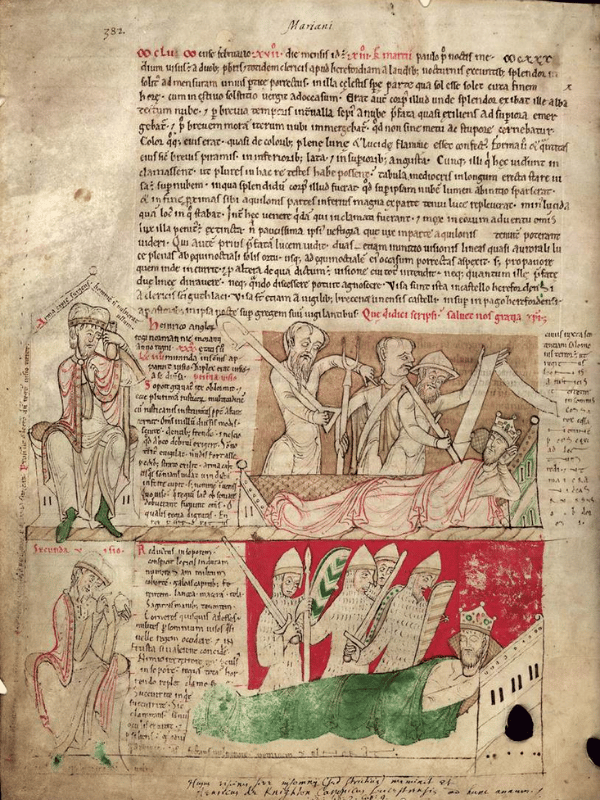
John completed his masterwork, the Chronicon ex chronicis (Chronicle of Chronicles), around 1140. This text abandoned the localized style of traditional monastic diaries to deliver a synchronized account that connected the history of the English kingdoms directly to a broader European timeline. He operated as a critical compiler of data, using the universal chronicle of the Irish monk Marianus Scotus as his underlying index, and then meticulously weaving the localized entries of the Anglo-Saxon Chronicle directly into the text. This precise method allowed him to prove that the current Anglo-Norman state was built upon a legitimate, ancient succession of English law and Christian kingship that reached back long before the arrival of the Conqueror's fleet.
The book details the shifting political alignments, fiscal records, and civil disruptions that occurred as the Norman administration established its grip on the shires. John chronicles the heavy tax burdens imposed by William the Conqueror, providing a detailed commentary on the execution of the Great Domesday Inquest of 1086 and the sudden redistribution of ancestral lands to foreign adventurers. He records how commissioners demanded lists of livestock, tenants, and hide assessments down to the last penny, generating widespread friction across the counties.
The text tracks the subsequent political instability of the nation, recording the mysterious hunting death of King William Rufus, who was struck by an arrow in the New Forest in 1100, and detailing the onset of the lawless civil war between the Empress Matilda and King Stephen. Worcester scribes paid close attention to regional military security, logging the tactical maneuvers of the Marcher lords along the Welsh border and the rapid construction of adulterine stone keeps to secure the western counties.
By imposing this unified chronological design over the old regional records, the work successfully established a permanent historical ledger for the midland counties. To secure the properties of his church against arbitrary royal seizures, John documented the ancient land donations and charters granted by early Mercian kings like King Offa and King Coenwulf, transforming local monastic memory into a verified legal defense that could be produced in court. This chronicle turned a collection of isolated provincial accounts into a continuous record of statecraft, providing future generations of lawyers and chroniclers with a definitive precedent of institutional continuity.
These volumes successfully bridged the gap between the pre-conquest English past and the developing Anglo-Norman state, ensuring that the legal claims of the old English foundations remained anchored within the administrative memory of the realm.
Further Information: John of Worcester and the Chronicon ex Chronicis

The Anglo-Norman Renaissance
1120 – 1198 AD
A dramatic expansion in the production of Latin manuscripts swept across the island during the middle decades of the twelfth century. This surge in text creation followed a period of political consolidation under King Henry I, whose centralized administration created a wealthy, literate class of ecclesiastical administrators and royal clerks.
Writers operating in this environment broke away from the narrow, list-based recording habits of early medieval monasteries, choosing instead to write extensive histories that analyzed the inner mechanics of statecraft, international diplomacy, and the deployment of royal power. Scribes no longer contented themselves with tracking local crop failures and regional deaths; they sought to uncover the hidden motives of individual rulers, setting a new standard for analytical literature across western Europe.
The expansion of these text collections tracked the growth of royal administration under the early Plantagenet monarchy. Scholars working in the cathedral libraries of the south and west gathered state papers to critique individual reigns, while independent canons in the northern shires developed a tradition of rigorous textual criticism. Highly educated clerics, archdeacons, and librarians drew directly from classical Latin prose styles, utilizing their closeness to the royal court and access to cathedral collections to analyze the psychology behind political alliances, military campaigns, and legal codifications. This shift in method transformed basic entries into a detailed guide to political and military behavior for the ruling nobility.
At the same time, an explosion of imaginative literature altered the cultural landscape by introducing elaborate origin legends to the international stage. This surge in romantic writing generated a competitive tension between documented fact and popular chivalric folklore, as writers sought to trace how the contemporary state had evolved from its British, Saxon, and Norman elements.
By converting old monastic fragments into continuous histories, these twelfth-century authors created the enduring records that defined the character of the realm's institutions. These texts successfully marked out the boundaries between documented history and popular myth, establishing a shared vocabulary of national inheritance that would shape the identity of the country for generations.

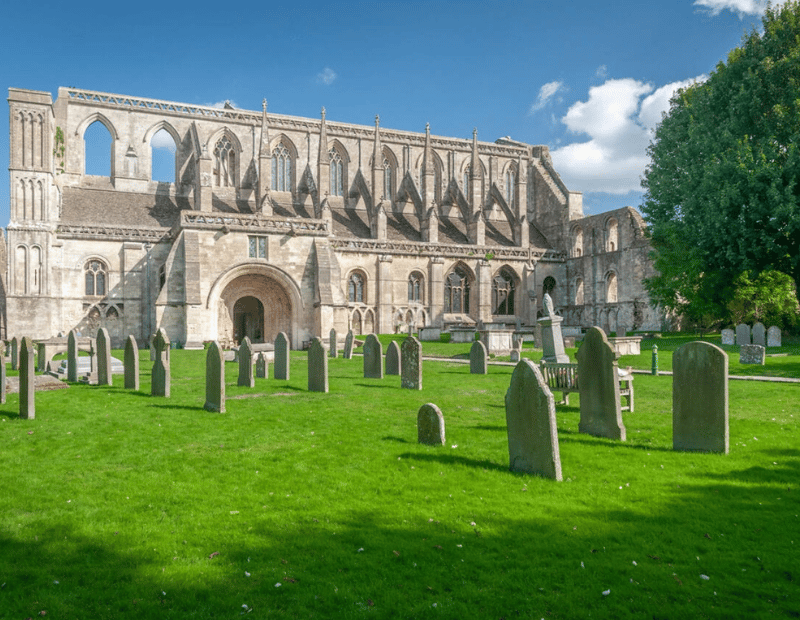
William of Malmesbury and the Deeds of the Kings
1095 – 1143 AD
The library at Malmesbury Abbey became the center of a major intellectual revival during the 1120s, led by the Benedictine monk William of Malmesbury, who introduced classical research standards to Anglo-Norman history writing.
Born to a Norman father and an English mother, William possessed the linguistic skills to bridge the deep cultural divide of the post-conquest realm. He spent years traveling across the south-west, using the wealth of his monastery to purchase and copy rare manuscripts from the cathedral archives at Salisbury, Canterbury, and Bury St Edmunds. His research coincided with the expansion of royal bureaucracy under King Henry I, an environment of statutory codification that encouraged William to compile a comprehensive Latin record that could unite the traditions of the old Anglo-Saxon kingdom with the administrative realities of the continental regime.
The completion of his five-book work, the Gesta Regum Anglorum (Deeds of the Kings of the English), around 1125, transformed medieval historical writing. William abandoned the dry, disjointed format of monastic list-keeping, choosing instead to structure his text on the polished biography models of the classical Roman historian Suetonius. He operated as a critical investigator rather than a passive copyist, actively weighing the reliability of his sources, cross-referencing conflicting accounts of battles, and rejecting the popular supernatural fables that filled early church books. This analytical methodology allowed him to produce an unbiased record of statecraft that celebrated the legislative achievements of the old West Saxon dynasty while simultaneously justifying the political stability introduced by the Norman line.
Beyond this secular masterpiece, William directed his analytical skills toward the spiritual architecture of the realm, compiling the Gesta Pontificum Anglorum (Deeds of the Bishops of the English) around 1125. This parallel ecclesiastical ledger provided a meticulous administrative audit of every diocese, cathedral priory, and major monastic house across the country, cataloging their foundational charters, land properties, and senior successions.
William analyzed the complex structural relationship between church and state, documenting the intense investiture disputes that pitted the crown against reformist archbishops like Anselm of Canterbury. The text functions as a vital geographical guide to the medieval shires, combining architectural commentary on the construction of massive stone Norman cathedrals with a highly factual record of the localized cults of Anglo-Saxon saints, protecting old English foundations from being erased by incoming Norman prelates.
The text provides explicit, empirical data regarding individual personalities, fiscal innovations, and military maneuvers that shaped the development of the state. William chronicles the early unifiers, tracking the legal codes of Alfred the Great and the naval mobilization of King Edgar the Peaceful, who sent thousands of ships annually to patrol the coastlines and protect maritime trade routes against Scandinavian piracy, before tracing the political decay and short-sighted alliances that led to the conquest of 1066. The book records the exact geographic distribution of the Anglo-Saxon realms, detailing the border agreements of the old Danelaw frontier.
Moving into the Anglo-Norman era, the text offers an uncompromised account of contemporary court life, detailing the severe forest laws enforced by William the Conqueror—which criminalised the hunting of deer and boar across vast tracts of land—and the complex financial systems executed under Roger, Bishop of Salisbury. As Chief Justiciar, Roger centralized the operations of the national Exchequer at Westminster, utilizing a ten-foot by five-foot checkered cloth matrix to visually calculate sheriff tax returns down to the last silver penny, which fundamentally reordered the Crown's auditing capabilities. Scribes at Malmesbury recorded the precise mechanical procedures of this fiscal court, logging how counters were placed on the grid squares to represent pounds, shillings, and pence.
The final chapters of the collection shift to direct, eyewitness reportage covering the lawless chaos of the civil war between the Empress Matilda and King Stephen. William traveled directly to the frontlines under the personal military protection of his literary patron, Robert, 1st Earl of Gloucester, logging the changing allegiances of the barony and documenting how the total breakdown of central authority allowed mercenary captains to terrorize farming communities, causing widespread starvation across the southern counties.
By integrating original state letters and diplomatic papers directly into this war diary—which formed the core of his final work, the Historia Novella (Modern History)—the text turned traditional monastic memories into an authoritative legal index of administrative precedent. This work provided future generations of Plantagenet legal clerks with a sophisticated guide to executive governance, establishing a standard of text verification that elevated English historical literature to the level of the great classical traditions.
Further Information: William of Malmesbury and the Deeds of the Kings
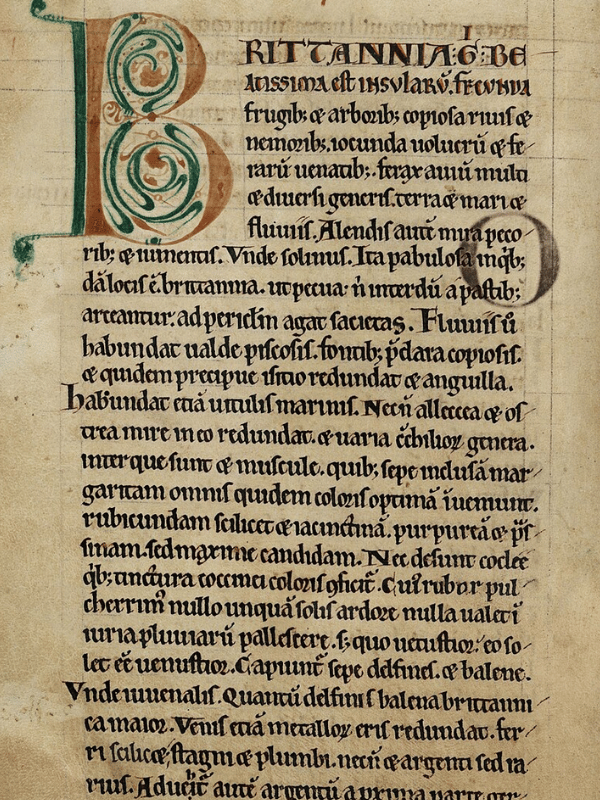
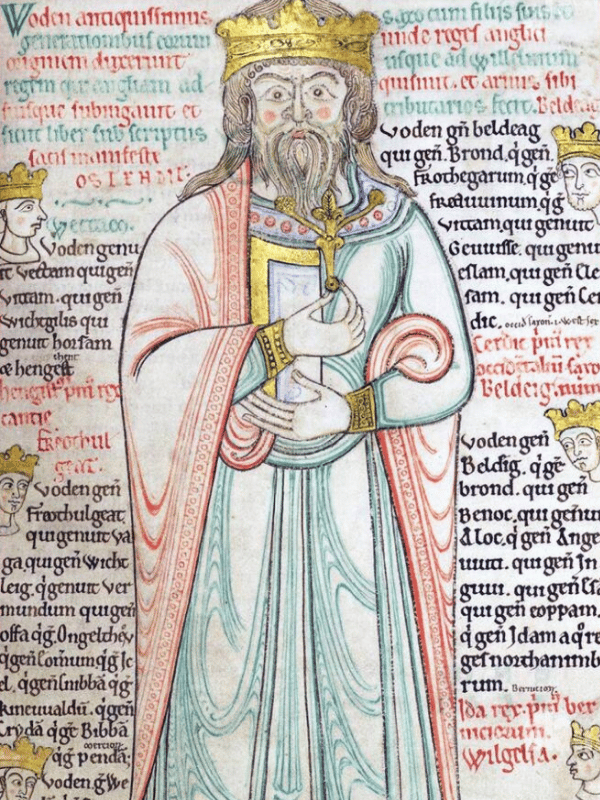

Henry of Huntingdon and the History of the English
1088 – 1157 AD
Additional Information: Norman England / King Stephen, Empress Matilda, and The Anarchy
The rise of the wealthy diocese of Lincoln as an intellectual powerhouse during the 1120s provided the direct momentum for a new style of dramatic, national history. Operating from the majestic hilltop cathedral of Lincoln under the personal patronage of Bishop Alexander the Magnificent, the secular clerk Henry, Archdeacon of Huntingdon, utilized his administrative journeys through the East Midlands to collect scattered historical sources.
His writing took shape during the destructive civil war of the Anarchy, a conflict that brought agricultural collapse to the surrounding shires, saw the near-total destruction of local homesteads, and left the population trapped between warring factions. Witnessing this contemporary collapse prompted Henry to look backward across centuries of warfare, searching for a divine pattern behind the violent rises and falls of the island's rulers.
The initial volume of his masterwork, the Historia Anglorum (History of the English), appeared around 1129, but Henry spent the next twenty-five years adding fresh chapters as new political crises emerged, ultimately extending the narrative to the accession of King Henry II in 1154.
Rather than copying the dry, list-based records favored by earlier monastic scribes, he adopted a vivid, fast-paced storytelling style crafted specifically to be read aloud at the dinner tables of the Anglo-Norman nobility. He organized the entire lifespan of the country around five great conquests, which he labeled the five plagues sent by God to punish the inhabitants: the Romans, the Picts and Scots, the Anglo-Saxons, the Danes, and the Normans. This design carried a heavy political warning for his contemporary audience, reminding the incoming Norman barons that their own hold on the crown was temporary and would be revoked if they governed through greed and civil treason.
The early books preserve rare fragments of pre-conquest culture, as Henry translated old Old English battle poetry—including the legendary epic of the Battle of Brunanburh—directly into Latin verse, preserving the martial grit of the early shires. His entries provide the earliest written account of the Danish wars, recording the famous episode of King Cnut the Great ordering his courtiers to place his royal seat at the edge of the incoming tide on the shore, commanding the waves not to wet his robes to demonstrate that the power of earthly kings is insignificant compared to divine authority.
Beyond this secular chronicle, Henry also authored several distinct treatises that were later integrated into his historical collections, including De Contemptu Mundi (On Contempt for the World), an intimate, melancholy letter written around 1135 to his friend Walter that recorded the rapid downfalls and deaths of the powerful bishops, kings, and justices he had personally known during his youth at court.
The narrative shifts from these early legends to offer a gritty, uncompromised account of the military actions fought across his own diocese, logging the Battle of Lincoln on 2 February 1141. Henry details how a combined coalition of West Country levies and Welsh archers under the command of Robert, 1st Earl of Gloucester, surrounded and captured King Stephen in the marshy fields outside the city walls, and describes how the sudden breakdown of the royal peace allowed local barons to construct more than one thousand unauthorized timber adulterine castles to plunder the local population.
By presenting the past as a cycle of national downfalls, this chronicle transformed traditional monastic memories into an accessible guide for medieval statesmen. Henry turned a collection of isolated provincial annals into a continuous national epic, providing future generations of Plantagenet rulers with a vivid record of their predecessors' achievements and failures.
His vivid storytelling style ensured that his volumes became some of the most widely duplicated histories in England, creating a lasting legacy that firmly established the myth of the five conquests as the defining narrative structure used by later chroniclers to explain the origin of the English people.
Further Information: Henry of Huntingdon and the History of the English

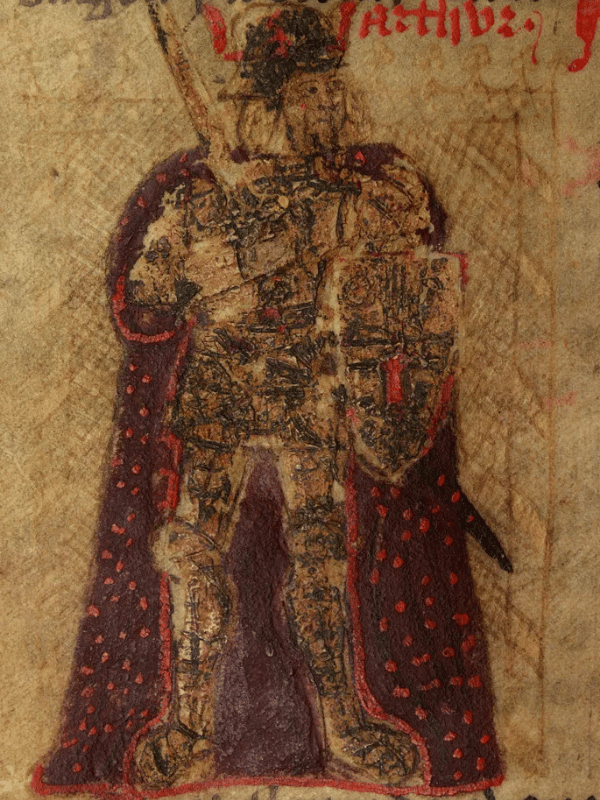
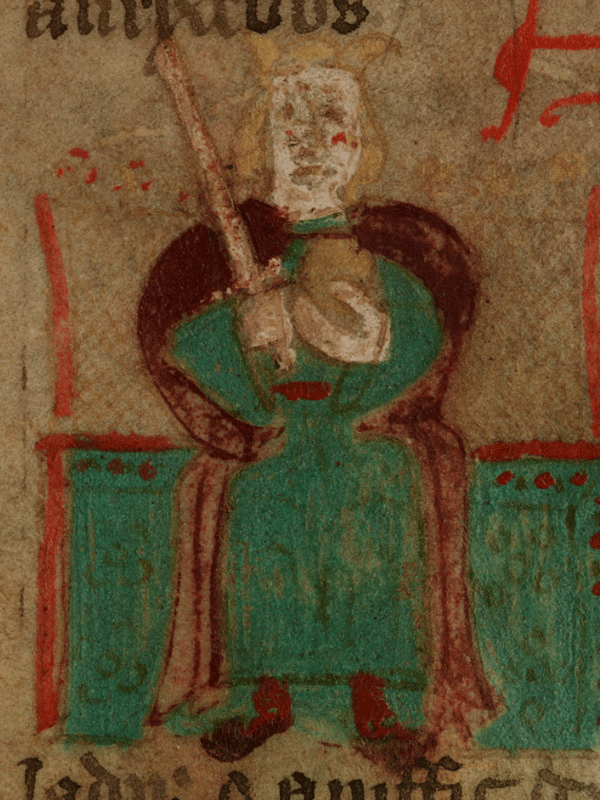
Orderic Vitalis and the Border Church
1075 – 1142 AD
The cross-Channel connections of the Anglo-Norman aristocracy found their most observant observer in a Shropshire-born monk named Orderic Vitalis, who spent over four decades building an extensive record of twelfth-century social life. Born to a French clerk and a native English mother in the border town of Atcham, Orderic was sent across the sea to Normandy as a child exile at the age of ten—a sudden displacement that severed his ties to his homeland but gave him a unique perspective on both sides of the conquest.
Operating from the Benedictine abbey of Saint-Evroul in eastern Normandy, he worked at a major crossroads where returning crusaders, territorial barons, and traveling monks constantly traded political intelligence. This active administrative center allowed him to look far past the narrow list-keeping of standard abbey registers, utilizing a wide human network to collect the eyewitness testimonies of veteran soldiers, pilgrims, and local farmers.
The composition of his thirteen-book masterpiece, the Historia Ecclesiastica (Ecclesiastical History), was completed around 1141. Moving entirely away from remote, dry theological chronologies, this work delivered a vivid, descriptive history that captured the economic realities and personal struggles of the post-conquest settlement. Orderic operated like a modern investigator, interviewing aging veterans who had stood in the shield-wall at Hastings, copying fragile family charters, and logging the oral poems of the Welsh borderlands. His comprehensive method allowed him to produce an exceptionally balanced national memory, validating the administrative efficiency of the new Norman barony while remaining uncompromised in his descriptions of the widespread suffering, violence, and dispossession inflicted upon the native English populace during the forced seizure of the shires.
These detailed volumes offer a granular look at the family feuds, castle constructions, and tactical maneuvers that reshaped the medieval landscape. Orderic chronicles the aggressive expansion of the western frontier under Roger de Montgomery, 1st Earl of Shrewsbury, tracking how the early Marcher lords erected timber motte-and-bailey fortifications and stone keeps to dominate the Welsh valleys. Beyond his historical epic, Orderic was a highly meticulous archivist, tasked by his abbot with compiling the Interpolations to the Gesta Normannorum Ducum of William of Jumièges, a vital project where he systematically inserted detailed family trees, local land grants, and specific historical details to anchor the ancestral claims of the central Norman monasteries.
The chronicle provides an exceptionally intimate look at the internal anxieties of the ruling class, recording the graphic deathbed laments of William the Conqueror, who allegedly faced his own conscience regarding the burning of Yorkshire fields and the massacres of unarmoured civilians in the north. Scribes at Saint-Evroul paid close attention to the worldwide projections of Anglo-Norman power, logging the names of local knights who sold their properties to join the First Crusade, the tactical logistics of the siege of Antioch, and the subsequent establishment of the Latin Kingdom of Jerusalem.
By grounding this extensive profile in specific family lineages and localized social changes, his writing created an authoritative manual of cross-Channel culture. Orderic integrated folk poems, monastery property deeds, and original letters directly into his chapters, turning traditional church annals into a continuous social history that tracked the daily realities of medieval life.
Further Information: Orderic Vitalis and the Border Church
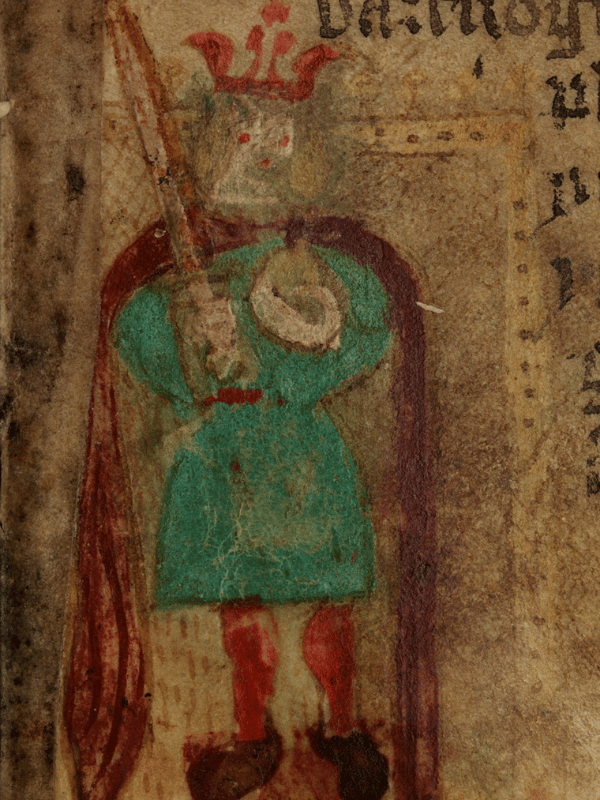
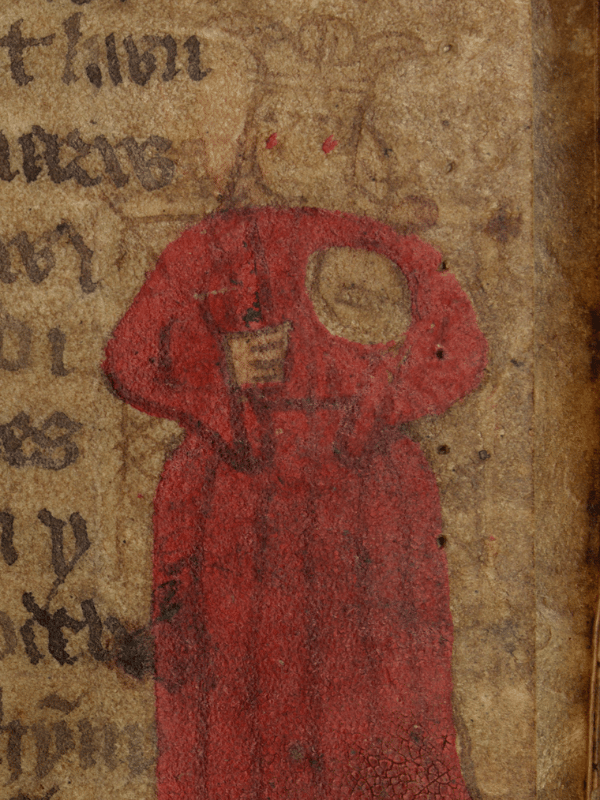

Geoffrey of Monmouth and the Legend of Arthur
1095 - 1155 AD
Additional Information: The Matter of Britain / Geoffrey of Monmouth and the Norman Court / The Exile of Brutus and the Voyage to Albion
The emergence of Oxford as a vibrant center of intellectual speculation during the 1130s sparked a radical invention of prehistory that redrew the literary map of medieval Europe. Moving in circles frequented by secular canons, Welsh Marcher lords, and university masters, the cleric Geoffrey of Monmouth leveraged his bilingual heritage to fuse Welsh folklore, Breton tales, and Latin chronicles into a single narrative. His work took shape as Britain fractured during the civil war under King Stephen, a period of structural instability that left the legitimacy of the Anglo-Norman line open to question. To provide a source of prestige for his primary patron, Robert, 1st Earl of Gloucester, Geoffrey bypassed the recent Saxon and Norman arrivals entirely, pushing the origins of the island back two thousand years to create a vast line of British kings capable of rivaling the classical pedigree of Rome and France.
This imaginative enterprise culminated around 1136 with the release of the Historia Regum Britanniae (History of the Kings of Britain). Geoffrey discarded the cautious, evidence-based methods utilized by contemporary monkish researchers, claiming instead that his entire chronicle was a direct translation of a "very ancient book in the British tongue" presented to him by Walter, Archdeacon of Oxford. Though no trace of this mysterious source ever existed, the literary deception enabled him to forge a continuous timeline of ninety-nine successive monarchs.
By dressing up popular oral traditions as sober, Latin administrative fact, he created an international literary sensation that captured the imagination of the Anglo-Norman court and the wider European aristocracy. This structural synthesis had a profound cross-cultural impact, echoing back into the native Welsh scriptoriums where scribes eagerly translated the Latin text back into the vernacular tongue. This translation movement generated the monumental collection known as the Brut y Brenhinedd (The Chronicle of the Kings), a vital vernacular resource that successfully re-integrated Geoffrey's imperial Romanized visions straight into the indigenous manuscript culture of Wales, cementing his myths as legitimate national history across the western principalities.
Beyond his main historical epic, Geoffrey expanded his mythic universe by writing the Vita Merlini (Life of Merlin) around 1150, a separate Latin poem that shifted focus away from royal courts to detail the psychological breakdown and forest exile of the famous wizard, who runs mad with grief after a bloody battle in the north and lives as a wild seer conversing with nature.
The chapters of his main chronicle provided the written blueprint for the entire Arthurian tradition, introducing the defining entities, weapons, and conflicts that would inspire generations of continental poets. Geoffrey documents the magical deception behind Arthur's conception at the cliffside fortress of Tintagel in Cornwall, his sudden coronation at the age of fifteen, and his subsequent campaign to suppress the Saxon settlements. The storyline details Arthur's extensive campaigns across Gaul, recording how the British knights defeated the Roman legions in open combat before returning home to confront a domestic rebellion led by Mordred, Arthur's rebellious nephew. Scribes across England and France seized upon these martial descriptions, translating the Latin prose into vernacular verse and transforming the raw violence of early British border warfare into an idealized code of courtly chivalry and knightly tournament etiquette.
The compilation expands this mythic landscape by turning localized hill forts into centers of imperial power and cosmic prophecy. Geoffrey introduces the composite character of Merlin, combining old Welsh poems about a wild forest seer with the sub-Roman figure of Ambrosius to create a court wizard who relocates the Giant's Dance from Ireland to Salisbury Plain to construct Stonehenge.
The storytelling reaches its peak at the plenary court of Caerleon-upon-Usk in Monmouthshire, depicted as a glittering metropolis where rulers from Scotland, Ireland, Iceland, and Armorica gather to swear oaths of fealty. By detailing specific, physical relics like the sword Caliburn forged in the Isle of Avalon, the protective shield Priwen, and the crown jewel fortresses of the realm, Geoffrey mapped a sacred geometry across the shires that turned every ruined wall and hidden lake into a repository of royal ancestry.
By presenting this manufactured prehistory as a sober chronicle, the work successfully established a parallel line of memory that turned a fragmented geography of regional Welsh traditions into a unified national epic, providing future generations of Plantagenet and Tudor monarchs with a powerful vocabulary of imperial right and dynastic destiny.
Further Information: Geoffrey of Monmouth and the Legend of Arthur
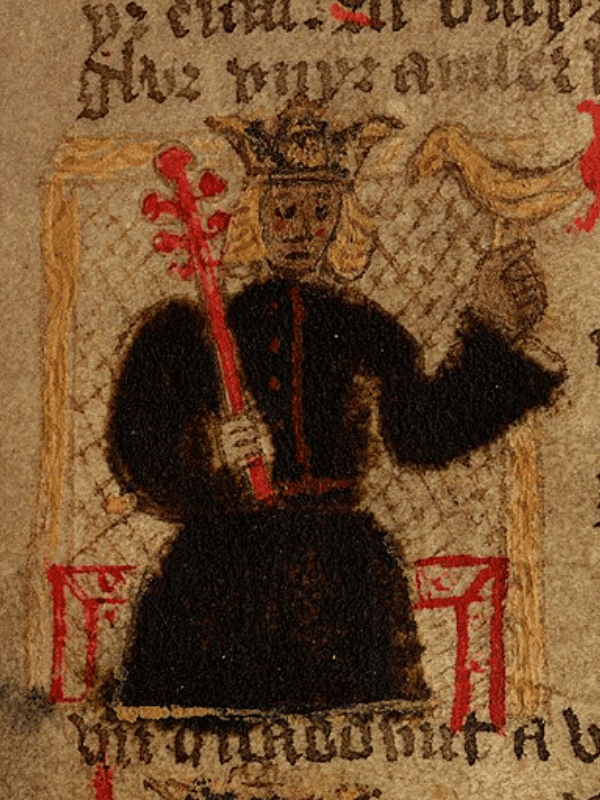
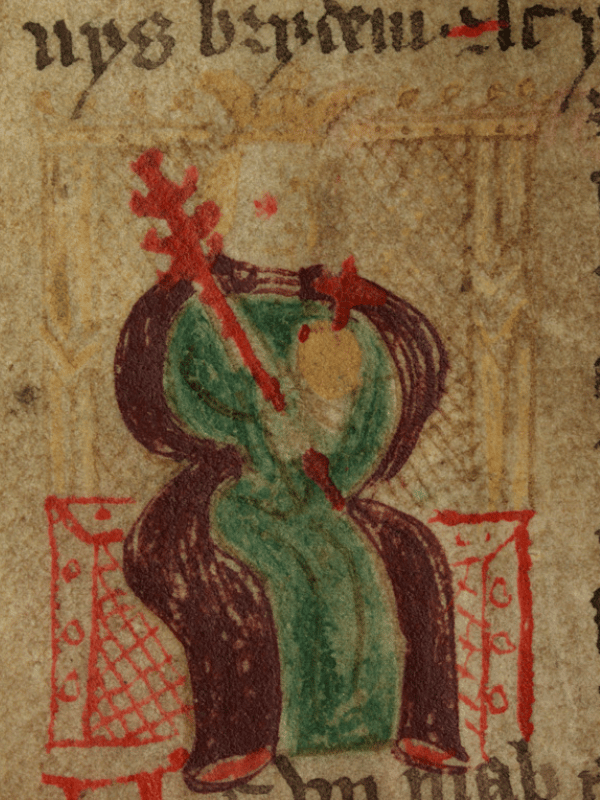

William of Newburgh and the Rise of Skepticism
1136 - 1198 AD
Northern scriptoriums developed a strict approach to text verification during the late twelfth century, reacting sharply against the rapid spread of legendary fabrications across Great Britain. From a quiet Augustinian house at Newburgh Priory in the North Riding of Yorkshire, a canon named William of Newburgh utilized a library collected by his peers to check the accuracy of older records. The surrounding shires were adjusting to the legal and administrative changes executed under the Angevin monarchy of King Henry II, creating an atmosphere of expanding judicial inquiry, crown inquests, and statutory codification which prompted William to evaluate the island's narrative records, separating verified chronological documentation from imaginative literary inventions.
The completion of his major work, the Historia Rerum Anglicarum (History of English Affairs), around 1198, departed from the standard practice of uncritically copying older manuscripts, establishing an early form of historical criticism modeled on classical standards of truth. William operated as a critical evaluator of texts, dedicating the prologue of his history to a direct, blistering attack on Geoffrey of Monmouth, stating that Geoffrey had hidden a love of lying behind a false veneer of historical truth.
This independent method allowed him to protect the integrity of the written word, arguing that to present fables as sober truth degraded the purpose of recording statecraft and faith. Beyond his foundational secular history, William also authored several distinct theological commentaries, including a detailed Exploratio in Canticum Canticorum (Commentary on the Song of Songs), a multi-volume allegorical study requested by his monastic superiors that applied his meticulous textual analysis to sacred scripture, focusing on the spiritual marriage between the soul and the church.
The five books of his main chronicle provide a detailed look at the political struggles, military actions, and social changes that shaped the early Plantagenet state. William chronicles the immediate horrors of the civil war under King Stephen, describing how local barons built more than eleven hundred unauthorized timber and stone holds—labeled adulterine castles—to extort the populations of the surrounding shires through private torture, illegal crop seizures, and forced labor, before tracing the restoration of the royal peace under King Henry II. His entries document the execution of the Treaty of Winchester in 1153, recording the systematic demolition of these illegal fortresses and the subsequent re-establishment of the circuit courts, which sent crown judges into the counties to suppress banditry and enforce statutory law.
The chronicle provides a detailed account of the great baronial rebellion of 1173, logging the tactical maneuvers that led to the sudden defeat of the Scottish invasion forces at the Battle of Alnwick on 13 July 1174. William details how Ranulf de Glanvill, Chief Justiciar of England, led a rapid cavalry march through a dense morning fog, surprising the Scottish knights as they tilted in an open field without their helmets. This charge resulted in the immediate capture of William the Lion, King of Scotland, whose surrender secured the northern counties and forced the signing of the Treaty of Falaise, which bound the Scottish crown to English feudal lordship.
Scribes at Newburgh paid close attention to contemporary international movements, recording the departure of local knights on the Third Crusade under King Richard I the Lionheart and detailing the immense fiscal strain imposed on the shires to pay the King's imperial ransom of one hundred thousand silver marks following his capture in Germany by the Holy Roman Emperor.
Further Information: William of Newburgh and the Rise of Skepticism
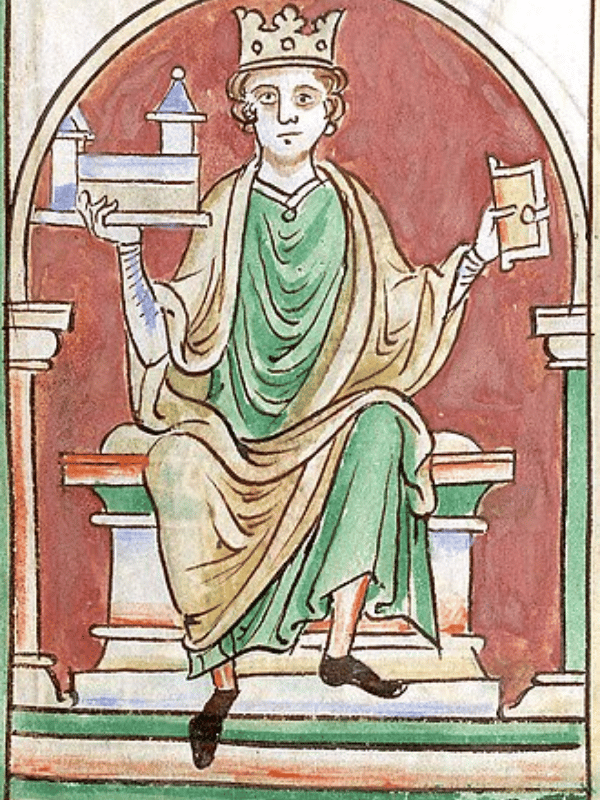
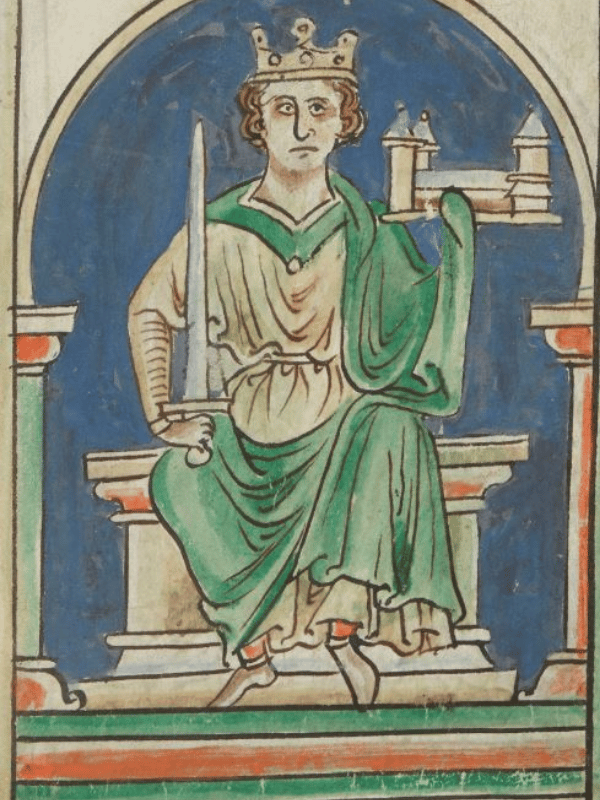
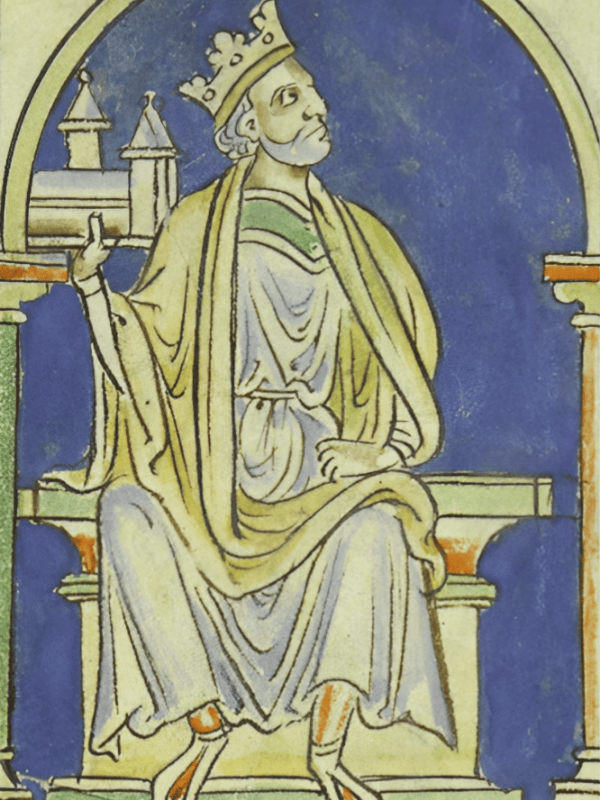
The Plantagenet State and Chivalric Epics
1200 – 1422 AD
Additional Information: The Plantagenet Era
The growth of royal administrative offices under the Plantagenet kings during the thirteenth and fourteenth centuries generated an unprecedented volume of legal, financial, and diplomatic records. Scribes operating within this expanding bureaucratic system moved far beyond the narrow constraints of early medieval annals, using direct access to official exchequer rolls, parliamentary rolls, and royal letters to compile detailed critical analyses of contemporary statecraft.
This era brought a clear shift in historical reporting as secular court interests and the multi-continental campaigns of the Hundred Years' War began to dominate written records. Chroniclers ceased to be passive monastic collectors, transforming their work into vivid, eyewitness-backed documentations of military logistics, political overthrows, and the evolving chivalric culture of the European nobility.
The expansion of these text collections tracked the growing complexity of the English state as it navigated domestic constitutional crises and international military campaigns. Scribes inside major urban scriptoriums and royal administrative hubs abandoned localized church diaries to focus their entries on parliamentary assemblies, statutory codifications, and the movements of the King's forces across France. This transformation of recording methods provided future generations of statesmen with a vast repository of administrative precedent, tracking how the governance of the local shires was bound directly to the centralized authority of the Westminster courts.
The distribution of these late-medieval chronicles mirrored the rising literacy of the secular aristocracy and the expanding merchant classes who purchased hand-copied volumes for their private libraries. Compilers in the monastic scriptoriums of the south gathered official state papers to deliver bold critiques of individual reigns, while courtly heralds traveled across continental battlefields to log the specific details of noble surrenders and tournament etiquette.

Matthew Paris and the Chronica Majora
1200 – 1259 AD
Political rumors and state secrets in thirteenth-century England naturally gravitated toward Watling Street, where the Benedictine house of St Albans stood exactly one day's ride north of London. This unique geographical position transformed the monastery into an essential resting point for traveling barons, foreign diplomats, and the royal court, providing the monk Matthew Paris with an unmatched network for gathering intelligence.
Rather than copying passive entries from behind enclosed walls, Matthew conducted extensive personal interviews, recorded the details of regional food shortages, and acquired direct copies of top-secret diplomatic papers. His writing took shape during a prolonged constitutional crisis as the English barony organized a fierce resistance against the arbitrary tax exactions and foreign favorites of King Henry III, a climate of institutional conflict that prompted Matthew to turn traditional monastic annals into a bold, investigative history of the state.
His massive masterwork, the Chronica Majora (Greater Chronicle), was completed around 1259. This text broke with the insular, passive recording methods of earlier compilers, establishing a highly analytical style that integrated over a hundred original state papers, royal charters, and papal bulls directly into the text. Matthew operated as an independent political commentator, utilizing his personal acquaintance with the King to gain access to the royal archives while simultaneously filling his private journals with fierce, uncompromised denunciations of the Crown's incompetence.
This thorough method allowed him to produce an exhaustive national memory that defended the traditional rights of the English Church and barony against the corrupt practices of both the royal exchequer and the Roman curia. Beyond this secular and international epic, Matthew also authored several localized historical and hagiographical treatises, including the Gesta Abbatum Monasterii Sancti Albani (Deeds of the Abbots of St Albans), a specialized chronicle tracking the internal administrative struggles, construction projects, property acquisitions, and legal lawsuits of his home abbey against predatory local sheriffs.
The individual volumes of his main work provide a granular look at the fiscal struggles, military logistics, and social changes that shaped the early development of the Plantagenet state. Matthew chronicles the fallout of the First Barons' War, tracking how the provisions of Magna Carta were repeatedly undermined by royal officers, and detailing the tactical movements of Simon de Montfort, 6th Earl of Leicester, who began organizing the baronial opposition.
His chronicle provides our most detailed look at the economic strain imposed on the counties, logging the precise inflation rates, crop failures, and heavy papal taxes that bled the countryside to fund the King's failed military expeditions in Gascony. Scribes at St Albans paid close attention to international developments, utilizing Matthew’s extensive network to record the advances of the Mongol Empire in eastern Europe, the diplomatic strategies of the Holy Roman Emperor Frederick II, and the launching of the Seventh Crusade under King Louis IX of France.
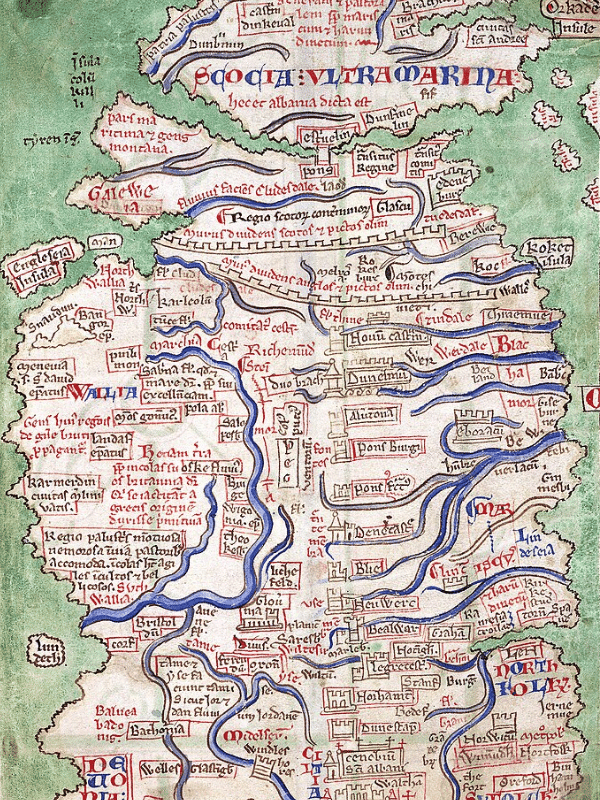
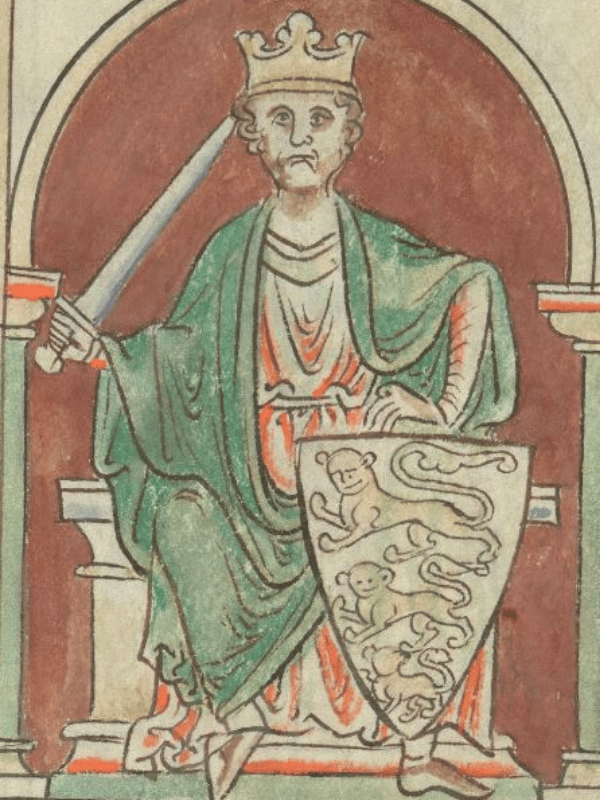
By grounding this extensive profile in specific administrative, fiscal, and graphic realities, his work successfully established a permanent historical benchmark for checking the execution of royal policy. To ensure the durability of his history, Matthew personally illustrated the margins of his manuscripts with the oldest surviving collection of English heraldic coats of arms, alongside detailed maps of Britain and itineraries to Jerusalem, turning traditional monastic memory into a visual and legal atlas of the medieval world. This chronicle turned a collection of isolated abbey entries into a comprehensive archive of statecraft, providing future generations of parliamentarians and constitutional lawyers with a definitive record of the struggle for the rule of law.
Further Information: Matthew Paris and the Chronica Majora

Ranulf Higden and the Polychronicon
1280 - 1364 AD
The busy maritime trade of Chester during the early fourteenth century provided an open window to the wider world, as merchant ships and royal armies constantly moved through the port on the Welsh border. Based at the Benedictine house of St Werburgh, a monk named Ranulf Higden spent over forty years gathering scattered manuscripts to construct a single, expansive account of human knowledge.
His massive work, the Polychronicon (The Universal Chronicle), was finished in its primary form around 1360, with fresh updates added to the final chapters until his death. This compilation moved far beyond the narrow boundaries of traditional abbey diaries, establishing an ambitious historical survey that paired chronological timelines with detailed geographical, philosophical, and scientific descriptions. Higden operated as a meticulous researcher, dividing his material into seven books to mirror the seven days of creation, and carefully blending classical Roman authorities like Pliny, Solinus, and Isidore of Seville directly with local British chronicles. This expansive approach allowed him to present the history of Britain not as an isolated frontier story, but as an active component of global Christian civilization.
The initial book provides a clear look at the geography, languages, and regional customs that defined the medieval English state. Higden tracks the specific boundary lines of the old shires, maps the surviving routes of the great Roman roads, and offers a sharp contemporary analysis of how the English language had decayed through the mixing of Saxon, Danish, and Norman dialects. Beyond this universal chronicle, Higden utilized his extensive theological and structural expertise to compile the Ars Componendi Sermones (The Art of Composing Sermons), a highly practical, technical textbook for medieval preachers that abandoned dense academic jargon to provide a clear, step-by-step administrative manual on sermon construction, theme division, and effective public delivery for the secular clergy.
The narrative of his main work provides our most detailed look at the military growth of the crown, recording the massive costs and construction details behind the ring of stone castles erected around Wales under King Edward I. Scribes at Chester paid close attention to contemporary international warfare, logging the tactical victories achieved by English longbowmen against French heavy cavalry at the Battle of Crécy on 26 August 1346 and the Battle of Poitiers on 19 September 1356.
By imposing this rigorous design over old records, the volumes created an authoritative reference ledger that dominated English education for over two centuries. To maximize the practical utility of his writing, Higden introduced an alphabetical subject index and cross-referenced chronological margin marks, turning traditional monastic memory into an accessible tool for secular lawyers and royal officials. This chronicle turned a collection of isolated provincial annals into a continuous national encyclopedia, providing future generations of bards and printers with the definitive text of British history.
When the scholar John Trevisa translated the work into English prose in 1387 and William Caxton subsequently published it on his Westminster press in 1482, these chapters became the enduring national textbook, ensuring that the historical memory of the country remained anchored to a unified geographical and historical identity.
Further Information: Ranulf Higden and the Polychronicon


Peter de Langtoft and the Glorification of Edward I
1272 – 1307 AD
The fierce military consolidation of the British landmass during the late thirteenth century found its most aggressive literary champion in Peter de Langtoft, an Augustinian canon from Bridlington Priory in the East Riding of Yorkshire. Operating along the northeastern maritime corridor at a time when the English crown was engaged in total war with Scotland and France, Langtoft abandoned traditional ecclesiastical Latin to compose his history in Anglo-Norman verse.
Writing in the vernacular of the ruling baronial elite, his text took shape during the high-stakes campaigns of King Edward I, an environment of relentless royal taxation, countrywide military levies, and brutal frontier warfare that prompted Langtoft to transform traditional monastic chronicles into a highly politicized, nationalistic epic designed to justify the total subjection of the Celtic realms.
The completion of his three-part Chronicle of England around 1307 completely discarded the balanced, universal frameworks favored by earlier southern compilers like John of Worcester. Langtoft functioned as a programmatic writer of statecraft, organizing his final and most significant section entirely around the executive actions, legislative statutes, and battlefield triumphs of Edward I, whom he idealized as the ultimate Christian warlord. He operated as a fierce propagandist for the crown, utilizing popular northern anti-Scottish sentiments to craft a driving, rhyming narrative that was systematically copied and read aloud in the castles of the Anglo-Norman Marcher lords. This uncompromised method allowed him to produce an exhaustive memory of the reign, validating the heavy fiscal extractions of the royal exchequer while providing an absolute legal and historical defense for the dismantling of Scottish sovereign independence.
The individual sections of his contemporary ledger provide a granular look at the changing logistics, siege technologies, and scorched-earth tactics that transformed the northern borderlands. Langtoft chronicles the systematic implementation of the Statute of Winchester 1285, tracking the restructuring of the local shires and the enforcement of the watch and ward systems to suppress domestic banditry.
The narrative provides our most vivid northern account of the brutal sacking of Berwick-upon-Tweed in March 1296, detailing how the royal cavalry breached the town's timber palisades to systematically slaughter thousands of inhabitants, and describing the subsequent capture of the Stone of Scone, which Edward I forcefully removed to Westminster Abbey to physically erase the coronation architecture of the Scottish monarchy. Scribes across Yorkshire copied these verses to record the shifting tactical fortunes of the frontier wars, logging the crushing English defeat at Stirling Bridge, the subsequent deployment of thousands of longbowmen to break the Scottish schiltrons at the Battle of Falkirk in 1298, and the agonizing execution of William Wallace at Smithfield in 1305.
By presenting this raw material as a continuous, rhyming epic, the chronicle successfully established a permanent historical benchmark for the administration of the northern counties. To protect the security and property rights of his priory amidst ongoing border warfare, Langtoft documented the precise historical donations and boundary audits granted by early rulers, transforming local monastic memory into a verified legal defense.
This work turned a collection of isolated frontier campaigns into a unified national epic, providing future generations of Plantagenet legal clerks and Tudor antiquarians—including Robert Mannyng of Brunne, who translated the text into English vernacular verse in 1338—with a powerful vocabulary of imperial right. The widespread duplication of these Anglo-Norman manuscripts guaranteed that the myth of Edward I as the "Hammer of the Scots" remained firmly fixed in the historical consciousness of the realm, ensuring that the ancient lineage of the north remained anchored to the administrative dominance of the English state.
Further Information: Peter de Langtoft and the Glorification of Edward I
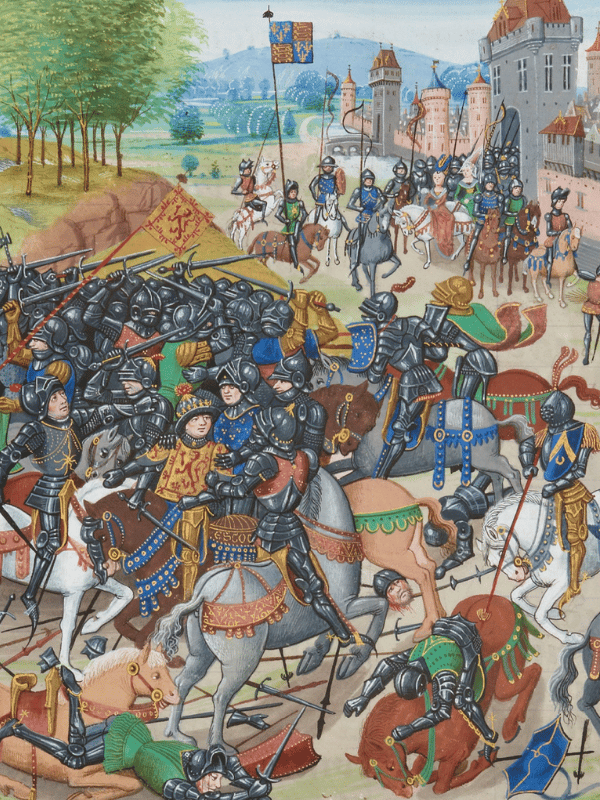
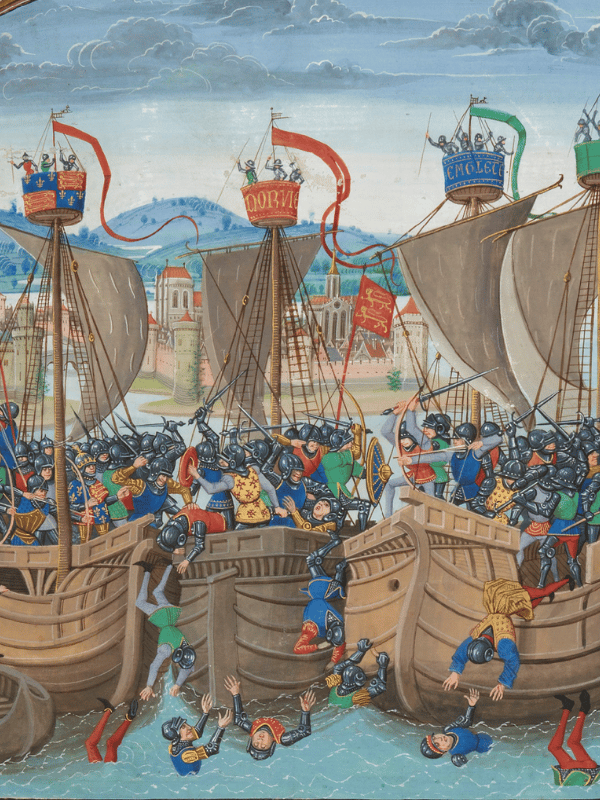
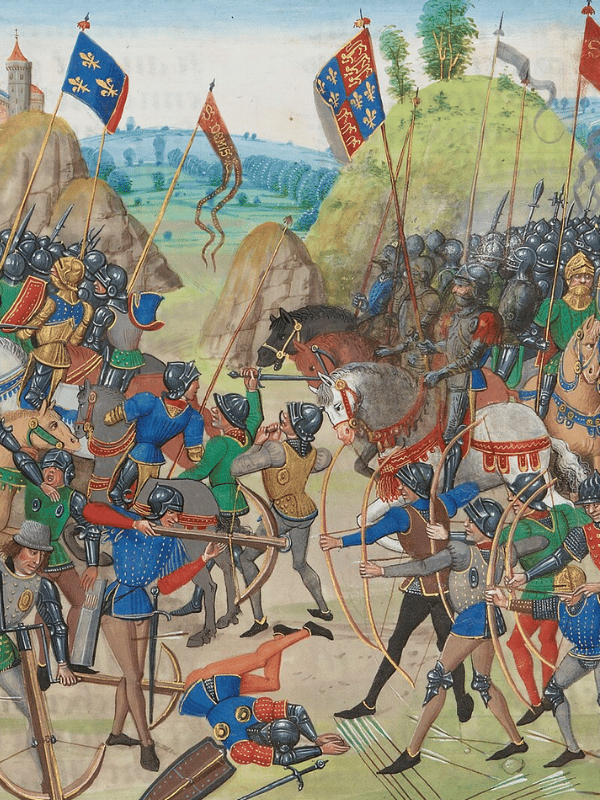
Jean Froissart and the Hundred Years' War
1337 - 1405 AD
Additional Information: The Plantagenet Era / Edward III and the Outbreak of the Hundred Years' War
The lavish feasts and political assemblies of the late-fourteenth-century English court gave an unprecedented view of European diplomacy to the traveling poet Jean Froissart, who spent his career tracking the campaigns of the Hundred Years' War. Operating under the personal protection of Philippa of Hainault, Queen consort of England, Froissart secured open entry to the royal household and spent years on horseback crossing England, Scotland, Wales, and France to interview veteran soldiers inside baronial halls.
The surrounding nations were locked in a destructive war for the French crown, a struggle that was outgrowing traditional feudal boundaries to become an enterprise of professional mercenary contract units, massive tax levies, and destructive naval blockades. This environment of pan-European aristocratic violence prompted Froissart to bypass the dry, insular recording style of abbey bards, leveraging his noble connections to collect the tactical details of major continental advances.
The composition of his massive Chroniques (Chronicles) was completed towards the end of his life, around 1400. This four-volume collection broke away from the moralizing tone of traditional church annals to deliver a vivid history written specifically for the international nobility. Froissart operated as an investigator of battlefield actions, cross-referencing testimonies from both French and English combatants, copying official challenge letters, and recording the precise clauses of noble surrenders.
This immersive approach allowed him to preserve an exhaustive memory of late-medieval conflict, capturing the physical realities of supply train logistics while celebrating the shared aristocratic values of individual courage and knightly honor. Beyond this sweeping historical masterpiece, Froissart was a highly accomplished courtly poet, authoring Meliador, a massive, seventy-thousand-line Arthurian verse romance that combined traditional legends of knight-errantry with his own lyrical poems, serving as a nostalgic celebration of chivalric values for elite noble courts.
The individual books of his main work provide a detailed look at the changes in armor profiles, cavalry maneuvers, and siege tactics that transformed the medieval landscape. Froissart chronicles the early English military successes of the campaign, providing our most famous accounts of the Battle of Crécy on 26 August 1346 and the Battle of Poitiers on 19 September 1356, where the rapid deployment of thousands of English longbowmen shattered the frontal cavalry charges of the French heavy horse. The entries track the expansion of the war into the northern borders, logging the Battle of Neville's Cross on 17 October 1346, where local Yorkshire and Durham levies captured the King of Scots, and detailing the night combat at the Battle of Otterburn on 14 August 1388, where the border families of Percy and Douglas fought by moonlight in the Cheviot hills.
By presenting this detailed material as a guide to noble virtue, his writing created an authoritative reference ledger for evaluating chivalric behavior. Froissart structured his chapters around individual feats of arms, converting raw casualty tables into an engaging story of martial achievement that turned a collection of isolated battlefield reports into a continuous international history.
Further Information: Jean Froissart and the Hundred Years' War
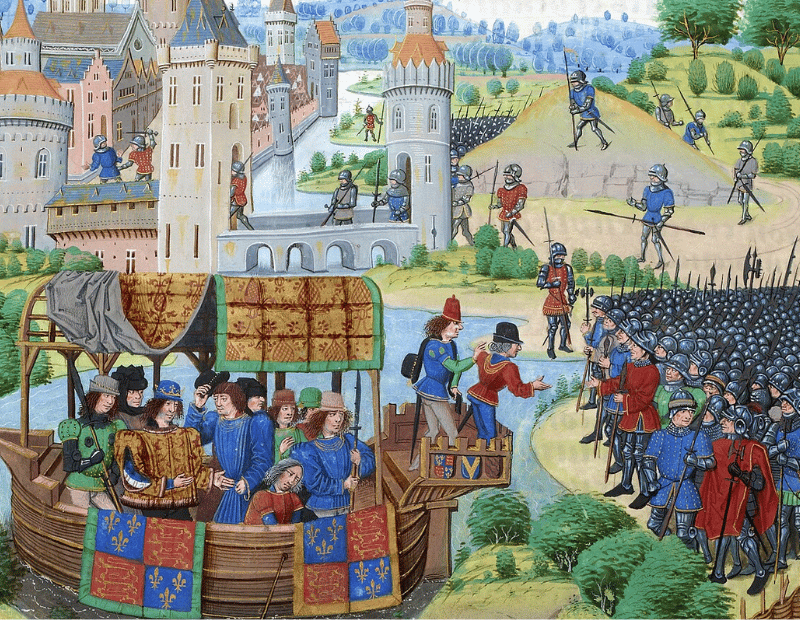
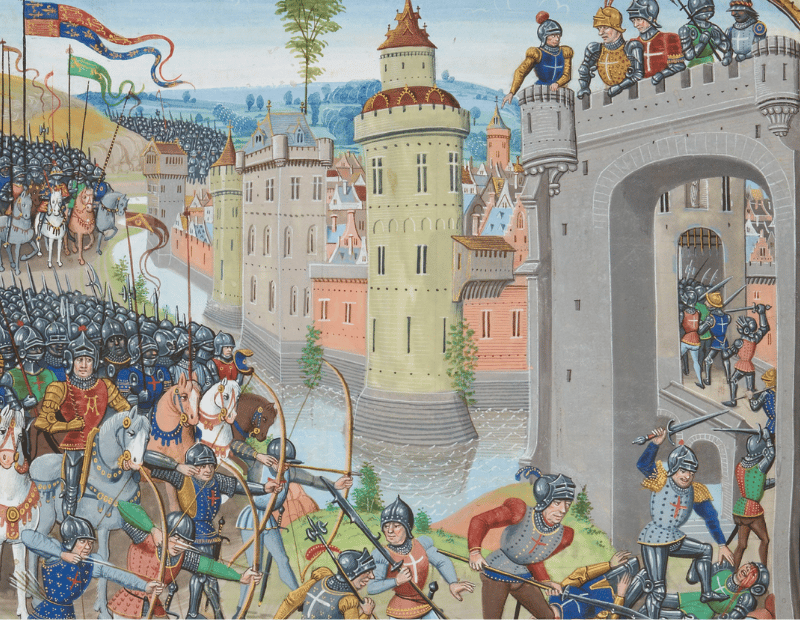
Thomas Walsingham and the Lancastrian Triumph
Died. 1422 AD
Additional Information: The Plantagenet Era / Wat Tyler and the Peasants' Revolt
The final great phase of continuous medieval chronicle writing in England took shape at the abbey of St Albans during the opening decades of the fifteenth century, as the country adjusted to the violent fall of the Plantagenet dynasty. Supervised by the chief precentor Thomas Walsingham, the abbey library operated like a busy historical workshop, copying ancient rolls while entering detailed, eyewitness entries covering contemporary parliamentary crises. Walsingham worked under the direct encouragement of Thomas de la Mare, 30th Abbot of St Albans, who provided the resources needed to build a comprehensive historical record.
The surrounding shires were experiencing the domestic trauma of social revolution and dynastic overthrow, an era marked by the radical outbreaks of the Peasants' Revolt and the sudden deposition of King Richard II. This environment of civil and constitutional instability prompted Walsingham to transform traditional monastic registries into an active defense of the realm's religious and legal institutions.
The initial volumes of his massive work, the Chronica Maiora (Greater Chronicle), were completed around 1422, with fresh updates added until his death. This text moved past the passive, list-based records of ordinary monastic scribes to deliver a highly descriptive, continuous record built on direct archival research and political commentary. Walsingham operated as an investigator of contemporary events, using his access to traveling statesmen to acquire direct copies of parliamentary statutes, royal indictments, and original challenge letters.
This thorough method allowed him to produce an uncompromised national memory that validated the legitimacy of the new Lancastrian regime while exposing the religious radicalism of the Lollard movement and the administrative failures of the old court faction. Beyond this extensive national history, Walsingham also compiled the Ypodigma Neustriae (Demonstration of Normandy) around 1419, a specialized, dedicated historical monograph presented directly to King Henry V to legally and historically justify the English conquest of Normandy by tracing the lineage of the Norman dukes from Rollo straight down to the lancastrian crown.
The individual books of his main work provide a detailed record of the economic rebellions, constitutional crises, and military triumphs that reshaped the late medieval state. Walsingham chronicles the dramatic events of the Peasants' Revolt of 1381, providing our most vivid accounts of the rebel columns under Wat Tyler burning the Savoy Palace and entering London, before detailing the subsequent military suppression of the uprising by the young King Richard II.
The entries track the subsequent decay of the court peace, logging the coup d'état of King Henry IV, who deposed his cousin in 1399, and detailing the subsequent French campaigns of King Henry V, who unified the shires to achieve a decisive breakthrough against the French armies at the Battle of Agincourt on 25 October 1415. By connecting these turbulent events into a single, continuous Latin chronicle, his writing created a permanent historical record for checking the execution of royal policy, turning a collection of isolated provincial accounts into a continuous record of dynastic change.
Further Information: Thomas Walsingham and the Lancastrian Triumph

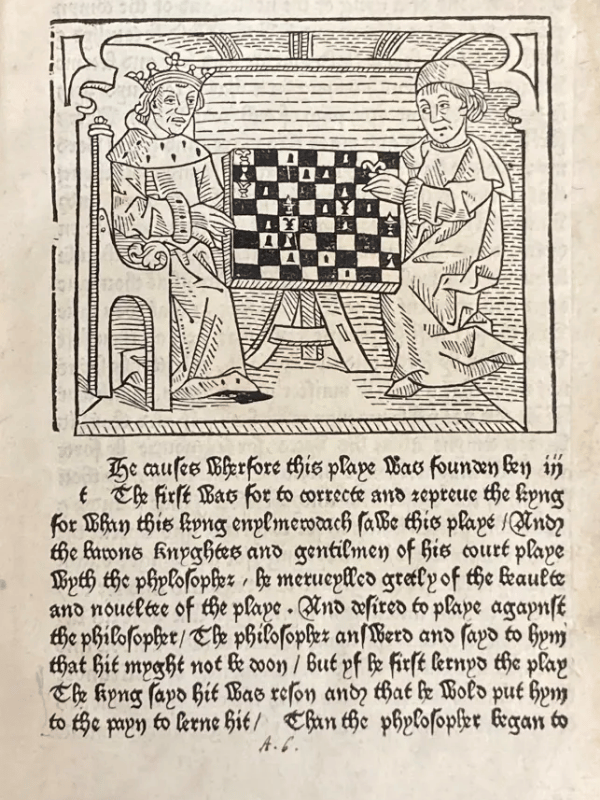
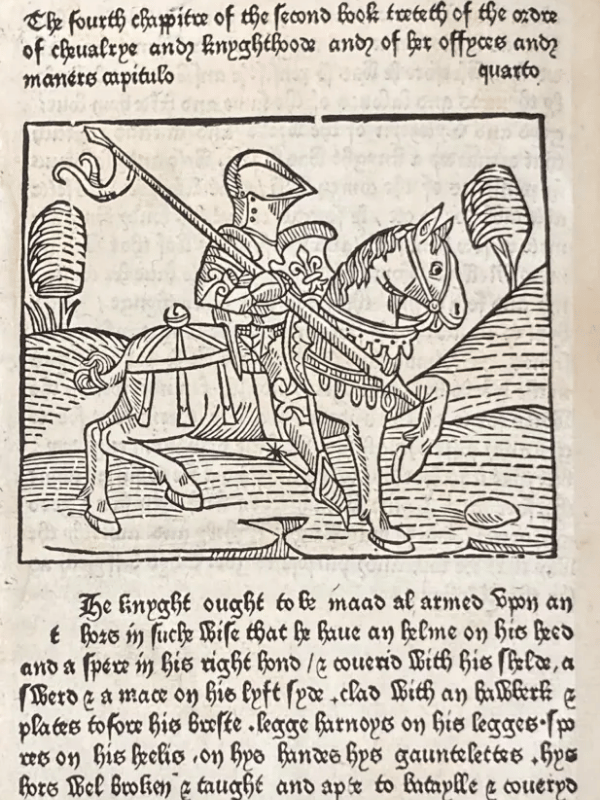
The Yorkist Collapse and the Printing Revolution
1450 – 1509 AD
Additional Information: The Plantagenet Era / The Wars of the Roses and the Battle of St Albans
The eruption of the dynastic civil wars known as the Wars of the Roses during the mid-fifteenth century forced a dramatic shift in how the history of the island was recorded. As the rival houses of Lancaster and York locked the country into decades of sporadic military campaigns and sudden political overthrows, the traditional network of continuous monastic chronicling collapsed, with scriptoriums no longer possessing the security or resources to maintain long-term universal histories.
Instead, the task of recording statecraft migrated out of isolated abbey cells directly into the secular world of royal government offices, mercantile guilds, and early modern printing houses. Writers operating in this volatile environment abandoned remote theological interpretations to produce urgent, eyewitness accounts focused on the shifting realities of factional warfare, parliamentary attainders, and executive power.
This era marks a permanent transformation in the medium of historical transmission, driven by the arrival of movable type machinery in the country. When William Caxton established his printing press at Westminster in 1476, he introduced a mechanical capability that altered the distribution of texts and modified how information moved through the shires. Scribes were no longer required to spend months hand-copying individual vellum sheets; instead, a single workshop could rapidly produce hundreds of uniform, paper volumes to satisfy an expanding market. This printing boom occurred just as a growing class of literate merchants, London lawyers, and secular gentry demanded access to historical records, turning the preservation of national memory from a defensive monastic duty into a highly commercial enterprise.
The expansion of these new text collections tracked the violent shifts in power that culminated in the rise of the Tudor monarchy. In the administrative offices of the royal court, highly placed civil servants recorded confidential summaries of cabinet decisions and diplomatic betrayals, while urban merchants compiled continuous city chronicles tracking the financial strains and logistical operations of the realm. Scribes no longer sought to frame history around distant world cycles; they analyzed the immediate psychological motives, financial confiscations, and battlefield strategies of their rulers.
By shifting the written record from Latin church prose into mass-produced vernacular histories, these early modern writers created the definitive accounts that mapped out the collapse of the medieval feudal order, providing the ideological grounding used by the early Tudor state to construct a new model of centralized royal authority.
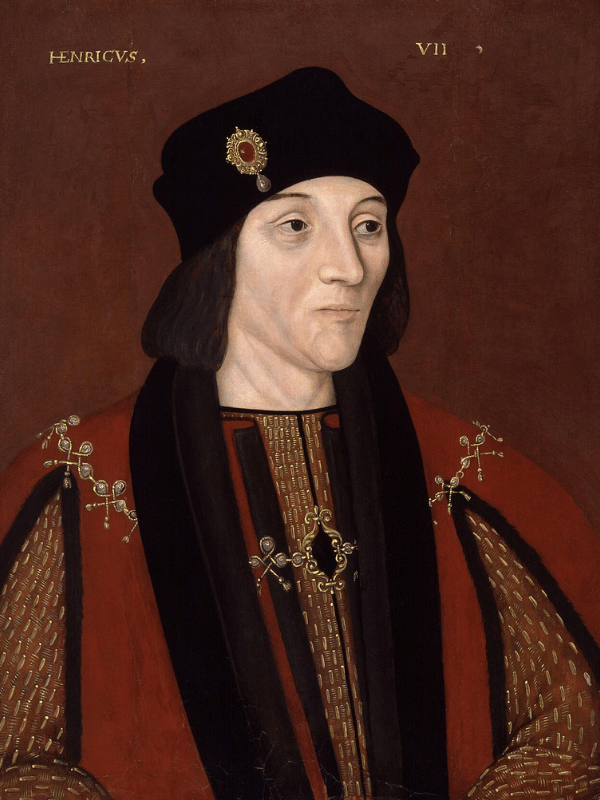
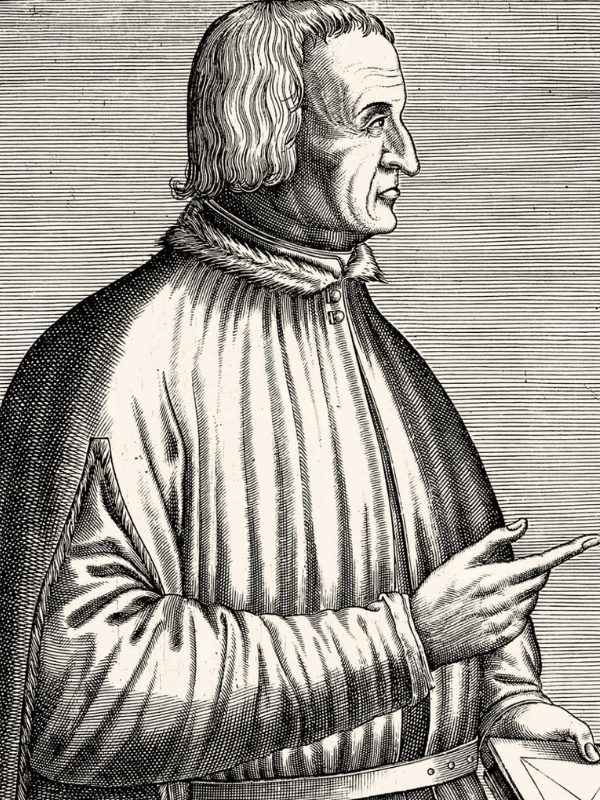
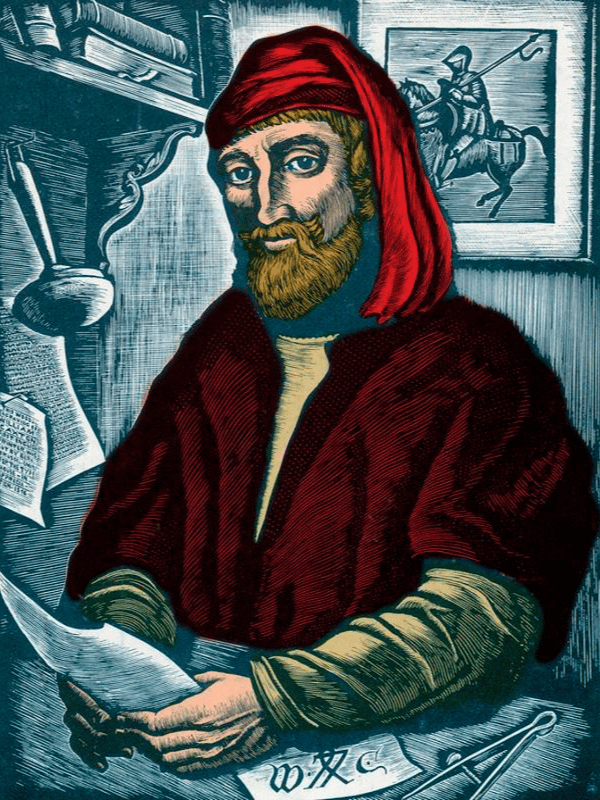
Polydore Vergil and the Anglica Historia
1470 – 1555 AD
Additional Information: The Tudor Period / Yorkist Pretenders and the Battle of Stoke Field
The introduction of continental European scholarship to the court of Winchester and London occurred during the first decade of the sixteenth century, driven by an Italian humanist cleric who rewrote the origins of the English realm. Born in Urbino and educated at the University of Bologna, Polydore Vergil arrived in Britain in 1502 as a papal sub-collector, quickly gaining entry to the inner administrative circle of King Henry VII.
The newly established Tudor dynasty was seeking international prestige and legal validation to secure its fragile hold on the crown following decades of dynastic warfare. Recognizing the political utility of a polished national chronicle, the King commissioned Vergil to compile a comprehensive Latin history that would trace the lineage of the realm and place the achievements of the Tudor house within a grand European context.
The composition of his twenty-six-book masterpiece, the Anglica Historia, was initiated around 1505 and completed in its primary form by 1534, when it was published on the printing presses of Basel. This extensive work abandoned the uncritical copying methods of early medieval chroniclers to deliver an analytical narrative based on cross-referencing sources and logical deduction. Vergil operated as a critical investigator, searching through European libraries, cross-examining conflicting administrative rolls, and discarding popular supernatural folklore. This European method allowed him to produce a balanced national memory that verified the administrative growth of the realm while outgrowing the insular mythology that had dominated earlier church libraries.
The early books generated immediate political friction across the shires by launching a direct assault on the foundational myths popularized by Geoffrey of Monmouth. Vergil applied strict textual analysis to the legends of Brutus of Troy and King Arthur, pointing out that contemporary Roman and Greek historians contained absolutely no record of an imperial British empire. He argued that to present manufactured fables as sober truth degraded the purpose of recording history, a critical stance that provoked a fierce backlash from native antiquarians who viewed the Arthurian line as an article of national faith. Scribes and court clerks focused heavily on these chapters, which stripped away centuries of romantic chivalric folklore to anchor the prehistory of the island to verified classical documentation.
The final sections of the work provide our most detailed look at the political strategies, financial exactions, and administrative consolidations that built the early Tudor state. Vergil chronicles the reign of Henry VII with the precision of a court insider, detailing the tracking of Yorkist pretenders like Perkin Warbeck and the complex financial systems executed by the king's fiscal agents to centralize the revenues of the Crown.
This writing provided future generations of Renaissance statesmen and dramatists with an authoritative index of fifteenth-century statecraft, creating the definitive historical narrative that framed the union of the houses of Lancaster and York as a necessary restoration of national peace. His volumes established a standard of archival criticism that elevated English historical literature, ensuring that the study of the past remained connected to international standards of intellectual inquiry.
Further Information: Polydore Vergil and the Anglica Historia
Stay Connected
The Chronicles of Britain FAQs