
The Eras Of
English History
From Prehistoric Britain to the Modern Era
Long before rising sea levels submerged Doggerland and cut Britain off from continental Europe, Palaeolithic hunter-gatherers left the very first human footprints on these lands. From these ancient beginnings, a chain of history unfolded across the millennia—with this island witnessing the birth of a people and the forging of a global empire. Our historical eras charts this complete journey, chronologically exploring the true foundations of our nation.
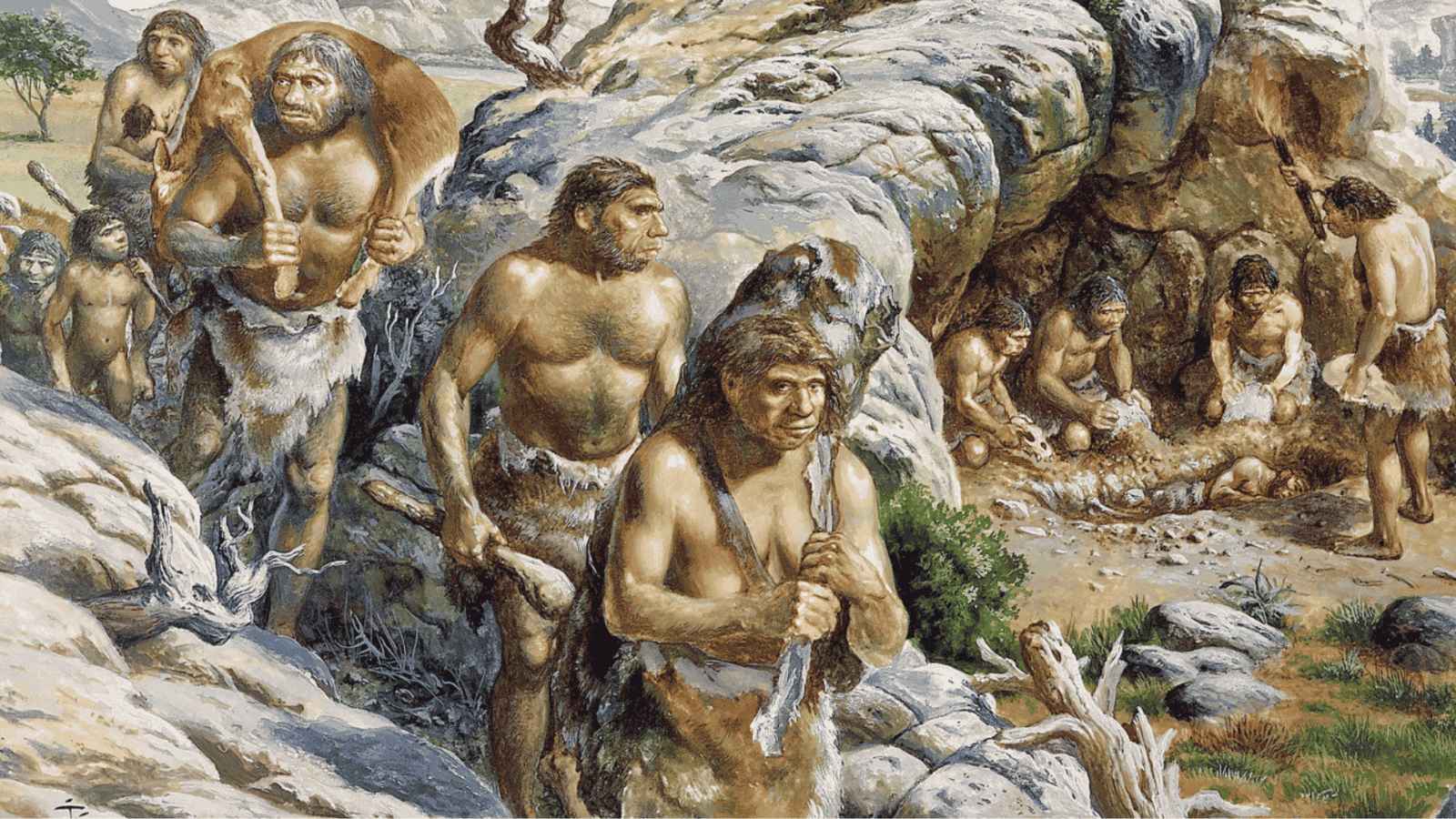
Stone Age Britain
900,000 - 2500 BC
Extending from the Palaeolithic dawn to the Neolithic revolution, this era witnessed the transition from nomadic hunter-gatherers to the island's first permanent farming and monument-building communities.
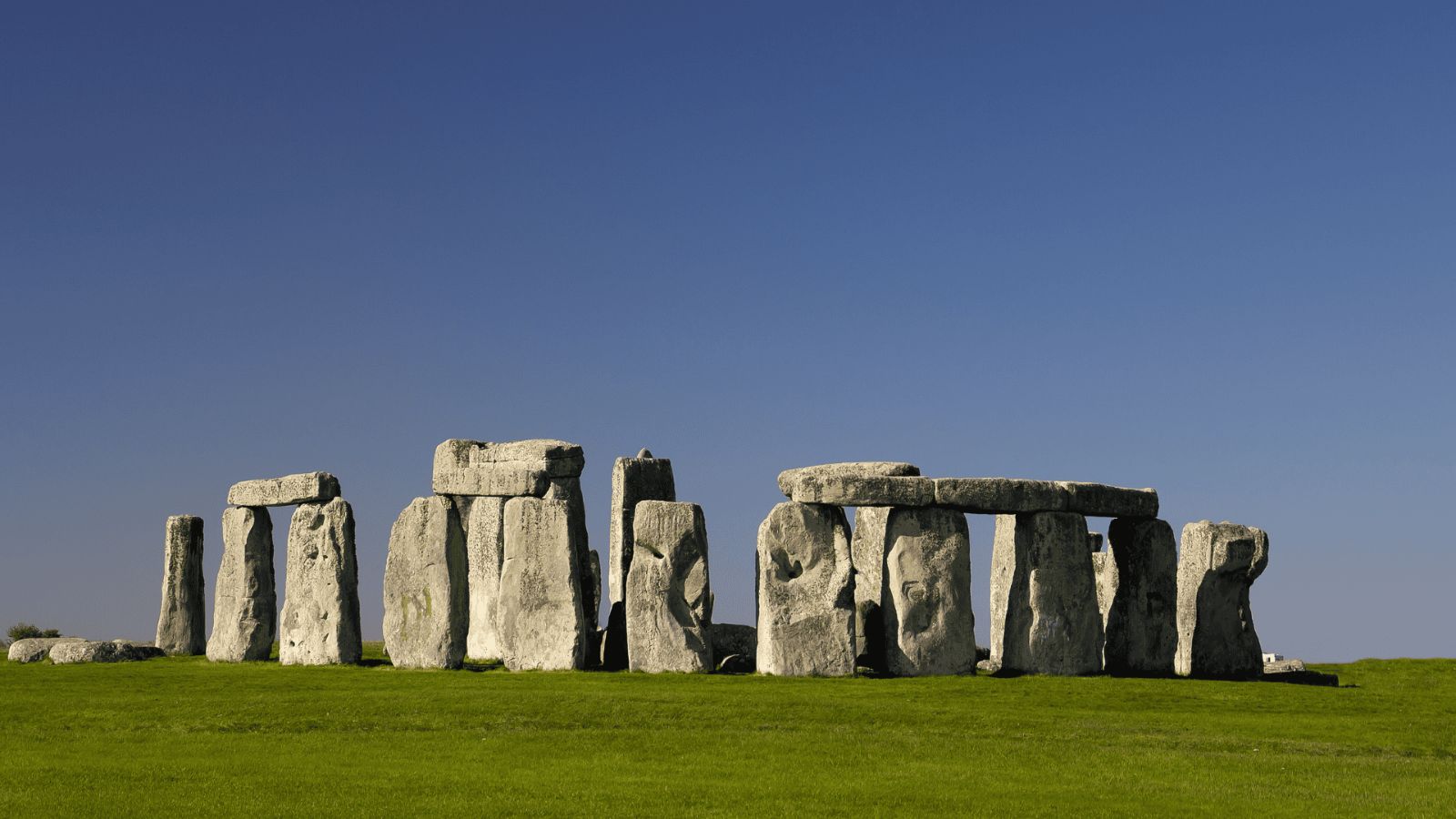
Bronze Age Britain
2500 - 800 BC
Bronze Age Britain was defined by the introduction of metallurgy, with the period seeing the expansion of continental trade networks, the rise of a warrior elite, and new agricultural practices that altered the landscape.
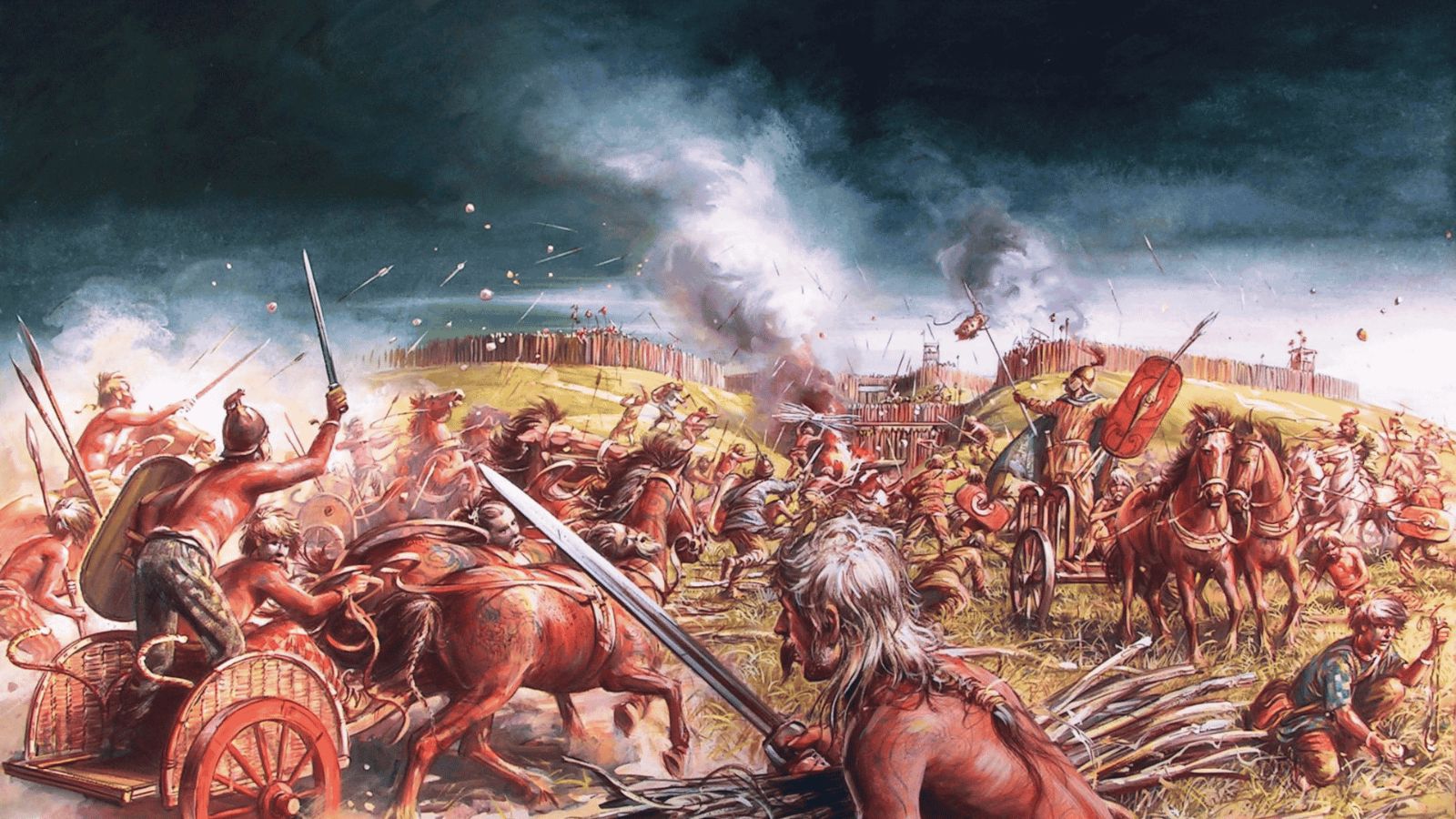
Iron Age Britain
800 BC - 43 AD
Driven by advancements in metallurgy, the Iron Age witnessed the rise of fortified hillforts, the crystallization of powerful tribal kingdoms, and the earliest written documentation of the island by classical observers.
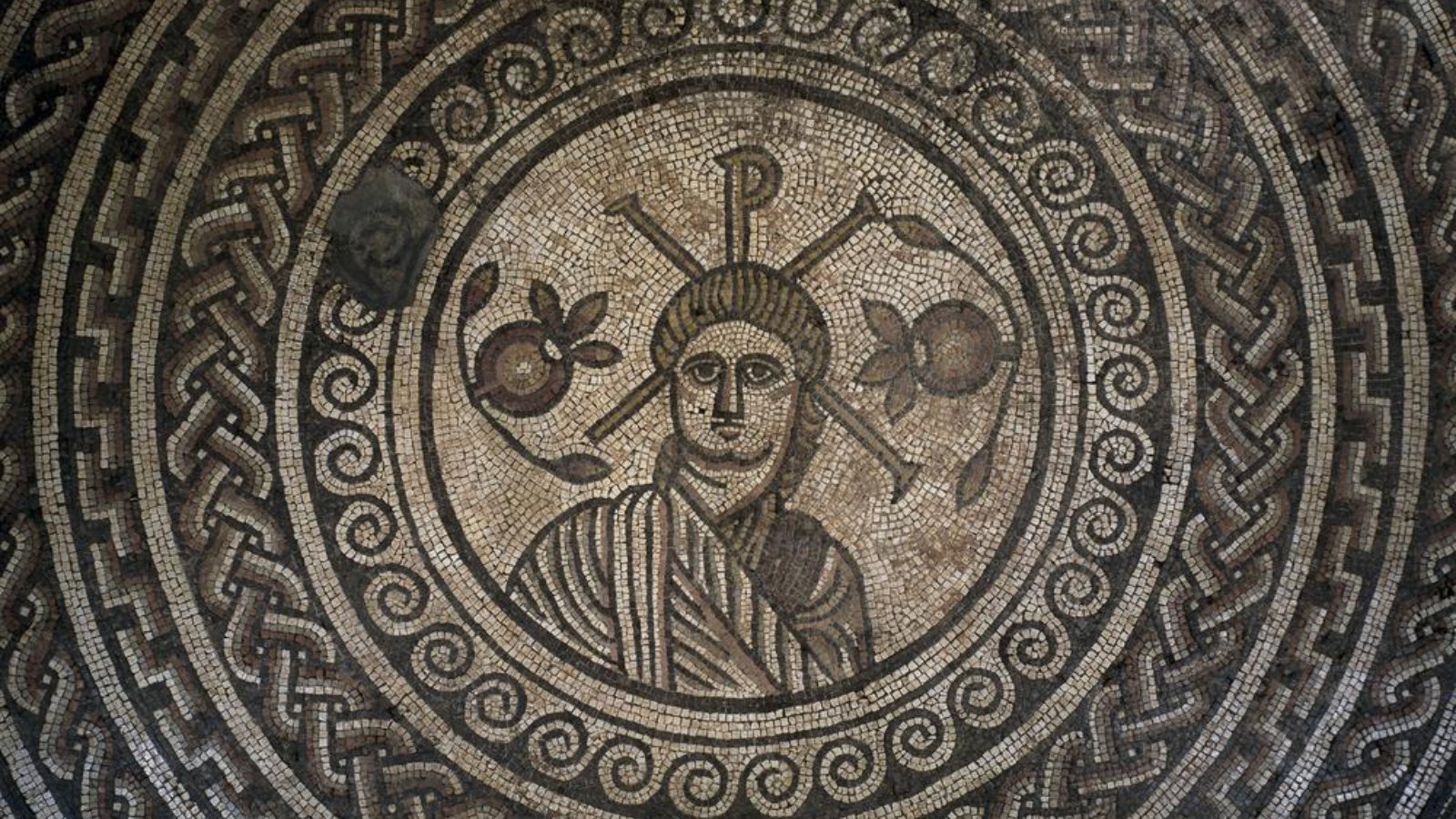
Roman Britain
43 - 410 AD
Spanning nearly four centuries, the Romans integrated Britain into the classical world, introducing centralised governance, urban planning, advanced engineering, Roman law, and the foundational spread of Christianity.
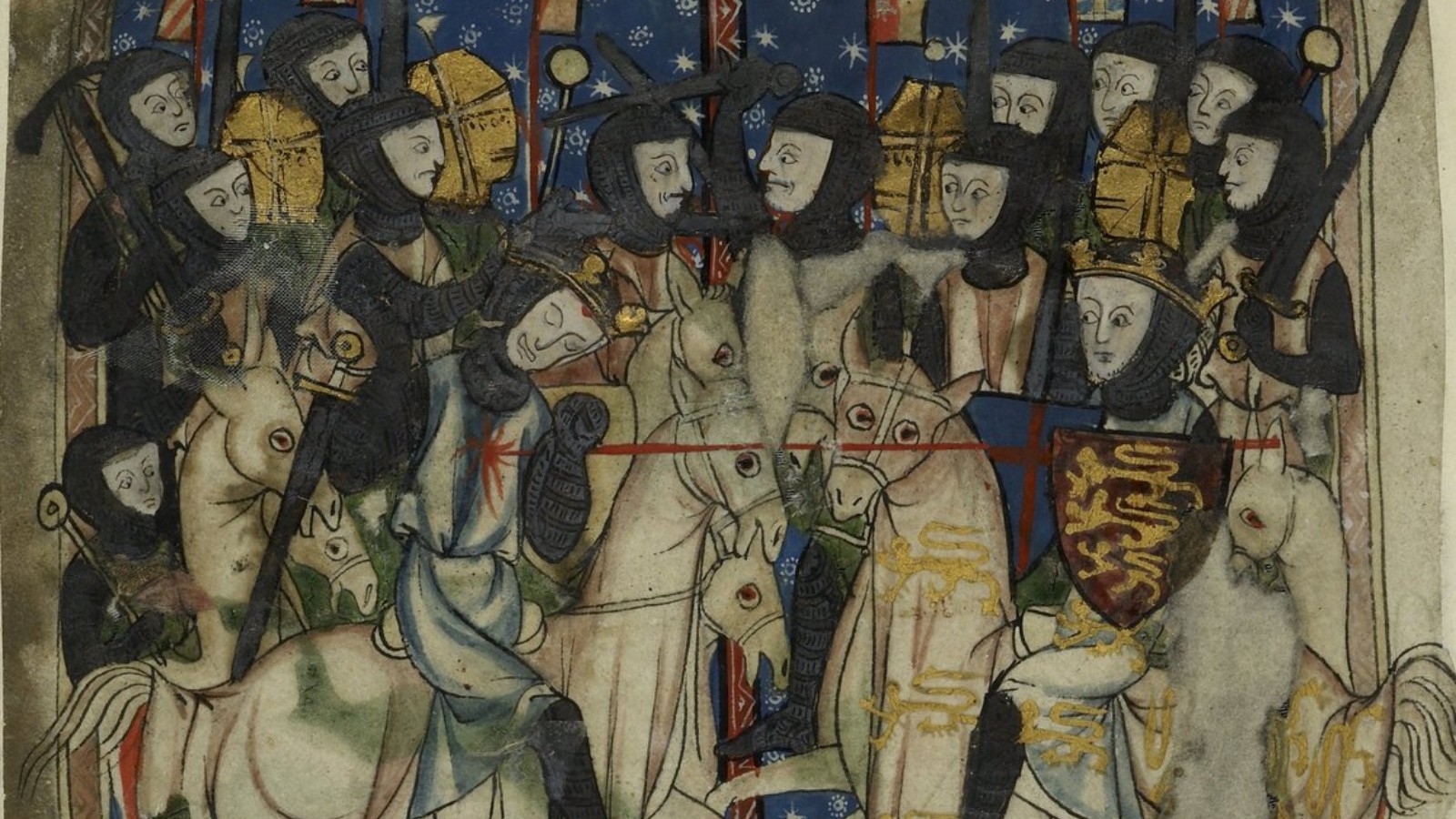
Anglo-Saxon England
410 - 1066 AD
A transformative era defined by the rise of early English statehood, marked by the conversion of pagan kingdoms to Christianity, centuries of conflict against Viking invaders, and the consolidation of the English crown.
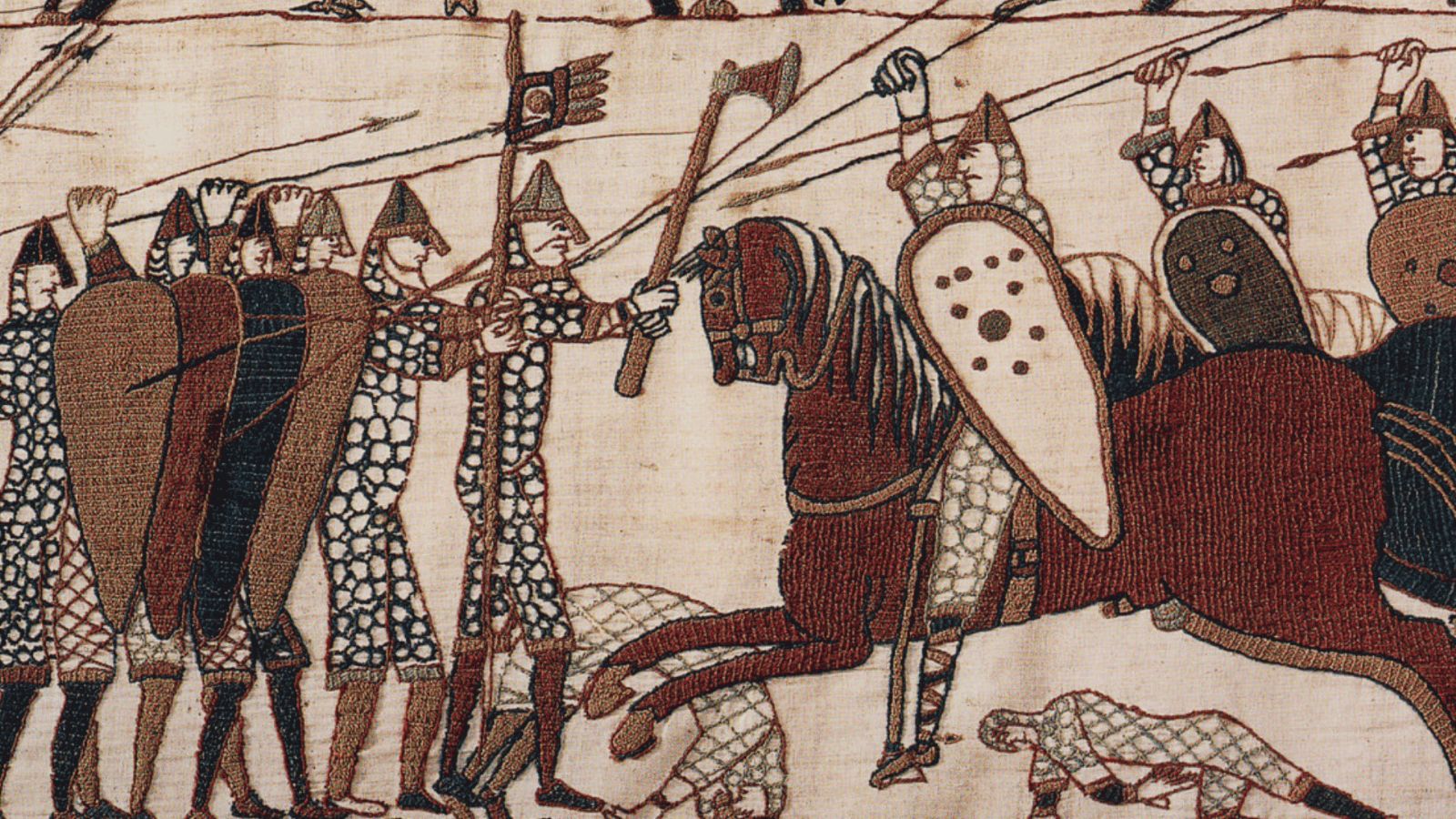
Norman England
1066 - 1154 AD
Triggered by the conquest of 1066, this transformative era introduced continental feudalism, a French-speaking ruling class, the Domesday Book, and a lasting restructuring of English law and architecture.
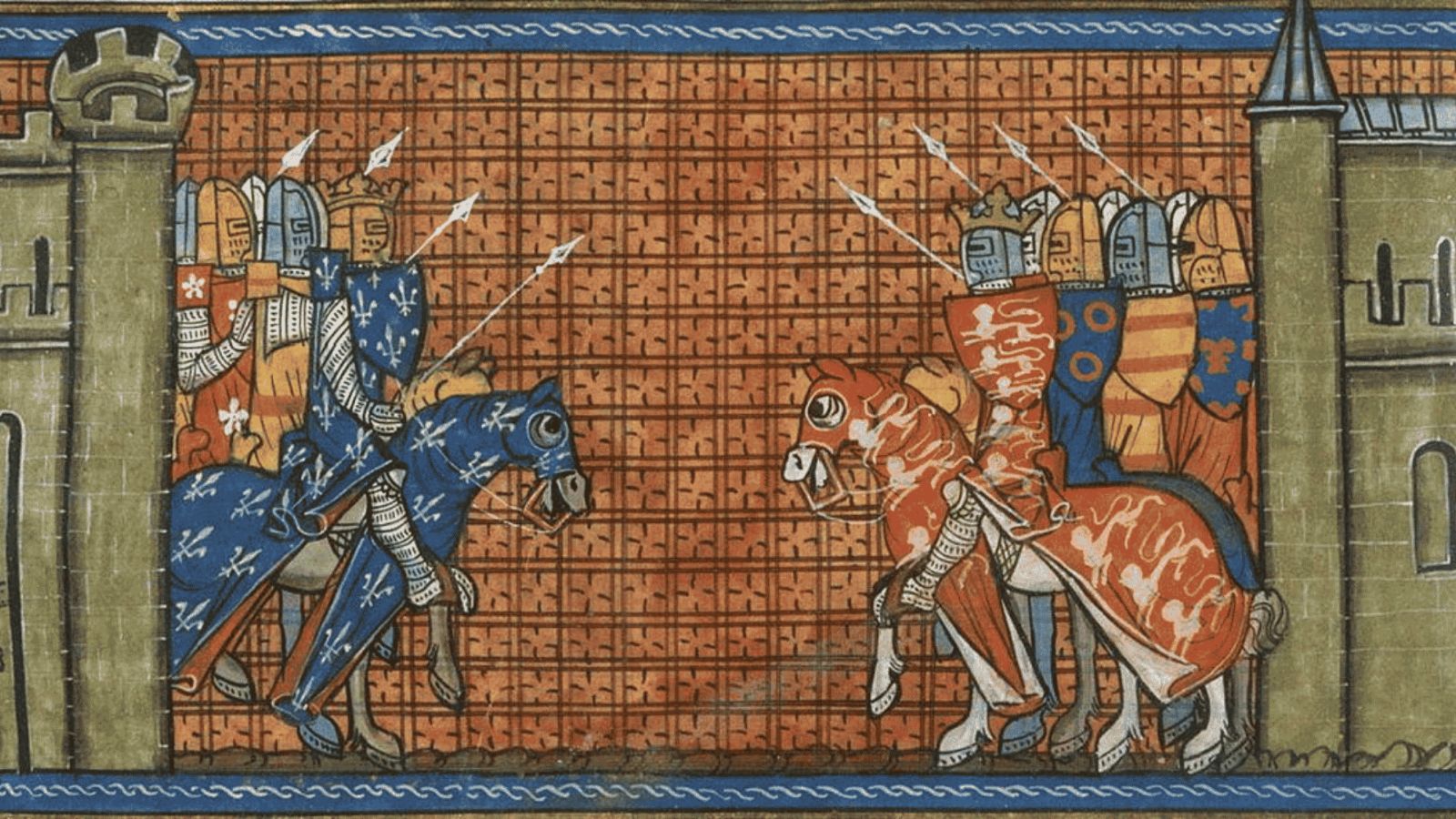
The Plantagenet Era
1154 - 1485 AD
Three centuries of complex dynastic rule shaped by influential milestones like the signing of Magna Carta, the early development of an English Parliament, the devastation of the Black Death, and the Hundred Years' War.
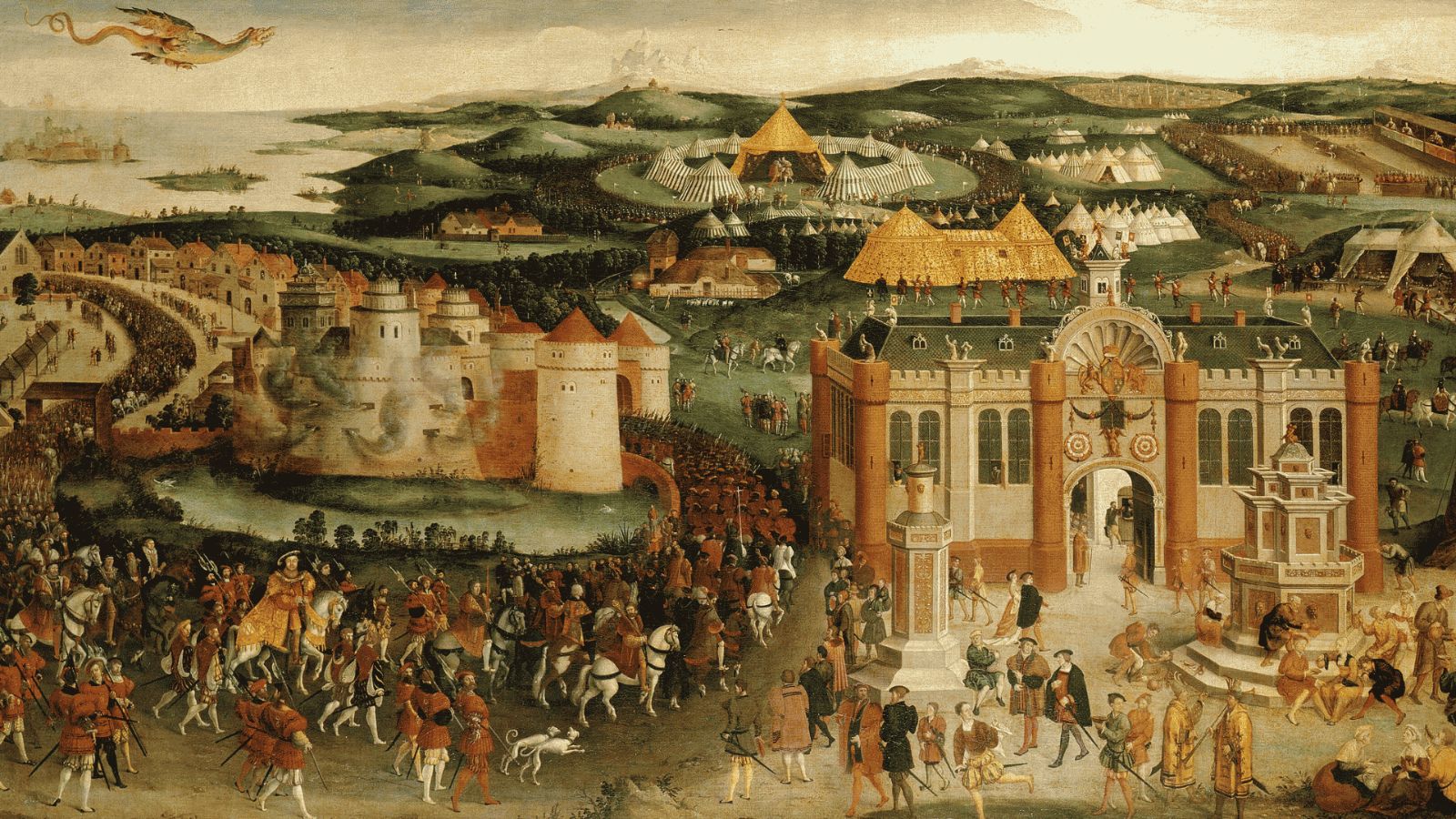
The Tudor Era
1485 - 1603 AD
A period of profound political and religious upheaval, dominated by the sweeping changes of the English Reformation, absolute consolidation of central royal authority, and the initial, decisive steps toward global oceanic exploration.
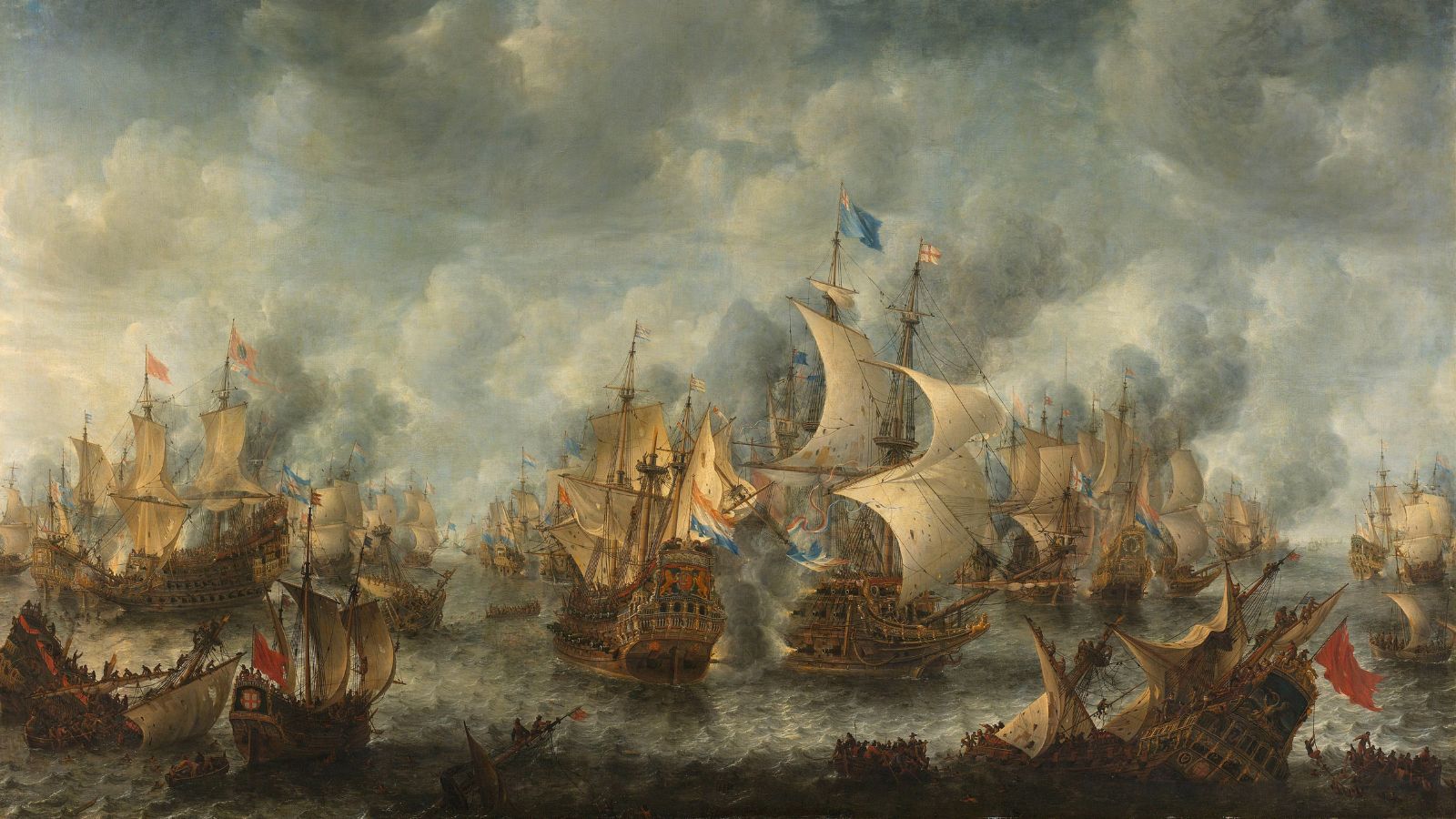
The Stuart Era
1603 - 1714 AD
Defined by extreme constitutional and religious conflict, the Stuart Era witnessed the union of the English and Scottish crowns, outbreak of the Civil War, the public execution of Charles I, and establishment of a stable constitutional monarchy.
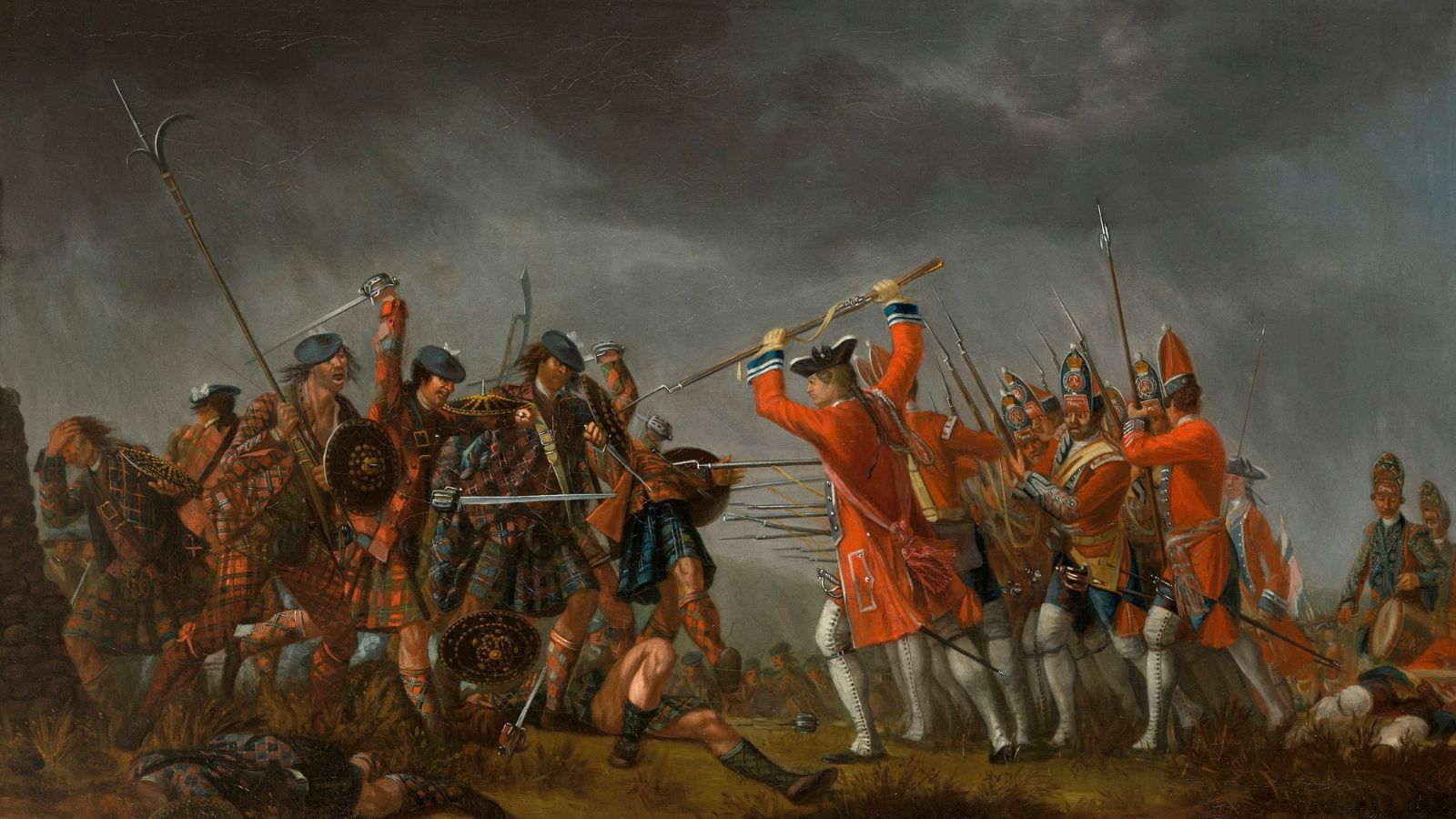
The Georgian Era
1714 - 1837 AD
Marked by the intellectual shifts of the Enlightenment and the unification of Great Britain, the Georgian Era saw the dramatic expansion of a global mercantile empire and the early innovations of the Industrial Revolution.
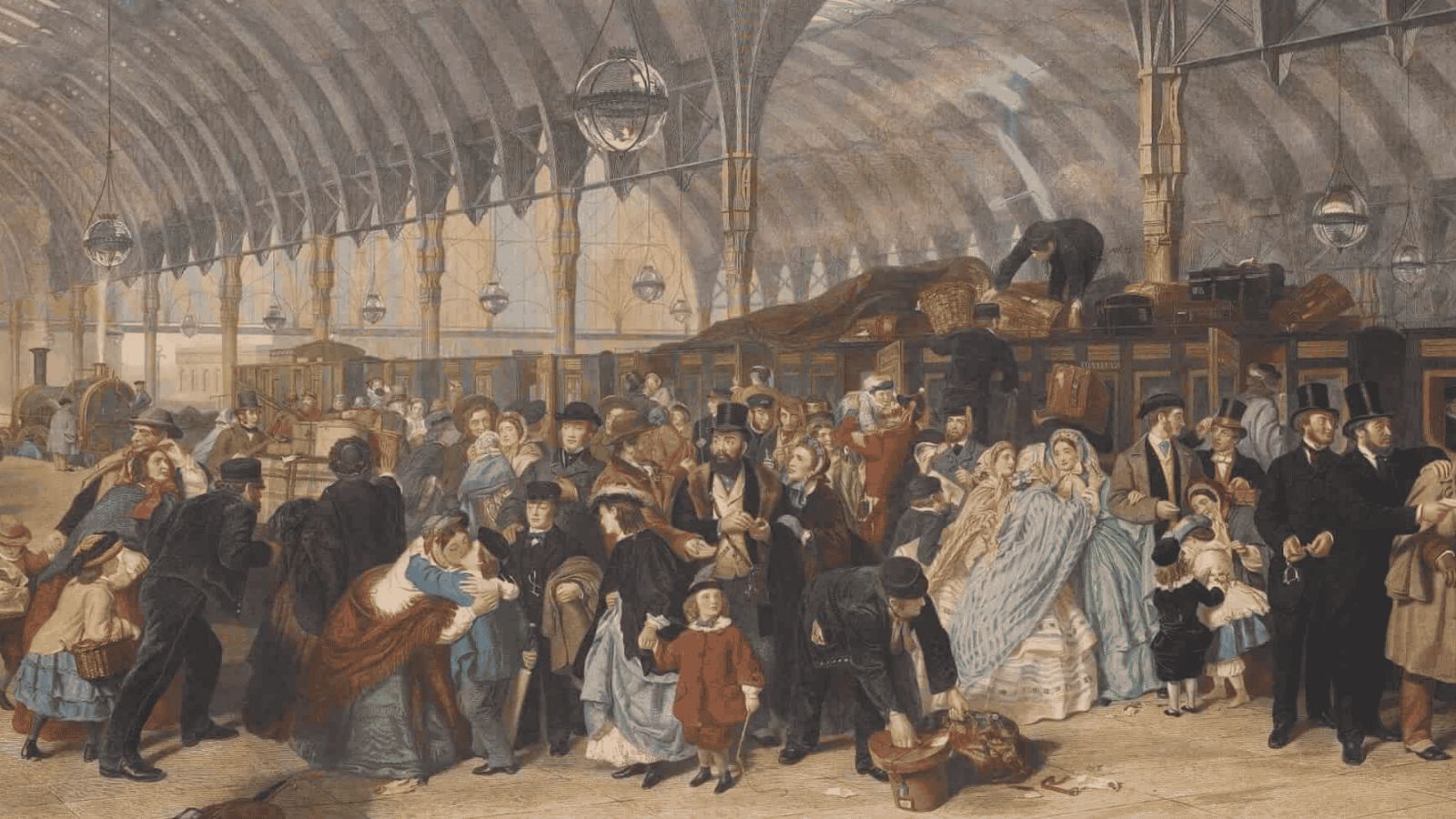
The Victorian Era
1837 - 1901 AD
An epoch of unparalleled global economic and territorial dominance, marked by the height of the Industrial Revolution, urbanisation, and sweeping social reforms that reshaped the modern British class structure.
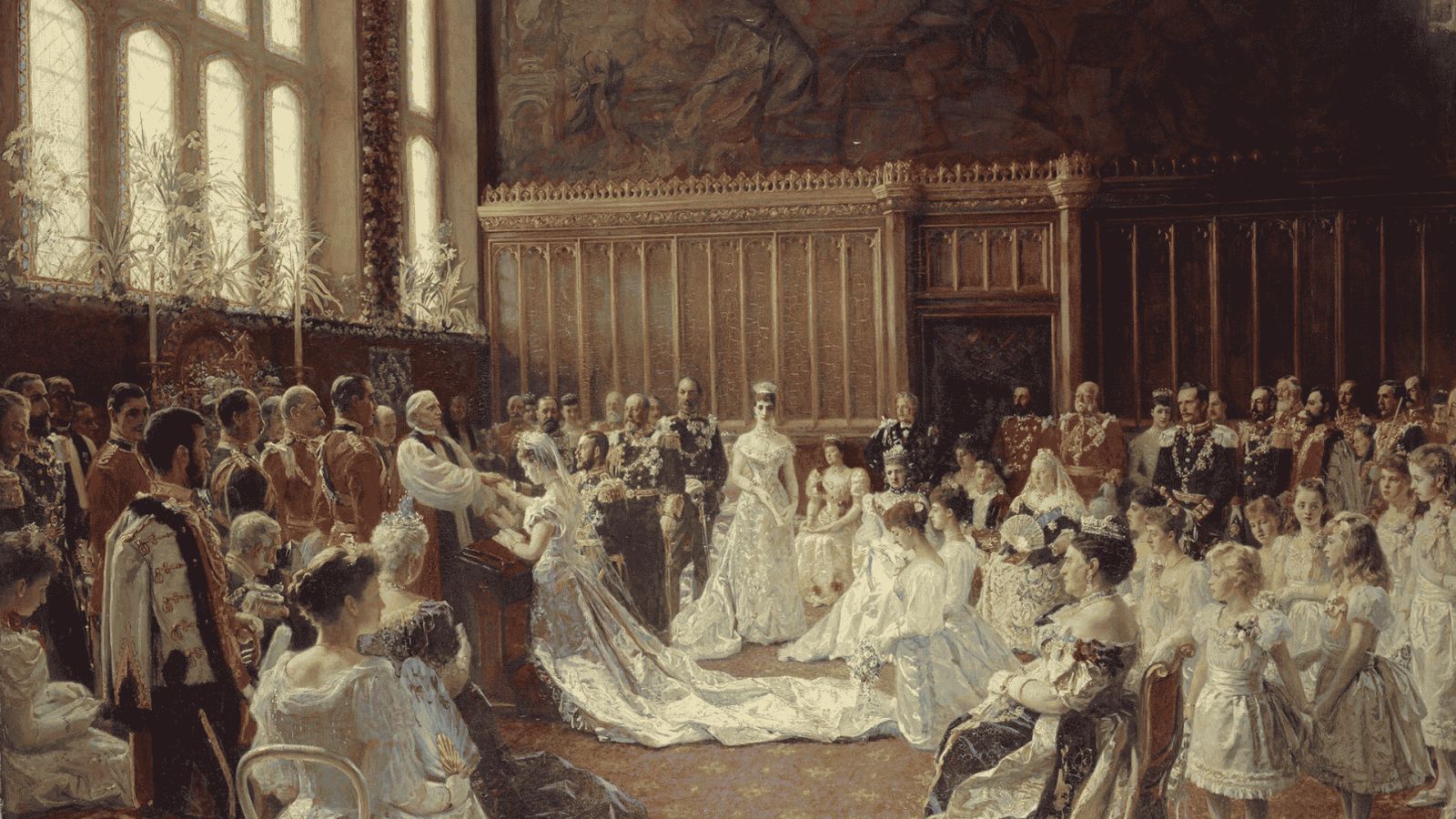
The Edwardian Era
1901 - 1914 AD
The Edwardian represents the final twilight of the imperial golden age, a brief period defined by domestic debates over mass suffrage and social welfare, alongside mounting geopolitical tensions across Europe.
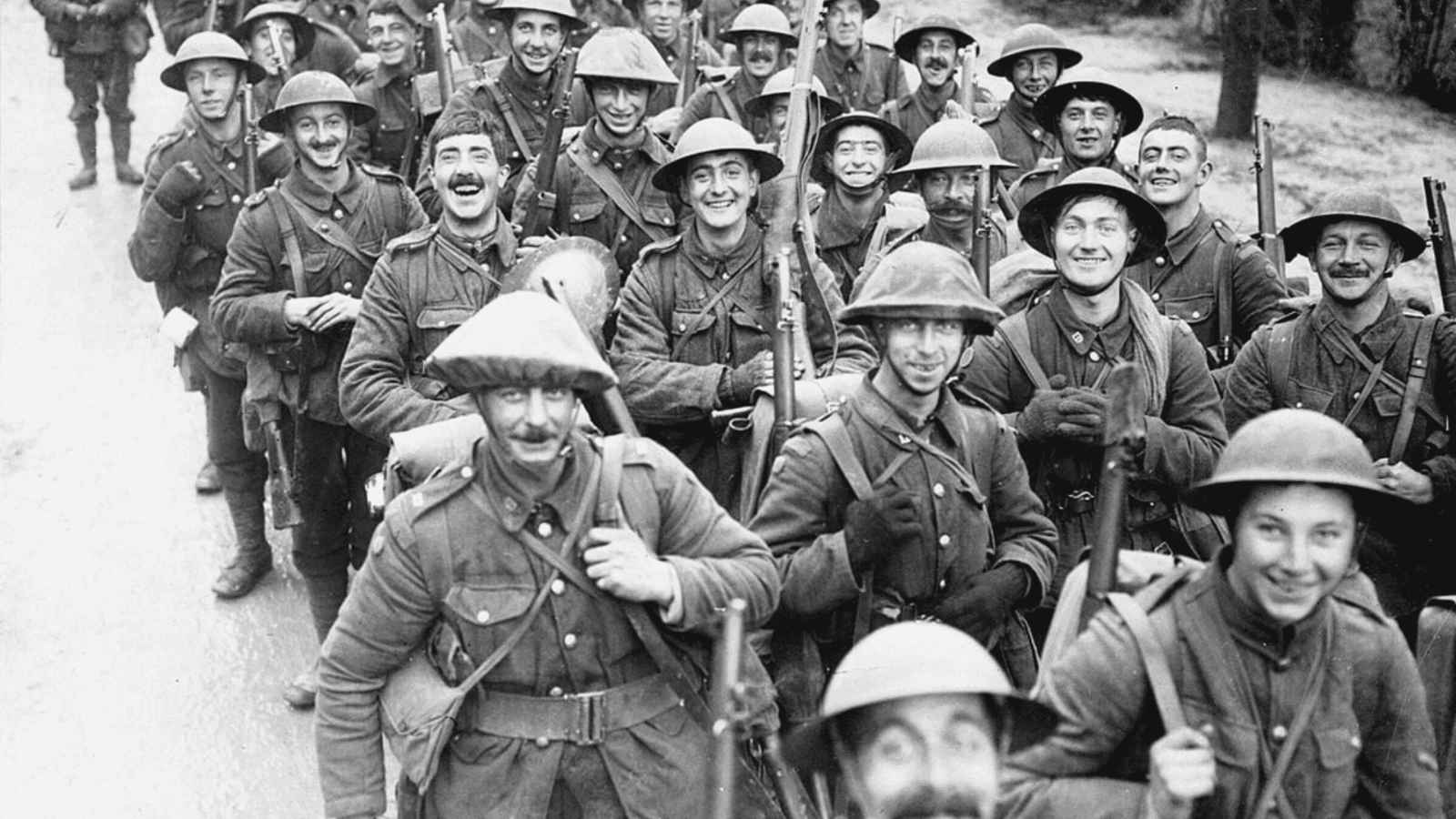
Britain in World War 1
1914 - 1918 AD
A four-year conflict of immense human cost that shattered old European alliances, triggered major domestic electoral reforms, and permanently reshaped the social and economic fabric of the nation for generations.
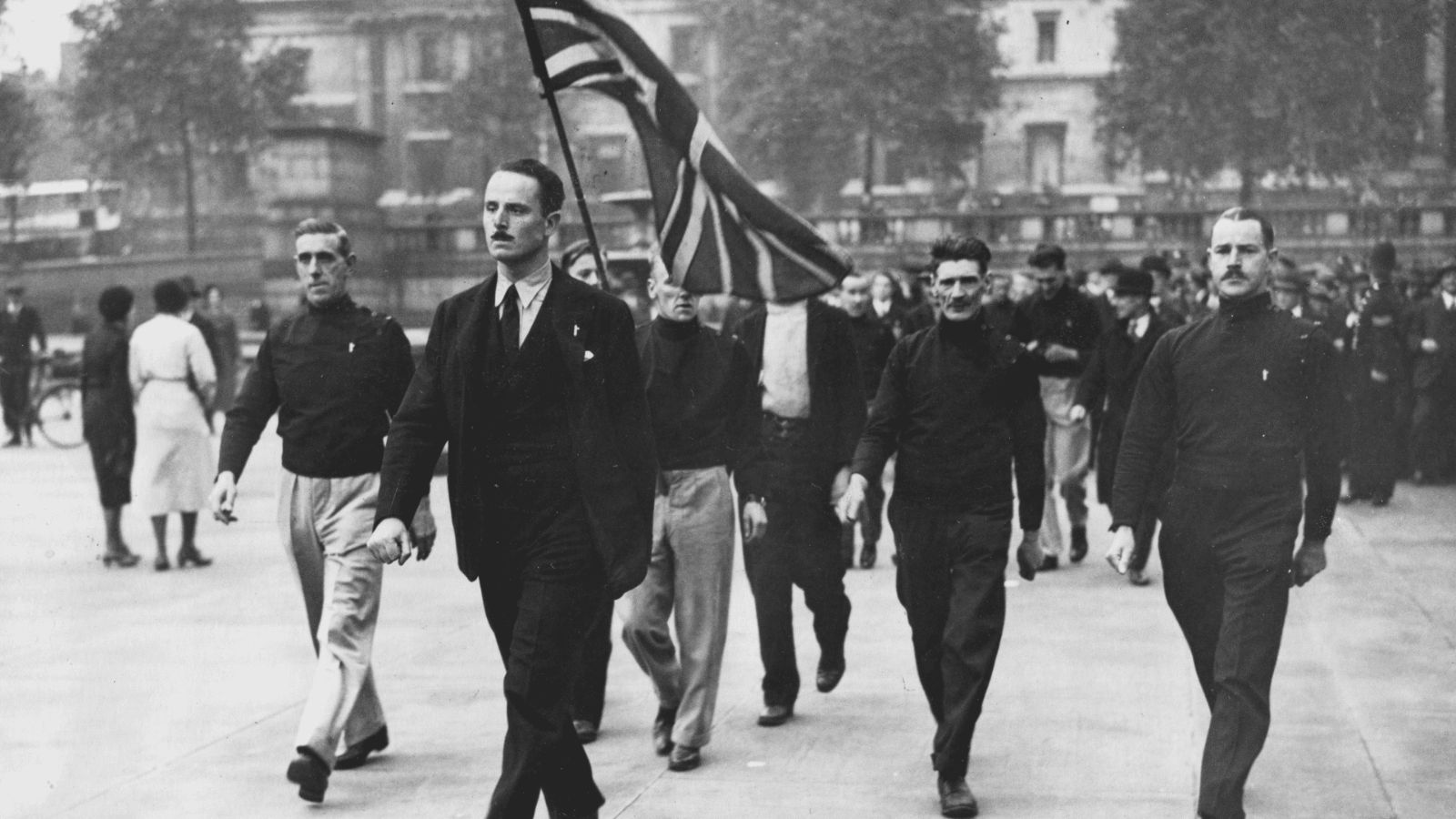
Interwar Britain
1918 - 1939 AD
The Interwar years were heavily marked by severe economic depression and industrial unrest, balanced against expanding democratic rights, rapid cultural modernisation, and the growing threat of another global conflict.
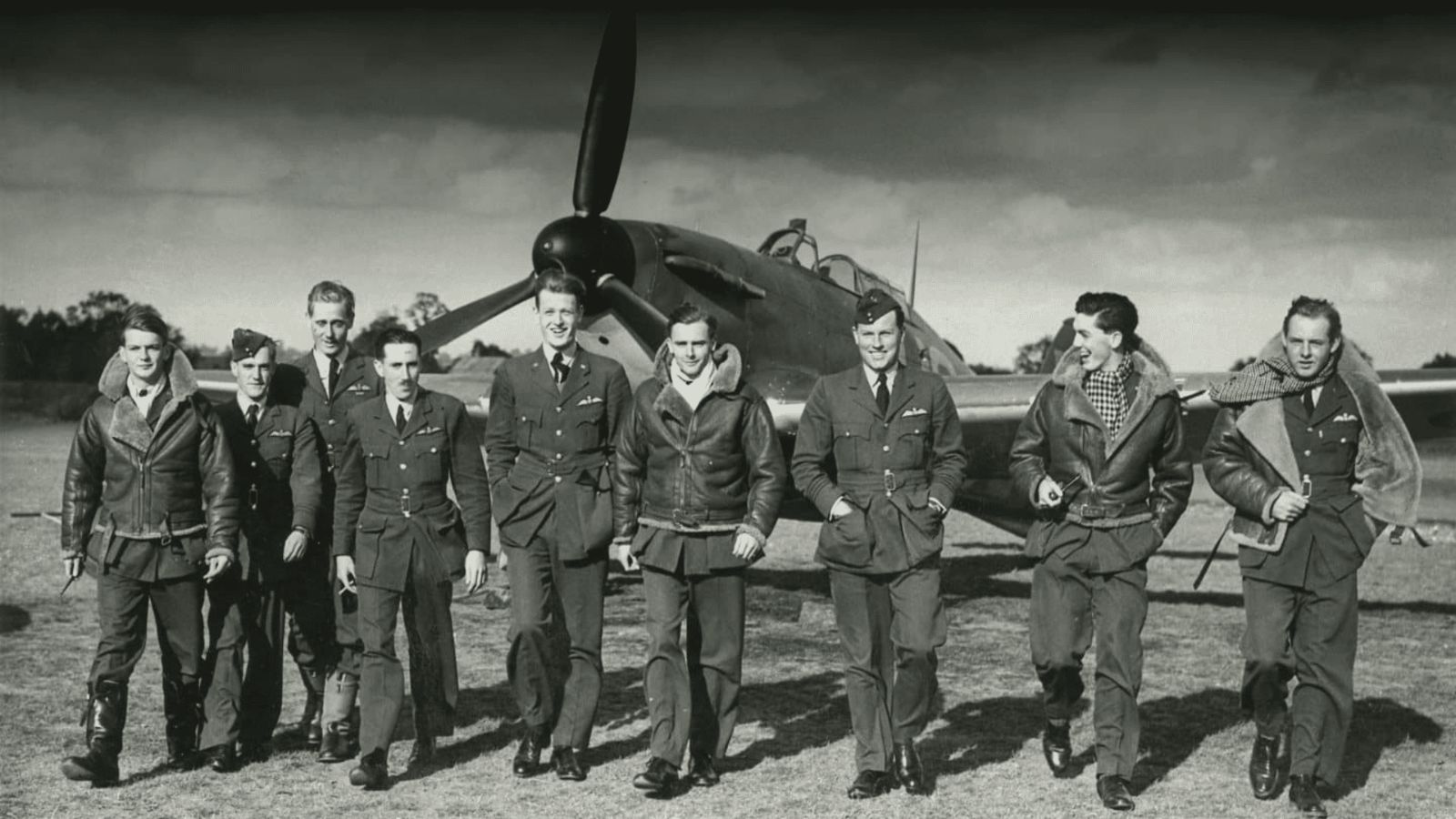
Britain in World War 2
1939 - 1945 AD
Six years of Europe's deadliest warfare marked by catastrophic human loss, relentless aerial bombardment, and massive economic sacrifice. A war that left the country heavily indebted and poised for radical domestic transformations.

Post-War Britain
1945 - 1990 AD
An era of massive domestic reconstruction that witnessed the historic birth of the modern welfare state, the systematic decolonisation of the British Empire, and cold war geopolitical shifts up to the late twentieth century.

The Age of Migration
1990 - Present
The current chapter of our history, characterized by rapid technological advancement, the historic legislative process of Brexit, and devestating levels of unwanted immigration that have transformed modern British society.
The transition to written history
For the vast majority of human existence on this island, no written records exist. Our knowledge of the deep past—spanning from the Palaeolithic down through the developments of the Bronze and Iron Ages—relies entirely upon archaeological evidence. During these deep millennia of prehistory, the story of Britain's inhabitants is reconstructed not through ancient texts and language, but through the material record. Scribes and historians are replaced by material clues: stone tools, earthworks, changing landscapes, and skeletal remains.
This boundary between prehistory and history was not crossed until the fourth century BC, when the first classical Mediterranean observers began providing written accounts of the island. Pytheas of Massalia, a Greek explorer, mapped the coastlines and recorded the customs of the indigenous tribes, initiating the long process of pulling the island out of prehistoric isolation and documenting it on parchment.
Pytheas of Massalia (c. 325 BC)
A Greek explorer who made the earliest recorded voyage to Britain to find trade routes for tin and amber. He circumnavigated the island, though Mediterranean scholars dismissed his reports as myth. His descriptions gave Britain its first written name.
Julius Caesar (55 & 54 BC)
Caesar launched two naval campaigns across the channel to disrupt Celtic war alliances and expand Roman influence. Before these invasions, Rome widely regarded Britain as a mythical place. By landing on its shores, he proved the island's physical reality.
Tacitus (c. AD 98)
A Roman historian who documented the northern campaigns of the governor Agricola to record Rome's outermost frontier. His detailed writings offered the earliest descriptions of Scottish tribes and recorded the official circumnavigation of the island.
Stay Connected
Domestic Records: Early English Texts
While classical observers from the Mediterranean first dragged Britain into continental diplomacy, it took centuries for the island’s inhabitants to establish an internal, continuous written tradition. The earliest native records materialize as brief, fragmented inscriptions stamped onto Iron Age Celtic coins. Stamped with the names of powerful tribal warlords like Commius or Cunobelinus, these small metallic pieces provide a rare glimpse of a literacy that predated the arrival of the Roman legions.
Following the imperial invasion of 43 AD, this localized coin minting was instantly swept away by four centuries of widespread military logging, tax records, and monumental stone carvings that bound the island to the wider Roman world.
This formal literacy was entirely dependent on the survival of the western empire, and so, when the Roman military fractured and withdrew, the island plunged into a century-long dark age where record-keeping ceased entirely. The vacuum was only broken when Anglo-Saxon hands took up the task of documenting their own history on parchment, permanently anchoring the English language to the written word. Through the rise of monastic scriptoriums, scribes began logging the dynastic battles, legal codes, and land charters that established the true foundation of the English historical record.
Gildas (c. 6th Century)
A British monk who authored On the Ruin and Conquest of Britain, providing the only substantial contemporary native commentary on the decades following the Roman withdrawal and the arrival of the Anglo-Saxons.
Venerable Bede (c. AD 731)
An Anglo-Saxon monk who completed the Ecclesiastical History of the English People, a foundational work that established the framework for a unified English identity and popularized the use of the AD dating system.
Anglo-Saxon Chronicle (c. 9th Century)
A series of chronological annals initiated during the reign of Alfred, creating a national record of English battles, royal successions, and political developments that was maintained for centuries.
Early Medieval Bureaucracy
While early domestic writing was largely restricted to religious chronicles and royal genealogies, the Norman Conquest of 1066 permanently transformed literacy into an engine of state administration.
This development was driven by the compilation of the Domesday Book in 1086, a monumental land survey that established an unprecedented standard for information density by meticulously auditing the wealth, landholdings, and livestock of the entire kingdom. From this moment forward, the English crown generated an unbroken, expanding mountain of legal rolls, tax tallies, and parliamentary records on parchment.
As the centuries progressed, this relentless preservation of government records expanded from medieval parchment rolls into the printing presses of the early modern era and the global dispatches of the imperial age.
By ensuring that every subsequent transition—from the Tudor reformations to the Industrial Revolution—was recorded in indisputable detail, this expanding written heritage permanently cemented the rule of law and provided a comprehensive, unbroken chronicle of our national development.
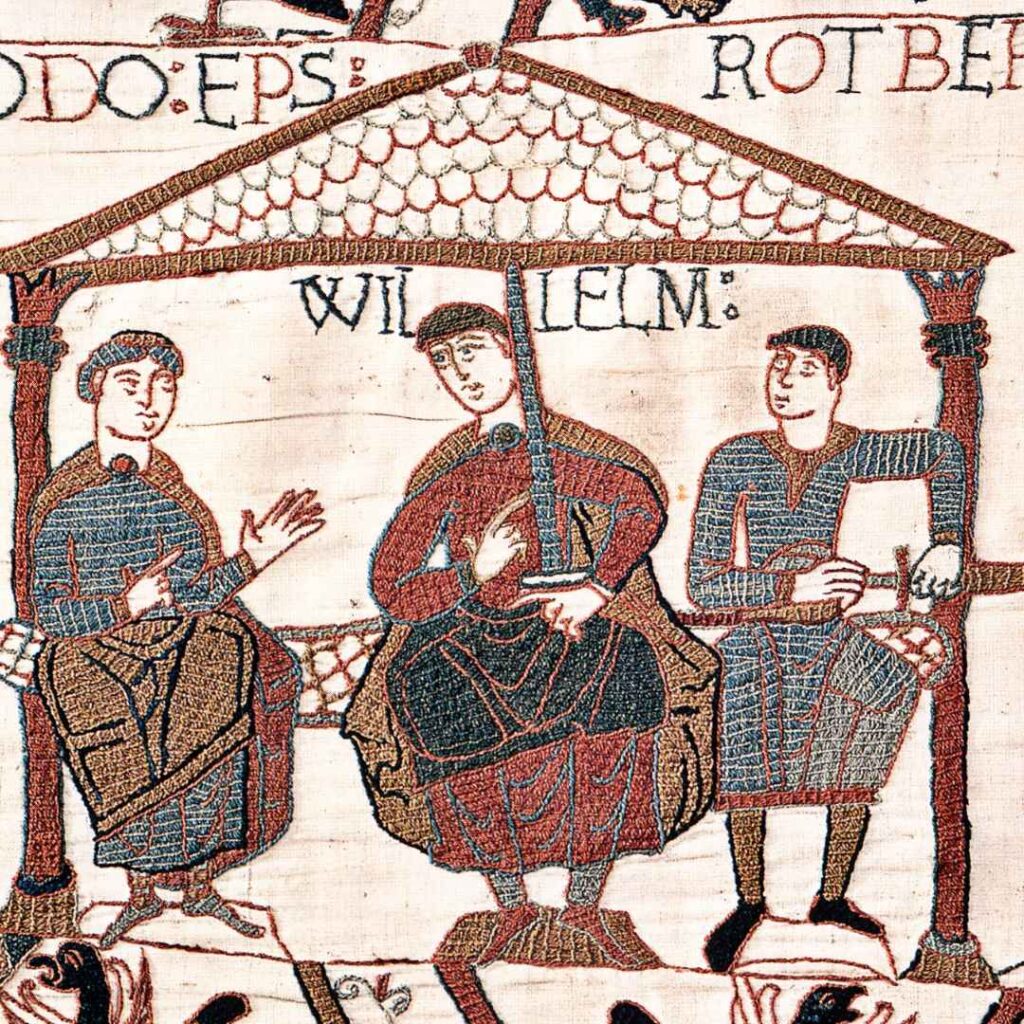
William the Conqueror seated between his half-brothers, Bishop Odo and Robert, Count of Mortain, Bayeux Tapestry, 1070's
English History FAQs