
History of the
English Monarchy
From Warrior Kings to Constitutional Monarchy
The long journey of the English monarchy covers more than eleven centuries of intense political, legal, and cultural development. What began as a fragmented collection of rival Anglo-Saxon kingdoms led by warrior-kings eventually coalesced into a single, unified nation-state, with the Crown serving as the central point of governance through which the laws and borders of the realm were bound together.
Throughout these centuries, the nature of royal authority underwent radical shifts as the monarchy adapted to survive the deep crises of every passing era. This line of rule evolved from the absolute, militaristic dominance of the medieval period, through the heightened governing authority of the Tudors and the contested divine right of the Stuarts, to the gradual legal limitations that followed the Glorious Revolution.
Today, the modern Crown operates as a constitutional head of state, providing an unbroken thread of historical continuity while political sovereignty rests entirely with Parliament.
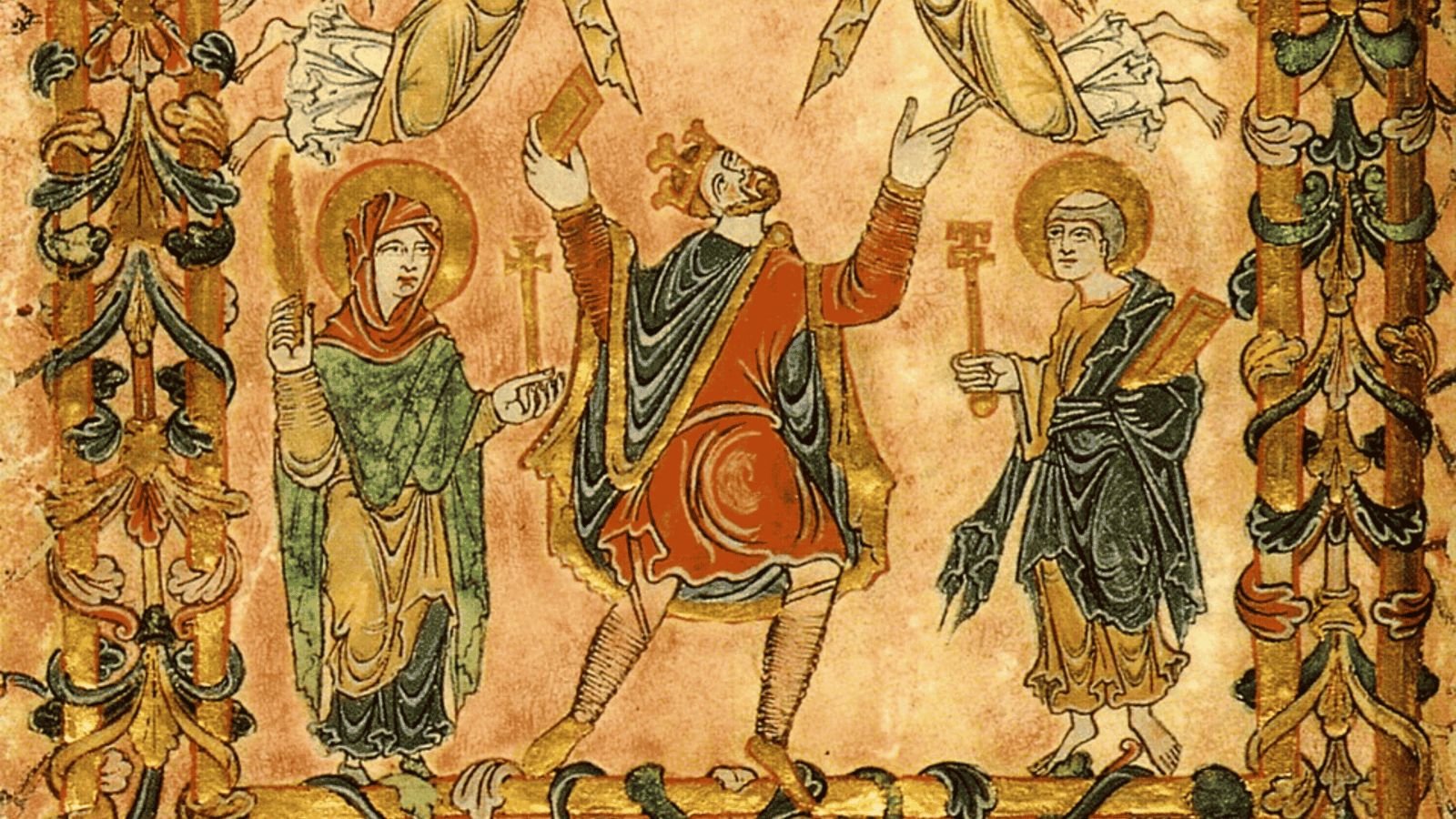
House of Wessex
802 - 1066 AD
Founded by the direct descendants of Alfred the Great, the House of Wessex successfully unified the fractured kingdoms of the Heptarchy. Their kings created the very title of "King of the English," ruling through highly advanced administrative systems until the line shattered in 1066.
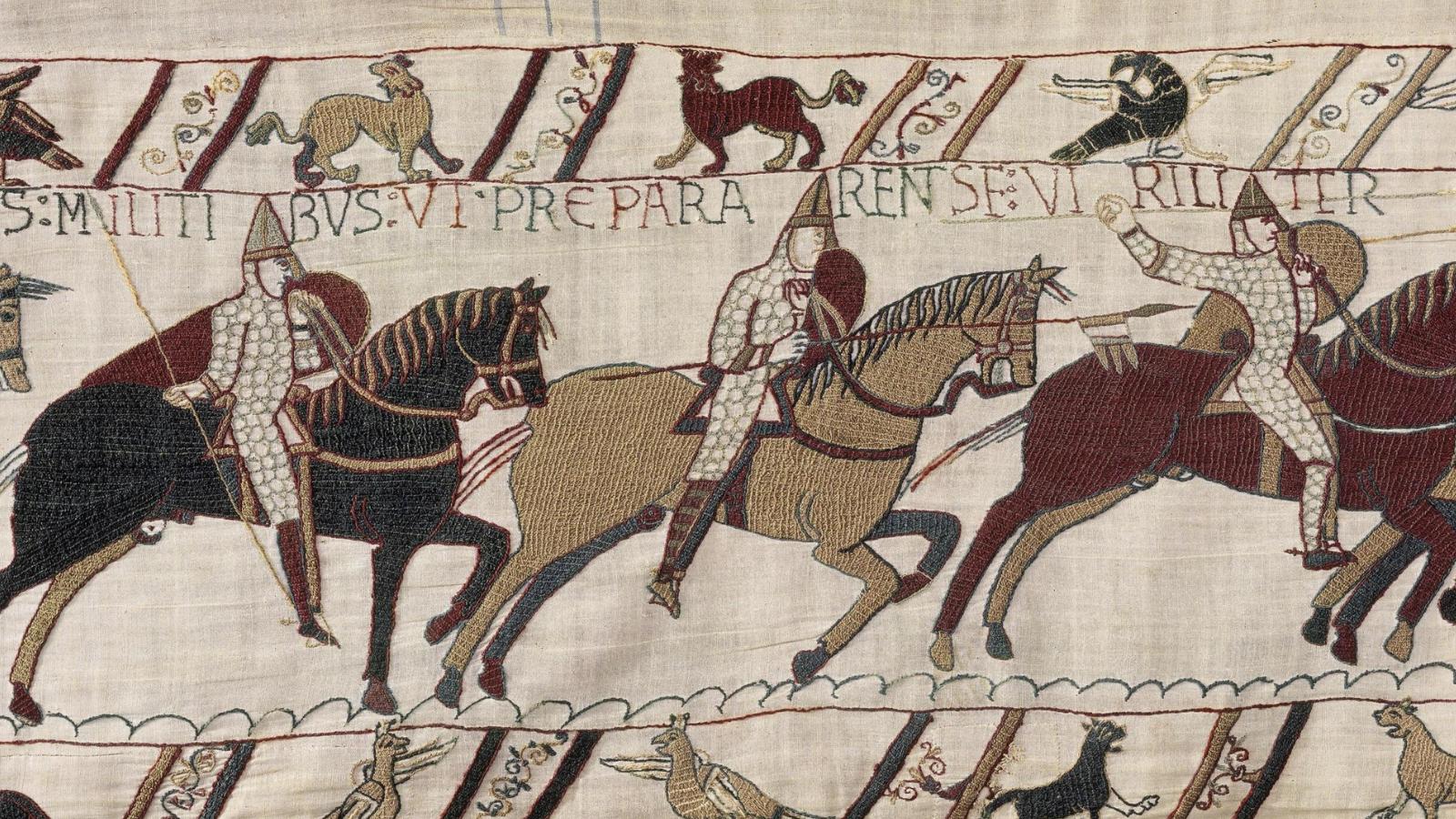
House of Normandy
1066 - 1154 AD
Established by William the Conqueror, the House of Normandy completely replaced the old Anglo-Saxon elite with a new continental aristocracy. They anchored all land ownership directly to the Crown, using strict feudal consolidation and stone castles to secure absolute royal control.
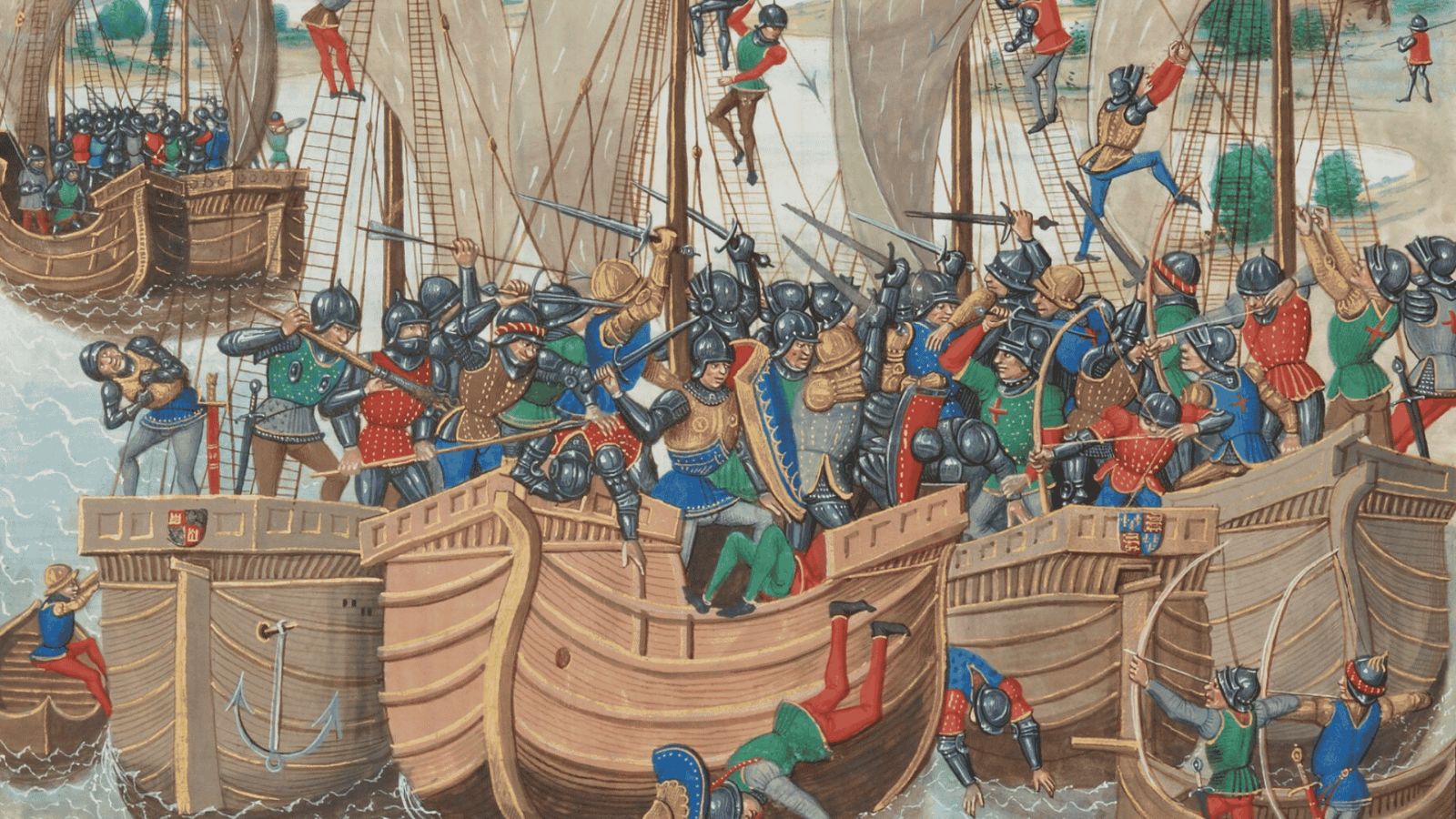
House of Plantagenet
1154 - 1485 AD
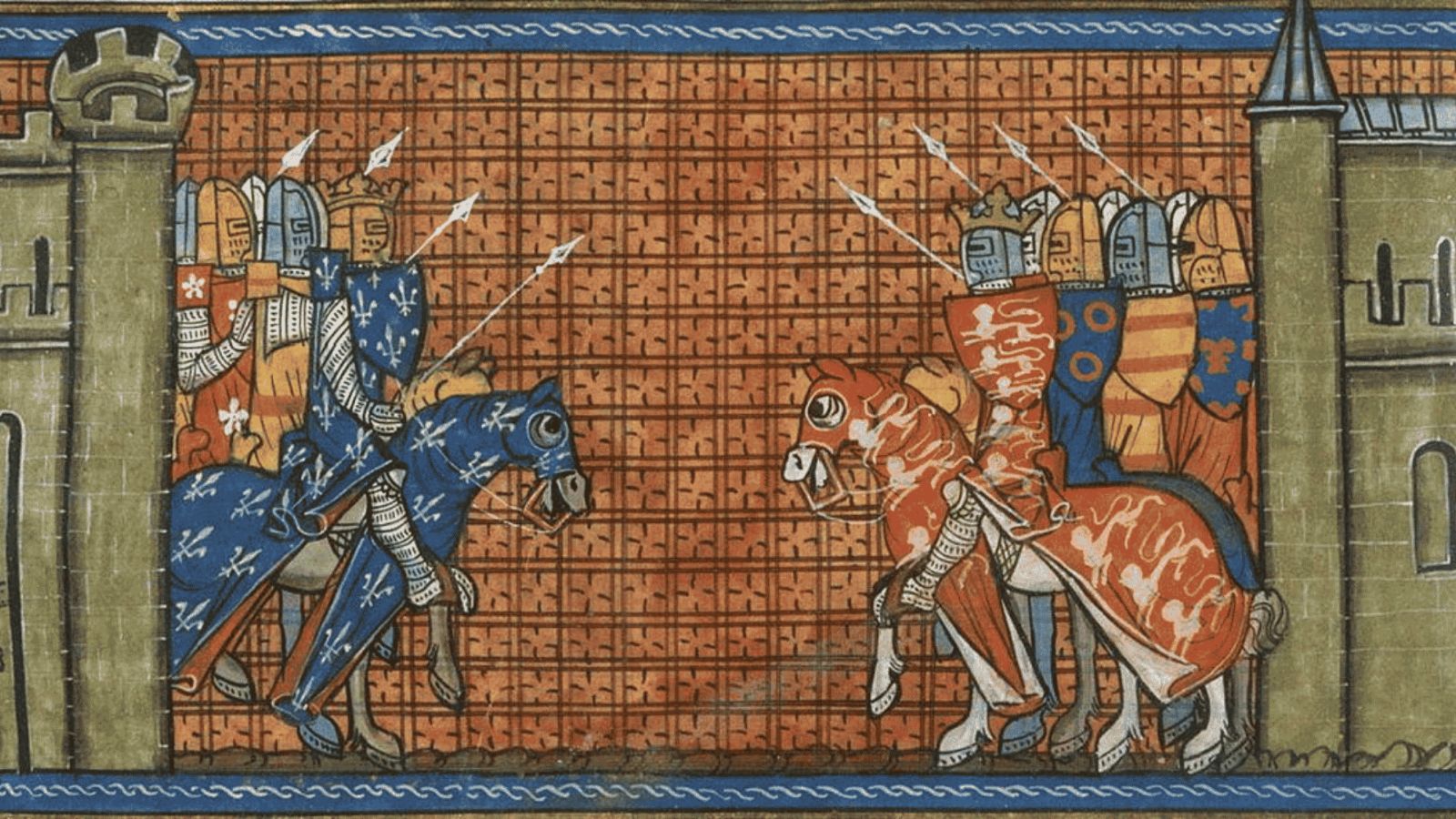
Spanning over three centuries, the Plantagenets produced some of England's most celebrated and controversial warrior kings. Their rule was defined by intense power struggles that inadvertently birthed the legal system, forcing monarchs to sign Magna Carta and establish Parliament.
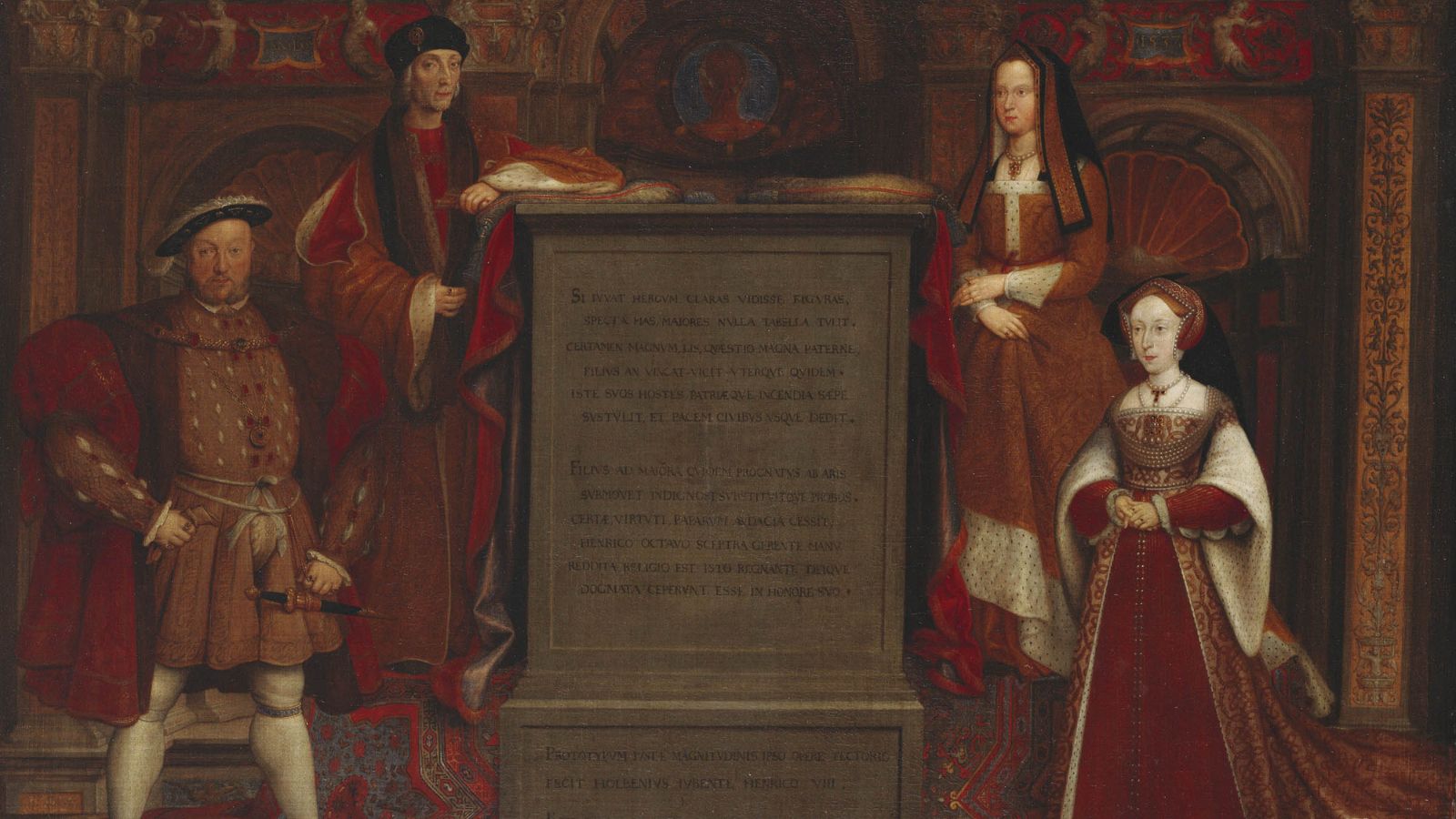
House of Tudor
1485 - 1603 AD
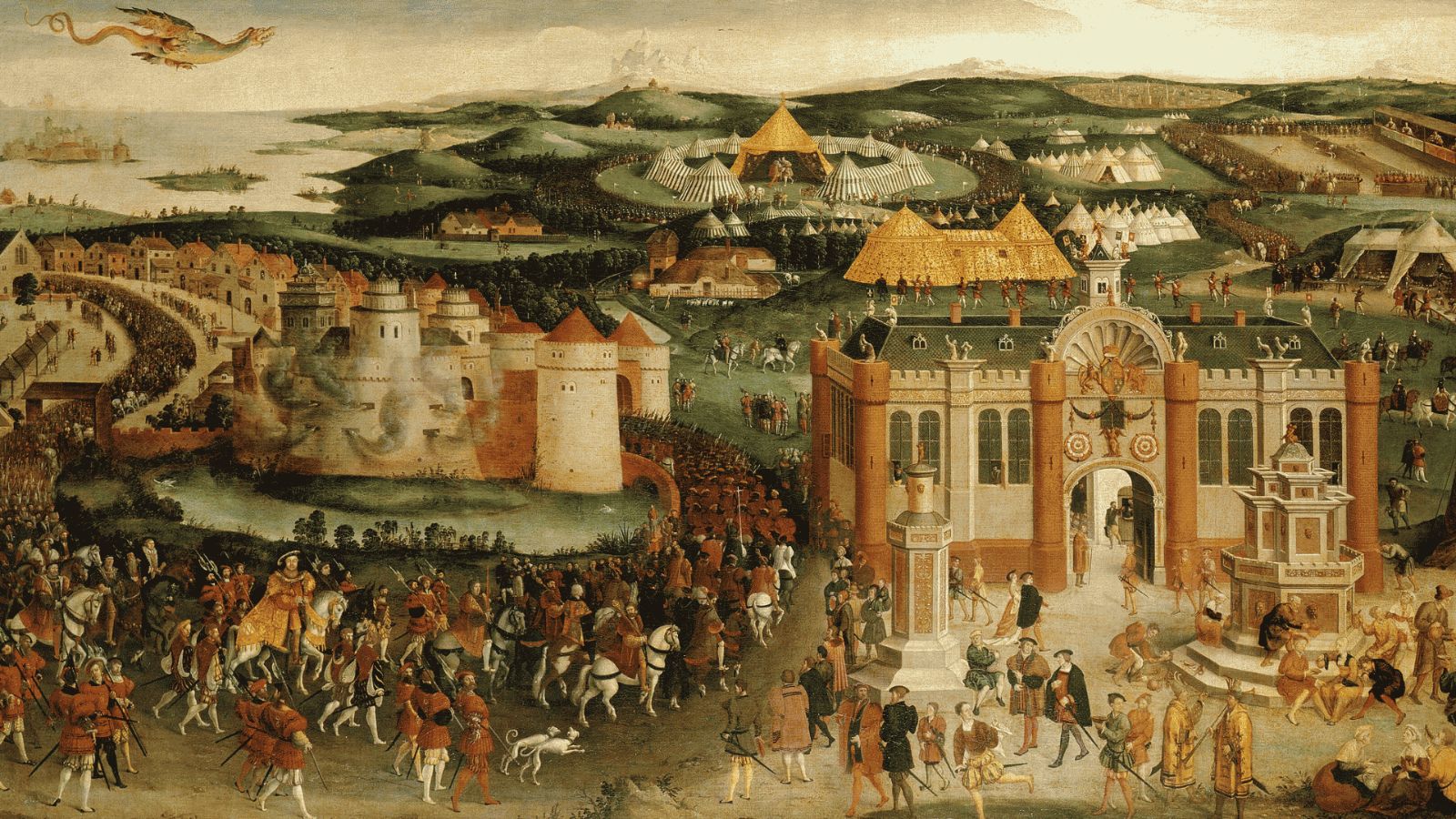
Seizing the throne by conquest at Bosworth, the Tudors ruthlessly consolidated royal authority over the state. They completely transformed national identity by launching the English Reformation, severing ties with Rome, and making the monarch supreme head of the Church.
House of Stuart
1603 - 1714 AD
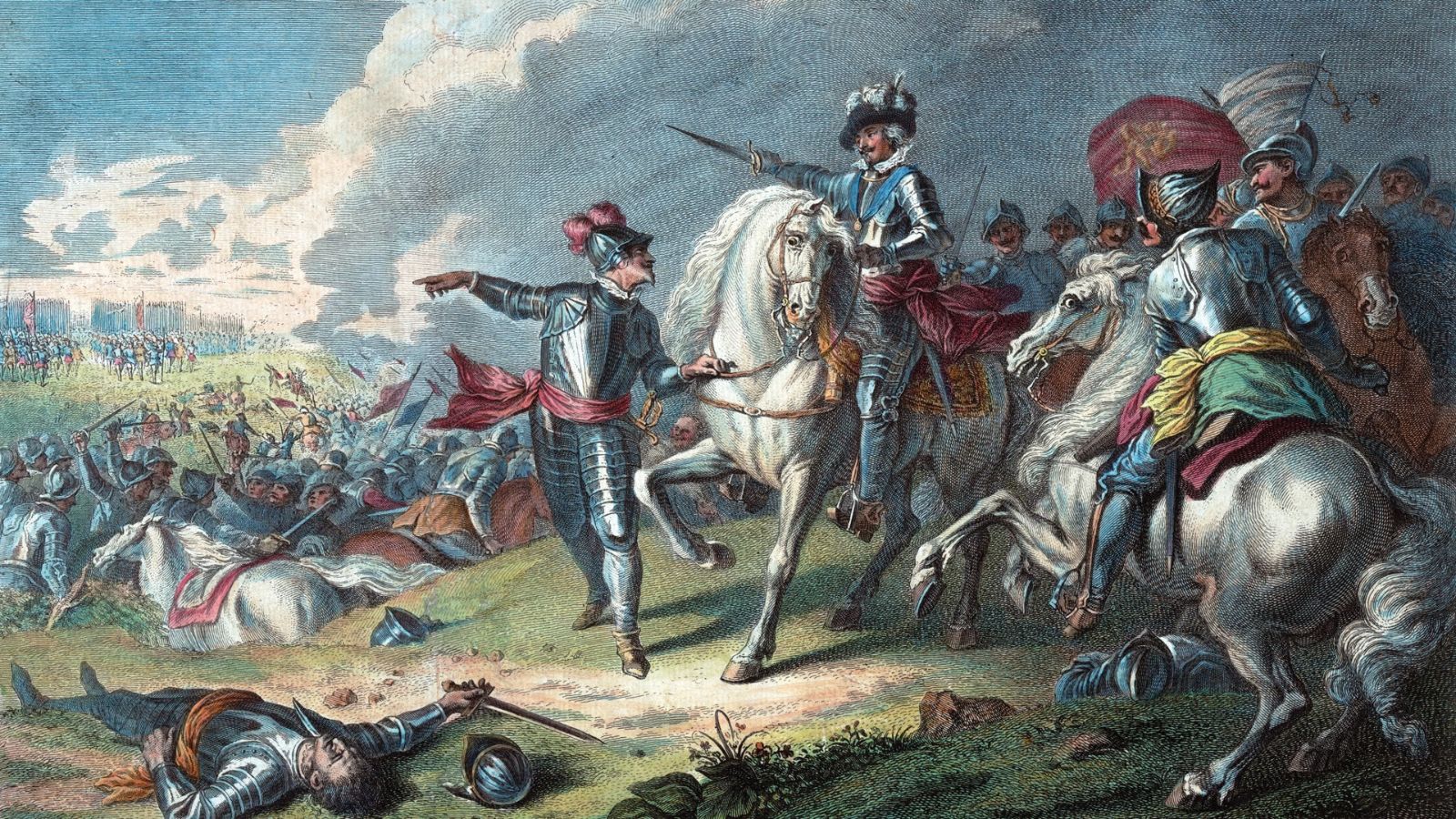
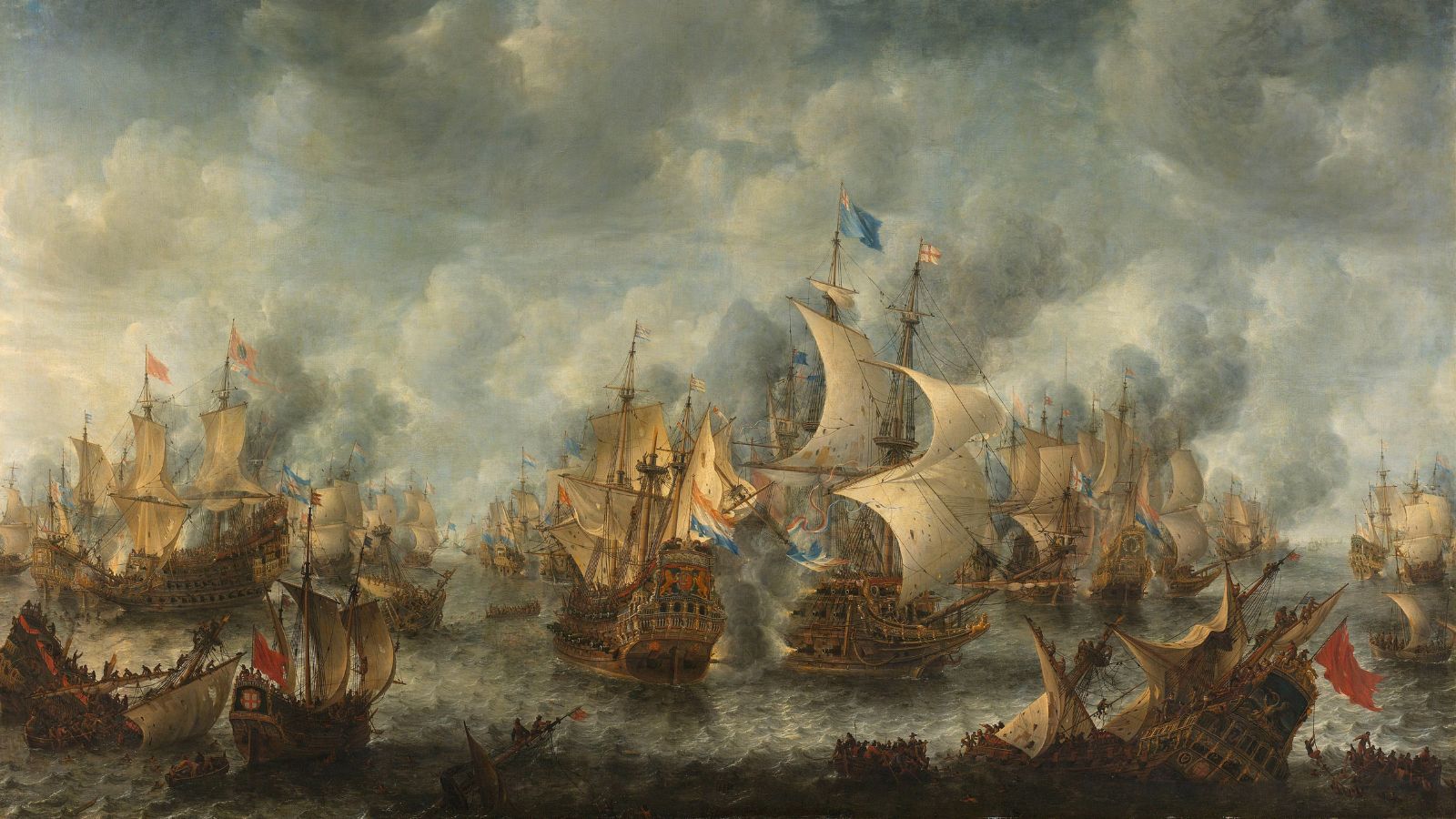
Inheriting the crown via alliance, the House of Stuart united the thrones of England and Scotland under a single sovereign line. Their staunch belief in the divine right of kings provoked a bloody Civil War, ultimately forcing the line to accept a permanent constitutional crown.
House of Hanover
1714 - 1901 AD
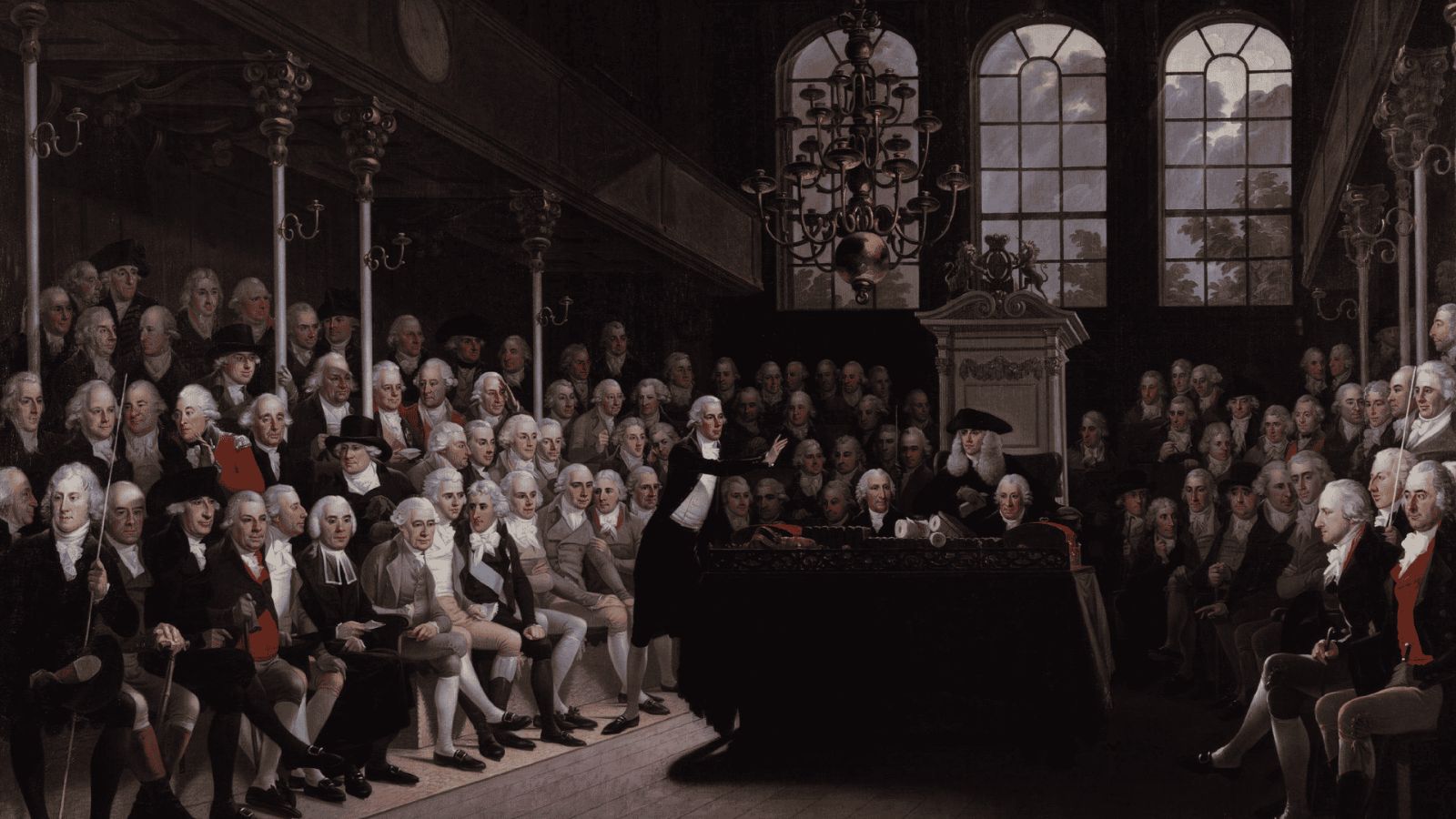
Brought from Germany to secure a Protestant succession, the House of Hanover presided over the rise of a global mercantile empire. Under their rule, direct political power systematically shifted away from the Crown to the Prime Minister, cementing our modern constitutional framework.
House of Windsor
1901 - Present
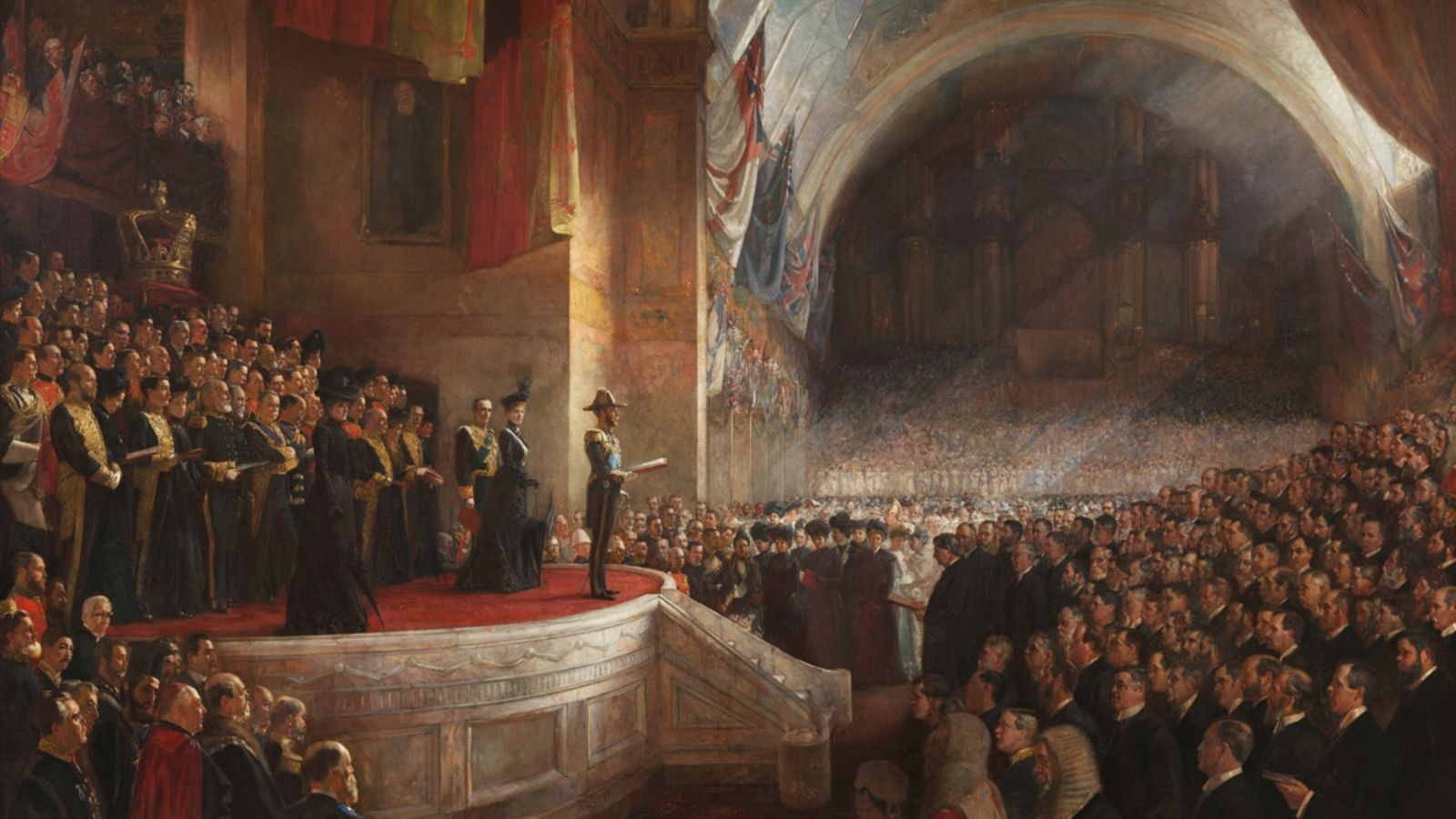
Emerging during the First World War, the modern royal house has redefined the role of the sovereign in a democratic society. Presiding over the complete dismantling of the global empire and massive domestic demographic shifts, the family has faced shifting levels of public support.
Origins, and the King of the English
The English monarchy was forged during a fierce ninth-century struggle against Viking invasion, an onslaught in which the Great Heathen Army systematically dismantled every native realm until only the Kingdom of Wessex remained standing.
A critical turning point arrived in 878 AD at the Battle of Edington, where Alfred the Great secured a decisive victory that allowed him to build the military and legal foundations needed to sustain a unified nation. This defensive framework enabled his son, Edward the Elder, to launch a calculated counter-offensive, reclaiming territory and pushing the borders steadily north into the Danish-controlled lands. This generations-long project culminated in 927 AD under Alfred’s grandson, King Æthelstan, who captured Viking York and united the separate regional realms under one crown to become the first recognized King of the English.
To govern this vast new state, Æthelstan issued sweeping legal codes, established centralized royal assemblies, and created a single, standardized coinage across the realm. Building on these administrative pillars, later Anglo-Saxon rulers developed highly advanced systems of taxation and local government that functioned with exceptional efficiency despite facing renewed Viking pressure from the North Sea. This sophisticated system of governance provided a deep layer of stability that outlasted individual rulers.
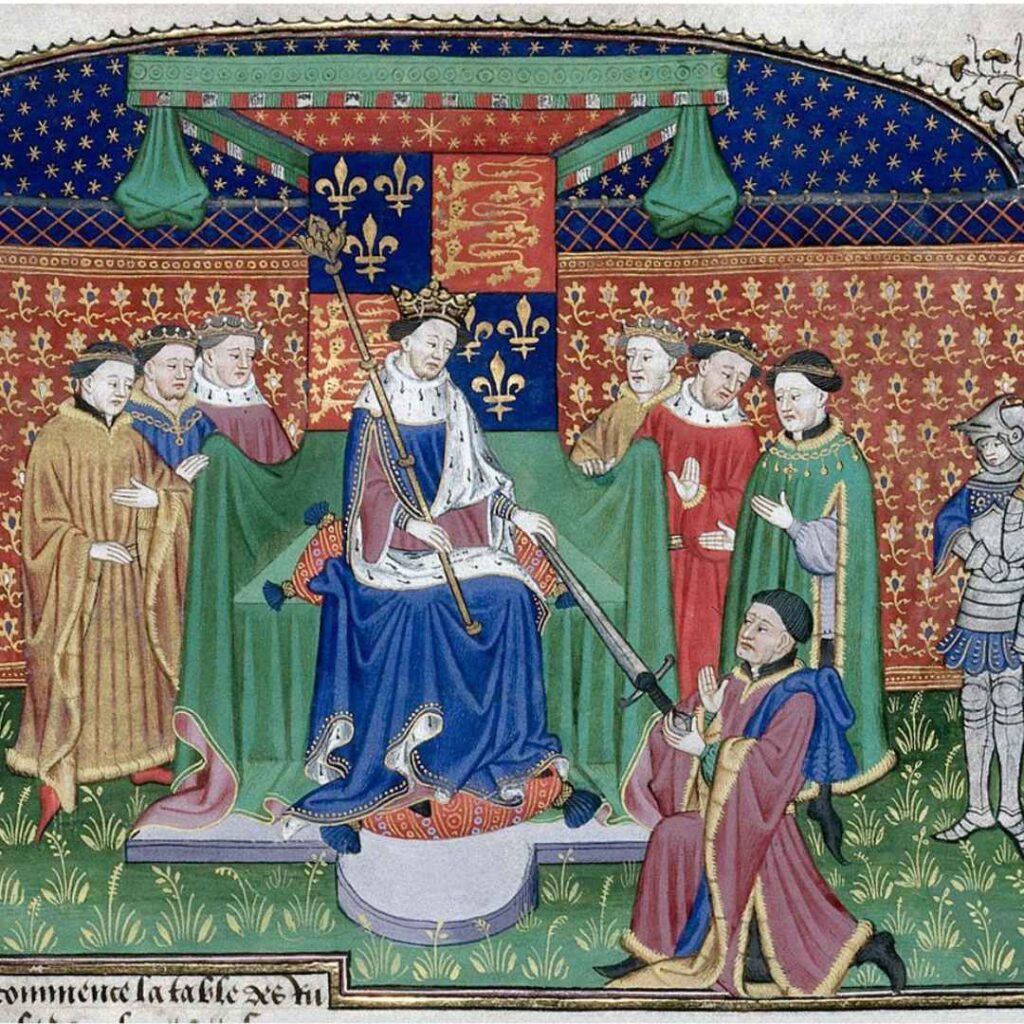
King Henry VI depicted in the Talbot Shrewsbury book, circulated 1444-1445
Formation of the English Monarchy
Following the Norman Conquest, King William I permanently transformed royal authority by introducing a highly centralized feudal system to the island.
By claiming ultimate crown ownership of all English land, William converted the entire country into his personal estate, distributing large territories to his Norman barons in explicit exchange for military service and financial allegiance.
This absolute control was methodically expanded over the next three centuries under the Plantagenet dynasty, a line of rulers who looked beyond raw military force to construct a highly sophisticated royal bureaucracy. They established a permanent treasury to track revenues and sent traveling judges across the shires to handle legal disputes directly on behalf of the sovereign.
This administrative push saw the birth of Common Law, weaving the entire population into a single, cohesive royal justice system that overridden regional baronial customs.
Stay Connected
Nobles, Parliament, and the Execution of a Monarch
As royal administration expanded across the country, the absolute power of the Crown faced growing resistance from the nobility, leading to a series of monumental constitutional confrontations that permanently altered the governance of the realm. The first permanent limitation on royal authority occurred in 1215 when a powerful coalition of rebel barons forced King John to sign Magna Carta, a historic charter that established the foundational precedent that the monarch was ultimately subject to the law of the land.
Over the next four centuries, this political friction intensified as the newly emerging Parliament increasingly asserted its rights over taxation, legislative approval, and the daily running of the country. This domestic tension reached a fatal climax under the Stuart dynasty, whose rigid belief in the divine right of kings provoked the English Civil War and shattered the peace of the realm.
With the royalist forces defeated on the battlefield, the conflict reached its brutal climax in January 1649 with the unprecedented public trial and execution of King Charles I, a watershed event that resulted in the temporary abolition of the monarchy and the declaration of a republican commonwealth.
Related Periods:
Plantagenet Era
1154 - 1485 AD
Tudor Period
1485 - 1603 AD
Stuart Era
1603 - 1714 AD
The English Commonwealth
Following the execution of King Charles I, England entered an unprecedented republican era that completely dismantled the traditional monarchical framework of the state. Executive power eventually concentrated in the hands of Oliver Cromwell, who ruled alongside a heavily purged parliament before dismissing the legislature entirely to govern as Lord Protector under a direct military dictatorship. This republican experiment failed to establish long-term institutional stability.
Following Cromwell’s death in 1658, his son Richard briefly inherited the protectorate but proved entirely incapable of managing the competing military and political factions. Without his father's reputation or the unquestioned loyalty of the senior army officers, Richard was rapidly forced from power by rival grandees who threw the government into a state of total paralysis.
As the country slid toward financial bankruptcy and the terrifying threat of a renewed civil war, the public conscience turned decisively back toward the stability of the ancient laws, causing the rapid collapse of the regime and paving the way for the peaceful return of the traditional royal lineage.
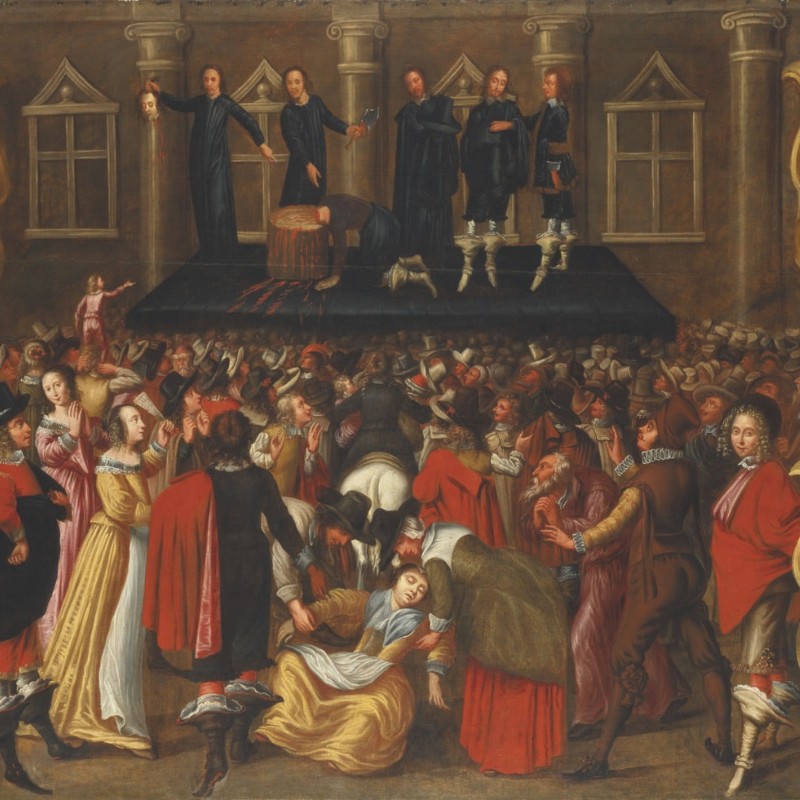
The Execution of Charles I, January 30, 1649
From Absolute Power to Constitutional Monarchy
The sudden collapse of the republic triggered the Restoration of 1660, bringing the Stuart line back to the throne under King Charles II, but old conflicts over royal authority and religious allegiance quickly resurfaced to destabilize the court. The definitive resolution to this generational struggle came with the Glorious Revolution of 1688 and the subsequent Bill of Rights of 1689, which permanently established parliamentary supremacy, outlawed the royal suspension of laws, and stripped the Crown of its arbitrary powers.
Over the following generations, the daily running of the state steadily migrated away from the sovereign to a Prime Minister and Cabinet operating directly within Parliament. This transition was finalized by the Great Reform Act of 1832, a sweeping statute that expanded the electorate, dismantled the rotten boroughs, and drastically reduced the Crown's remaining political influence across the country, ensuring that national policy was entirely dependent on the will of the voters.
The Legislative & Financial Shackles (Breaking the Monarch)
These three seventeenth-century statutes systematically stripped the Crown of its independent executive muscle, its financial autonomy, and its legal supremacy, rendering it structurally impossible for a monarch to rule by imperial decree.
The Bill of Rights (1689)
This statute permanently established parliamentary supremacy, prohibited the monarch from suspending laws or raising taxes without consent, and outlawed maintenance of a standing army during peacetime.
The Triennial Act (1694)
By forcing the Crown to summon a new parliament at least once every three years, this legislation permanently terminated the monarch’s absolute power to rule without a legislature or dissolve uncooperative assemblies indefinitely.
The Civil List Act (1698)
This statute stripped the monarch of independent control over general wartime and domestic tax revenues, legally binding the Crown to a fixed, parliament-voted financial salary to run the yearly royal household.
The Electorate & Democratic Overhauls (Empowering the Public)
These eighteenth-, nineteenth-, and twentieth-century milestones took the executive power that had been stripped from the king and transferred it permanently away from court cliques to the elected parliament.
The Parliament Act (1911)
By removing the unelected House of Lords' power to veto financial and legislative bills, this act dismantled the political muscle of the crown's ancestral peerage, locking in the absolute legislative supremacy of the House of Commons.
The Great Reform Act (1832)
By dismantling corrupt "rotten boroughs" and expanding the electorate, the act permanently broke the Crown’s ability to influence parliamentary elections, reducing the monarch to a largely ceremonial head of state.
The Act of Settlement (1701)
Designed to secure a Protestant succession, the legislation stripped the monarch of the power to unilaterally dismiss judges, while declaring that the sovereign could not engage the nation in foreign wars without approval.
English Monarchy FAQs